Sözlük
/el yazması
el yazması
"el yazması" kelimesinin İngilizcesi: manuscript. Anlamı, çevirisi, telaffuzu ve örnek cümleler aşağıdadır.
Çeviri
Genelmanuscript
Görsel
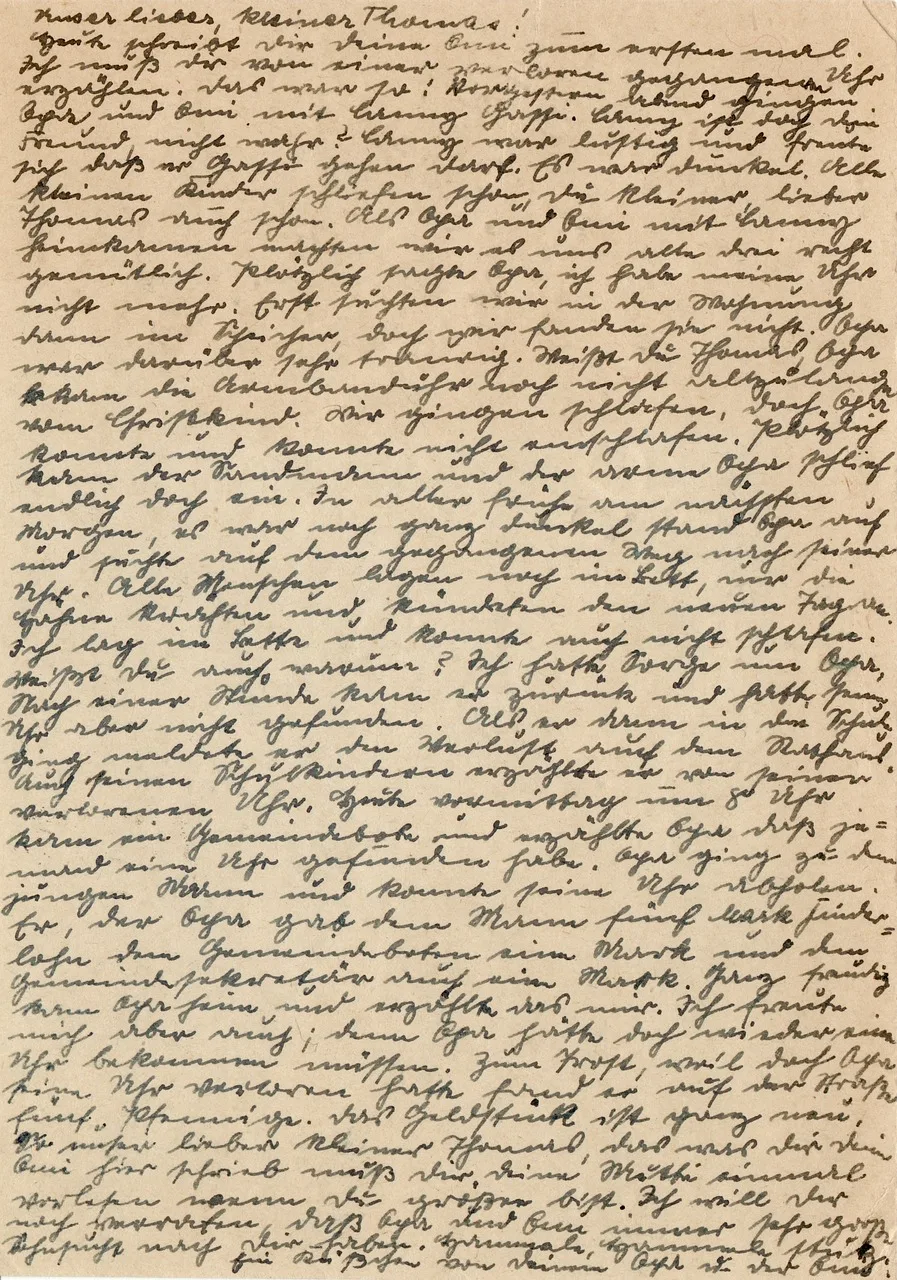

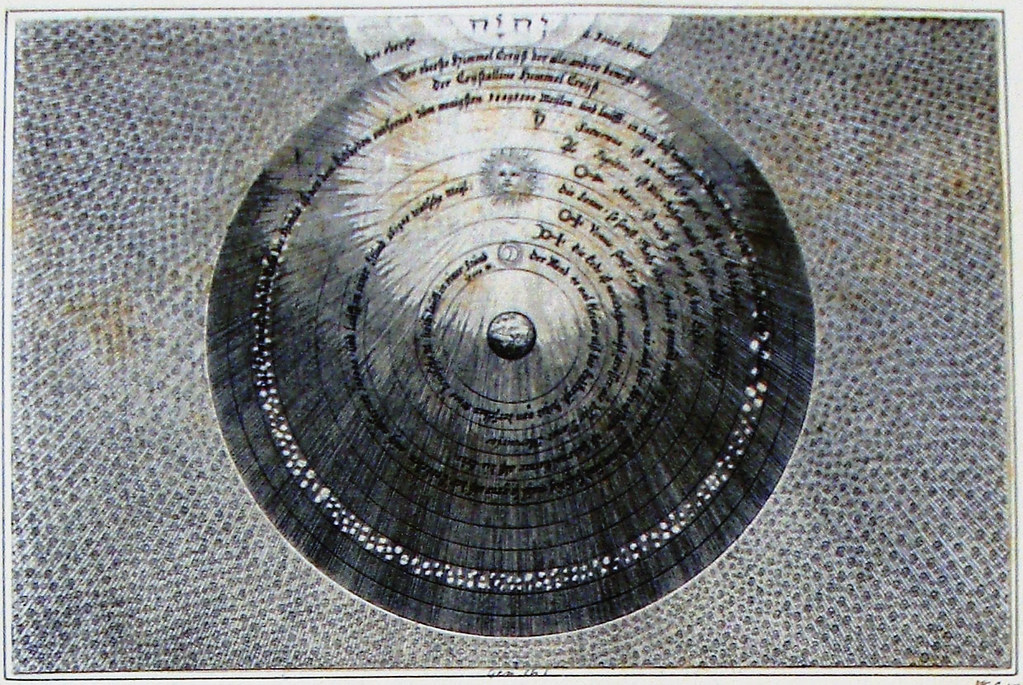

Çekim Tablosu
Belirtme (-i)el yazmasını
Yönelme (-e)el yazmasına
Bulunma (-de)el yazmasında
Çıkma (-den)el yazmasından
Tamlayan (-in)el yazmasının
Çoğul (-ler)el yazmaları
Tanım
•basım tekniğinin gelişmediği dönemlerde elle yazılmış kitap
•El ile yazılan kitap
Diğer Dillerde
AlmancaHandschrift, Manuskript (dişil) /ˈhantˌʃʁɪft/
handwriting · manuscript
çekim: çoğul Handschriften · tamlayan Handschriften
eş: Manuskript
köken: Hand (“hand”) + Schrift (“script, writing”). First attested in the 15th century, compare hantschrift (15th century). Compare Dutch handschrift.
aile: handschriftlich
Warum hat der Besitzer des Manuskripts dies getan? — El yazmasının sahibi bunu neden yaptı?
Fransızcamanuscrit /ma.nys.kʁi/
manuscript (handwritten, or by extension typewritten)
çekim: çoğul manuscrits
eş: autographe
köken: 1594, from Medieval Latin manuscriptum (“writing by hand”), from Latin manu (ablative of manus (“hand”)) + scriptus (past participle of scribere (“to write”)), calqued from a word of Germanic origin. Compare Middle High German hantschrift, hantgeschrift (c. 1450, “manuscript”), Old English handġewrit (before 1150, “what is written by hand, deed, contract, manuscript”), Old Norse handrit (before…
Tous étaient écrits à la main. — Hepsi de el yazmasıydılar.
İspanyolcamanuscrito /manusˈkɾito/
handwritten
çekim: çoğul manuscritos
köken: Borrowed from Medieval Latin manū scrīptus (literally “(thing) written by hand”).
Cada uno de ellos a mano. — Hepsi de el yazmasıydılar.
İtalyancamanoscritto /ma.nosˈkrit.to/
handwritten
çekim: çoğul manoscritti
eş: autografo, scritto a mano, opera autografa, opera originale, originale, codice
köken: From Latin manū scrīptus, manū scrīptum (literally “written by hand”). Cognate with Piedmontese manoscrit.
aile: manoscrivere
Ognuno era stato scritto a mano. — Hepsi de el yazmasıydılar.
Почему же владелец манускрипта сделал это? — El yazmasının sahibi bunu neden yaptı?
Arapçaمَخْطُوط, مَخْطُوطَة
لماذا قام صاحب المخطوطة بذلك؟ — El yazmasının sahibi bunu neden yaptı?
manuscript
çekim: çoğul əlyazılar · tamlayan əlyazının
köken: Izafet I compound of əl (“hand”) + yazı (“writing”).
Kazakçaкөшірме, қолжазба /qoɫʒɑzˈbɑ/
manuscript
çekim: çoğul қолжазбалар · tamlayan қолжазбаның
köken: Synchronously, қол (qol, “hand”) + жаз- (jaz-, “to write”) + ба (ba, “affix forming an abstract noun related to the action's process or result”). Cognate with Bashkir ҡуляҙма (qulyaźma, “manuscript”), Kyrgyz кол жазма (kol jazma, “manuscript”), Uzbek qoʻl yozma (“manuscript”), Uyghur قوليازما (qolyazma, “manuscript”), etc.
Özbekçeqoʻlyozma
Tatarcaкулъязма
Felemenkçegeschreven, handgeschreven, handschrift, kopij, manuscript /ɣə.ˈsxreː.və(n)/
past participle of schrijven
Waarom heeft de eigenaar van het manuscript dit gedaan? — El yazmasının sahibi bunu neden yaptı?
Yunancaχειρόγραφο (nötr)
manuscript
çekim: çoğul χειρόγραφα · tamlayan χειρογράφου
Γιατί το έκανε αυτό ο ιδιοκτήτης του χειρόγραφου; — El yazmasının sahibi bunu neden yaptı?
手書きの文書。手稿。写本。
(1702年) 2. 作者不詳の油彩画。 — (1902) Nevvab el yazmasındaki resmi.
Korece사본 /sʰa̠bo̞n/
copy; duplicate · manuscript; codex
eş: 사근
köken: Sino-Korean word from 寫本.
그들 한권 한권은 모두는 손으로 쓰여졌습니다. — Hepsi de el yazmasıydılar.
İsveççehandskrift /handˈskrɪft/
handwriting, manuscript
çekim: çoğul handskrifter · tamlayan handskrifts
köken: hand (“hand”) + skrift (“writing”)
Graves frågade ett år senare Idries Shah efter manuskriptet. — Bir sene sonra Graves İdris Şah’tan el yazmasını göstermesini ister.
Lehçemanuskrypt, maszynopis, odręczny, rękopis (eril) /maˈnus.krɘpt/
manuscript (book, composition or any other document, written by hand) · manuscript (book, article etc., submitted for reproductive publication)
çekim: çoğul manuskrypty · tamlayan manuskryptu
eş: rękopis
köken: Etymology tree Medieval Latin manūscrīptumlbor. Polish manuskrypt Learned borrowing from Medieval Latin manūscrīptum.
aile: manuskryptowy
Dlaczego właściciel rękopisu to zrobił? — El yazmasının sahibi bunu neden yaptı?
Ukraynacaруко́пис
Її можна порівняти з оздобленою великою літерою, яка починає рукопис. — El yazması eserlerde açılış sayfaları görkemli olur, onlar gibi görkemli yapılmışlar.
Hintçeपांडुलिपि, हस्तलिपि (dişil) /pɑːɳ.ɖʊ.lɪ.piː/
manuscript
köken: From Sanskrit पाण्डुलिपि (pāṇḍulipi).
Fincekäsikirjoitus, käsin kirjoitettu /ˈkæsiˌkirjoi̯tus/
manuscript · script, screenplay (text of the dialogue and action for a drama) · scenario (outline of the plot of a dramatic work for theatre, cinema or TV)
çekim: çoğul käsikirjoitukset · tamlayan käsikirjoituksen
köken: käsi (“hand”) + kirjoitus (“writing”), equivalently käsikirjoittaa + -us. Possibly coined by Mikael Agricola.
aile: kässäri, elokuvakäsikirjoitus, kuvakäsikirjoitus, käsikirjoitusversio, nuottikäsikirjoitus, sävellyskäsikirjoitus
Vuotta myöhemmin Graves pyysi Idries Shahia esittämään käsikirjoituksen. — Bir sene sonra Graves İdris Şah’tan el yazmasını göstermesini ister.
Çekçerukopis (eril) /ˈrukopɪs/
handwriting · manuscript
çekim: çoğul rukopisy · tamlayan rukopisu
eş: manuskript, písmo
köken: From ruka + -o- + -pis.
Proč by to vlastník rukopisu dělal? — El yazmasının sahibi bunu neden yaptı?
Rumencemanuscris (nötr)
manuscript
çekim: çoğul manuscrise · tamlayan manuscrisului
köken: Borrowed from Latin manuscriptus (based on scris).
De ce proprietarul manuscrisului a făcut asta? — El yazmasının sahibi bunu neden yaptı?
Macarcakézirat /ˈkeːzirɒt/
manuscript
çekim: çoğul kéziratok
köken: kéz + irat
Hogy miért tette ezt a kézirat tulajdonosa? — El yazmasının sahibi bunu neden yaptı?
İbraniceכְּתַב יָד
למה הבעלים של כתב היד עשה את זה? — El yazmasının sahibi bunu neden yaptı?
handwriting
çekim: çoğul håndskrifter · tamlayan håndskrifts
Hvorfor gjorde manuskriptets ejer dette? — El yazmasının sahibi bunu neden yaptı?
Endonezcenaskah /ˈnaskah/
manuscript (book, composition or any other document, written by hand) · manuscript (book, article etc, submitted for reproductive publication) · draft (an early version of a written work)
çekim: çoğul naskah-naskah
köken: Etymology tree Arabic نُسْخَة (nusḵa)bor. Malay naskhahbor. Indonesian naskah Borrowed from Malay naskhah, borrowed from Arabic نُسْخَة (nusḵa).
aile: penaskahan, pernaskahan, naskah akademik, naskah berita, naskah dinas, naskah jadi, naskah kotor, naskah lakon, naskah siap cetak
Setiap salah satu dari mereka tulisan tangan. — Hepsi de el yazmasıydılar.
Vietnamcathủ bản
Bảng A (tại Quảng Ninh, lượt về tại TP. — Kısmi el yazması (M), Modena'da bulunmaktadır.
Bulgarcaръкопис, ръкопи́с, ръкопи́сен
Всяка една от тях била ръкопис. — Hepsi de el yazmasıydılar.
Etimoloji
By surface analysis, el (“hand”) + yazma (“writing; manuscript”) + -(s)ı (“possessive”).
Örnek Cümleler
El yazması küreler
Manuscript globes
İsagoci el yazması.
manuscript of the Isagoge.
El Yazması Geleneği
Manuscript tradition
Bu eski bir el yazması.
It is an old manuscript.
Hepsi de el yazmasıydılar.
Every one of them handwritten.
El yazması yazabilir misin?
Can you write cursive?
Vegvisir (Huld El Yazmasından)
The vegvísir according to the Huld manuscript
El yazması iki nüshası mevcuttur.
Two manuscript copies of it exist.
Tom çabucak el yazmasına göz attı.
Tom quickly scanned the manuscript.
Abdullah ibni Mes'ud'un el yazması
ʿAbdullah ibn Masʿud's codex
Diğer dört erken el yazması da var.
Four other early manuscripts also exist.
Tom eski bir el yazmasını okuyordu.
Tom was reading an old manuscript.