Sözlük
/armut
armut
"armut" kelimesinin İngilizcesi: pear, pear, pear, pear. Anlamı, çevirisi, telaffuzu ve örnek cümleler aşağıdadır.
Çeviri
Genelpearnoun
Genelpear
Genelpear
Genelpear
Görsel


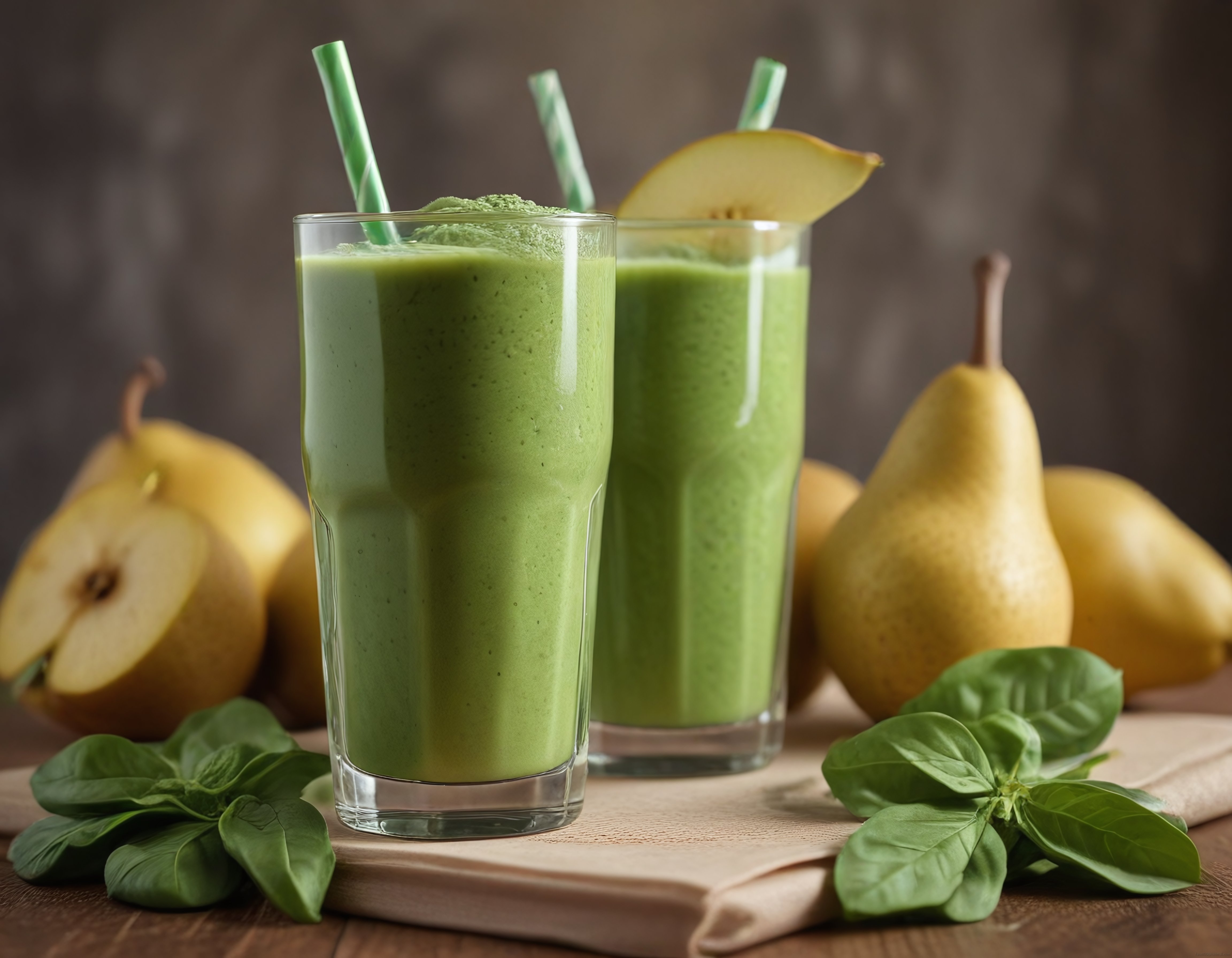
Çekim Tablosu
Belirtme (-i)armudu
Yönelme (-e)armuda
Bulunma (-de)armutta
Çıkma (-den)armuttan
Tamlayan (-in)armudun
Çoğul (-ler)armutlar
Tanım
•isim, bitki bilimi: Gülgillerden, çiçekleri beyaz, Türkiye'nin her yerinde yetişen bir ağaç (Pyrus communis)
•bitki bilimi: Bu ağacın tatlı ve sulu, yumuşak, ufak çekirdekli meyvesi
•armut koltuk
•sıfat, argo: Çok bön, çok aptal
Diğer Dillerde
pear · lightbulb · head, bonce, noggin
çekim: çoğul Birnen · tamlayan Birnen
eş: Birnbaum, Kopf, Glühlampe
köken: From Middle High German bire, bir, from Old High German bira, pira, from Vulgar Latin pira, reanalysis of the plural of Latin pirum. Early Modern German birn is from the Middle High German plural and dative/genitive singular, whence a double plural birnen was formed. The contemporary Birne is a new backformation from this plural (perhaps influenced also by the older, still dialectal form bire).…
aile: Abbruchbirne, Abrissbirne, birnenförmig, Birnenkompott, Birnenmus, Birnensaft, Birnenschnaps, Birnensorte, Butterbirne, Erdbirne
Die Birnen sind heute preiswert. — Bugün armut ucuz.
pear · mug, sucker, soft touch · mush, face
çekim: çoğul poires
eş: visage
köken: Inherited from Old French peire, from Vulgar Latin *pira, from the plural of Latin pirum, considered as a feminine singular.
aile: bonne poire, comparer des pommes et des poires, couper la poire en deux, entre la poire et le fromage, garder une poire pour la soif, ne pas promettre poires molles, poiré, poire à lavement, poire belle Hélène, poire d'angoisse
le roi de Jarmuth, un; le roi de Lakis, un; — Yarmut Kralı, Lakiş Kralı,
en pleine poire
se payer la poire de quelqu'un
pear · speed bag · chin
çekim: çoğul peras
eş: barbilla, mentón, Pecho, teta
köken: Inherited from Old Spanish pera, from Vulgar Latin *pira, from the plural of Latin pirum, reanalyzed as a feminine singular.
aile: de uvas a peras, del año de la pera, más sano que una pera, partir peras, pedir peras al olmo, pera de agua, pera en dulce, peras y manzanas, perilla, sumar peras con manzanas
Krüstchen - Una especie de empanado de carne. — Hebil- Bir çeşit armut.
İtalyancapera (dişil) /ˈpe.ra/
pear (the fruit) · fix (dose of drug)
çekim: çoğul pere
eş: testa, capo, zucca, capoccia, buco
köken: From Vulgar Latin *pira, from the plural of Latin pirum, reanalyzed as a feminine singular.
il re di Iarmut, uno; il re di Lachis, uno — Yarmut Kralı, Lakiş Kralı,
farsi una pera
Rusçaгруша, идиот, простофиля (dişil) /ˈɡruʂə/
pear (fruit or tree) · punching bag (boxing equipment of such shape)
çekim: çoğul гру́ши · tamlayan гру́ши
köken: Inherited from Proto-Slavic *gruša, a variant of *kruša.
aile: груша́нка, грушо́вка, грушеви́дный, земляна́я гру́ша, окола́чивать гру́ши, трясти́ как гру́шу, Riddles, виси́т гру́ша, нельзя́ ску́шать, муж, объе́лся груш
Наши славные земляки. — Armutlu'lu mülteciler.
Когда́ я верну́лся домо́й, Зинаи́да Фёдоровна лежа́ла в гости́ной на софе́ и е́ла гру́шу.
Arapçaإِجَّاص, كُمَّثْرَى
هذه حبة اجاص — Bu bir armut.
pear · guava
köken: From Middle Persian [Book Pahlavi needed] (/umrōd/, /ambrōd/, /umbrōd/, /anbarōt/), Old Persian [script needed] (*umrūta), ultimately from a Caucasian substrate. Compare Elamite 𒌝𒊒𒁕 (/umruda, umruta/, “pear”), Central Kurdish ھەرمێ (hermê, “pear”), Northern Luri مرۏ (merö).
Azericearmud, armud ağacı
pear
çekim: çoğul armudlar · tamlayan armudun
köken: From Persian ارمود (armud), امرود (amrud).
Kazakçaалмұрт
pear, Pyrus
çekim: çoğul алмұрттар · tamlayan алмұрттың
köken: From Classical Persian آلْمُرود (āl-murōd, “red pear”).
pear
çekim: çoğul noklar · tamlayan nokning
köken: Borrowed from Classical Persian ناک (nāk).
Felemenkçepeer (dişil) /peːr/
a pear, a fruit of the pear tree · a light bulb
çekim: çoğul peren
köken: From Middle Dutch pēre, from Vulgar Latin *pira, from Latin pirum.
aile: handpeer, heerlie de peerlie, muilpeer, perensap, perentaart, perenwijn, stoofpeer
Het zijn gloriejaren. — Armutlu'lu mülteciler.
De supermarkt verkoopt heerlijke peren van lokale boomgaarden.
Ik heb een sappige rijpe peer voor mijn lunch.
Het oude peertje in de lamp is kapot, we moeten het vervangen.
Portekizcepereira (dişil) /peˈɾe(j).ɾɐ/
pear tree
çekim: çoğul pereiras
köken: From pera (“pear”) + -eira.
Amarante Casa da Calçada — Sürmene, Armutlu mahallesi
pear (fruit)
çekim: çoğul αχλάδια · tamlayan αχλαδιού
eş: απίδι, αχλάδα
köken: From Byzantine Greek ἀχλάδιον (akhládion) < ἀχλάδα (akhláda), from Koine Greek ἀχλάς (akhlás), from Ancient Greek ἀχράς (akhrás).
Δημότες του Ικαρίου. — Armutlu'lu mülteciler.
Korece(식물) 배
평양의 유복한 가문 출신이다. — Armutlu'lu mülteciler.
İsveççepära, päron, päronträd (nötr) /²pæːra/
a pear · a potato
çekim: çoğul päron · tamlayan päras
Örgryte IS - Lyckans Soldater. — Armutlu'lu mülteciler.
Ni skall få fläsk och päron.
pear tree
çekim: çoğul grusze · tamlayan gruszy
eş: wczasy pod gruszą, wczasy pod gruszą
köken: Etymology tree Proto-Slavic *kruša/*gruša Polish grusza Inherited from Proto-Slavic *kruša/*gruša.
aile: gruszowy
Król Jerymot jeden; król Lachys jeden. — Yarmut Kralı, Lakiş Kralı,
Hintçeनाशपाती (dişil) /nɑːʃ.pɑː.t̪iː/
pear
çekim: çoğul नाशपातियाँ
köken: Borrowed from Classical Persian ناشپاتی (nāšpātī). Compare Punjabi ਨਾਸ਼ਪਾਤੀ (nāśpātī), Bengali নাশপাতি (naśpati).
Fincepäärynä, päärynäpuu /ˈpæːrynæ/
pear (fruit) · pear (tree) · barrel (part of a clarinet which connects the mouthpiece and upper joint)
çekim: çoğul päärynät · tamlayan päärynän
köken: Borrowed from Swedish päron. Doublet of peruna, an older borrowing. First attested in 1750 as maapäärynä (“potato”, literally “ground pear”), and first in the current sense in 1776 (in päärynäpuu (“pear tree”)). Compare Karelian piärynä.
aile: päärynäinen, päärynäjogurtti, päärynäjäätelö, päärynälihavuus, päärynälimonadi, päärynämehu, päärynämeloni, päärynänpuolikas, päärynäpallo, päärynäpirtelö
Jarmutin kuningas yksi, Laakiin kuningas yksi, — Yarmut Kralı, Lakiş Kralı,
Çekçehruška (dişil) /ˈɦruʃka/
pear (fruit) · pear (tree)
çekim: çoğul hrušky · tamlayan hrušky
eş: hruštička, žlutka, baňka, hnilička, máslovka, kamenice
köken: Inherited from Old Czech hruška, diminutive of hrušě, from Proto-Slavic *gruša.
"Velcí" těšínští Piastovci. — Armutlu'lu mülteciler.
hair
çekim: çoğul peri · tamlayan părului
köken: Inherited from Latin pilus, from Proto-Indo-European *pil-.
aile: perișor, părui, păruț
împăratul Iarmutului, unul; împăratul din Lachis, unul; — Yarmut Kralı, Lakiş Kralı,
pear (edible fruit similar to an apple but elongated towards the stem) · pear tree (Pyrus communis, a type of fruit tree producing pears) · pearwood (the wood of the pear tree)
çekim: çoğul körték
köken: Derived from the earlier form körtvély, probably borrowed from a Turkic language, compare Crimean Tatar kertme (“pear”).
aile: birskörte, körtefa, vadkörte, villanykörte, vilmoskörte
Jármutnak királya egy, Lákisnak királya egy; — Yarmut Kralı, Lakiş Kralı,
A körte húsa fehér, nagyon leveses, aromatikus, ízletes.
Ami azt jelenti, hogy már az idén mintegy 35-36 hold téli körtét akarunk ültetni.
S akkor miből szerezném be a nemes faanyagot: vadcseresznyét, tölgyet, körtét?
İbraniceאַגָּס
מלך ירמות אחד מלך לכיש אחד׃ — Yarmut Kralı, Lakiş Kralı,
a pear (fruit)
çekim: çoğul pira · tamlayan pirī
köken: * Per De Vaan a loanword from an unknown Mediterranean substrate source, original form something like (a)pisom reflected also in Ancient Greek ᾰ̓́πῐον (ắpĭon, “pear”) and ᾰ̓́πῐος (ắpĭos, “pear tree”). Also compare Aramaic 𐡐𐡀𐡓𐡀 (pera, “fruit”). * Per Trubachyov ultimately from Proto-Indo-European *peys-, akin to Latin pinsō, pistus, Proto-Slavic *pьšeno (whence Russian пшено́ (pšenó)). Compare…
aile: perula, pirācium, pirārius, pirifōrmis
Si in pirum silvaticam inserueris pirum quamvis bonam, non fore tam iucundam, quam si in eam quae silvestris non sit.
Dancapære (nötr)
pear · light bulb · intellect
çekim: çoğul pærer · tamlayan pæres
köken: From Old Norse pera, from Latin pirum.
aile: clarafrijspære, elpære, glødepære, gråpære, halogenpære, LED-pære, lyspære, pærestykke, pæretræ, pæretærte
Granatæble – en frugt. — Hebil- Bir çeşit armut.
Prøv at bruge pæren en gang imellem!
Norveççepæretre
Møtes av jublende folkemengder. — Armutlu'lu mülteciler.
Endonezcepir /ˈpir/
pear
çekim: çoğul pir-pir
köken: Borrowed from Dutch peer (“pear”), from Middle Dutch pēre, from Vulgar Latin *pira, from Latin pirum.
Buah pir dikeringkan menjadi berbentuk alat kelamin. — Armutlar genital organlar şeklinde kurudular.
Etimoloji
Osmanlı Türkçesi آرمود, Farsça امرود.
Eş & Zıt Anlamlılar
Eş anlamlılar
Örnek Cümleler
Hey, Armut.
-What?
Armut yaptı.
-Pear did it.
Bu bir armut.
This is a pear.
O armut yiyor.
She's eating a pear.
Armut ne kadar?
How much are the pears?
Bu armut yeşil.
This pear is green.
Ben armut yerim.
I eat pears.
Bu armut yeşildir.
This pear is green.
Armut değilim ben.
-That's not my brother.
Bu armut yeşil mi?
Is this pear green?
Bir armut yiyorum.
I'm eating a pear.
Armut sever misin?
Do you like pears?
İlgili / Bileşik Terimler
Genelpear tree
Genelpear tree
Genelapple does not fall far from tree
Birleşik Kelimeler
armut kabağıarmut koltukarmut topakçaarmutAmerikan armudubey armuduçakal armududağ armududeveci armuduHint armuduJapon armuduyaban armudu