şarap
/ʃaˈɾap/
noun
A2 seviye
TR → EN
"şarap" kelimesinin İngilizcesi: wine, wine, cobbler, shrub, wine. Anlamı, çevirisi, telaffuzu ve örnek cümleler aşağıdadır.
Çeviri
Genelwinenoun
Genelwine
Genelcobbler
Genelshrub
Genelwine
Genelwine
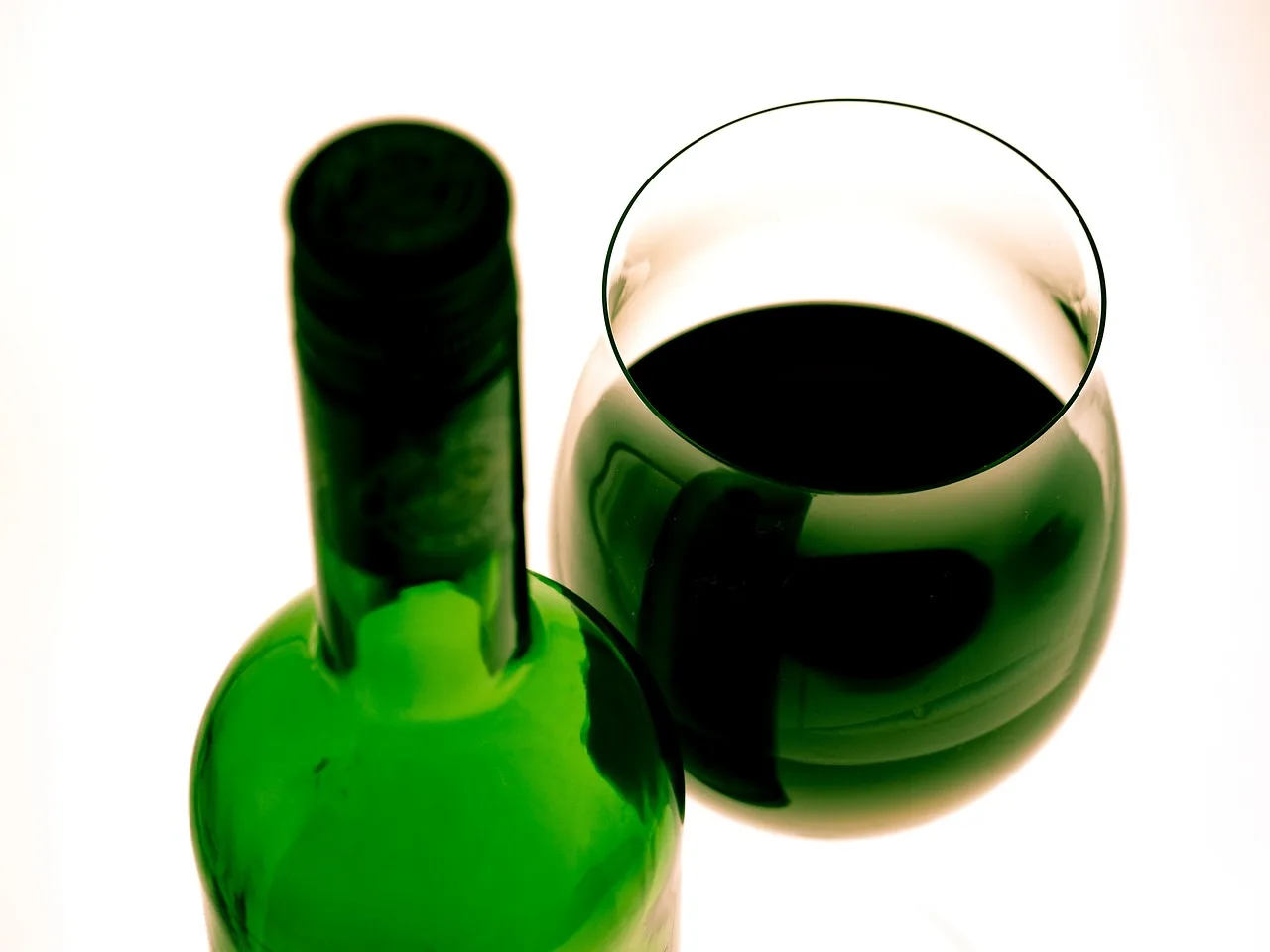
Görsel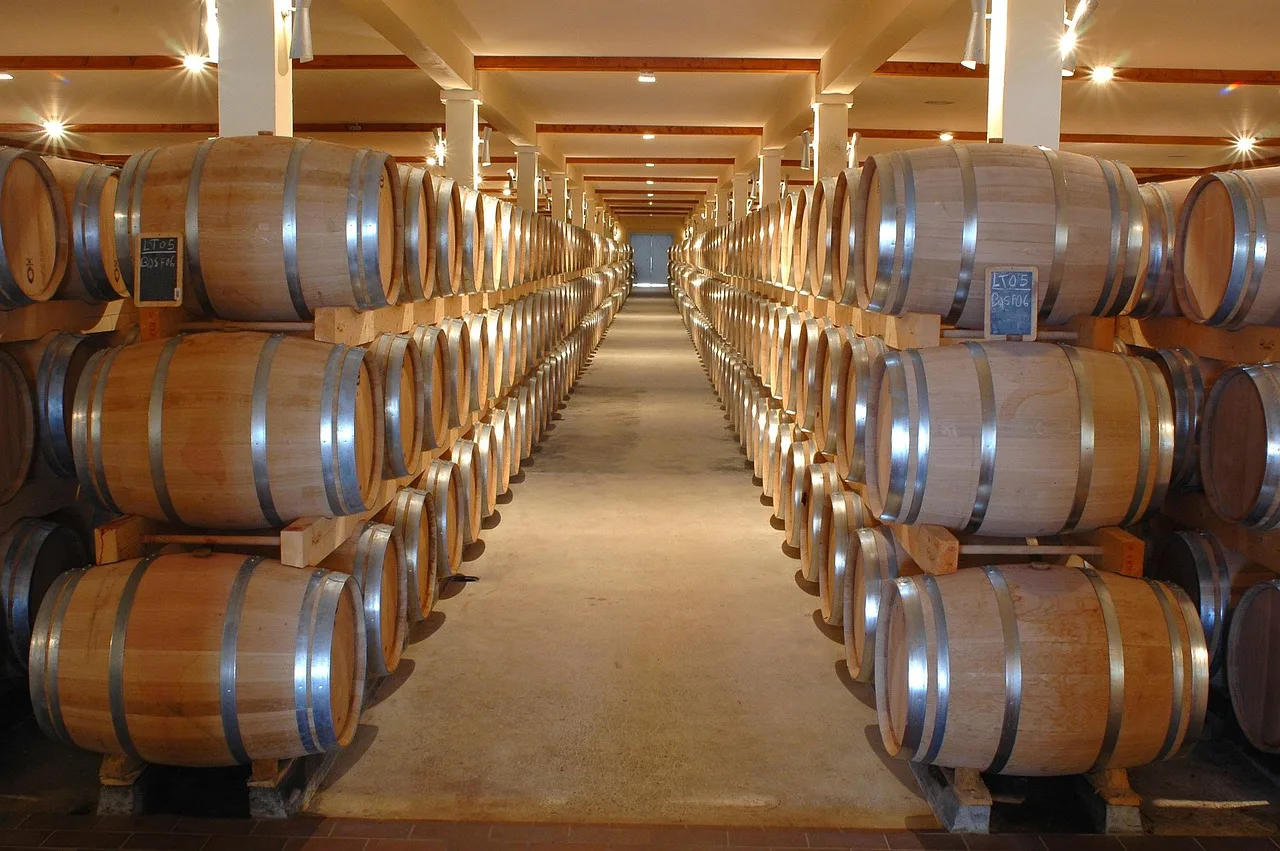

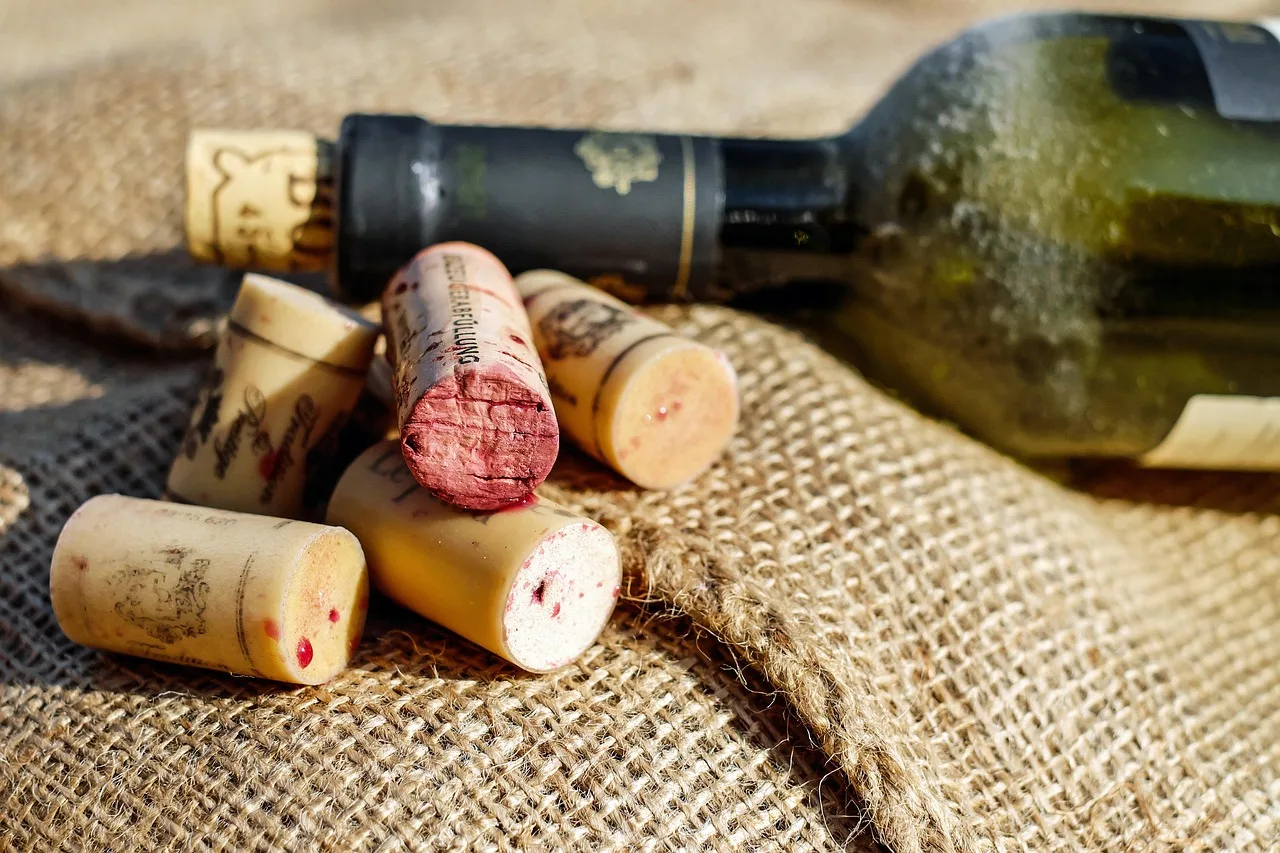
Çekim Tablosu
Belirtme (-i)şarabı
Yönelme (-e)şaraba
Bulunma (-de)şarapta
Çıkma (-den)şaraptan
Tamlayan (-in)şarabın
Çoğul (-ler)şaraplar
Tanım
•isim: Üzüm veya başka meyve sularını türlü yöntemlerle mayalandırarak elde edilen alkollü içki; bade, çakır (II), mey (I), mül
Diğer Dillerde
AlmancaAuflauf, Bulle, Flickschuster, Flickschusterin, Fruchtpastete, mit Wein traktieren (eril) /ˈʔaʊ̯fˌlaʊ̯f/
crowd · cobbler (sweet baked dish) · (typically layered) baked dish or casserole (for example, a gratin)
çekim: çoğul Aufläufe · tamlayan Auflaufes
eş: Menschenauflauf, Gratin
köken: From Middle High German ūflouf. By surface analysis, deverbal from auflaufen.
aile: Auflaufform
Weißwein — Beyaz Şarap
wine
çekim: çoğul vins
eş: gibolin, pivois, pinard, purée septembrale
köken: Inherited from Middle French vin, from Old French vin, from Latin vīnum, from Proto-Italic *wīnom, from Proto-Indo-European *wóyh₁nom.
aile: à bon vin point d'enseigne, aviner, boire le vin de l'étrier, cave à vin, coq au vin, marchand de vin, mettre de l'eau dans son vin, pointe de vin, quand le vin est tiré, il faut le boire, sac à vin
Vin blanc — Beyaz Şarap
İspanyolcabeber, dolaje, duelaje, morapio, mostagán, pitarra (homebrewed) /beˈbeɾ/
to drink · to draw from (to be inspired by)
çekim: geçmiş bebí · ortaç bebido · şimdiki bebe
eş: tomar, chupar, libar, chupar, tomar, brindar
köken: From Old Spanish bever, inherited from Latin bibere, bibō, from Proto-Italic *pibō, from Proto-Indo-European *píph₃eti. Cognate with Portuguese beber, Italian bere, French boire, Romanian bea. The modern spelling with intervocalic ⟨b⟩ replacing medieval ⟨v⟩ is due to Latin influence.
aile: agua que no has de beber, déjala correr, bebedero, bebedizo, beber a chorro, beber a gollete, beber a morro, beber como un cosaco, beber como un pez, beber con guindas, beber los vientos
¿Vino? — Şarap mı?
Voy a beberme un vaso de agua
Su narrativa bebe de lo personal
İtalyancavino (eril) /ˈvi.no/
wine (an alcoholic beverage made by fermenting grape juice, with an ABV ranging from 5.5–16%)
çekim: çoğul vini
köken: Inherited from Latin vīnum, from Proto-Italic *wīnom, from Proto-Indo-European *wéyh₁nom, derived from *wéyh₁ō (“vine, wine”). Cognates include Albanian verë, Armenian գինի (gini) and Greek οίνος (oínos).
Vino bianco — Beyaz Şarap
Vino e olio caratterizzano la genuina e saporita cucina chiantigiana.
Il vino, secondo Isac, da buon nutrimento, e rende santà al corpo
e, se non basta ciò, lui pur convene vino e carne lassare, caldo e troppo mangiare e astener, quanto poder sostene, di materia. […]
Rusçaвино (nötr) /vʲɪˈno/
wine · any strong alcoholic beverage (especially vodka)
çekim: çoğul ви́на · tamlayan вина́
eş: хлебное вино, водка
köken: Inherited from Old East Slavic вино́ (vinó), from Proto-Slavic *vīnò, from Latin vīnum.
aile: виноде́л, виноде́лие, виноде́льня, виноде́льческий, виноку́р, виноте́ка, виноторго́вец, виноторго́вля
Как вам это удалось? — Şarap mı?
Я отказа́лся от вина́, и меня́ угости́ли лимона́дом.
Arapçaإِسْكَاف, خمر, خَمُر, خَمْر, خمرة, شَرَاب (dişil)
to cover, to hide, to conceal; to veil, to screen, to shroud · to brew, to ferment, to leaven, to cause to rise chemically · to give or serve wine to
çekim: geçmiş خَمَرْتُ
بسبب التفجير الانتحاري: أنها شظايا بشرية. — İnsan şarapneli.
Farsçaبادِه, شَراب, کفاش, مِی /kaf.ˈfaːʃ/
shoemaker; cobbler
çekim: çoğul کفاشان
köken: Pseudo-Arabism from کفش (kafš, “shoe”), using the Arabic pattern فَعّال (faʕʕāl), which creates words for habitual actions and professions. Compare عکاس ('akkâs, “photographer”).
wine
çekim: çoğul çaxırlar · tamlayan çaxırın
köken: Cognate with Kipchak čager (“wine”) (attested in Codex Cumanicus), Turkmen çakyr (“wine”), archaic Turkish çakır (“wine”), modern Turkish çakırkeyif (“half drunk”).
Kazakçaшарап
wine
çekim: çoğul шараптар · tamlayan шараптың
köken: From Persian شراب (šarâb), from Arabic شَرَاب (šarāb).
aile: шарапхана, шарапшы, шарапшылық
Özbekçeboda, may, sharob
Tatarcaшәраб
Felemenkçewijn (eril) /ʋɛi̯n/
wine (an alcoholic beverage produced by a certain fermentation procedure; unless otherwise specified or indicated by context, made from grapes)
çekim: çoğul wijnen
köken: From Middle Dutch wijn, from Old Dutch wīn, from Proto-West Germanic *wīn, from Latin vīnum.
aile: aperitiefwijn, appelwijn, bewaarwijn, bier na wijn geeft venijn, bloedwijn, brandewijn, bubbelwijn, dadelwijn, dessertwijn, klare wijn schenken
Witte wijn — Beyaz Şarap
Ze genoten van een glas rode wijn bij het diner.
Deze wijn komt uit Frankrijk en staat bekend om zijn kwaliteit.
Hij heeft een mooie collectie wijnen in zijn wijnkelder.
Portekizcevinho (eril) /ˈvĩ.ɲu/
wine
çekim: çoğul vinhos
köken: Inherited from Old Galician-Portuguese vinho, from Latin vīnum (compare Galician viño, Spanish and Italian vino, Catalan vi, French and Romanian vin, and English wine), from Proto-Italic *wīnom, from Proto-Indo-European *wóyh₁nom.
aile: vin-d'alho, vinháceo, vinhedo, vinho branco, vinho corrente, vinho da casa, vinho de consumo, vinho tinto, vinho verde
Vinho Branco — Beyaz Şarap
Yunanca-χρουν, ϝοῖνος, κρασί, οίνος, οινόχρουν, παπουτσής (nötr) /kɾaˈsi/
wine
çekim: çoğul κρασιά · tamlayan κρασιού
köken: From Byzantine Greek κρασίον (krasíon, “blending”, diminutive), from Ancient Greek κρᾶσις (krâsis, “blending”), literally because in ancient Greece wine was usually drunk mixed with water. Compare with οίνος m (oínos). Cognate with Mariupol Greek красы́ (krasý) and Sicilian crascì.
aile: αφρώδες κρασί, βάζω νερό στο κρασί μου, γλυκό κρασί, ένα κιλό κρασί, καλά κρασιά, κόκκινο κρασί, λευκό κρασί, λίστα των κρασιών, μηλόκρασο, μισό κιλό κρασί
Καλό κρασί. — Güzel şarap.
Japoncaワイン。
彼女は10年後 15年後でも — İnsan şarapneli.
Çinceпутоҗю, 果酒 /ku̯ɔ²¹⁴⁻³⁵ t͡ɕi̯oʊ̯²¹⁴⁻²¹⁽⁴⁾/
fruit wine
eş: 水果酒, 果子酒
以產葡萄酒聞名。 — Şaraplarıyla ünlüdür.
Korece포도주 /pʰo̞do̞d͡ʑu/
wine
eş: 와인
köken: Sino-Korean word from 葡萄酒, from 葡萄 (“grape”) + 酒 (“alcohol”).
aile: 포도주색(葡萄酒色)
분입니다 : 인간 파편에 의해 그렇게 된 것입니다. — İnsan şarapneli.
İsveççeaina, dricka vin, kobbel, skoflickare, skomakare, skomakerska
the police (collectively)
köken: Clipping of Turkish aynasız (“police”), from ayna (“mirror”) + -sız (“-less”). Of uncertain origin; see the Turkish main entry.
Vitvin — Beyaz Şarap
Aina kommer!
Är du aina?
Abow, aina igen, jao!
Lehçebrukarz, gliniarz, łatacz, niezdara, ostatnia owca do strzyżenia, panga indyjska (eril) /ˈbru.kaʂ/
paver (person who lays pavement)
çekim: çoğul brukarze · tamlayan brukarza
köken: Etymology tree Polish bruk Polish -arz Polish brukarz From bruk + -arz.
Białe wino — Beyaz Şarap
shoemaker, cobbler
çekim: çoğul чоботарі́ · tamlayan чоботаря́
köken: From чо́біт (čóbit) + -а́р (-ár).
Біле вино — Beyaz Şarap
tanner; cobbler · chamar (person of low standing)
çekim: çoğul चमारों
köken: Inherited from Prakrit चम्मार (cammāra), चम्मआर (cammaāra), from older चम्मकार (cammakāra), from Sanskrit चर्मकार (carmakāra). Doublet of चर्मकार (carmakār).
çekim: çoğul jeparit · tamlayan jeparin
köken: Possibly jeppe + -ari
Valkoviini — Beyaz Şarap
Çekçevíno (nötr) /ˈviːno/
wine
çekim: çoğul vína · tamlayan vína
eş: čučo, sklenice, sklenka, sklenička, láhev, flaška
köken: Inherited from Old Czech víno, from Proto-Slavic *vino, borrowed from Latin vīnum, from Proto-Indo-European *wóyh₁nom.
aile: vinný, vinař, vinárna, vinice, vinobraní, vínečko, víničko, víníčko, vínko, kázat vodu a pít víno
Bílé víno — Beyaz Şarap
Rumencecaldarâmgiu, ciubotar, cizmar, pantofar (eril) /kal.da.rɨmˈd͡ʒiw/
paver, cobbler
çekim: çoğul caldarâmgii · tamlayan caldarâmgiului
köken: Borrowed from Ottoman Turkish قالديريمجي (kaldırımcı), analyzable as caldarâm + -giu.
Filmele mele — Kırmızı Şarap
Macarcabor, borozgat, borvörös, cipész, fakabát, iddogál /ˈbor/
wine (an alcoholic beverage made by fermenting the juice of grapes) · wine (an alcoholic beverage made by fermenting the juice of fruits or vegetables other than grapes, usually preceded by the type of the fruit or vegetable) · wine (intoxication caused by wine)
çekim: çoğul borok
köken: From a Turkic language before the times of the Hungarian conquest of the Carpathian Basin (at the turn of the 9th and 10th centuries). Compare Old Uyghur 𐽼𐽳𐽾 (bor, “wine”), ultimately from Middle Persian bōr (“reddish-brown”), from Proto-Indo-European *bʰerH- (“brown”). Compare Ossetian бур (bur, “yellow”), Northern Kurdish bor (“grey”).
aile: borász, borászat, boros, boroz, borozik, borárus, borbetegség, borecet, borexport, borértékesítés
Fehér bor — Beyaz Şarap
A bor beszél belőle.
İbraniceחמר \ חֶמֶר, יין \ יַיִן
.היין הזה מצוין — Şarap mükemmel.
LatinceBacchi humor, calceātor, calceātrīx, calciātor, calciātrīx, merum /ˈmɛ.rũː/
pure wine, wine unmixed with water, neat wine
çekim: çoğul mera · tamlayan merī
köken: From neuter substantive of merus (“pure”).
aile: merulentus
Prōtinus errātīs laetī vēscuntur in agrīs
Dancabrolægger, klamphugger, skoflikker, skomager /skɔmar/
shoemaker
çekim: çoğul skomagere · tamlayan skomagers
köken: sko (“shoe”) + -mager (“maker”), from Old Norse skómakari, from Middle Low German schomaker.
Hvidvin — Beyaz Şarap
Etimoloji
Osmanlı Türkçesi شراب sözcüğünden devralındı, Arapça شَرَاب (şarāb).
Eş & Zıt Anlamlılar
Örnek Cümlelerşarap ile daha fazla örnek cümle →
Şarap ?
Wine?
Şarap mı?
Wine?
Beyaz Şarap
White Wine
Şarap içmem.
I don't drink wine.
Bu şarap mı?
Is this wine?
Şarap getir.
Bring wine.
Güzel şarap.
Good wine.
Şarap içemem.
I am not able to drink wine.
Şarap iyidir.
The wine is good.
O aynı şarap.
It's the same wine.
Şarap var mı?
Is there wine?
Kırmızı Şarap
Red Wine
İlgili Sorular
İlgili / Bileşik Terimler
Genelwine glass
Genelwine bottle
Genelwine glass
Genelwine bottle