Sözlük
/çorap
çorap
/t͡ʃoˈɾap/
noun
C1 seviye
TR → EN
"çorap" kelimesinin İngilizcesi: sock, stocking, sock, stocking. Anlamı, çevirisi, telaffuzu ve örnek cümleler aşağıdadır.
Çeviri
Genelsocknoun
Genelstockingnoun
Genelsock
Genelstocking
Görsel
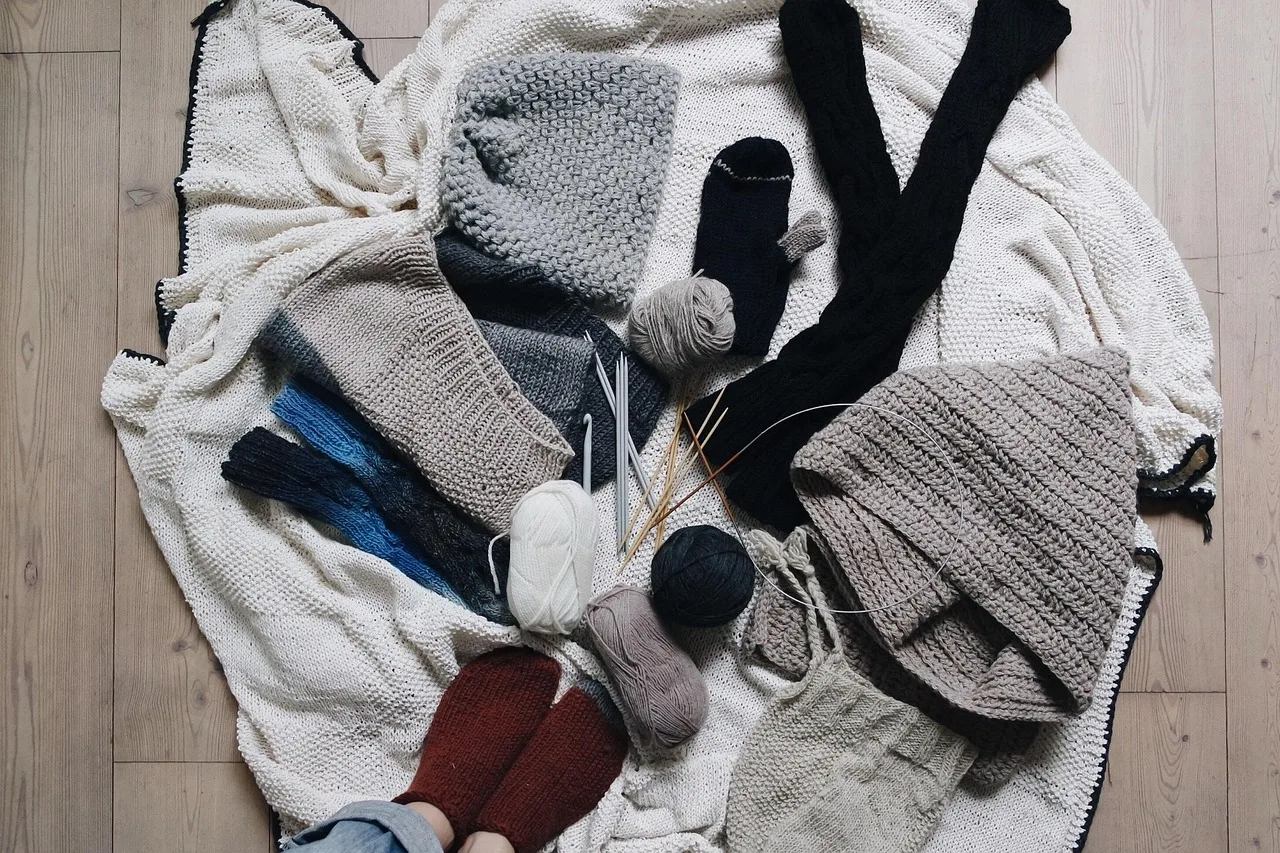
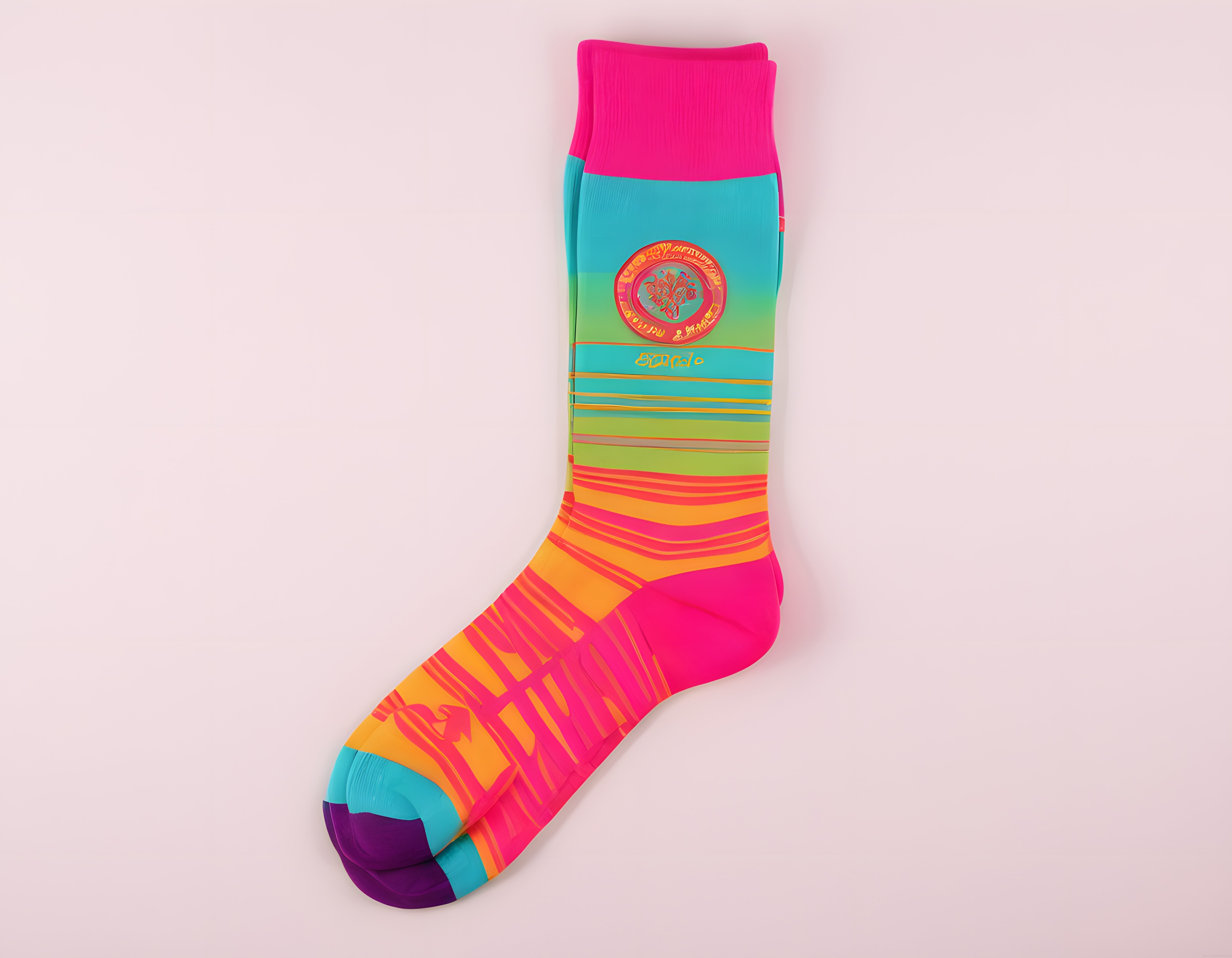
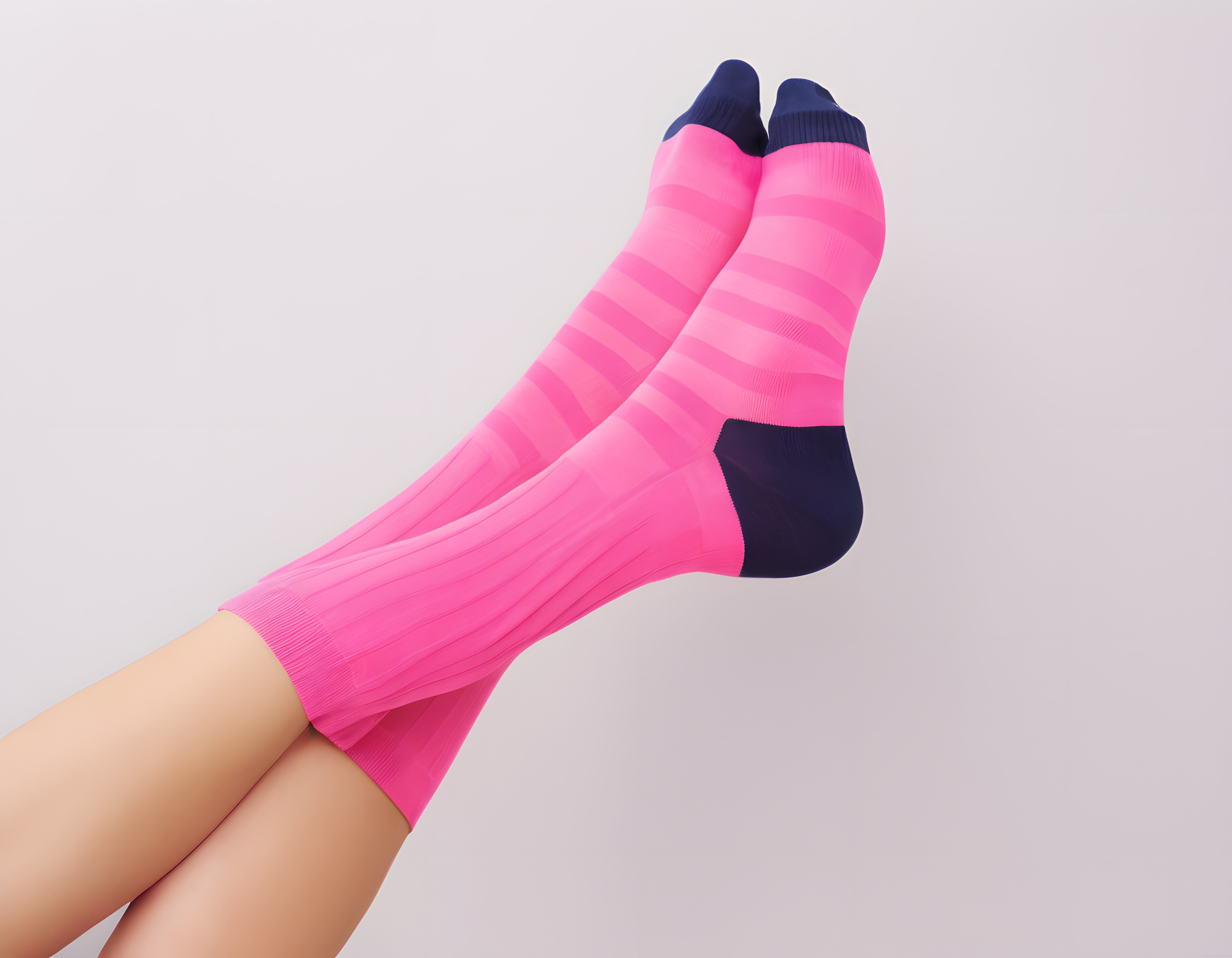
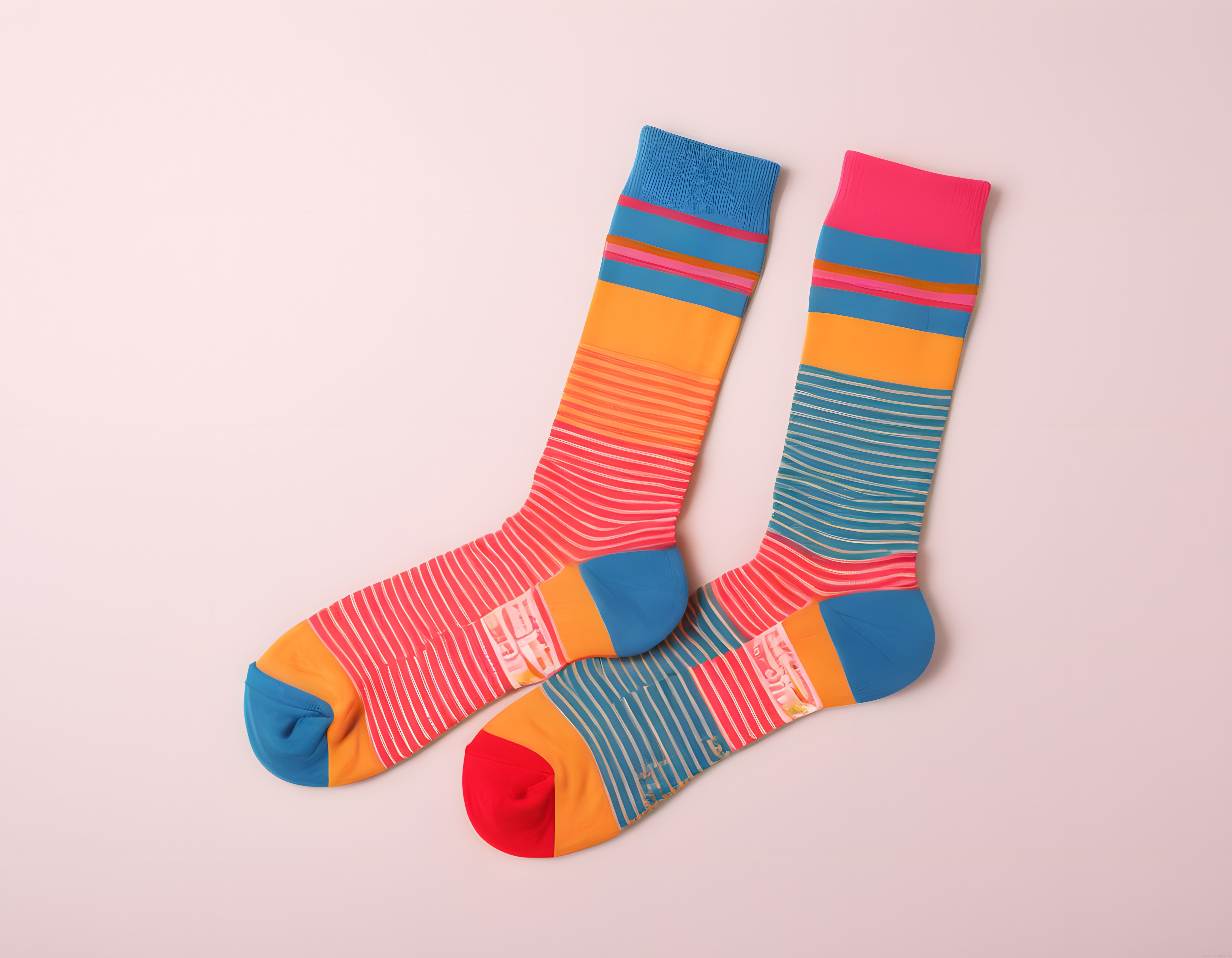
Çekim Tablosu
Belirtme (-i)çorabı
Yönelme (-e)çoraba
Bulunma (-de)çorapta
Çıkma (-den)çoraptan
Tamlayan (-in)çorabın
Çoğul (-ler)çoraplar
Tanım
•pamuk, yün vb.nden örülen, ayağa giyilen giyecek
•Pamuk, yün ve benzerinden örülen, ayağa giyilen giyecek
Diğer Dillerde
Almancastrumpf (eril) /ʃtʁʊm(p)f/
stocking; hose (women’s undergarment covering the foot, the lower leg, and part of the thigh) · stocking (long sock covering the foot and the lower leg) · sock
çekim: çoğul Strümpfe · tamlayan Strumpfes
eş: Glühstrumpf
köken: From Middle High German strumpf, from Proto-Germanic *strumpaz (“stem, stalk”). The semantic shift from "stalk, stump" to "leg clothing" came about as a result of a fashion development, where originally one-piece leg garments were separated into two parts, the trousers and the socks. The socks were interpreted as the "stump", i.e. the remainder of the leg garment. Related to stramm and strampeln.
aile: bestrumpft, Glühstrumpf, Strumpfgürtel, Strumpfhose, Strumpfloch
Netzstrumpfhosen. — File çorap.
FransızcaChaussette (dişil) /ʃo.sɛt/
sock · woman's or child's sock
çekim: çoğul chaussettes
eş: fromegomme, fromestock, fumante, fumeron, renifleuse, bas
köken: From chausse + -ette. Compare Occitan cauceta, Catalan calceta.
aile: avoir le moral dans les chaussettes, jus de chaussette
Les bas résille. — File çorap.
İspanyolcacalceta, calcetín, media, soquete (dişil) /kalˈθeta/
stocking
çekim: çoğul calcetas
eş: punto
köken: From calza + -eta. Compare French chaussette.
aile: calcetar, hacer calceta
Fueron las medias. — File çorap.
sock · stocking
çekim: çoğul calze
eş: calzerotto, calzino, pedalino, collant, gambaletto
köken: Inherited from Early Medieval Latin calcea, from Latin calceus (“shoe”).
aile: calzamaglia, calzetta, calzettone, calzificio, calzino
Calze a rete. — File çorap.
Rusçaчулок, носок
Это были сетчатые чулки. — File çorap.
Arapçaجَوْرَب
انها جوارب شبكة صيد السمك — File çorap.
sock, stocking
çekim: çoğul ұйықтар · tamlayan ұйықтың
köken: Inherited from Proto-Turkic *uguk (“some form of legwear, prob. felt gaiters or leggings”). Cognate with Tuvan ук (uk, “stocking”), Tatar оек (oyıq).
Özbekçenoski, paypoq
Tatarcaоекбаш
Felemenkçesok, kous
Netpanty's. — File çorap.
feminine singular of meio
çekim: çoğul meias
köken: See the etymology of the corresponding lemma form.
Foram as meias de rede. — File çorap.
*Estou meia cansada.
Yunancaγροθιά, κάλτσα, περιπόδιο (dişil) /ɣɾoˈθça/
fist (a hand with the fingers clenched or curled inward) · punch, blow
çekim: çoğul γροθιές · tamlayan γροθιάς
köken: From Koine Greek γρόνθος (grónthos) + -ιά (-iá).
Τα δικτυωτά καλσόν. — File çorap.
stocking (garment)
köken: Borrowed from English stocking.
aile: パンティストッキング
ジェニファー・バウムガードナーが身に付けていて — File çorap.
stocking
eş: 양말
köken: From English stocking. Doublet of 스토킹 (seutoking).
망사 스타킹이었죠. — File çorap.
a sock (especially a thicker or shorter one – compare strumpa)
çekim: çoğul sockor · tamlayan sockas
köken: From Old Norse sokkr, from Latin soccus (“slipper”), from Ancient Greek σύκχος (súkkhos, “a kind of shoe”), probably from Phrygian or another language from Asia Minor.
aile: raggsocka, sock
"Mina strumpor blir hårdare. — "Benim çorap daralıyor.
Lehçepończocha, skarpeta, skarpetka (dişil) /pɔɲˈt͡ʂɔ.xa/
stocking (thin elastic garments covering the leg)
çekim: çoğul pończochy · tamlayan pończochy
köken: Borrowed from Czech punčocha, from Middle High German puntschuoch, buntschuoch. Compare German Bundschuh.
aile: pończochowy, pończoszarka, pończoszarnia, pończoszarz, pończoszniczka, pończosznik
Kabaretki. — File çorap.
Ukraynacaпанчо́ха, шкарпе́тка
- Ажурні панчохи. — File çorap.
Hintçeमोज़ा (eril) /moː.zɑː/
a sock, stocking
çekim: çoğul मोज़े
köken: Borrowed from Classical Persian موزه (mōza). Compare Assamese মোজা (müza), Bengali মোজা (mōja), Gujarati મોજું (mojũ), Marathi मोजा (mojā), Nepali मोजा (mojā). Doublet of मोची (mocī).
hit, blow (act of striking or hitting) · impact (striking of one body against another, particularly a fast-moving body against something else) · attack, strike, raid
çekim: çoğul iskut · tamlayan iskun
köken: iskeä (“to hit, strike”) + -u
aile: iskullinen, iskuttaa, armonisku, autoisku, ensi-isku, harhaisku, ilmaisku, iskuaalto, iskuala, iskuenergia
Rankkareita ja mustia sukkia. — "Siyah Çoraplılar".
Çekçefusekle, ponožka, punčocha (dişil) /ˈfusɛklɛ/
sock (covering for the foot)
çekim: çoğul fuseklí · tamlayan fuseklí
eş: fuska, ponožka
köken: Borrowed from Silesian East Central German Fußsäckl.
- 80 párů vlněných ponožek. — -80 çift yün çorap.
sock (covering for the foot) · stocking
çekim: çoğul ciorapi · tamlayan ciorapului
köken: Borrowed from Ottoman Turkish چوراب (çorap), from Classical Persian جوراب (jōrāb).
Ciorapii de plasă. — File çorap.
Macarcafuszekli, harisnya, zokni /ˈfusɛkli/
sock (covering for the foot, worn by men, held up with a sock suspender strapped to the leg under the knee)
çekim: çoğul fuszeklik
köken: First attested in 1788. Borrowed from German Fußsocke. Suffixed with -i to resolve the word-final consonant cluster, compare cetli from Bavarian zettl or German Zettel (/ˈt͡sɛtl̩/) etc.
aile: fuszeklis
A neccharisnya. — File çorap.
İbraniceגֶּרֶב, פֻּזְמָק
גרביוני רשת. — File çorap.
sock
çekim: çoğul sokker · tamlayan soks
köken: From Old Norse sokkr.
"Mine strømper bliver strammere. — "Benim çorap daralıyor.
Endonezcekaus kaki, setoking, stoking /ˈkaʊs ˈkaki/
sock: a knitted or woven covering for the foot
çekim: çoğul kaus-kaus kaki
köken: Compound of kaus + kaki, calque of Dutch kousenvoet.
Stoking jala. — File çorap.
sock (covering for the foot) · stocking
köken: Non-Sino-Vietnamese reading of Chinese 蔽膝 (“ancient knee covering”, SV: tế tất). The obsolete form bí tất is also attested. The "intrusive" ‹-t› in the first syllable occurred in anticipation of the ‹t-› in tất.
Tất lưới. — File çorap.
đôi bít tất
Etimoloji
Osmanlı Türkçesi چوراب (çorap, çorab) sözcüğünden devralındı, Farsça جوراب (jôrâb) sözcüğünden.
Kelime Ailesi
Örnek Cümleler
File çorap.
Fishnet stockings.
Çoraplarını giy.
Put your socks on.
Çorap giyiyorum.
I wear socks.
Çorap giymiyorum.
I'm not wearing socks.
Çoraplarım ıslak.
My socks are wet.
Çoraplarını giydi.
She put on socks.
Tom çorap giymedi.
Tom did not wear socks.
Çoraplarım nerede?
Where are my socks?
Çorapların nerede?
Where are your socks?
Çorapların nerede?
Where are your socks?
Onun çorapları mor.
His socks are purple.
Çorap kötü kokuyor.
The socks stink.