Sözlük
/yanak
yanak
"yanak" kelimesinin İngilizcesi: cheek, cheek, cheek, cheek. Anlamı, çevirisi, telaffuzu ve örnek cümleler aşağıdadır.
Çeviri
Tıpcheeknoun
Genelcheek
Genelcheek
Genelcheek
Görsel
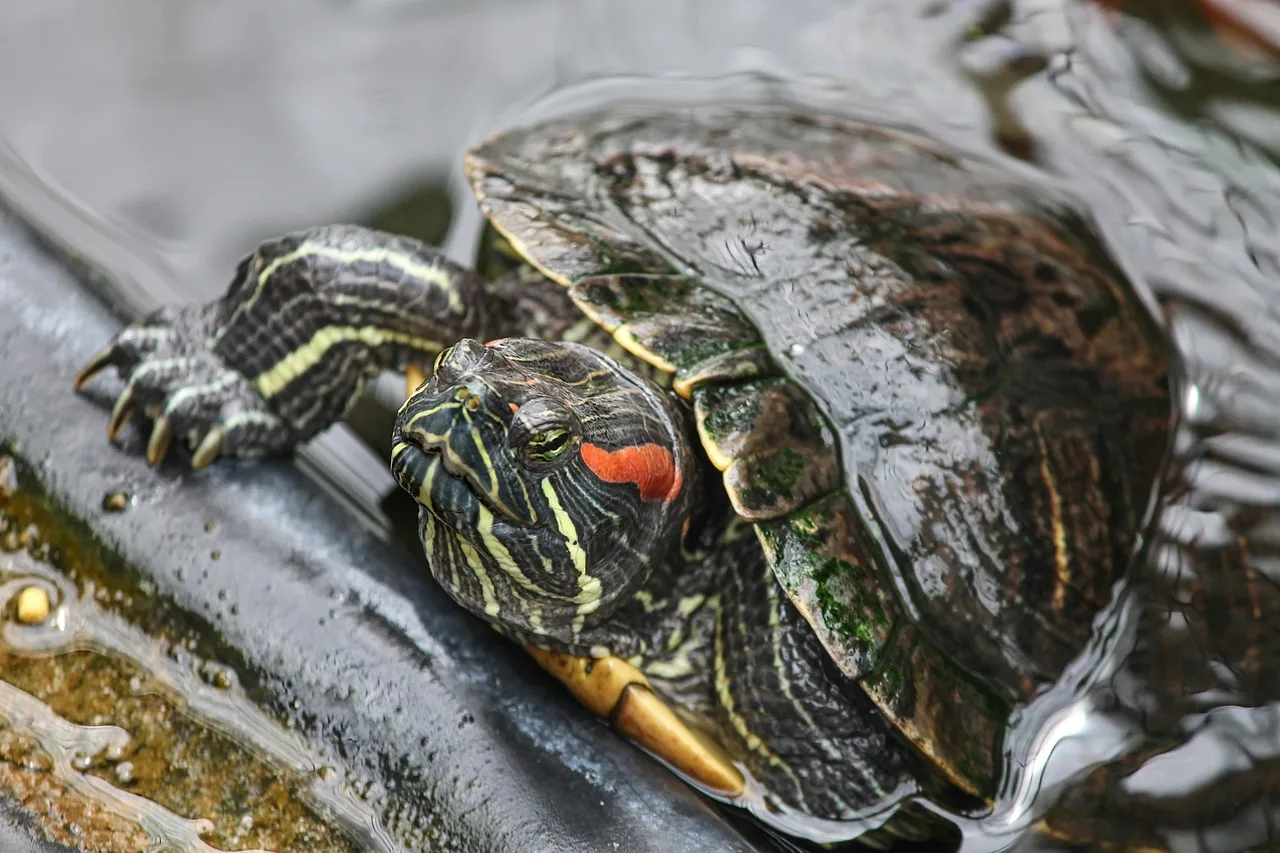

Çekim Tablosu
Belirtme (-i)yanağı
Yönelme (-e)yanağa
Bulunma (-de)yanakta
Çıkma (-den)yanaktan
Tamlayan (-in)yanağın
Çoğul (-ler)yanaklar
Tanım
•isim: Yüzün göz, kulak ve burun arasındaki bölümü
•Lastik tekerlekli taşıtlarda lastiğin jant ile yere temas eden bölümü arasında kalan yan yüzeyi
Diğer Dillerde
AlmancaBacke, Mick, Pumpenmick, Stirn, Wange (dişil) /ˈbakə/
cheek (on the face) · jaw (of a tool)
çekim: çoğul Backen · tamlayan Backen
eş: Backentasche, Gesäßbacke, Gesäßhälfte, Hinterteil, Hinterbacke, Pobacke
köken: Etymology tree Old High German backo Middle High German backe German Backe From Middle High German backe, from Old High German backo. Further origin uncertain; note, however, the similarity to Ancient Greek φᾰγεῖν (phăgeîn, “eat”), from Proto-Indo-European *bʰeh₂g- (“to divide, distribute”) (though the same non-trivial semantic shift occurring in two independent branches is unlikely), as well as…
aile: die Backen vollnehmen, Backpfeife
"Mr. Marvel blies die Backen auf. — "Mr. Marvel yanaklarını üfledi.
FransızcaJoue (dişil) /ʒu/
cheek
çekim: çoğul joues
köken: From Old French joe, from Vulgar Latin *ga(v)ota.
aile: mettre en joue, tendre l'autre joue
Ses joues rougirent. — Yanakları kızardı.
un bisou sur la joue
piece of the handle of a knife · stock, buttstock, butt (the part of a rifle or shotgun that rests against the shoulder) · buttock
çekim: çoğul cachas
eş: cachete, molla, cachete, carrillo, burla
köken: Inherited from Vulgar Latin *capla, contracted form of Late Latin capula, plural of capulum (“hilt”), from Latin capiō.
aile: hasta la cacha, hasta las cachas
"Sopló el señor Marvel sus mejillas. — "Mr. Marvel yanaklarını üfledi.
İtalyancabraccio, braccio della tromba, chiappa, faccia tosta, gota, guancia (eril) /ˈbrat.t͡ʃo/
upper arm · fathom · work, effort
eş: forza, energia, vigore, pala, asta, prolunga
köken: Inherited from Latin brachium, bracchium, from Ancient Greek βραχίων (brakhíōn).
aile: viola da braccio, abbracciare
"Mr. Marvel spense le guance. — "Mr. Marvel yanaklarını üfledi.
braccio di mare
braccio di terra
Rusçaанат. щека
"Мистер Марвел надул щеки. — "Mr. Marvel yanaklarını üfledi.
inside of cheek
çekim: çoğul ovurdlar · tamlayan ovurdun
köken: From Old Anatolian Turkish [script needed] (avurd). Cognate with Turkish avurt.
ovurdlarını şişirtmək
Kazakçaбет /bet/
face, cheek · surface
çekim: çoğul беттер · tamlayan беттің
köken: From Proto-Turkic *bēt (“face; page”). Cognate with Bashkir бит (bit, “face; page”), Uyghur بەت (bet, “face; page”), etc.
aile: беттеу, беттеуші, беттік
Özbekçeyonoq
Felemenkçewang (dişil) /ʋɑŋ/
cheek
çekim: çoğul wangen
eş: koon
köken: From Middle Dutch wange, from Old Dutch *wanga, from Proto-West Germanic *wangā, from Proto-Germanic *wangô (“cheek”), from Proto-Indo-European *wenǵ- (“neck, cheek”).
aile: appelwang, roodwangara, wangzak, witwanghoenderkoet, witwangstern
"Mr Marvel blies zijn wangen. — "Mr. Marvel yanaklarını üfledi.
Portekizcebochecha (dişil) /buˈʃe.ʃɐ/
cheek (part of face) · butt cheek · tack
çekim: çoğul bochechas
eş: façula, meixela
köken: Of uncertain and disputed origin. Perhaps from some derivation of Latin bucca (e.g. buccella).
Marvel soltou seu rosto. — Marvel yanaklarını üfledi.
ονομαστική, αιτιατική και κλητική πληθυντικού του ζυγωματικό
Τώρα έρχεται το αίμα αναίτια σε μάγουλα σας, — Şimdi yanakları ahlaksız kan gelir,
cheek area, cheek
船員は、確かに突然非常に赤だった、彼は彼の手を食いしばっ。 — Ha? "Mr. Marvel yanaklarını üfledi.
Korece볼, 뺨
어? "미스터 마블 자신의 뺨을 날려 버렸지. — Ha? "Mr. Marvel yanaklarını üfledi.
cheek (part of the face)
çekim: çoğul kinder · tamlayan kinds
köken: From Old Norse kinn, from Proto-Germanic *kinnuz, from Proto-Indo-European *ǵénu- (“cheek”). Compare Danish kind, Norwegian and Icelandic kinn, German Kinn, Dutch kin, English chin.
aile: vända andra kinden till
"Mr Marvel blåste ut hans kinder. — "Mr. Marvel yanaklarını üfledi.
Lehçepoliczek (eril) /pɔˈli.t͡ʂɛk/
cheek (part of face) · cheek (part of muzzle) · slap in the face (hit)
çekim: çoğul policzki · tamlayan policzka
eş: reg. śl. facka, obraza, afront, belka policzkowa
köken: Univerbation of po licu + -ek.
aile: policzkowy, polik, policzkować, spoliczkować
"Mr Marvel zdmuchnął mu po policzkach. — "Mr. Marvel yanaklarını üfledi.
Ukraynacaщока́
"Містер Марвел надув щоки. — "Mr. Marvel yanaklarını üfledi.
Hintçeगाल (dişil) /ɡɑːl/
cheek
çekim: çoğul गालें
köken: Inherited from Sauraseni Prakrit 𑀕𑀮𑁆𑀮 (galla), from Sanskrit गल्ल (galla), variant of Sanskrit गण्ड (gaṇḍa), ultimate origins unclear, possibly from Proto-Dravidian [Term?]. Cognate with Assamese গাল (gal), Bengali গাল (gal), Gujarati ગાલ (gāl), Konkani गाल (gāl), Marathi गाल (gāl).
मोटे गाल
Finceotsa, pakara, peppuposki, poski, pyllyposki, varsi /ˈotsɑ/
forehead
çekim: çoğul otsat · tamlayan otsan
köken: From Proto-Finnic *oncca, probably borrowed from Proto-Germanic *anþiją.
aile: olla otsaa, -otsainen, otsake, otsamus, otsikko, otsis, häiveotsa, keltaotsaseppä, kirkasotsainen, luiskaotsainen
Marvel puhalsi hänen poskiaan. — Marvel yanaklarını üfledi.
cheek
çekim: çoğul líčka · tamlayan líčka
"Pan Marvel nafoukl tváře. — "Mr. Marvel yanaklarını üfledi.
asscheek, butt-cheek, buttock · cheek (of the face)
çekim: çoğul buci · tamlayan buci
köken: Inherited from Latin bucca.
A suflat în obraji. — Marvel yanaklarını üfledi.
Macarcaorca /ˈort͡sɒ/
cheek
çekim: çoğul orcák
köken: A compound of orr (“nose”) + száj (“mouth”) → orrszáj, transformed to orca over the centuries.
aile: orcátlan, álorca
Marvel elfújta az arcán. — Marvel yanaklarını üfledi.
„Hej, Iluskám! hogyne volnék én halovány, / Mikor szép orcádat utószor látom tán…”
1872, Mór Jókai, Az arany ember (Timar’s Two Worlds), part 1, chapter 2, translated by Mrs. Hegan Kennard
İbraniceלֶחִי
כלומר, מדובר בשני עמודי תווך, — Böylece iki dayanak noktamız oluyor
the soft part of the cheek puffed or filled out in speaking or eating · the jaw · the mouth
çekim: çoğul buccae · tamlayan buccae
köken: Uncertain. Celtic origin is suspected due to similarity with beccus (“beak”), names like Gaulish Buccus, Buccō, Bucciō as well as the appearance of words bocca and boca (of unknown meaning) on the Larzac tablet. IEW compares it with Proto-Germanic *puhô (“bag, pouch”), from Proto-Indo-European *bew, *bʰew- (“to swell, puff”), whose initial b- would point to a substrate or imitative origin.…
aile: buccea, buccella, buccifer, buccina, buccō, buccōsus, buccula, saccibuccis
sī valēbit, puls in buccam bētet
bucca, bucca, quot sunt hīc?
Dancabalde, frækhed, uforskammethed (nötr)
buttock (each of the two large fleshy halves of the posterior part of the body) · ball (of a foot)
çekim: çoğul balder · tamlayan baldes
Nu kommer den hensynsløse blod op i dine kinder, — Şimdi yanakları ahlaksız kan gelir,
Endonezcepipi /ˈpipi/
cheek (part of face)
köken: Inherited from Malay pipi.
Mr Marvel keluar pipinya. — Marvel yanaklarını üfledi.
anus · buttocks · bottom of something
köken: Inherited from Proto-Vietic *diːt ~ *tiːt, from Proto-Mon-Khmer *kt₁iit (“posterior; to break wind”). Cognate with Khmer ក្ដិត (kdət, “buttocks”). Doublet of địt.
aile: bợ đít, đít đoi, đụng đít, hổng đít, lỗ đít, mông đít
Thổi má của mình. — Marvel yanaklarını üfledi.
chùi đít
lỗ đít
đít to
Etimoloji
Eski Türkçe yan (Clauson’un da belirttiği gibi, kelime yan kökünden -gak ekiyle yan-gak > yañak biçiminde türetilmiş)
Kelime Ailesi
Örnek Cümleler
Yasal dayanaklar
Legal basis
Yanakları kızardı.
Her cheeks turned red.
Yanaklarım yanıyor.
My cheeks burn.
Ak yanaklı sığırcık
White-cheeked starling
Yanaklarım kırmızıydı.
My cheeks were red.
Ben bir dayanak yaptım.
I have made a foothold.
Onun yanakları kızardı.
Her cheeks reddened.
Yanakları kıpkırmızıydı.
His cheeks were bright red.
Tom'un yanakları kızardı.
Tom's cheeks turned red.
Onun yanakları kırmızıydı.
Her cheeks were red.
Yanakları utançla kızardı.
Her cheeks burned with shame.
Yanaklarının ikisi kızardı.
Both of her cheeks turned red.
İlgili Sorular
Yüzümü yağsız akne yıkamasıyla yıkadıktan sonra özellikle burun çevresinde ve yanaklarda beyaz bir tabaka oluşuyor; bu durumun nedeni nedir?
Neutrogena yağsız akne yıkamasını kullanınca burnum ve yanaklarımda beyaz tabaka beliriyor; bu neye bağlı?
Neden yanak içindeki hücreleri toplarsınız?
Göz damlası şişesinin boynu hizalanmadığı için damla yanaklarıma akıyor, ne çözüm var?
Cerrahi müdahale olmadan yanakları sıkılaştırmak için ne yapabilirim? Yüz egzersizleri zararlı, elektrikli yüz toneri baş ağrısına yol açıyor. Başka bir yol?
Birleşik Kelimeler
yanak yanağa