Sözlük
/tuz
tuz
"tuz" kelimesinin İngilizcesi: salt, salt, salt, salt. Anlamı, çevirisi, telaffuzu ve örnek cümleler aşağıdadır.
Çeviri
Bilimsaltnoun
Genelsalt
Genelsalt
Genelsalt
Görsel
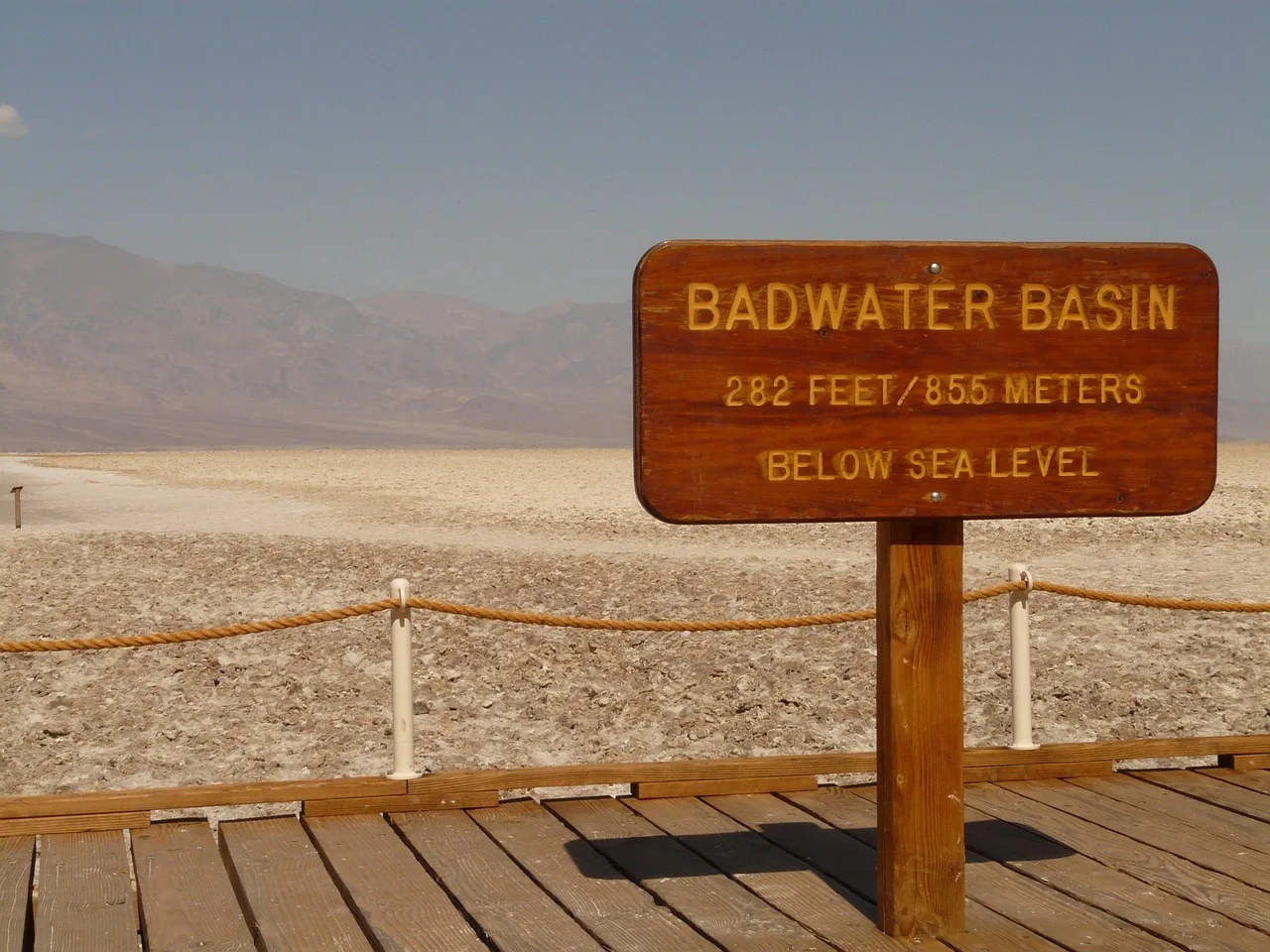
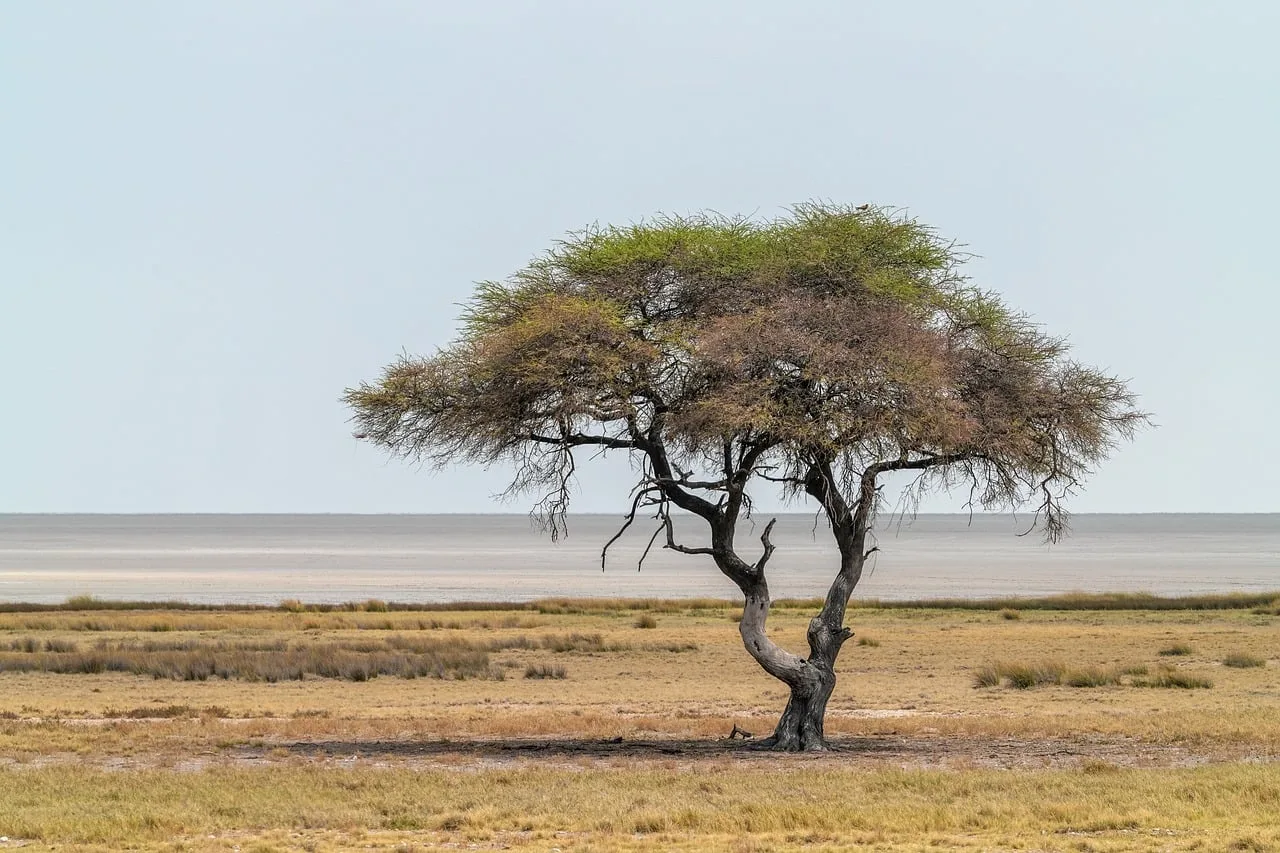
Çekim Tablosu
Belirtme (-i)tuzu
Yönelme (-e)tuza
Bulunma (-de)tuzda
Çıkma (-den)tuzdan
Tamlayan (-in)tuzun
Çoğul (-ler)tuzlar
Tanım
•isim, kimya: Kokusuz, suda eriyen, yiyecekleri korumada ve tatlandırmada kullanılan billursu madde
•kimya: Bir asitteki hidrojenin yerini bir bazın almasıyla oluşan birleşim; sodyum klorür (NaCl)
Atasözü & Deyim
“Aş tuz ile, tuz oran ile”
“Gözü tanede olan kuşun ayağı tuzaktan kurtulmaz”
“Otuz iki dişten çıkan, otuz iki mahalleye yayılır”
“Tuz ekmek hakkını bilmeyen kör olur”
Diğer Dillerde
Almancasalz (nötr) /zalt͡s/
salt, table salt, sal · salt
çekim: çoğul Salze · tamlayan Salzes
eş: Kochsalz, Speisesalz, Tafelsalz, Natriumchlorid
köken: Etymology tree Proto-Indo-European *seh₂l-der. Proto-Germanic *saltanąder. Proto-Germanic *saltaz Proto-West Germanic *salt Old High German salz Middle High German salz German Salz Inherited from Middle High German salz, from Old High German salz (akin to Old Saxon salt, Old Dutch salt, Old English sealt, Old Norse salt), from Proto-West Germanic *salt, from Proto-Germanic *saltą, from…
aile: salzig, mit einem Körnchen Salz
Es ist kein Salz da. — Tuz yok.
table salt, i.e. sodium chloride (NaCl) · salt · smelling salts
çekim: çoğul sels
köken: Inherited from Middle French sel, from Old French sel, from Latin salem, ultimately from Proto-Indo-European *seh₂l-.
aile: cuillère à sel, fin comme du gros sel, fleur de sel, mettre son grain de sel, ne pas manquer de sel, pâte à sel, poivre et sel, ramener son grain de sel, sel de cuisine, sel de table
Branleur. — Otuz birci.
İspanyolcasal, salado, salar, salcita, salecita, salinero (dişil) /ˈsal/
salt; table salt · salt · bad luck, misfortune
çekim: çoğul sales
eş: donaire, salero, arte
köken: Inherited from Old Spanish sal, from Latin salem (compare Catalan sal f, French sel m, Italian sale m, Portuguese sal m, Romanian sare f; also English salt). It is not known how the noun became feminine.
aile: agua salada, aguasal, pan de sal, sal común, sal de baño, sal de cocina, sal de la tierra, sal de mesa, sal de nitro, sal inglesa
Sin embargo, esto es una trampa. — Bu bir tuzaktı.
İtalyancasale (eril) /ˈsa.le/
salt, sal
çekim: çoğul sali
eş: composto chimico, cloruro di sodio, cloruro sodico, salgemma, acume, assennatezza
köken: From Latin salem.
aile: dissalare, insalare, salare, salgemma, saliera, salifero, salificare, salume, spargisale
Era una trappola. — Bu bir tuzaktı.
Rusçaсоль /solʲ/
salt · point · punch line (e.g. in stand-up or in a joke)
çekim: çoğul со́ли · tamlayan со́ли
eş: поваренная соль, хлорид натрия, квинтэссенция, существо, изюминка, гвоздь
köken: PIE word *sḗh₂l Inherited from Proto-Slavic *solь, from Proto-Indo-European *séh₂l-, *sḗh₂l. Cognates include Sanskrit सलिल (salila), Ancient Greek ἅλς (háls), Armenian աղ (aġ), Latin sāl, and Old English sealt (English salt).
aile: засо́лка, насоли́ть, посо́л, разносо́лы, рассо́л, рассо́льник, солёный, со́лоно, соли́ть, соле́ние
Большая Лотва — Büyük Tuzak
Соль земли́
Не сыпь мне соль на ра́ну
И в чём тут вся соль?
salt · salt water · wit, intellect
çekim: çoğul أَمْلَاح · tamlayan مِلْحٍ
köken: Inherited from Proto-West Semitic *milḥ-.
تاجر الملح. — Tuz müshiller.
Farsçaنَمَک
Azericeduz, duzlamaq, duzlu, دوز /ˈduz/
salt
çekim: çoğul duzlar · tamlayan duzun
köken: Inherited from Old Anatolian Turkish طُوزْ (duz), from Proto-Turkic *tūŕ.
aile: duzlamaq, duzlu, duzlu-duzlu, duzsuz, duzsuzlaşdırılma, duzsuzlaşdırılmaq, duzsuzlaşdırmaq, duzsuzlaşmaq
salt
çekim: çoğul тұздар · tamlayan тұздың
köken: From Proto-Turkic *tūŕ. Cognate with Bashkir тоҙ (toź), Kyrgyz туз (tuz), Uzbek tuz, Turkmen duz, Turkish tuz, Tuvan дус (dus), Yakut туус (tuus), Chuvash тӑвар (tăvar, “salt”), etc.
aile: тұздау, тұздық
Tatarcaтоз
salt
çekim: çoğul тозыбыз · tamlayan тозның
köken: From Proto-Turkic *tūŕ. Cognate with Bashkir тоҙ (toź), Kazakh тұз (tūz), Kyrgyz туз (tuz), Uzbek tuz, Turkmen duz, Turkish tuz, Tuvan дус (dus), Yakut туус (tuus), Chuvash тӑвар (tăvar, “salt”).
Felemenkçezout, zout, keukenzout, natriumchloride (nötr) /zɑu̯t/
salt
çekim: çoğul zouten
eş: pekel
köken: From Middle Dutch sout, from Old Dutch *salt, from Proto-West Germanic *salt. The noun is from Proto-Germanic *saltą, the adjective from *saltaz. Ultimately from Proto-Indo-European *séh₂l-, *sḗh₂l. Compare German Salz, West Frisian sâlt, English salt, Danish salt.
aile: bergzout, keukenzout, mijnzout, strooizout, tafelzout, zeezout, zoutarm, zouten, zoutgeest, zoutgehalte
Kritieke pad — Büyük Tuzak
Wie heeft er twee kilo zout in mijn soep gedaan? Nu smaakt het ranzig!
sailor; seaman (member of a ship’s crew)
çekim: çoğul marujos
köken: From mar (“sea”) + -ujo.
Tenho trinta anos. — Otuz yaşındayım.
Yunancaάλας, άλατα (álata), αλάτι, αλατίζω, αλατούχος, αλατώδης (nötr) /ˈa.las/
salt (a product of neutralisation between an acid and a base) · * see: άλατα (álata) back trouble
çekim: çoğul άλατα · tamlayan άλατος
köken: Learned borrowing from Ancient Greek ἅλας (hálas, “common salt”). Doublet of the inherited αλάτι (aláti).
Είμαι τριάντα. — Otuz yaşındayım.
salt; table salt · salt
köken: Borrowed from English salt.
クッキングソルト
マイルドソルト
Korece소금 /sʰo̞ɡɯm/
salt
köken: First attested as Late Old Korean 蘇甘 in the Jīlín lèishì (鷄林類事 / 계림유사), 1103. In the hangul script, first attested in the Won'gakgyeong eonhae (圓覺經諺解 / 원각경언해), 1465, as Middle Korean 소곰 (Yale: swòkwòm).
한 줌의 소금
소금을 많이 넣으면 음식이 짜다.
İsveççebordssalt, koksalt, krydda, salta, salthaltig (nötr)
table salt
çekim: tamlayan bordssalts
köken: From bord + -s- + salt.
Foten är träig. — Ayaklar vantuzludur.
Lehçeposolić, słony, sól, sól kuchenna, solić, wilk morski /pɔˈsɔ.lit͡ɕ/
to salt (add salt to)
çekim: geçmiş posolono
eş: osolić
köken: Etymology tree Polish po- Polish solić Polish posolić From po- + solić.
Wiercień Duży — Büyük Tuzak
Ukraynacaсіль /sʲilʲ/
salt
çekim: çoğul со́лі · tamlayan со́лі
köken: From Proto-Slavic *solь, from Proto-Indo-European *séh₂l-, *sḗh₂l. Cognates include Russian соль (solʹ), Polish sól, Sanskrit सलिल (salila), Ancient Greek ἅλς (háls), Armenian աղ (aġ), Latin sāl, and Old English sealt (English salt).
Велика Скіфія — Büyük Tuzak
salt
çekim: çoğul नमकों
köken: Borrowed from Classical Persian نَمَک (namak).
aile: जले पर नमक छिड़कना
Fincehöystää, maustaa, merikarhu, suola, suola-, suolainen /ˈhøy̯stæːˣ/
to season, flavor/flavour · to salt (to include colorful language) · to punctuate (to vary, interrupt, give structure)
çekim: geçmiş höystänyt · şimdiki höystäisi · ulaç höystävä
eş: elävöittää
köken: Possibly hyvä + -istää (from hyvä (“good”)), with the original form being höistää.
aile: höyste, höystyä, höystämätön, höystö
Suuri peli — Büyük Tuzak
to salt, to add salt, to season with salt
çekim: geçmiş osolivše · ortaç osolila · şimdiki osolí
köken: From o- + solit.
Je to past. — Bu bir tuzaktı.
to salt · to brine
çekim: geçmiş sărat · ortaç sărat · şimdiki sărează
zıt: desăra
köken: Inherited from Vulgar Latin root *salāre, from a change in conjugation of Latin salīre (“to salt”), from sal. Compare Italian salare, French saler, Spanish, Portuguese, and Catalan salar, Friulian salâ, also Aromanian ãnsar, ãnsãrari.
aile: presăra, sărare, sărat, sărător, sărătură
Apa văii este sărată. — Suyu tuzludur.
salt (a common substance, chemically consisting mainly of sodium chloride (NaCl), used extensively as a condiment and preservative) · salt (one of the compounds formed from the reaction of an acid with a base, where a positive ion replaces a hydrogen of the acid)
çekim: çoğul sók
köken: Akin to sav (“acid”).
aile: sós, sótlan, sóz, epesó, fixírsó, fürdősó, keserűsó, konyhasó, kősó, repülősó
A vize igen sós. — Suyu tuzludur.
To salt, to add salt to, to sprinkle or pour salt on or into, to season with salt.
çekim: geçmiş הִמְלַחְתָּ
köken: From the root מ־ל־ח (m-l-ḥ), using the hif`íl conjugation.
to leap, jump, bound · to spring forth, flow down · to mount for sex
çekim: şimdiki salit · ulaç saliēns
köken: Inherited from Proto-Italic *saljō, from Proto-Indo-European *sel- (“to spring”). Cognates include Ancient Greek ἅλλομαι (hállomai) and Sanskrit सरति (sárati).
aile: absiliō, assaliō, assiliō, circumsiliō, dēsiliō, exsiliō, īnsiliō, īnsultō, persiliō, persultō
Dancakrydre, salt, salte, saltholdig, søulk /kryðrə/
to season, spice (up)
çekim: geçmiş krydrede · ortaç krydret · ulaç krydrende
köken: From earlier kryde, from Middle Low German krǖden (“to season, spice”), from krût (“spice, herb”), from Old Saxon krūd, from Proto-West Germanic *krūd (“herb, plant”).
aile: krydring, letrydret, ukrydret, velkrydret
Det er en fælde! — Bu bir tuzaktı.
Etimoloji
Eski Türkçe
Deyimler
Kelime Ailesi
Eş & Zıt Anlamlılar
Örnek Cümleler
Tuz yok.
There's no salt.
Tuz bitti.
The salt ran out.
O otuz yaşında.
He is thirty years old.
O çok tuzlu mu?
Is it too salty?
Tuzu bana uzat.
Pass me the salt.
Hiç tuz kalmadı.
There is no salt left.
Otuza kadar say.
Count up to thirty.
Çorba çok tuzlu.
The soup is too salty.
Otuz üç yaşında.
She's thirty-three.
Saat yedi otuzdu.
It was seven thirty.
O bana tuz verdi.
He gave me the salt.
Hiç tuz kaldı mı?
Is there any salt left?
İlgili Sorular
Polimerlerin çoğu hangi ham maddeden elde edilir? Ham petrol, doğal gaz, mineraller, tuzlar?
Köpeklerimde sarkoptik mange için Sulfinex yerine Epson tuzundaki kükürt kullanılabilir mi?
Tuzlu su balıkları neden tuzlu tat vermez, bu nasıl gerçekleşir?
Dondurma satıcıları buz üzerine neden tuz ekliyor?
Hangi banyo tuzu veya boncuk en hoş kokuyu verir?
İlgili / Bileşik Terimler
Genelsalt marsh
Genelsalt lake
Birleşik Kelimeler
tuz ekmek düşmanıtuz ekmek hakkıtuz ruhutuzu kuruiyotlu tuzbakır tuzubulaşık makinesi tuzuİngiliz tuzukaya tuzulimon tuzusofra tuzu