Sözlük
/portakal
portakal
noun
B2 seviye
TR → EN
"portakal" kelimesinin İngilizcesi: orange, orange, orange. Anlamı, çevirisi, telaffuzu ve örnek cümleler aşağıdadır.
Çeviri
Genelorange
Genelorange
Genelorange
Görsel
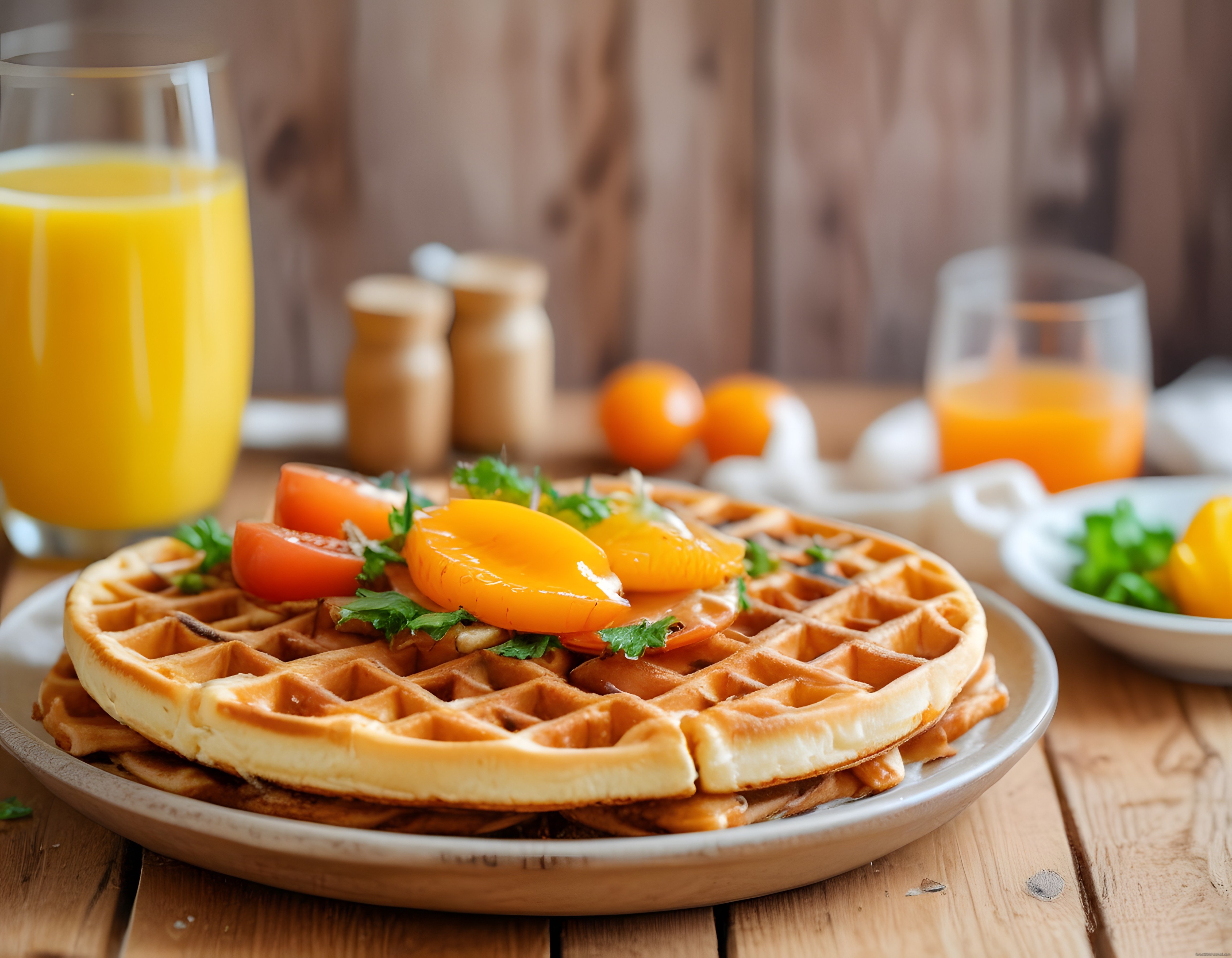
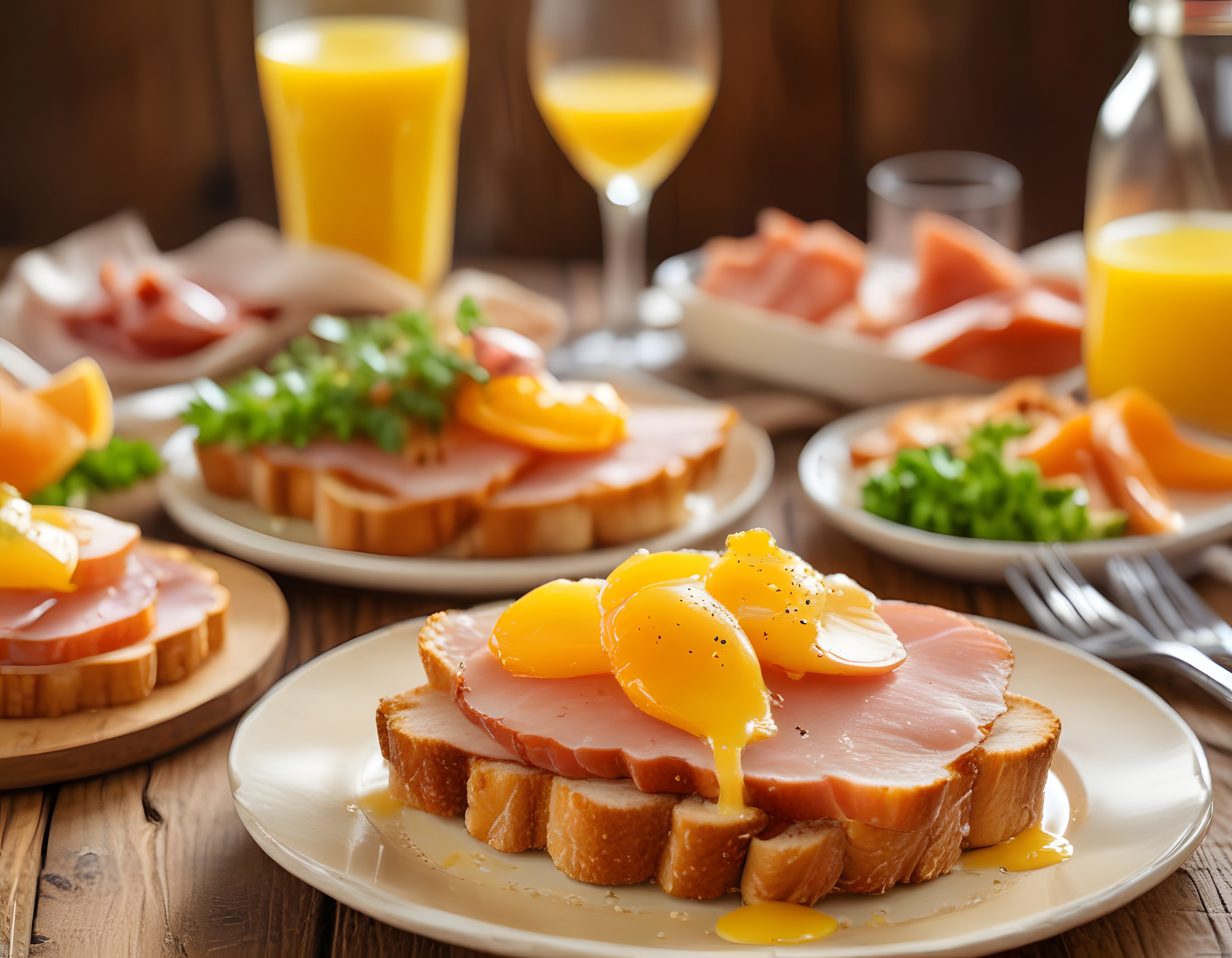
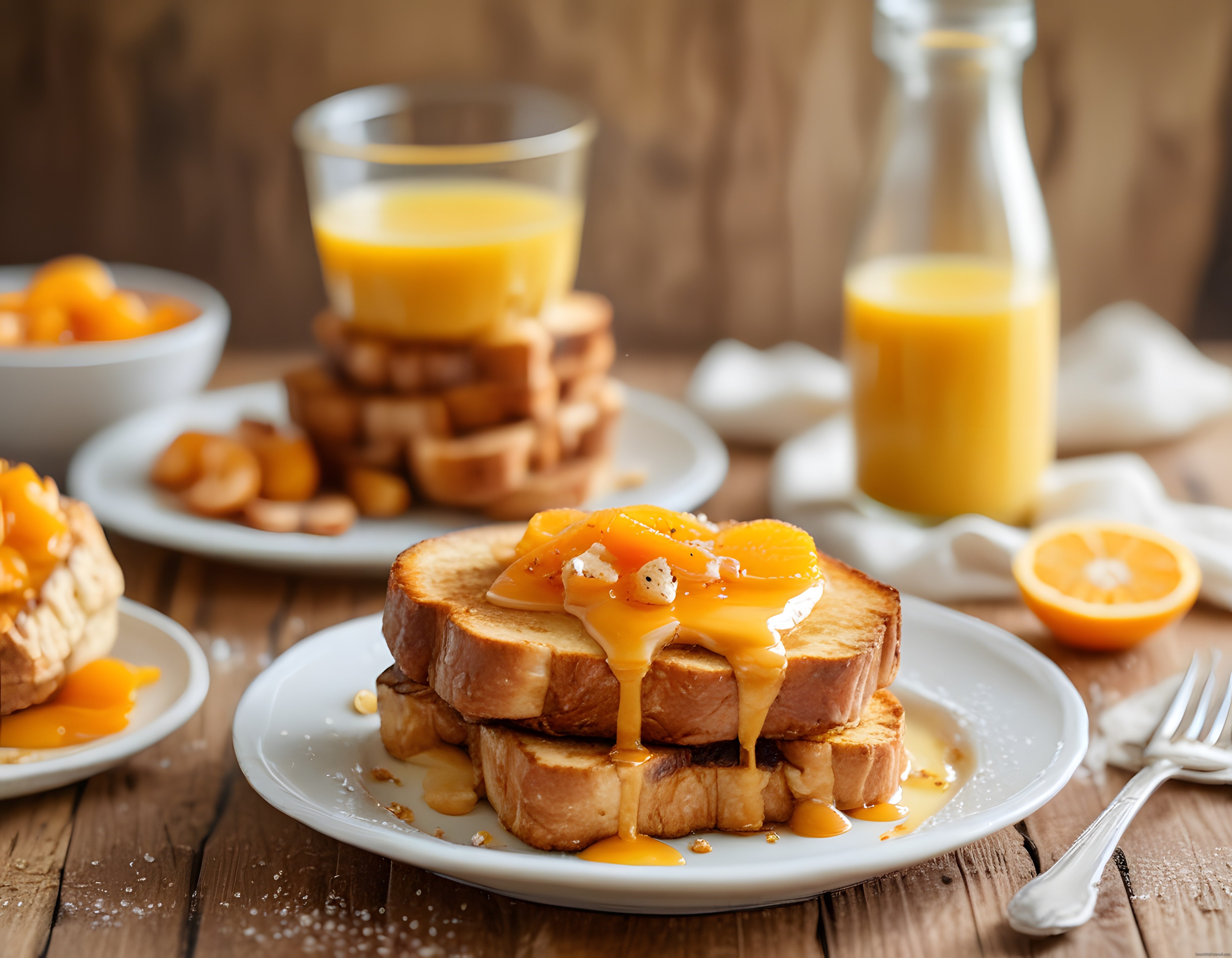
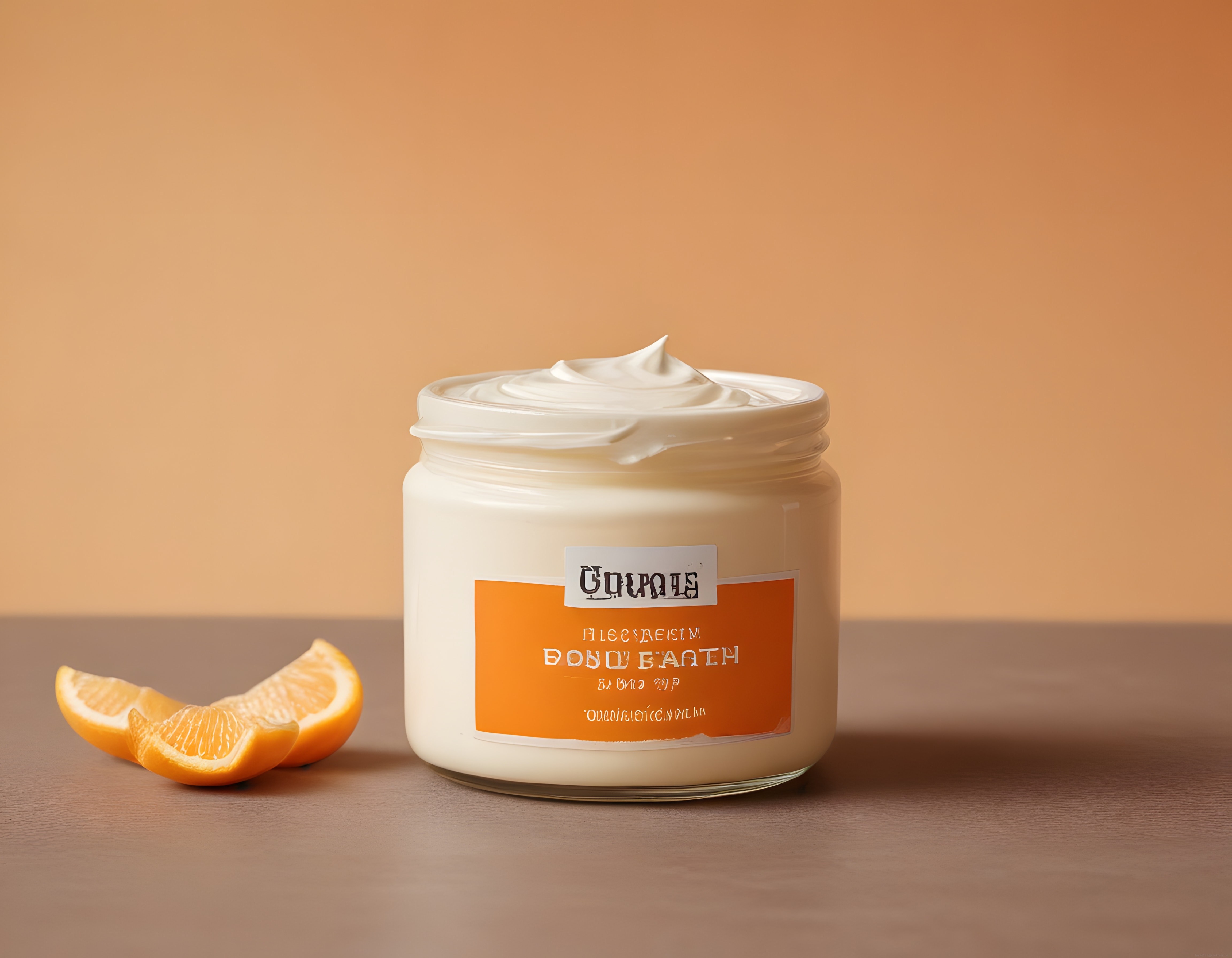
Çekim Tablosu
Belirtme (-i)portakalı
Yönelme (-e)portakala
Bulunma (-de)portakalda
Çıkma (-den)portakaldan
Tamlayan (-in)portakalın
Çoğul (-ler)portakallar
Tanım
•isim, bitki bilimi: Turunçgillerden, Akdeniz ülkelerinde yetişen, yaprakları sert bir ağaç (Citrus aurantium)
•Bu ağacın turuncu renkli, yuvarlak ve kabuğu güzel kokulu meyvesi
Diğer Dillerde
Almancaapfelsine (dişil) /ˌapfəlˈziːnə/
orange
çekim: çoğul Apfelsinen · tamlayan Apfelsinen
eş: Orange, Chinaapfel, Apfelsinenbaum, Orangenbaum
köken: Via Low German Appelsina, from Dutch appelsina (cp. appelsien, for which now usually sinaasappel). So named because of their introduction to Europe from China (Latin Sīna).
Mag sie Orangen? — O, portakal sever mi?
FransızcaOrange (dişil) /ɔ.ʁɑ̃ʒ/
orange (fruit)
çekim: çoğul oranges
köken: Inherited from Middle French orange, from Old French orenge, short form of late pomme d'orenge or pomme d'orange, which was calqued after Old Italian melarancia (mela + arancia). The o came into the word under influence of the place name Orange. See English orange.
Il aime les oranges. — O portakalı sever.
Il pressa l’orange afin d’en extraire du jus.
İspanyolcaanaranjado, china, naranja, naranjado, naranjo, naranjoso (eril) /anaɾanˈxado/
orange (the colour of the fruit of an orange tree) · tenné
köken: From a- + naranja (“orange [fruit]”) + -ado.
A él le gustan las naranjas. — O portakalı sever.
El anaranjado es el color nacional de Holanda.
İtalyancaarancia (dişil) /aˈran.t͡ʃa/
orange (fruit)
çekim: çoğul arance
köken: Feminine form of arancio (“orange (tree)”), from Arabic نَارَنْج (nāranj), from Persian نارنگ (nârang), from Sanskrit नारङ्ग (nāraṅga).
E' 1o, o un'arancia. — Bu 1o ya da bir portakal.
Rusçaапельсин (eril) /ɐpʲɪlʲˈsʲin/
orange tree · orange (fruit)
çekim: çoğul апельси́ны · tamlayan апельси́на
eş: померанец
köken: Borrowed from Dutch appelsien, calqued from French pomme de Sine (“Chinese apple”). For semantic parallels compare пе́рсик (pérsik).
aile: апельси́нничать, апельси́нный
Дай мне апельсин. — Bana bir portakal ver.
го́рький апельси́н
Meronyms: до́лька (dólʹka), кожура́ (kožurá)
до́лька апельси́на
orange, oranges
çekim: tamlayan بُرْتُقَالٍ
köken: Borrowed from Ottoman Turkish پورتقال (portokal), or more likely from Greek πορτοκάλι (portokáli). Doublet of الْبُرْتُغَال (al-burtuḡāl, “Portugal”), taken directly from the Portuguese or through a Romance cognate.
ذلك 1، او برتقالة واحدة — Bu 1o ya da bir portakal.
Farsçaپُرْتُقال, پُرْتِقال, مَالْتَه, نارَنْج, نارنجی, نارَنْجی /naː.ran.ˈd͡ʒiː/
orange (orange-coloured)
köken: From نارنج (nârenj) + ـی (-i, suffix forming adjectives).
Azericenarincı, portağal
orange (fruit)
çekim: çoğul portağallar · tamlayan portağalın
köken: Borrowed from Ottoman Turkish پورتقال (portakal, “orange”), which, in non-standard dialects, also was pronounced with غ (ğ).
Kazakçaапельсин, бартоқал, қызғылт сары /ɐpʲɪlʲˈsʲin/
orange, Citrus sinensis
çekim: çoğul апельсиндер · tamlayan апельсиннің
köken: Borrowed from Russian апельси́н (apelʹsín), from Dutch appelsien, from French pomme de Sine (“Chinese apple”).
Özbekçepoʻrtaxol, sabzi rang, toʻq sariq /poɾ.tæ.ˈχɒɫ/
orange (fruit)
çekim: çoğul poʻrtaxollar · tamlayan poʻrtaxolning
köken: From Ottoman Turkish پورتقال (portakal). Doublet of Portugaliya (“Portugal”).
Tatarcaәфлисун, кызгылт сары
orange (Citrus sinensis)
çekim: çoğul әфлисуннар · tamlayan әфлисунның
köken: Adapted borrowing of Russian апельсин (apelʹsin), from Dutch appelsien, from French pomme de Sine. Cognate with Bashkir әфлисун (əflisun).
Felemenkçesinaasappel, sinaasappelboom (eril) /ˈsinaːsˌɑpəl/
orange (fruit)
çekim: çoğul sinaasappelen
eş: oranjeappel, appelsien
köken: From Sina + -s- + appel, first attested in 1693; a form Chinas-appel is also attested in 1683. Sina is a now-obsolete by-form of China that was particularly common during the early modern period.
aile: sinaasappelboom, sinaasappelhuid, sinaasappelsap, sinas
Houdt ze van sinaasappel? — O portakal sever mi?
Portekizcelaranja, suco de laranja /laˈɾɐ̃.ʒɐ/
orange (having orange as its color)
çekim: çoğul laranjas
eş: alaranjado
köken: Etymology tree Proto-Austroasiatic *ŋaːmder.? Proto-Dravidian *nāram Proto-Dravidian *kāy Sanskrit नारङ्ग (nāraṅga)bor. Classical Persian نَارَنْگ (nārang)bor. Arabic نَارَنْج (nāranj)bor. Old Galician-Portuguese laranja Portuguese laranja Inherited from Old Galician-Portuguese laranja, from Arabic نَارَنْج (nāranj), from Persian نارنگ (nârang), from Sanskrit नारङ्ग (nāraṅga, “orange tree”),…
aile: alaranjar, cor de laranja, laranja-azeda, laranja-cravo, laranja-da-china, laranja-da-terra, laranja-doce, laranja-lima, laranja-mimosa, laranja-pera
Sua cor é laranja. — Bacaklar portakal rengidir.
As ſobre-mãos ſe manifeſtaõ de principio, como hũa fava; porèm depois vem a creçer, & a fazerſe algũas vezes, como meya laranja.
orange (color/colour)
köken: From πορτοκάλι (portokáli, “orange”).
Αυτό το πορτοκάλι είναι πολύ ξινό. — Bu portakal çok ekşi.
an orange (Citrus sinensis) · orange (color)
köken: Etymology tree ▲ Italian melaranciacalq. Old French Orengeinflu. ▲ Old Occitan auranjainflu. Old French pomme d'orenge Old French orenge Middle French orangebor. Middle English orenge English orangebor. Japanese オレンジ Borrowed from English orange.
「黄金の林檎」。 — "Olaylı Altın Portakal".
the color orange
eş: 橙色, 橘色, 橙黃色, 橘黃色, 橘紅色, 橘色
橙響紐約變得唾手可得 — Portakallara New York' ta sıkça rastanır oldu.
Korece오렌지 /o̞ɾe̞ɲd͡ʑi/
orange (fruit) · orange (color)
köken: From English orange or Japanese オレンジ.
그것은 1o, 혹은 1개의 오렌지에요. — Bu 1o ya da bir portakal.
İsveççeapelsin, apelsinfärgad, apelsinträd, brandgul
orange (fruit)
çekim: çoğul apelsiner · tamlayan apelsins
köken: Borrowing from older Low German Appelsina and in some dialects older Dutch appelsien. Equivalent to äpple (“apple”) + Kina (“China”).
Halvmoget äpple 2 augusti. — Orta mevsim portakalıdır çeşididir.
skala en apelsin
apelsinskal
pressa saften ur en apelsin
Lehçedrzewo pomarańczowe, pomarańcz, pomarańcza, pomarańczowy (nötr) /ˈdʐɛ.vɔ pɔ.ma.raɲˈt͡ʂɔ.vɛ/
orange (tree)
çekim: çoğul drzewa pomarańczowe · tamlayan drzewa pomarańczowego
Nogi stają się pomarańczowe. — Bacaklar portakal rengidir.
Ukraynacaжовтогаря́чий, ора́нжевий, помара́нч, помара́нча, помара́нчевий
Вона любить помаранчі. — O portakalı sever.
orange (fruit)
çekim: çoğul नारंगियाँ
köken: Inherited from Prakrit 𑀡𑀸𑀭𑀁𑀕 (ṇāraṃga), from Sanskrit नारङ्ग (nāráṅga, “the orange tree”) + -इका (-ikā), either ultimately derived from Dravidian, or even possibly further derived from Proto-Austroasiatic *ŋaːm (“sweet”). Doublet of नारंजी (nārañjī), (derived from Classical Persian نارنجی (nāranjī, “bitter orange”), from the very same origin).
नारंगी प्रायः बहुत खट्टी होती है, किंतु कभी-कभार मीठी भी हो सकती है।
इस नारंगी का प्रकार अत्यंत दुर्लभ है।
Finceappelsiini, appelsiinipuu, oranssi /ˈɑpːels(ː)iːni/
orange (fruit)
çekim: çoğul appelsiinit · tamlayan appelsiinin
köken: From Swedish appelsin (“orange”), from Dutch appelsine or Low German Appelsin (“Chinese apple”).
aile: appelsiininen, appelsiinihillo, appelsiini-iho, appelsiinikastike, appelsiinimarmeladi, appelsiinimehu, appelsiininkuori, appelsiinipleko, appelsiinipuu, hapanappelsiini
Jalka on appelsiininkeltainen. — Bacaklar portakal rengidir.
Çekçeoranžový, pomeranč, pomerančovník /ˈoranʒoviː/
orange (having an orange color)
çekim: karşılaştırma oranžovější · üstünlük nejoranžovější
Zbarvení na nohách je oranžové. — Bacaklar portakal rengidir.
Rumenceoranj, portocal, portocală, portocaliu /oˈranʒ/
orange
köken: Borrowed from French orange.
Picioarele sunt roșu-portocalii. — Bacaklar portakal rengidir.
Macarcanarancs, narancsfa, narancssárga, narancsszín, narancsszínű /ˈnɒrɒnt͡ʃ/
orange (fruit) · orange (colour)
çekim: çoğul narancsok
köken: From Old Italian narancia, from Spanish naranja, from Arabic نَارَنْج (nāranj), from Persian نارنگ (nârang), from Sanskrit नारङ्ग (nāraṅga, “orange tree”), of uncertain origin.
aile: narancsos, narancsbőr, narancsdzsem, narancsfa, narancshéj, narancslé, narancssárga, narancsszín, narancsszínű, vérnarancs
Lába narancssárga színű. — Bacaklar portakal rengidir.
orange
köken: From the root כ־ת־ם.
aile: כְּתַמְתַּם
זה תפוז. — Bu bir portakaldır.
Latinceaurantius, mālum aurantium /au̯ˈran.ti.ʊs/
orange (coloured), tawny
köken: From Arabic نَارَنْج (nāranj), from Classical Persian نارنگ (nārang), from Sanskrit नारङ्ग (nāraṅga, “orange tree”); influenced in form by a folk etymology connecting it with aurum (“gold”). See orange for more.
aile: Aurantium
Dancaappelsin, appelsintræ /ɑb̥l̩ˈsiːˀn/
An orange, a fruit from the tree Citrus sinensis.
çekim: çoğul appelsiner · tamlayan appelsins
köken: Loan word from late 17th century from either Dutch appelsien or German Low German Appelsin f (“Chinese apple; apple from China”), compare German Apfelsine. It is a calque of French pomme de Sine (“apple from China”).
aile: appelsinjuice, appelsinkanon, få en appelsin i turbanen
Vi sælger appelsinjuice. — Portakal suyu satarız.
Vil du have en appelsin?
Etimoloji
From Ottoman Turkish پورتقال (portakal), see there for more.
Kelime Ailesi
Citrus aurantium
Örnek Cümleler
Portakallı maç...
WWE Title match ...
O portakalı sever.
He likes oranges.
O portakal sevmez.
He doesn't like oranges.
Portakal ne kadar?
How much are oranges?
Portakalı severim.
I like oranges.
O bir tür portakal.
It is a kind of orange.
Bu bir portakaldır.
This is an orange.
Bir portakal yedim.
I ate an orange.
Portakalı yiyeceğim.
I will eat the orange.
Tom portakal sevmez.
Tom doesn't like oranges.
Portakal suyu lütfen.
Orange juice, please.
O, portakal sever mi?
Does he like oranges?
İlgili Sorular
İlgili / Bileşik Terimler
Genelorange juice
Genelorange blossom
Genelorange juice
Birleşik Kelimeler
portakal bahçesiportakal çiçeğiportakal rengiportakal suyusıkma portakalFinike portakalıkan portakalıYafa portakalı