Sözlük
/köpek balığı
köpek balığı
noun
TR → EN
"köpek balığı" kelimesinin İngilizcesi: shark, shark. Anlamı, çevirisi, telaffuzu ve örnek cümleler aşağıdadır.
Çeviri
Genelsharknoun
Genelshark
Görsel


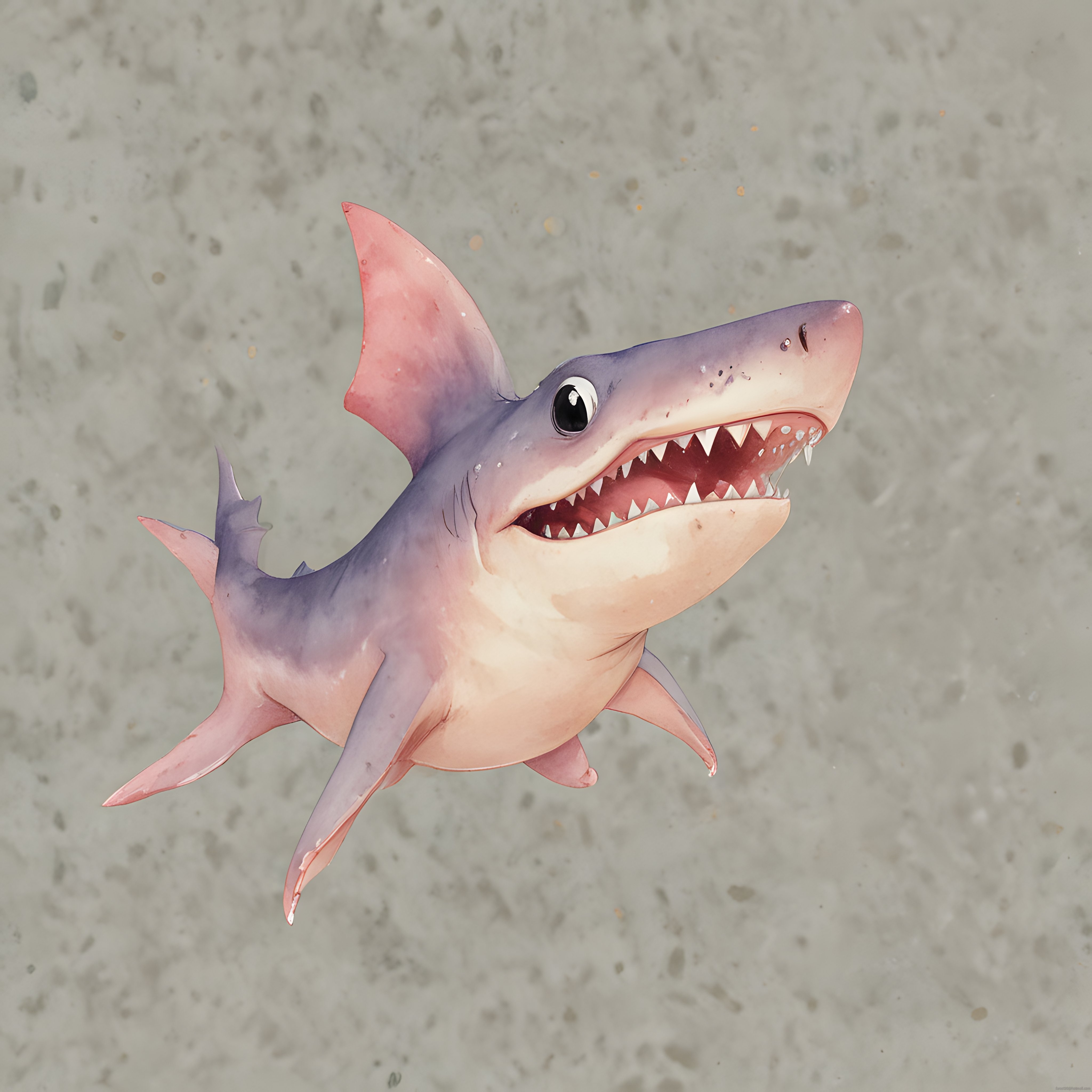
Çekim Tablosu
Belirtme (-i)köpek balığını
Yönelme (-e)köpek balığına
Bulunma (-de)köpek balığında
Çıkma (-den)köpek balığından
Tamlayan (-in)köpek balığının
Çoğul (-ler)köpek balıkları
Tanım
•köpek balıklarından, gövdesi mekik biçiminde, burun kısmı sivri, solungaç yarıkları boynun iki yanında bulunan, kıkırdaklı, yırtıcı balıkların genel adı, canavar
•Köpek balıklarından, gövdesi mekik biçiminde, burun kısmı sivri, solungaç yarıkları boynun iki yanında bulunan, kıkırdaklı, yırtıcı balıkların genel adı
Diğer Dillerde
Almancahai, haifisch (eril) /haɪ̯/
shark
çekim: çoğul Haie · tamlayan Haies
eş: Haifisch
köken: Early 17th century, from Dutch haai, from Middle Dutch haey (15th c.), from Old Norse hár, há- (“shark”).
Hai-Nähe — Köpek balığı yakınlığı
shark · a person profiting from others by treachery
çekim: çoğul requins
eş: houperon, sélachimorphe, squale, chien de mer
köken: From Middle French requin (1539), of uncertain origin. Several hypotheses have been advanced: * From requiem. While early spellings like requien (1578) or requiem (17th c.) may be influenced by this, it is probably a folk etymology. * From re- + Picard or Norman quien (“dog”); cognate of chien. Compare chien de mer (literally “sea dog”), a word used to refer to several species of sharks. *…
aile: grand requin blanc, grand requin-marteau, requin à pointes noires, requin baleine, requin bleu, requin bouledogue, requin cuivre, requin dormeur buffle, requin dormeur cornu, requin dormeur du Pacifique
Proximité des requins — Köpek balığı yakınlığı
Je suis un bébé requin / Au ventre blanc, aux dents nacrées / Dans les eaux chaudes, je t'entraînerai
Avec les chrétiens, avec les païens / Et même les chiens et même les requins / On ira tous au paradis
shark
çekim: çoğul escualos
eş: tiburón, marrajo
köken: Borrowed from Latin squalus (18th century).
Proximidad de los tiburones — Köpek balığı yakınlığı
dogfish · shark
çekim: çoğul pescecani
eş: squalo
köken: From pesce (“fish”) + cane (“dog”). Compare Serbo-Croatian морски пас.
Vicinanza degli squali — Köpek balığı yakınlığı
Rusçaакула (dişil) /ɐˈkuɫə/
shark
çekim: çoğul аку́лы · tamlayan аку́лы
köken: First attested as а́ккула f (ákkula) in 1747 and 1789, а́ккулъ m (ákkul) in 1788, акулъ m (akul) in 1755. Likely inherited from Middle Russian (or possibly a back-formation), attested only as a derivative акулий (akulij) used to describe liver oil of a Greenland shark in a source going back to late 16th or early 17th century. Borrowed from Sami language (compare Skolt Sami akkli, Kildin Sami…
aile: акулёнок, акулёныш, аку́ла капитали́зма, аку́ла пера́, аку́лий зуб
Близость акул — Köpek balığı yakınlığı
Arapçaركان, سَمَكَةُ الْقِرْش, قِرْش, لُخْم
قرش القرب — Köpek balığı yakınlığı
Farsçaکوسه /koː.ˈsa/
shark · man with little or no beard · a carnival character known to the medieval and modern folklore of central and western Persia
çekim: çoğul کوسهها
köken: From Middle Persian [script needed] (kwsk' /kōsag/, “shark; *beardless”), attested in Bundahishn 23.2. Cognate with Khwarezmian کوسیک (kwsyk /*kõsə(k)/), کوسک (kwsk /*kõsak ~ *kōsē/, “beardless”). Compare Arabic كَوْسَج (kawsaj), Old Georgian კოსაკი (ḳosaḳi), კოვსაკი (ḳovsaḳi), Middle Armenian գոսակ (gosak), Armenian քոսակ (kʻosak), Iranian borrowings. Note also Udi куси (kusi, “witch”),…
aile: کوسهٔ ببری, کوسهٔ بزرگ سفید, کوسهٔ سرچکشی
Azericeakula, köpək balığı
Kazakçaакула
shark
çekim: çoğul акулалар · tamlayan акуланың
köken: Borrowed from Russian аку́ла (akúla).
Felemenkçehaai (eril) /ɦaːi̯/
a shark, fish of the superorder Selachimorpha (sometimes also including certain extinct shark-like members of the Elasmobranchii outside this superorder) · a ruthless person · a greedy person
çekim: çoğul haaien
köken: From Middle Dutch haeye, from Old Norse hár (“shark”), with the /j/ appearing influenced by the declined forms /hajə(n)/. Probably from Proto-Germanic *hanh-u-, related to *hakô (“hook”), referring to the shark's back fin. Cognate with Swedish haj, and German Hai.
aile: bakerhaai, citroenhaai, grondhaai, hamerhaai, haringhaai, hondshaai, kathaai, luipaardhaai, makreelhaai, mensenhaai
Haaidichtheid — Köpek balığı yakınlığı
Portekizcetubarão (eril) /tu.baˈɾɐ̃w̃/
shark (fish of the superorder Selachimorpha)
çekim: çoğul tubarões
köken: Unknown. Some sources theorize a derivation from Old Tupi yperu (“shark”) with an unexplained t- prefix, which is highly unlikely due to the word being first attested in 1500, before the Portuguese had enough contact with the language. Compare Spanish tiburón, Galician tabeirón, Catalan tauró.
aile: antitubarão, grande-tubarão-branco, tubarão-azul, tubarão-baleia, tubarão-branco, tubarão-cabeça-chata, tubarão-da-groenlândia, tubarão-duende, tubarão-flamengo, tubarão-frade
Proximidade dos tubarões — Köpek balığı yakınlığı
Near-synonym: cação
[…]e leuaram daly huũ tubaram que bertolameu dijz matou[…]
Yunancaκαρχαρίας (eril)
shark
çekim: çoğul καρχαρίες · tamlayan καρχαρία
köken: From Ancient Greek καρχαρίας (karkharías), from κάρχαρος (kárkharos, “sharp, jagged”). Possibly related to κάρκαρος (kárkaros, “coarse, rough”), but also compare χάραξ (khárax, “pointed stake”) and χαράσσω (kharássō, “to sharpen”); also Old Armenian կարկառ (karkaṙ, “heap of stones”).
aile: μεγαλοκαρχαρίας, φαλαινοκαρχαρίας
Εγγύτητα καρχαριών — Köpek balığı yakınlığı
Korece상어 /sʰa̠ŋʌ̹/
shark
köken: Nativisation of the Sino-Korean term 사어 (沙魚/鯊魚, sa'eo). Note that Middle Chinese 魚 (MC ngjo) had the consonant /ŋ-/ as an initial, and 상어 (sang'eo) is rather 사(沙) /사(鯊) (sa) + ᆼ (ng) + 어(魚) (eo), which preserves the initial Middle Chinese consonant. Compare 잉어 (ing'eo, “carp”).
aile: 돔발상어, 상어피(皮), 철갑(鐵甲)상어
상어 간격 — Köpek balığı yakınlığı
İsveççehaj /ˈhaj/
shark
çekim: çoğul hajar · tamlayan hajs
köken: From Dutch haai or West Flemish haaie (formerly spelt haeye). Cognate with English haye, German Hai.
aile: blåhaj, epåletthaj, galapagostjurhuvudhaj, gråhaj, gråhajartade hajar, hajattack, hajfena, hajleverolja, hammarhaj, hornhaj
Hajarnas närhet — Köpek balığı yakınlığı
Var lär sig hajarna simma? I high / haj [pronounced the same] school.
Lehçerekin (eril) /ˈrɛ.kin/
shark (fish) · shark (relentless and resolute person or group)
çekim: çoğul rekiny · tamlayan rekina
köken: Borrowed from French requin, from Middle French requin, of uncertain origin; see the French for more.
aile: rekini, rekin wielorybi, rekinek
Henryk Połowniak pseud. — Kaplan köpek balığı.
shark (scaleless cartilaginous fish)
çekim: çoğul शार्कें
köken: Borrowed from English shark.
Fincebiljardihai, hai, haukka, korttihai, verenimijä /ˈbiljɑrdiˌhɑi̯/
pool shark
çekim: çoğul biljardihait · tamlayan biljardihain
köken: biljardi + hai
Haiden käyttäytyminen — Köpek balığı yakınlığı
Çekçežralok (eril) /ˈʒralok/
shark · the separation of the sole from the front of a shoe or boot (that makes the front of the shoe look like the open mouth of a shark)
çekim: çoğul žraloci · tamlayan žraloka
köken: Coined by Jan Svatopluk Presl based on Polish żarłok (“glutton”). Analyzable as žral + -ok. From žrát (“eat”). First attested in the 19th century. Compare typologically names for wolverine: Bulgarian лакомец (lakomec); Serbo-Croatian žderonja, ждеравац (cognate via Proto-Slavic *žьrati).
Blízkost žraloka — Köpek balığı yakınlığı
Neviděla toho žraloka pod hladinou.
Zakopl jsem o obrubník a teď mám na botě žraloka.
Rumencerechin (eril)
shark
çekim: çoğul rechini · tamlayan rechinului
köken: Borrowed from French requin.
Apropiere rechini — Köpek balığı yakınlığı
shark
çekim: çoğul cápák
aile: citromcápa, pörölycápa, tigriscápa
A cápák távolsága — Köpek balığı yakınlığı
İbraniceכָּרִישׁ
סמיכות כרישים — Köpek balığı yakınlığı
Latincesqualus /ˈskʷa.ɫʊs/
a kind of large sea fish, thought to be a shark
çekim: çoğul squalī · tamlayan squalī
köken: Uncertain. * Perhaps from Proto-Indo-European *(s)kʷálos (“sheatfish”), cognate with Ancient Greek ἄσπαλος (áspalos), Avestan 𐬐𐬀𐬭𐬀 (kara, “kind of fish”), Old Prussian kalis, and Old English hwæl (“whale”); more information at whale. * De Vaan suggests that it might be related to Latin squāma (“scale”). De Vaan proposes that the term came to refer to a species of fish based on its scales. If this…
aile: squālor, squāleō, squālidus
Endonezcehiu /ˈhiu̯/
shark (scaleless cartilaginous fish)
çekim: çoğul hiu-hiu
köken: From Malay hiu (Standard yu), from Proto-Malayic *hiuʔ, Proto-Malayo-Polynesian *qihu, from Proto-Austronesian *qiSu.
aile: hiu berjalan, hiu berui, hiu biru, hiu botol, hiu galei, hiu gergaji, hiu hidung, hiu kepala martil, hiu parang, hiu raksasa
Ternyata -- ini adalah hiu Galapagos. — Öyle görünüyor ki -bu bir Galapagos köpek balığı-
shark (especially the bigger species)
köken: cá (“fish”) + mập (“fat”).
Khoảng cách giữa Cá mập — Köpek balığı yakınlığı
Litvancaryklys (eril) /rʲiː²ˈklʲiːs/
shark · insatiable, predatory, greedy person
çekim: çoğul rykliai̇̃ · tamlayan rỹklio
köken: From rýti (“to devour”) + -klỹs.
Etimoloji
Compound of köpek (“dog”) + balık (“fish”), likely a calque of Greek σκυλόψαρο (skylópsaro).
Kelime Ailesi
Mustelus mustelus
Eş & Zıt Anlamlılar
Örnek Cümleler
Köpek balığı yakınlığı
Shark proximity
Bir beyaz köpek balığı.
He's a great white shark.
Köpek balığı çorbası mı ?
Pepper shark soup?
Onlar köpek balığı yerler.
They eat shark.
O bir köpek balığı olabilir.
It might be a shark.
Köpek balığı çorbası hazır !
THE SHARK SOUP IS READY!
Hiç bir köpek balığı gördün mü?
Have you ever seen a shark?
Pete, ben köpek balığı gibiyim.
Pete, I'm like a fucking shark.
Bir köpek balığı onu yiyip bitirdi.
A shark devoured him.
Hiç Köpek balığı çorbası içtin mi ?
Have you ever had pepper shark soup?
Köpek balığı onu bacağından yakaladı.
The shark seized him by the leg.
Bir köpek balığı tarafından saldırıya uğradı.
He was attacked by a shark.
İlgili Sorular
Lazer gözlü bir köpek balığı ile wolverine pençeli bir T-rex arasındaki dövüşte kim kazanır?
Lazer gözlü köpek balığı ve wolverine pençeli T-rex arasında kimin daha güçlü olduğunu anlatır mısınız?
Lazer gözlü köpek balığı ile wolverine tırnaklı T-rex'in birbirleriyle savaşı sonucunda galip gelen hangisi olur?
Lazer gözlü bir köpek balığı ile wolverine pençeli bir T-rex'in karşı karşıya geldiğinde hangisinin kazanacağını detaylı olarak açıklar mısınız?
Lazer gözleri olan bir köpek balığı ile wolverine pençeleri bulunan bir T-rex arasında kimin üstün olduğu konusunda bir açıklama yapar mısınız?