Sözlük
/köfte
köfte
/cœfte/
noun
C1 seviye
TR → EN
"köfte" kelimesinin İngilizcesi: kofta, meatball, croquette, meatball, meatball. Anlamı, çevirisi, telaffuzu ve örnek cümleler aşağıdadır.
Çeviri
Genelkoftanoun
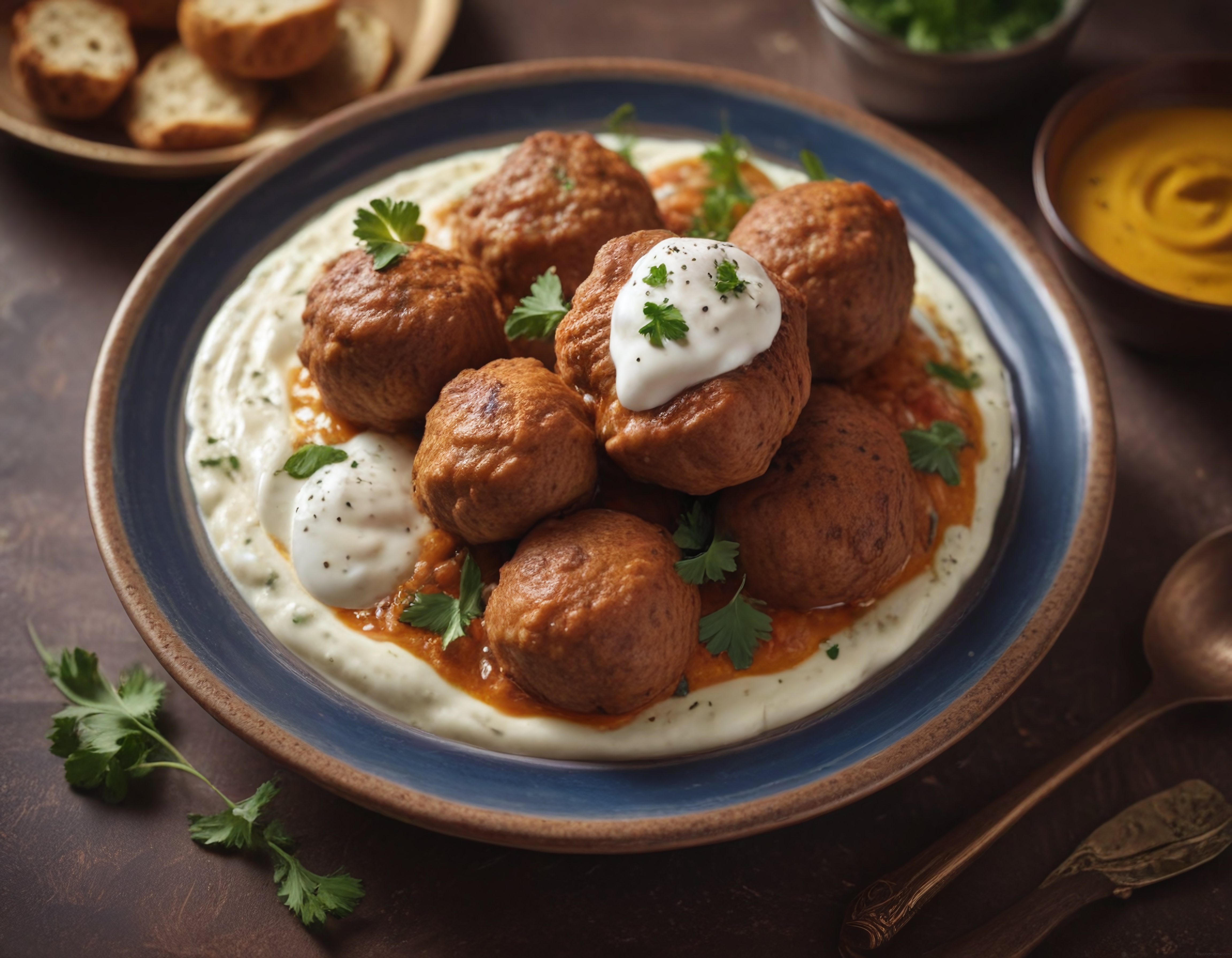
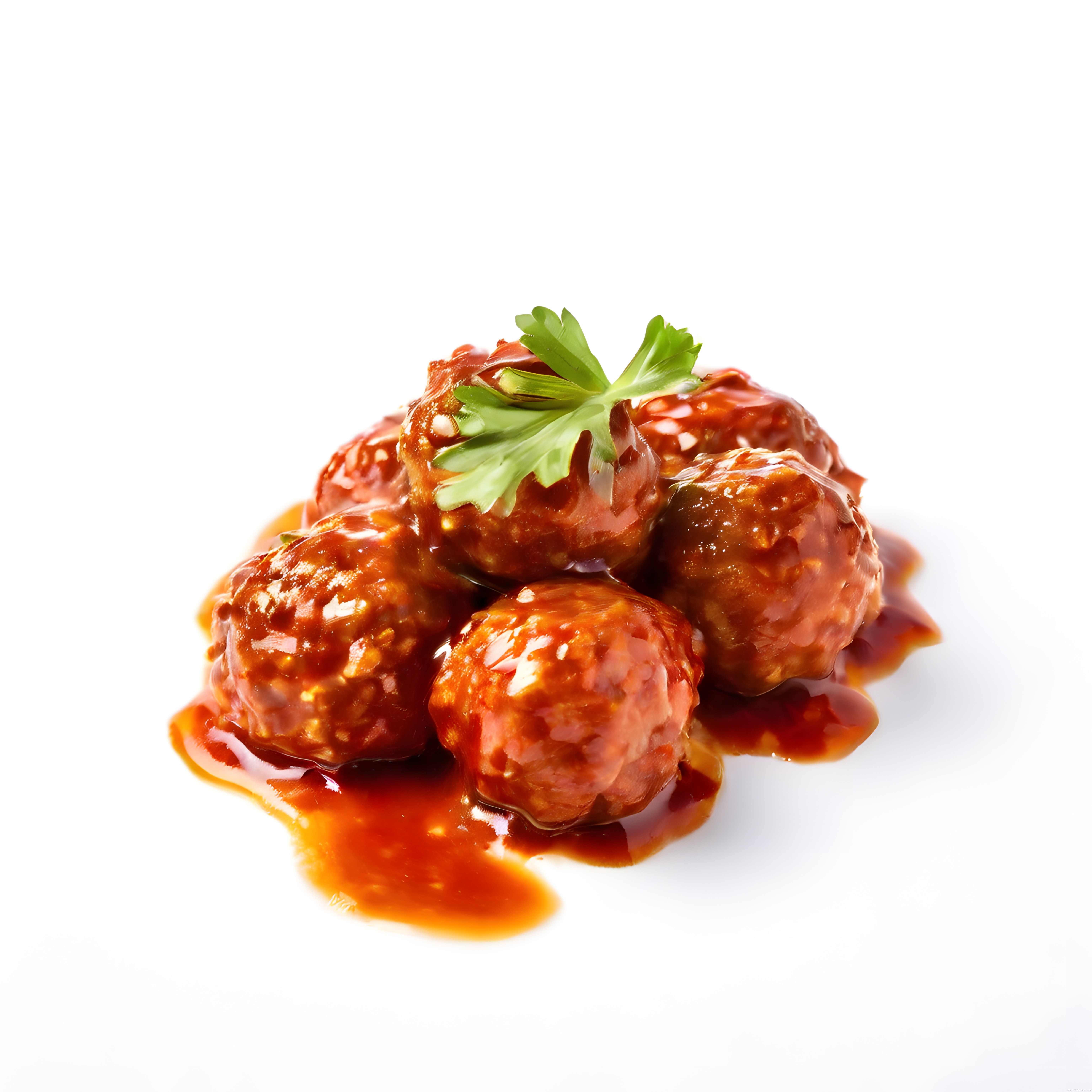
Genelmeatballnoun
Genelcroquette
Genelmeatball
Genelmeatball
Genelkofta
Genelkofta
Görsel
Çekim Tablosu
Belirtme (-i)köfteyi
Yönelme (-e)köfteye
Bulunma (-de)köftede
Çıkma (-den)köfteden
Tamlayan (-in)köftenin
Çoğul (-ler)köfteler
Tanım
•genellikle kıyılmış etten, bazen de tavuk, balık veya patatesten yapılan, türlü biçimlerde pişirilen yemek
•Genellikle çekilmiş etten, bazen de tavuk, balık veya patatesten yapılan, türlü biçimlerde pişirilen yemek
Diğer Dillerde
Almancafrikadelle (dişil) /fʁikaˈdɛlə/
frikadelle, rissole, fried meatball
çekim: çoğul Frikadellen · tamlayan Frikadellen
eş: Beefsteak, Bratklops, Boulette, Bratklößchen, Brisolette, Bulette
köken: Late 17th century, borrowed from Dutch frikadel (attested 1607), itself from French fricadel(le). The French is only recorded in 1742, but its earlier existence is likely as it is a variant of fricandeau (1548), which see. A further relation with Italian frittatella is speculative. Derivation of German Frikadelle from Italian instead of Dutch (as suggested in some sources) is implausible in view…
aile: Frika, Friko, Fischfrikadelle
Ich möchte fünf Köfte. — Beş köfte istiyorum.
Fransızcaboulette, croquette (dişil) /bu.lɛt/
small ball · meatball
çekim: çoğul boulettes
eş: quenelle, kefta, polpetta, Knödel
köken: From boule + -ette.
Des boulettes Bong ! — Bong(?) hamur köfteleri!
İspanyolcaalbóndiga, albondiguilla, almóndiga, croqueta (dişil) /alˈbondiɡa/
meatball
çekim: çoğul albóndigas
köken: From Andalusian Arabic البُنْدُقَة (al-bunduqa, “the hazelnut”), from Arabic بُنْدُق (bunduq, “hazelnut, pebble, bullet”), from Middle Persian pndk' (pondik, “hazelnut”), from Ancient Greek Ποντικόν κάρυον (Pontikón káruon, “Pontic nut”). Compare Ladino albondiga and Portuguese almôndega.
aile: albondigón, albondiguilla
Le encantan las calabazas. — Herkes köftelerine bayılır.
İtalyancacrocchetta, polpetta (dişil) /krokˈket.ta/
croquette · kibble (pet food) · tater tot
çekim: çoğul crocchette
eş: polpettina fritta, croquette, supplì
Vorrei cinque polpette. — Beş köfte istiyorum.
Rusçaкотлета (dişil) /kɐtˈlʲetə/
meat patty, · cutlet, pork chop · bomb, a large sum of money
çekim: çoğul котле́ты · tamlayan котле́ты
köken: Borrowed from French côtelette.
aile: котле́тный, котле́тная
«Пражская весна». — "Köfte baharı".
Arapçaكُرَات اللَحْم
زلابية بونغ! — Bong(?) hamur köfteleri!
Farsçaکلهگنجشکی
Azericeköfte, küftə /cyfˈtæ/
kofta
çekim: çoğul küftələr · tamlayan küftənin
köken: Borrowed from Classical Persian کوفته.
Kazakçaфрикаделька
Özbekçefrikadelka
Felemenkçegehaktbal (eril) /ɣəˈɦɑktˌbɑl/
mince ball, meatball
çekim: çoğul gehaktballen
köken: From gehakt + bal.
Bong knoedels! — Bong(?) hamur köfteleri!
Portekizcealmôndega, croquete (dişil) /awˈmõ.de.ɡɐ/
meatball (ball of minced meat)
çekim: çoğul almôndegas
eş: polpeta, porpeta, pelota de carne
köken: From Andalusian Arabic البُنْدُقَة (al-bunduqa), from Arabic بُنْدُق (bunduq, “hazelnut, pebble, bullet, gun”), from Middle Persian pndk' (pondik, “hazelnut”), from Ancient Greek Ποντικόν κάρυον (Pontikón káruon, “Pontic nut”). Compare Spanish albóndiga.
E a "fruta-milagrosa" — se não a conhecem é um ingrediente natural que contém uma propriedade especial. — Ve kesinlikle dünyanın ilk kanayan sebze köftesi, ve bu da harika bir yan etki.
Yunancaκεφτές (eril) /ceˈftes/
meatball, kofta · meat patty
çekim: çoğul κεφτέδες · tamlayan κεφτέ
köken: Borrowed from Ottoman Turkish كوفته (köfte), from Classical Persian کوفته (kōfta).
aile: κεφτεδάκι, ρεβυθοκεφτές, κολοκυθοκεφτέδες, τοματοκεφτές
Μπονγκ(;) Μπουλέττες! — Bong(?) hamur köfteleri!
croquette
köken: Borrowed from French croquette.
このポン餃子は餃子の中に 餃子が入って — Bong(?) hamur köfteleri!
meatball, quenelle, meat dumpling
köken: Of native Korean origin. From 고기 (gogi, “meat”) + 완자 (wanja, “fried meatball”).
웃음과 풍자 넘치는 홈멜러物”. — Bulgurdan pilav ve kıyma (çiğ köfte)yaparlar.
İsveççeköttbulle /ˈɕœtːˌbɵlɛ/
a meatball (ball of minced meat)
çekim: çoğul köttbullar · tamlayan köttbulles
köken: kött (“meat”) + bulle (“bun”)
Bong Dumplings! — Bong(?) hamur köfteleri!
köttbullar med stuvade makaroner
trilla köttbullar
meatball · failure, misadventure, fiasco
çekim: çoğul klopsy · tamlayan klopsa
eş: pulpet
köken: From northeastern German Klops.
"Chołodnyj Jar". — "Köfte baharı".
Ukraynacaтюфтельки
«Тетянина весна». — "Köfte baharı".
Fincekroketti, kuorukka, lihapulla, lihapyörykkä /ˈkroketːi/
croquet
çekim: çoğul kroketit · tamlayan kroketin
köken: From Norman croquet.
aile: krokata, krokettimaila, krokettinuija, krokettipallo
Sadekausia on kaksi. — Devamı Köfte Yağmuru 2'dir.
Rumencechiftea, pârjoală (dişil) /kifˈte̯a/
meatball, kofta
çekim: çoğul chiftele · tamlayan chiftele
köken: Borrowed from Ottoman Turkish كوفته (köfte), from Persian کوفته (kufte), from the verb کوفتن (kuftan, “to beat, to grind”).
aile: chifteluță
Galuste! — Bong(?) hamur köfteleri!
Macarcafasírt, húsgombóc, krokett /ˈfɒʃiːrt/
frikadelle, rissole, meatball (flat, pan-fried meatballs of minced meat)
çekim: çoğul fasírtok
köken: First attested in 1894. Borrowed from Austrian German Faschiertes (“minced meat”).
A Műcsarnok tavaszi tárlata”. — "Köfte baharı".
İbraniceקציצה (dişil)
A hamburger patty or meatball.
çekim: çoğul קְצִיצוֹת
"משרד בתל אביב". — "Köfte baharı".
Norveççekjøttbolle, kjøttkake
Det ser ut til at alle liker seg i Skårafjæra. — Herkes köftelerine bayılır.
bakso, Indonesian meatball
çekim: çoğul bakso-bakso
köken: From Hokkien 肉燥 (bah-sò), from 肉 (bah, “meat, flesh; pork”) + 燥 (sò, “minced meat”).
Pangsit Bong! — Bong(?) hamur köfteleri!
Vietnamcamọc, thịt viên /mawk͡p̚˧˨ʔ/
to shoot out of the soil · to start to grow, extend or expand · to start growing hair, nails, teeth, feathers, claws, lumps, pimples
köken: Inherited from Proto-Austroasiatic *mɔːkʔ (“to emerge”); cognate with Khmer មក (mɔɔk, “to come, come near, approach”) and Old Mon mok (“to appear”).
Há cảo Bong! — Bong(?) hamur köfteleri!
Tre già, măng mọc.
Bé mới mọc răng.
mọc mụn đầy mặt
Bulgarcaкюфте (nötr) /kʲo̟fˈtɛ/
meatball · butterball, fatso (short fat person)
çekim: çoğul кюфте́та
köken: Borrowed from Ottoman Turkish كوفته (köfte), from Classical Persian کوفْتَه (kōfta, “kofta”).
Обработка на шоколадов кувертюр – — Analı kuzulu köfte tarifi
Litvancamėsos kamuolys, mėsos kukuliai
Neaustinis flizelinas: jo pagrindo medžiaga 100 % medvilnė, padengta klijų lašeliais. — Ana madde: Akhisar Köfte Akhisar köfte, %100 oranında dana etinden üretilir.
Etimoloji
Farsça
Örnek Cümleler
Köfte sever misin?
Do you like dumplings?
Beş köfte istiyorum.
I want five köftes.
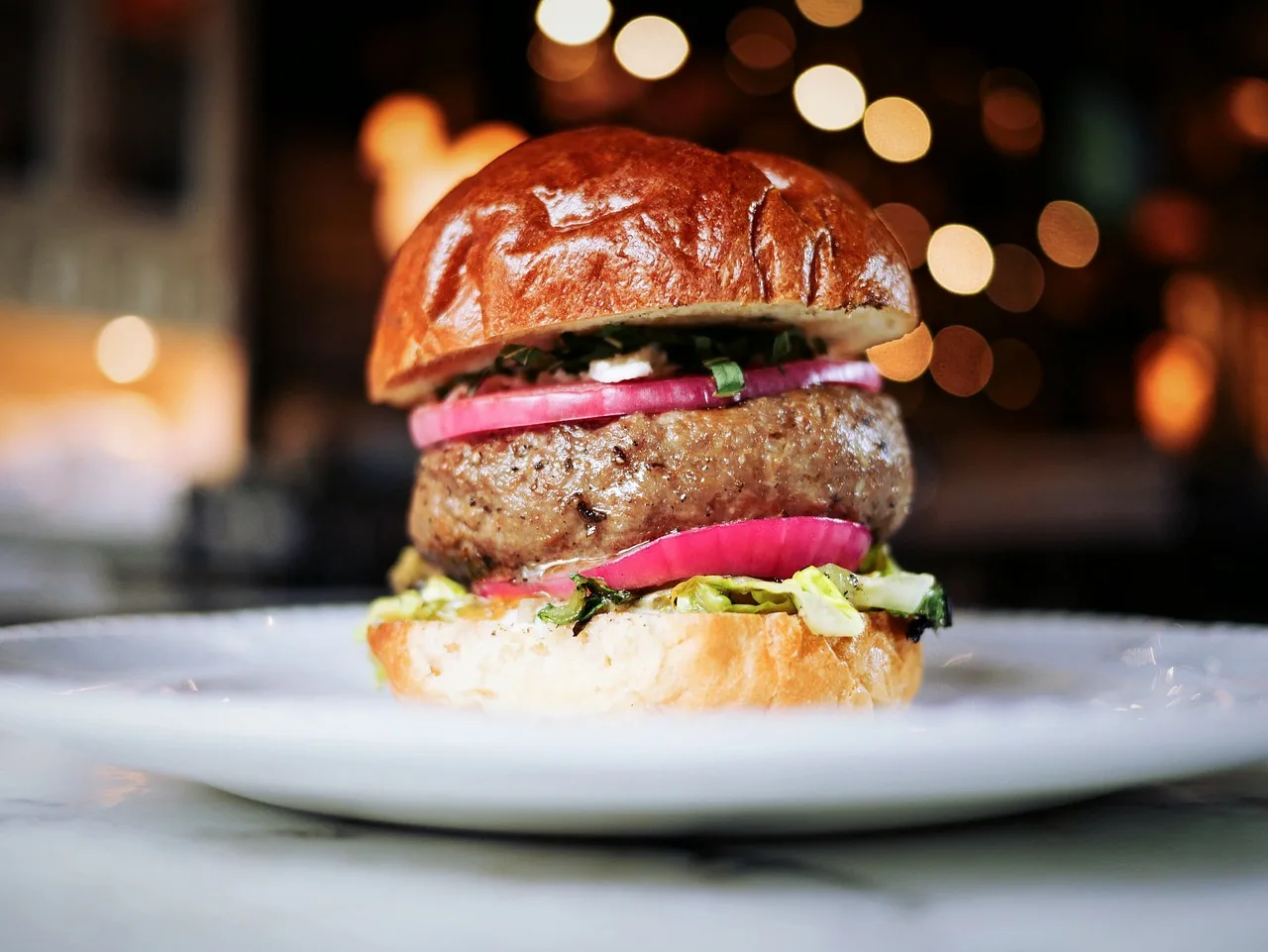
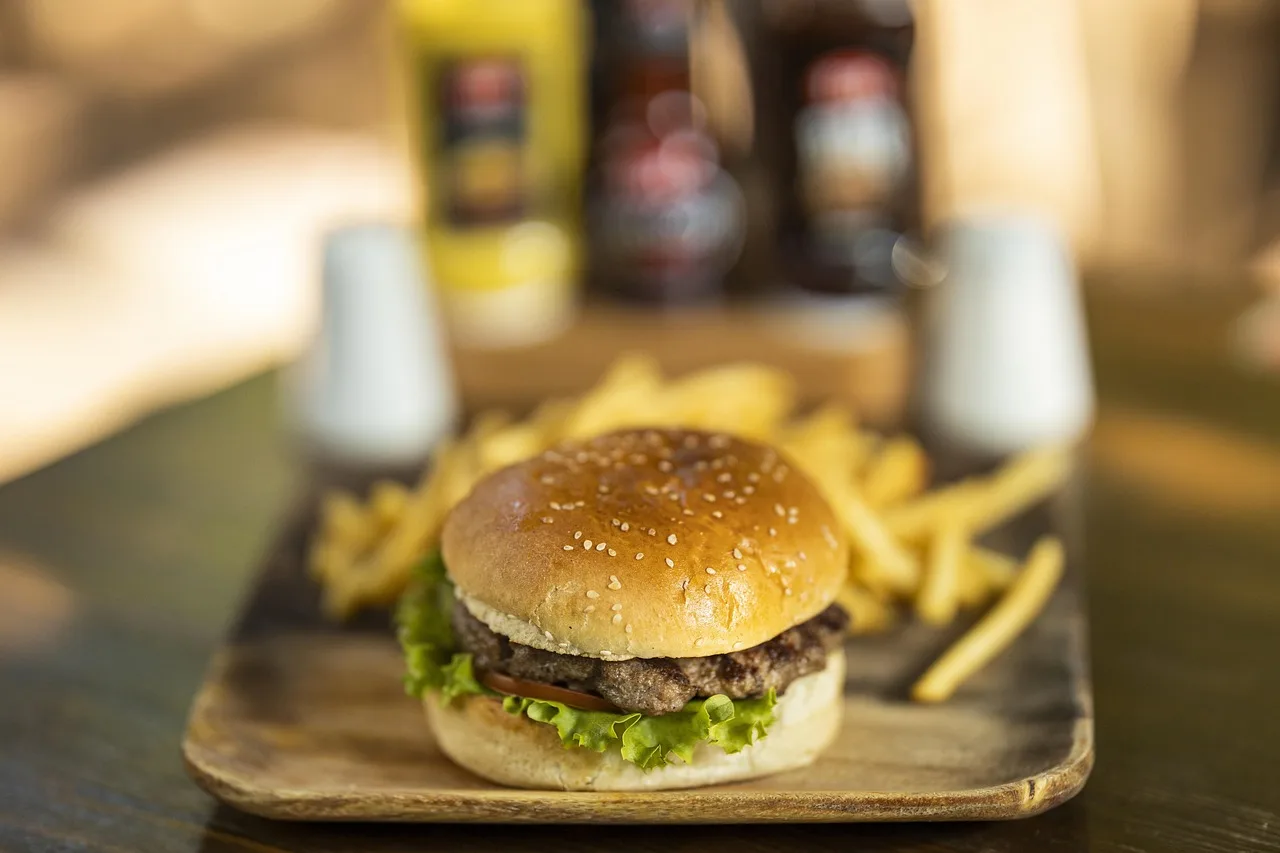
Burger köftesi nerede?
Where's the burger patty?
Köfte yemek ister misin?
Do you want to eat meatballs?
Bong(?) hamur köfteleri!
Bong(?) Dumplings!
Bugün peynirli köfte yedik.
Today we ate potato dumplings.
Rulo köfteni yemeyecek misin?
Aren't you going to eat your roll?
Biraz köfte yemek ister misin?
Would you like to have some meatballs?
Geçimini köfte satarak karşılar.
They get out by selling their casino.
Dondurulmuş bufalo burger köftesi
Frozen buffalo burger patties
Buna Bong hamur köftesi deniliyor.
This is called Bong Dumplings.
Bunların hepsi o yediğin köftelerden
It is all from those martian balls you are eating.
İlgili Sorular
8 gün boyunca hamburger köftesinin merkezine iki domates koyduk, şu ana kadar küf, koku gibi bir değişiklik gözlemledik mi?
Bir hamburger köftesinin ortasına iki domates ekleyip sekiz gün sakladıktan sonra hiçbir şey olmaması beklenen bir durum mu?
Çocuk deneyi: Bir hamburger köftesinin ortasına 2 domates koyarsak 8 gün sonra ne olur? Şimdilik bir şey olmadı.