arpa
/ɑɾ.pɑ/
noun
C2 seviye
TR → EN
"arpa" kelimesinin İngilizcesi: barley, barley, forage, orgeat, barley. Anlamı, çevirisi, telaffuzu ve örnek cümleler aşağıdadır.
Çeviri
Genelbarleynoun
Genelbarley
Genelforage
Genelorgeat
Genelbarley
Genelbarley
Görsel
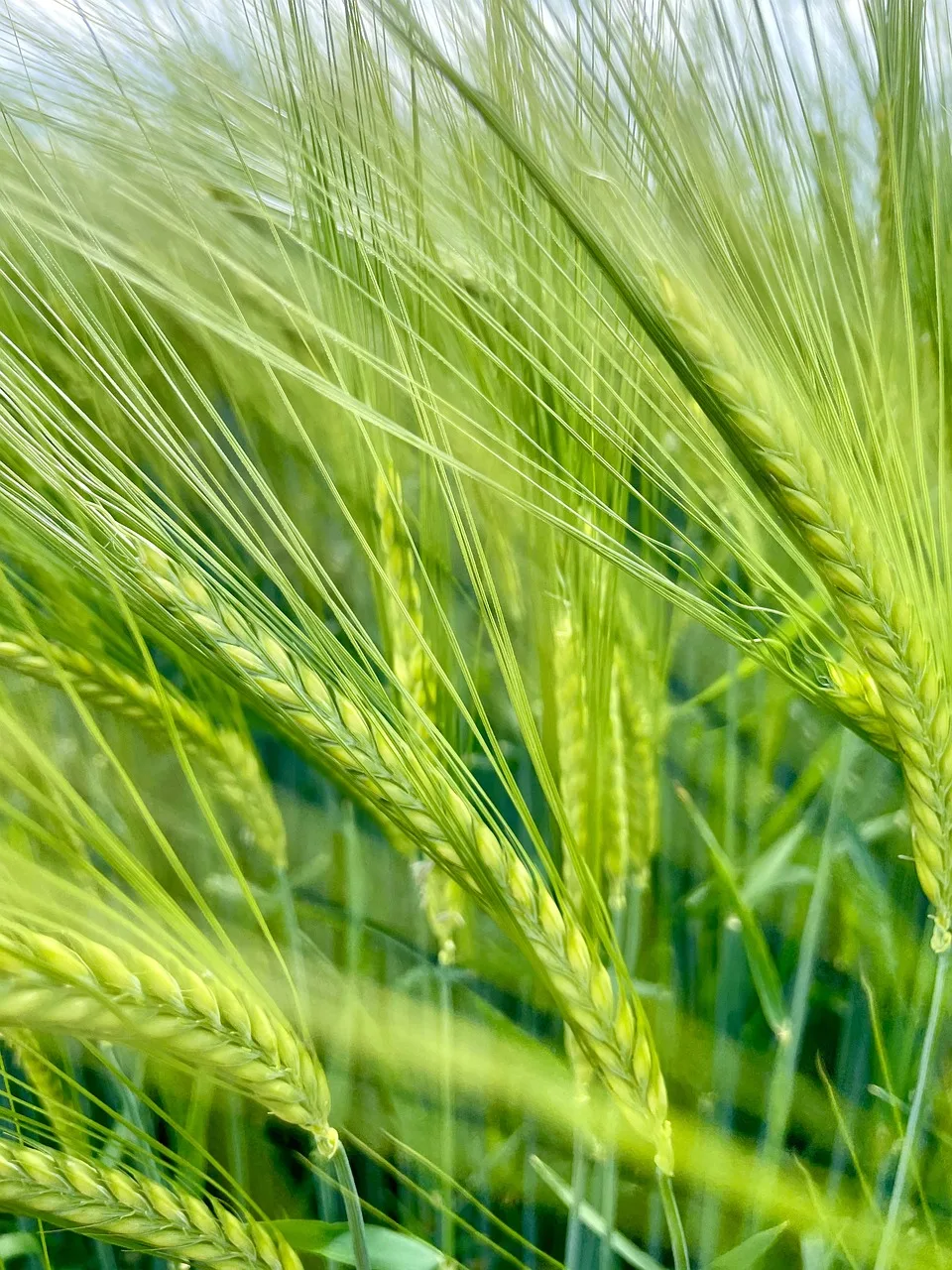

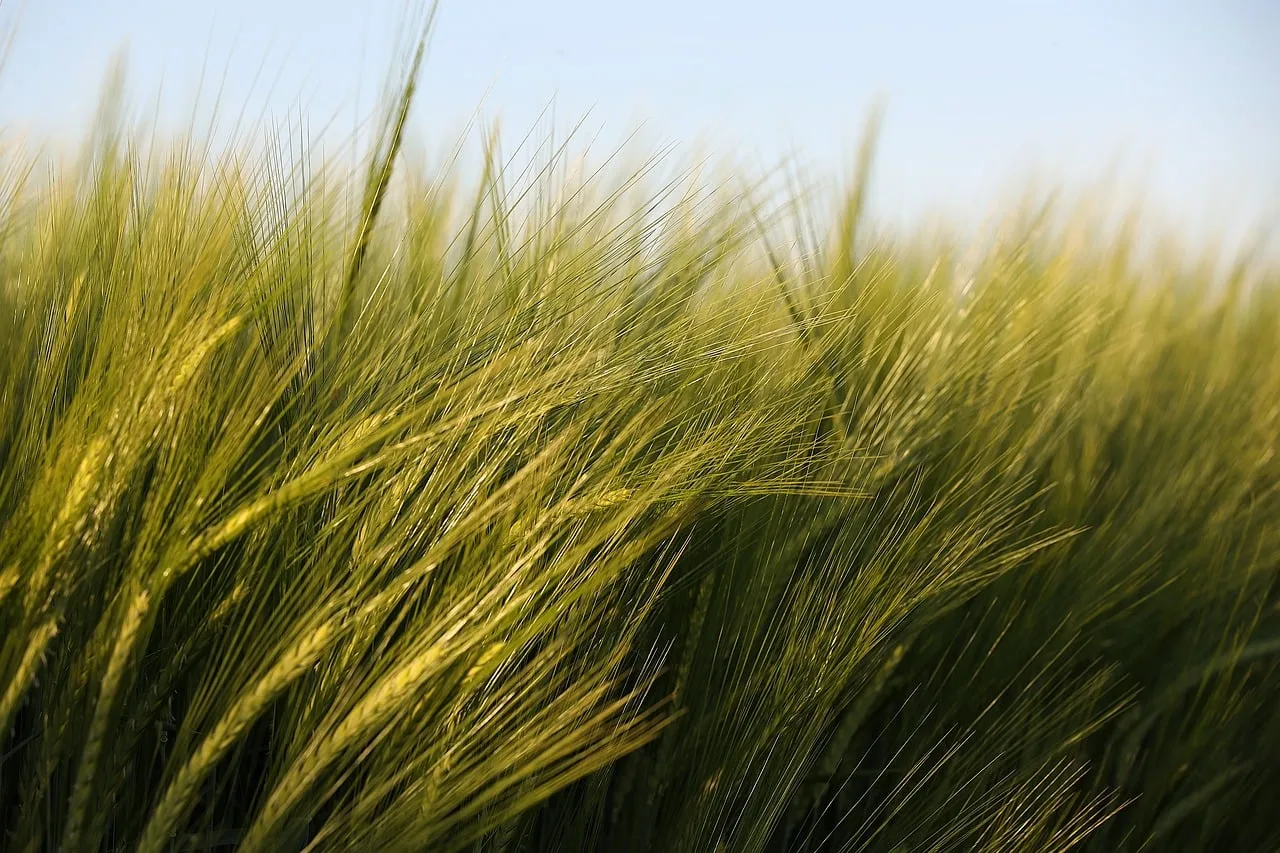
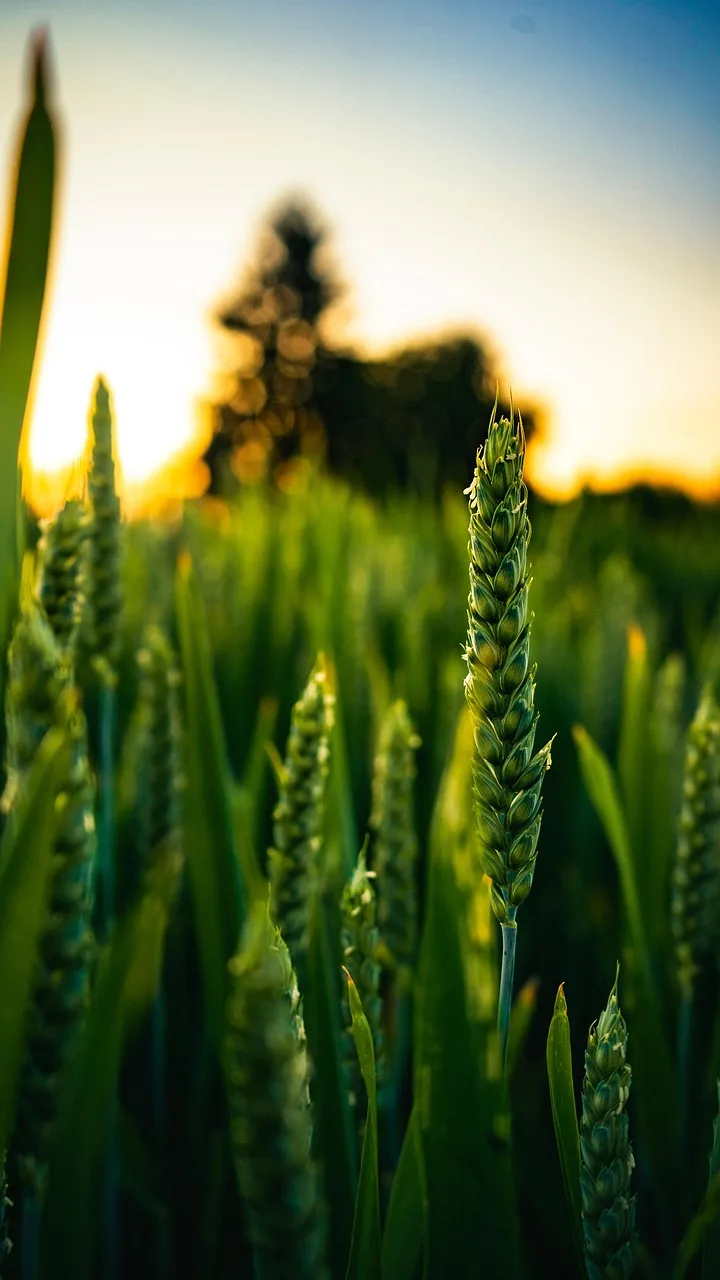
Çekim Tablosu
Belirtme (-i)arpayı
Yönelme (-e)arpaya
Bulunma (-de)arpada
Çıkma (-den)arpadan
Tamlayan (-in)arpanın
Çoğul (-ler)arpalar
Tanım
•isim, bitki bilimi: Buğdaygillerden bir bitki (Hordeum vulgare)
•Bu bitkinin ekmek ve bira yapımında kullanılan, hayvanlara yem olarak verilen taneleri
•argo: rüşvet
Atasözü & Deyim
“Arpa eken buğday biçmez”
“Arpa samanıyla, kömür dumanıyla”
“Arpa unundan kadayıf olmaz”
“Bıldırcının beyliği arpa biçimine kadardır”
“Aç tavuk kendini arpa (buğday) ambarında sanır”
Diğer Dillerde
Almancagerste (dişil) /ˈɡɛrstə/
barley
çekim: çoğul Gersten · tamlayan Gersten
eş: Wern
köken: From Middle High German gerste, from Old High German gersta, from Proto-West Germanic *gerstu (“barley”). Cognate with Dutch gerst.
aile: Gerstenbrot, Gerstenbier, Gerstenfeld, Gerstenkorn, Gerstenmalz, Gerstensaft, Biergerste, Kulturgerste, Mähnen-Gerste, Mäuse-Gerste
Arpad Biro — Arpad Biro
barley
çekim: çoğul orges
köken: Inherited from Old French, from Latin hordeum, ultimately from Proto-Indo-European *ǵʰr̥sdeyom (“bristly”).
aile: orge perlé, orgeat, orgelet, sucre d'orge
Arpad Biro — Arpad Biro
İspanyolcacebada, forraje, forrajear, forrajeo (dişil) /θeˈbada/
barley
çekim: çoğul cebadas
köken: Inherited from Latin cibāta. Cognate with Catalan civada (“oat”), Portuguese cevada.
aile: cebadilla
Esa idea es el ARPANet. — İşte bu ARPANET'ti.
İtalyancaorzo (eril) /ˈɔr.d͡zo/
barley
çekim: çoğul orzi
eş: scandella
köken: From Latin hordeum (see there for cognates), ultimately from Proto-Indo-European *ǵʰr̥sdeyom (“bristly”). Compare Sicilian oriu.
aile: caffè d'orzo, orzaiolo, orzare, orzata, orzotto
Arpad Biro — Arpad Biro
Rusçaкорм, кормле́ние, фура́ж, фуражи́ровать, ячме́нь /korm/
feed, fodder, food for animals · the act of feeding
çekim: çoğul корма́ · tamlayan ко́рма
eş: кормление, кормёжка, кормленье
köken: Inherited from Old East Slavic кърмъ (kŭrmŭ), from Proto-Slavic *kъrmъ.
aile: кормова́я ба́за, Phrases, не в коня́ корм
Arpad Biro — Arpad Biro
Arapçaشَعِير
سام ارفكشاد شالح — Sam, Arpakşat, Şelah,
Farsçaجو /ˈd͡ʒaw/
barley · grain
köken: From Middle Persian [Book Pahlavi needed] (Šᵍ /jaw/), from Old Persian *yáwaʰ, from Proto-Iranian *yáwah, from Proto-Indo-Iranian *yáwas, from Proto-Indo-European *yéwos (“barley, cereal”).
aile: جنگجو, دانشجو
Kazakçaарпа
barley, Hordeum
çekim: çoğul арпалар · tamlayan арпаның
köken: From Proto-Turkic *arpa (“barley”).
Felemenkçegerst, gort
Arpad Biro — Arpad Biro
Portekizcecevada, coleta, forrageamento, forragear, forragem (dişil) /seˈva.dɐ/
barley (strong cereal of the genus Hordeum, or its grains)
çekim: çoğul cevadas
köken: From Old Galician-Portuguese cevada (13th century, Cantigas de Santa Maria), from Latin cibāta. Cognate with Galician cebada, Spanish cebada and Catalan and Occitan civada.
Arpad Biro — Arpad Biro
Yunancaκριθάρι (nötr) /kriˈθari/
barley
çekim: çoğul κριθάρια · tamlayan κριθαριού
köken: From Koine Greek κριθάριον (krithárion), diminutive of κρῑθή (krīthḗ, “a grain of barley”).
Αυτή η ιδέα είναι το ARPAnet. — İşte bu ARPANET'ti.
Korece보리 /po̞ɾi/
barley
köken: First attested in the Gugeupganibang eonhae (救急簡易方諺解 / 구급간이방언해), 1489, as Middle Korean 보리 (Yale: pwòlì). Cho Hang-bum believes that the prefix is from a reference to barley as an inferior or an "approximate" rice.
aile: 겉보리, 납작보리, 보리개떡, 보리깜부기, 보리논, 보리농사, 보리동지, 보리밟기, 보리밥, 보리밭
"셈, 아르박삿, 셀라" — Sam, Arpakşat, Şelah,
İsveççekorn (nötr) /kʰuːɳ/
a grain (single seed of grass food crops) · a kernel (of corn or wheat) · a grain (of some other seeds)
çekim: çoğul korns · tamlayan korns
köken: From Old Norse korn, from Proto-Germanic *kurną, from Proto-Indo-European *ǵr̥h₂nóm.
Arpad Biro — Arpad Biro
vetekorn
rågkorn
riskorn
Lehçejęczmień (eril) /ˈjɛnt͡ʂ.mjɛɲ/
barley (Hordeum vulgare) · any plant of the genus Hordeum · stye (bacterial infection)
çekim: çoğul jęczmienie · tamlayan jęczmienia
eş: jęczmyk
köken: Etymology tree Proto-Slavic *ęčьmy Polish jęczmień Inherited from Proto-Slavic *ęčьmy (“barley”).
aile: jęczmienny
Skam PL hitem sieci! — Arpacık: dürbün ağı.
Ukraynacaячмі́нь
Arpad Biro — Arpad Biro
Hintçeजौ (eril) /d͡ʒɔː/
barley
çekim: çoğul जौओं
köken: Etymology tree Proto-Indo-European *yew- Proto-Indo-European *-os Proto-Indo-European *yéwos Proto-Indo-Iranian *yáwas Sanskrit यव (yava) Prakrit 𑀚𑀯 (java) Hindi जौ Inherited from Prakrit जव (java), from Sanskrit यव (yava). Related to जई (jaī, “oats”), जुआर (juār), and अजवाइन (ajvāin, “ajwain”).
To pasture, graze.
çekim: geçmiş laiduntanut · şimdiki laiduntaisi · ulaç laiduntava
köken: laidun + -taa
aile: laidunnus, laiduntaminen
Se sisälsi arseenia. — İşte bu ARPANET'ti.
Çekçearpa suyu, ječmen (eril) /ˈjɛt͡ʃmɛn/
barley
çekim: çoğul ječmeny · tamlayan ječmena
köken: Inherited from Old Czech jěčmen, from Proto-Slavic *ęčьmy.
aile: ječný, ječmenář, ječmenisko, ječmeniště, ječniště
Arpad Biro — Arpad Biro
Rumenceorz (nötr) /orz/
barley
çekim: çoğul orzuri · tamlayan orzului
köken: Inherited from Latin hordeum, ultimately from Proto-Indo-European *ǵʰr̥sdeyom (“bristly”).
aile: orzar, orzărie, orzișor
Despre asta este vorba în ARTPOP. — İşte bu ARPANET'ti.
Macarcaabrak, árpa, gyűjtöget, takarmány /ˈɒbrɒk/
fodder (food for animals)
çekim: çoğul abrakok
köken: From a Slavic language. First attested in 1494–1495. Compare Polish obrok, Serbo-Croatian obrok.
aile: abrakol, abrakos, abrakadag, abrakborsó, abrakcipó, abrakjászol, abrakkosár, abrakmester, abrakmérték, abrakrosta
Bíró Árpád — Arpad Biro
İbraniceאביסה, מספוא, שעורה (dişil) /se(ʔ)oˈʁa/
barley
çekim: çoğul שְׂעוֹרִים
שם ארפכשד שלח׃ — Sam, Arpakşat, Şelah,
Latincefrūmentor, hordeum, pābulor /ˈhɔr.de.ũː/
barley
çekim: çoğul hordea · tamlayan hordeī
köken: From Proto-Italic *horzdeom, from Proto-Indo-European *ǵʰr̥sdeyom (“bristly”) after the long prickly awns of the ear of grain. Cognate to Old High German gersta (“barley”), German Gerste (“barley”), English gorse. Possibly cognate to Ancient Greek κριθή (krithḗ) (see there for more). Related to Latin horreo (“to bristle”), hirsutus (“hairy”), and ericius (“urchin”).
aile: hordeāceus, hordeārius, *hordeāta, hordeātus, hordeolus, hordior
Dancabyg /ˈb̥yɡ̊/
barley (cereal of the genus Hordeum (especially Hordeum vulgare), or its grains)
çekim: tamlayan bygs
köken: From Old Norse bygg n (“barley”), from Proto-Germanic *bewwą.
Arpad Biro — Arpad Biro
Norveççebygg
Sem, Arpaksad, Salah, — Sam, Arpakşat, Şelah,
Vietnamcalúa mạch /luə˧˦ majk̟̚˧˨ʔ/
barley
köken: Compound of lúa (“paddy”) + mạch (“barley”, Sino-Vietnamese word from 麥).
Sem sanh A-bác-sát , A-bác-sát sanh Sê-lách , — Sam, Arpakşat, Şelah,
Bulgarcaечеми́к, събирам фураж, фураж
Arpad Biro — Arpad Biro
Etimoloji
From Ottoman Turkish آرپه (“barley”), itself from Proto-Turkic *arpa (“barley”).
Deyimler
arpa siyah rastığı
bir arpa boyu kadar gitmek
Kelime Ailesi
Hordeum vulgare
Örnek Cümleler
Arpad Biro
Arpad Biro
Çiftçi arpa ekti.
The farmer planted barley.
İşte bu ARPANET'ti.
See also Artah.
Çeviren: Ahmet Arpad.
Translated by Makbul Ahmed.
Sam, Arpakşat, Şelah,
Shem, Arpachshad, Shelah,
Arpa bu alanda ekilir.
Barley is planted in this field.
Çiftçiler arpa ekiyor.
The farmers are planting barley.
Ben tarlama arpa ektim.
I sowed my field with barley.
Sen tarlana arpa ektin.
You sowed your field with barley.
O, tarlasına arpa ekti.
He sowed his field with barley.
Tom tarlasına arpa ekti.
Tom sowed his field with barley.
Mary tarlasına arpa ekti.
Mary sowed her field with barley.
İlgili Sorular
İlgili / Bileşik Terimler
Genelbarley water
Birleşik Kelimeler
arpa ekmeğiarpa güvesiarpa suyuarpa şehriyeyemlik arpa