Sözlük
/Balık
balık
/baˈɫɯk/
noun
A2 seviye
TR → EN
"balık" kelimesinin İngilizcesi: pisces, fish, hack, fish, pisces. Anlamı, çevirisi, telaffuzu ve örnek cümleler aşağıdadır.
Çeviri
Bilimpiscesname
Bilimfishnoun
Genelhack
Genelfish
Genelpisces
Genelfish
Genelpisces
Genelfish
Genelpisces
Görsel


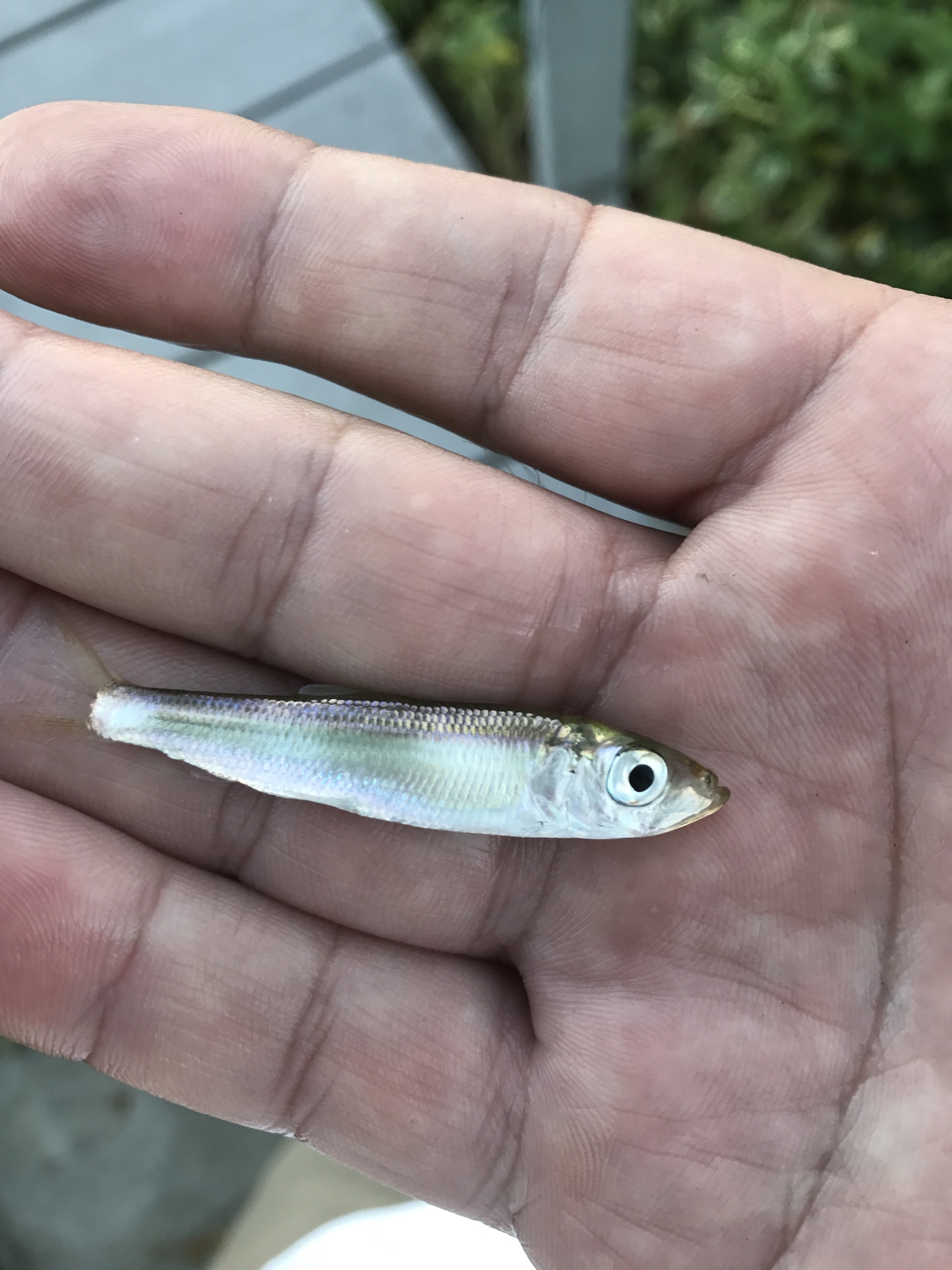
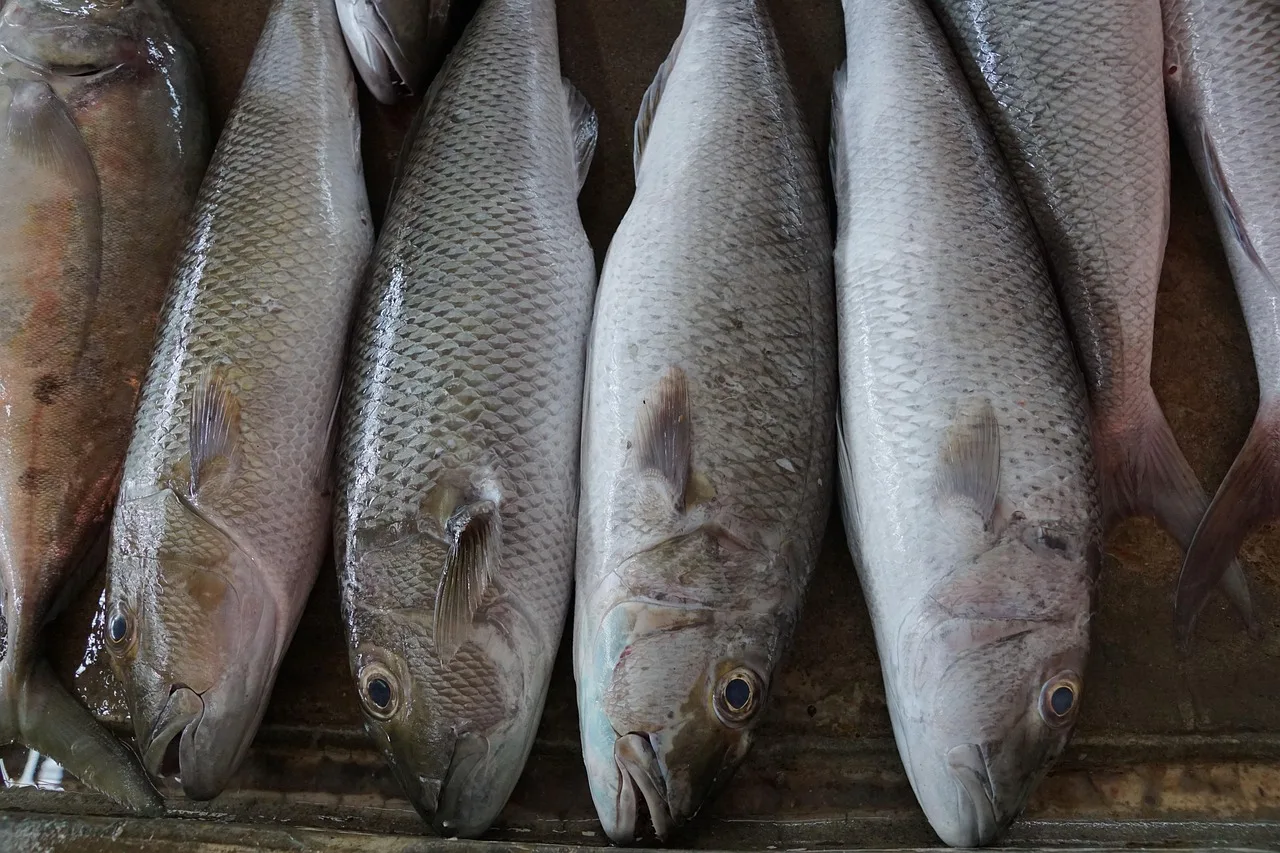
Çekim Tablosu
Belirtme (-i)balığı
Yönelme (-e)balığa
Bulunma (-de)balıkta
Çıkma (-den)balıktan
Tamlayan (-in)balığın
Çoğul (-ler)Balıklar
Tanım
•isim: Omurgalılardan, suda yaşayan, solungaçla nefes alan ve yumurtadan üreyen hayvanların genel adı
Atasözü & Deyim
“Balık baştan avlanır”
“Balık baştan kokar”
“Kaçan balık büyük olur”
“Paça ıslanmadan balık tutulmaz”
“Miri malı balık kılçığıdır, yutulmaz (balık kılçığı gibi boğazda kalır)”
Diğer Dillerde
fish (cold-blooded vertebrates living in water) · fish (any animal or any vertebrate living exclusively in water) · fish (food)
çekim: çoğul Fische · tamlayan Fisches
köken: From Middle High German visch, from Old High German fisk, fisc, from Proto-West Germanic *fisk.
aile: fischartig, fischäugig, fischbar, Fischchen, Fische, Fischen, fischen, Fischer, Fischerei, fischig
Fischaugen — Balık gözü
Wir haben jeder einen Fisch gefangen.
Ob ein Wal ein Fisch ist, hängt von der Definition ab.
Freitags essen viele Leute Fisch.
fish (marine animal)
çekim: çoğul poissons
eş: poiscaille, matsya, matsyasana
köken: Inherited from Middle French poisson, from Old French poisson, peisson, from an older form peis with suffix -on, from Latin piscem, see below. Alternatively, but less likely, through a Vulgar Latin *pisciō, pisciōnem.
aile: comme un poisson dans l'eau, couteau à poisson, empoissonner, engueuler comme du poisson pourri, farine de poisson, fourchette à poisson, huile de poisson, le poisson pourrit par la tête, ni chair ni poisson, noyer le poisson
Il a dit: " En poisson ? — "Balık mı?
Poisson sans boisson est poison.
İspanyolcacagatintas, chupatintas, cortar, hackear, jaca, jaquear (eril) /ˌkaɡaˈtintas/
pencil pusher (one who does routine office work)
eş: chupatintas, plumilla, juntaletras, escribidor
köken: Verb-object compound, composed of caga (“to shit”) + tintas (“inks”).
Ojos de pez — Balık Gözü
İtalyancapesce (eril) /ˈpeʃ.ʃe/
fish · penis
çekim: çoğul pesci
eş: baccalà, boccalone, ingenuo, credulone, semplicione, sempliciotto
köken: Inherited from Latin piscem, ultimately from Proto-Indo-European *peysk-.
Occhi di pesce — Balık Gözü
Rusçaихтиол. рыба (Pisces), кулин. рыба (пища)
Он спросил,- "Рыбе? — "Balık mı?
fish · whale · Pisces
çekim: çoğul حِيتَان · tamlayan حُوتٍ
köken: The source is unknown. Presumably of particularly ancient origin, which may have allowed for derivations from the roots ح ي و (ḥ y w) “living” or ح و ي (ḥ w y) “writhing; containing”—derivations unworkable with transmitted Arabic grammar. However the Northwest Semitic noun-forming suffix -ūt added to Aramaic 𐤇𐤅𐤄 (ḥwh, absolute state) / 𐡇𐡅𐡉𐡄 (ḥwyh) / חויא (ḥiwyā) / ܚܘܝܐ (ḥewyā, “snake”), a…
aile: فَم الحُوت, حَوَّات, حَاوِت
سمكة العيون — Balık Gözü
Farsçaماهی, مَاهِی, ماهیگیری, نفوذ کردن, هک کردن /maː.ˈhiː/
fish · a whale or sea monster
çekim: çoğul ماهیان
köken: Etymology tree the BMAC substratebor.? Proto-Indo-Iranian *mátsyas Proto-Iranian *mácyah Middle Persian [script needed] (mʾhyk' /māhīg/) Persian ماهی Inherited from Middle Persian [script needed] (mʾhyk' /māhīg/), from Proto-Iranian *mácyah, from Proto-Indo-Iranian *mátsyas, possibly borrowed from the BMAC substrate. Cognate with Younger Avestan 𐬨𐬀𐬯𐬌𐬌𐬀 (masiia), Sanskrit मत्स्य (mátsya).
aile: سیاهماهی, ماهیچه, ماهیتابه, ماهیفروش, ماهیفروشی
Azericebalıq /bɑˈɫɯx/
fish
çekim: çoğul balıqlar · tamlayan balığın
köken: Cognate with Old Turkic [script needed] (balïk, “fish”) from Proto-Turkic *bālïk (“fish”).
balıq tutmaq
balıq yeməmək
akvariumda balıq saxlamaq
Felemenkçevis (eril) /vɪs/
fish (aquatic organism) · fish (quantity of the above seen as catch, product, meat)
çekim: çoğul vissen
köken: From Middle Dutch visch, from Old Dutch fisc, from Proto-West Germanic *fisk, from Proto-Germanic *fiskaz, from Proto-Indo-European *peysk-.
aile: aasvis, anemoonvis, aprilvis, bakvis, beenvis, boter bij de vis, brakwatervis, bruinvis, clownvis, egelvis
Snelheid Vissen — Balık Hızı
Portekizcepeixe, Peixes, décimo segundo signo do zodíaco (eril) /ˈpe(j).ʃi/
fish (cold-blooded vertebrate animal that lives in water, moving with the help of fins and breathing with gills) · fish (any animal that lives exclusively in water)
çekim: çoğul peixes
köken: Inherited from Old Galician-Portuguese peixe, inherited from Latin piscem, from Proto-Indo-European *peysk-. Compare Galician peixe.
aile: massa de peixe, massada de peixe, peixada, peixão, peixe fora d'água, peixe-agulha, peixe-alecrim, peixe-anjo, peixe-aranha, peixe-arqueiro
Peixe morto. — Ölü balık.
peixe-boi
to fish, angle · to fish, search, hunt (for something)
çekim: geçmiş αλίευσα · ortaç έχοντας αλιεύσει · şimdiki αλιεύει · ulaç αλιεύοντας
eş: ψαρεύω
köken: Learnedly, from Hellenistic Koine Greek ἁλιεύω (halieúō). The figurative sense, semantic loan from Italian pescare or from French pêcher.
Όραση ψαριού — Balık Gözü
Japonca魚。
魚眼 — Balık gözü
Çinceйү, йүр, 魚 /鱼, 魚兒 /鱼儿, 魚肉 /鱼肉
若无法确定冰面是否可以承重,不要走上冰面 钓鱼 — Balık tutma
Korece물고기 /muɭk͈o̞ɡi/
fish (as living animals)
eş: 고기
köken: First attested in the Gugeupganibang eonhae (救急簡易方諺解 / 구급간이방언해), 1489, as Middle Korean 믌〮고기〮 (Yale: múl-s kwòkí). 물 (mul, “water”) + -ㅅ- (-s-, genitive interfix; omitted from the spelling, but this causes the tense phonation of the following consonant) + 고기 (gogi, “fish”).
aile: 물고기떡, 물고기자리, 민물고기, 잔물고기
물고기 속도 — Balık Hızı
to fish
çekim: geçmiş fiskade · ortaç fiskad · ulaç fiskande
köken: From Old Norse fiska, from Proto-Germanic *fiskōną. Corresponds to fisk + -a.
Fisheye — Balık Gözü
to hack (to gain unauthorised access)
çekim: geçmiş hakowano · şimdiki hakuje
köken: Etymology tree English hackbor. Proto-Indo-European *h₂euh₁-der.? Proto-Slavic *-ovati Old Polish -ować Polish -ować Polish hakować From English hack + Polish -ować.
Prędkość ryb — Balık Hızı
Ukraynacaлови́ти ри́бу, ри́ба, риба́лити, ри́би, руби́ти, сі́кти
Риб’ ячі очі — Balık Gözü
fish
çekim: çoğul मच्छियाँ
köken: Inherited from Sanskrit मत्स्य (matsya).
Finceetsintä, footbag, hakata, hakkeroida, hakkerointiyritys, hakkeroitu softa /ˈetsintæ/
search (of people, etc.)
çekim: çoğul etsinnät · tamlayan etsinnän
köken: etsiä (“to search”) + -ntä
aile: aarteenetsintä, etsintäkuulutettu, etsintäkuuluttaa, etsintäkuulutus, etsintäpalvelu, etsintäpartio, etsintätarkastus, etsintävalo, kotietsintä, kotietsintälupa
Kalan nopeus — Balık Hızı
Çekçebalık gözü, balık kartalı, balık kavağa çıkınca, gün balığı, mürekkep balığı, ryba (dişil) /ˈrɪba/
fish (cold-blooded vertebrate animal that lives in water, moving with the help of fins and breathing with gills)
çekim: çoğul ryby · tamlayan ryby
köken: Inherited from Old Czech ryba, from Proto-Slavic *ryba.
aile: porybný, rybí, rybožravý, paryba, rybařina, rybárna, rybář, rybářík, rybářka, rybářství
Rybí oči — Balık gözü
sladkovodní ryba
mořská ryba
to fish (try to catch fish)
çekim: geçmiş pescuit · ortaç pescuit · şimdiki pescuiește
köken: From pește (“fish”) + -ui, from Latin piscis. Compare Aromanian piscuescu, piscuiri.
Ochi de pește — Balık Gözü
O să încerc să pescuiesc la râu.
Macarcabalek, hal, halászás, halászat, halászik, meghackel /ˈbɒlɛk/
dupe, mug, sucker (a person who can be easily fooled or deceived)
çekim: çoğul balekok
köken: From Ottoman Turkish بالق (balık, “fish”). Modern Turkish spelling is balık.
Erre ő: — "Balık mı?
fish
çekim: çoğul דָּגִים
köken: Related to Ugaritic 𐎄𐎂 (dg), of unknown ultimate origin. Possibly connected to Proto-Indo-European *dʰǵʰu- (“fish”).
aile: דיג, דייג, שַׁלְדָּג
עין דג — Balık Gözü
fish
çekim: çoğul piscēs · tamlayan piscium
köken: Inherited from Proto-Italic *piskis. Cognates include Old Irish íasc, Gothic 𐍆𐌹𐍃𐌺𐍃 (fisks) and Old English fisċ (English fish).
aile: Piscēs, *porcopiscis
fish · Pisces (someone with a Pisces star sign) · Go Fish (a card game for children)
çekim: çoğul fiskene · tamlayan fisks
köken: From Old Norse fiskr, from Proto-Germanic *fiskaz (“fish”). Cognate with English fish and German Fisch. The Germanic word is related to Latin piscis, from Proto-Indo-European *peysk- (“fish”).
Fiskeøjne — Balık gözü
Etimoloji
Osmanlı Türkçesi بالق (balık) sözcüğünden devralındı, Ana Türkçe *bālïk sözcüğünden devralındı.
Deyimler
balık avlama
balık kanadı
balık morfolojisi
balık yiyen
balıkların evrimi
deniz balığı
Eş & Zıt Anlamlılar
Eş anlamlılar
deniz balığı
balık burcu
Örnek Cümleler
Balık unu
Fish meal
"Balık mı?
He said, "Fish?
Balık Gözü
Fish Eyes
O balık mı?
Is that fish?
Balık gözü:
Fish eyes:
Balık Burcu
Pisces
Balık tutma
Angling
O bir balık.
It's a fish.
Onlar balık.
They're fish.
Bu bir balık.
It's a fish.
Balık sayısı:
Number of Fish:
Balık, lütfen.
Fish, please.
İlgili Sorular
İlgili / Bileşik Terimler
Geneldiver
Genelfrogman
Genelisinglass
Genelichthyology
Genelosprey
Genelseashell
Genelfishmonger's
Genelmilt
Genelfish
Genelroe
Genelanamirta cocculus
Genelfish oil
Genelfishing net
Genelfish hooks
Genelcod liver oil
Genelfish food