Sözlük
/yele
yele
/jeˈle/
noun
TR → EN
"yele" kelimesinin İngilizcesi: mane, mane. Anlamı, çevirisi, telaffuzu ve örnek cümleler aşağıdadır.
Çeviri
Genelmanenoun
Genelmane
Görsel


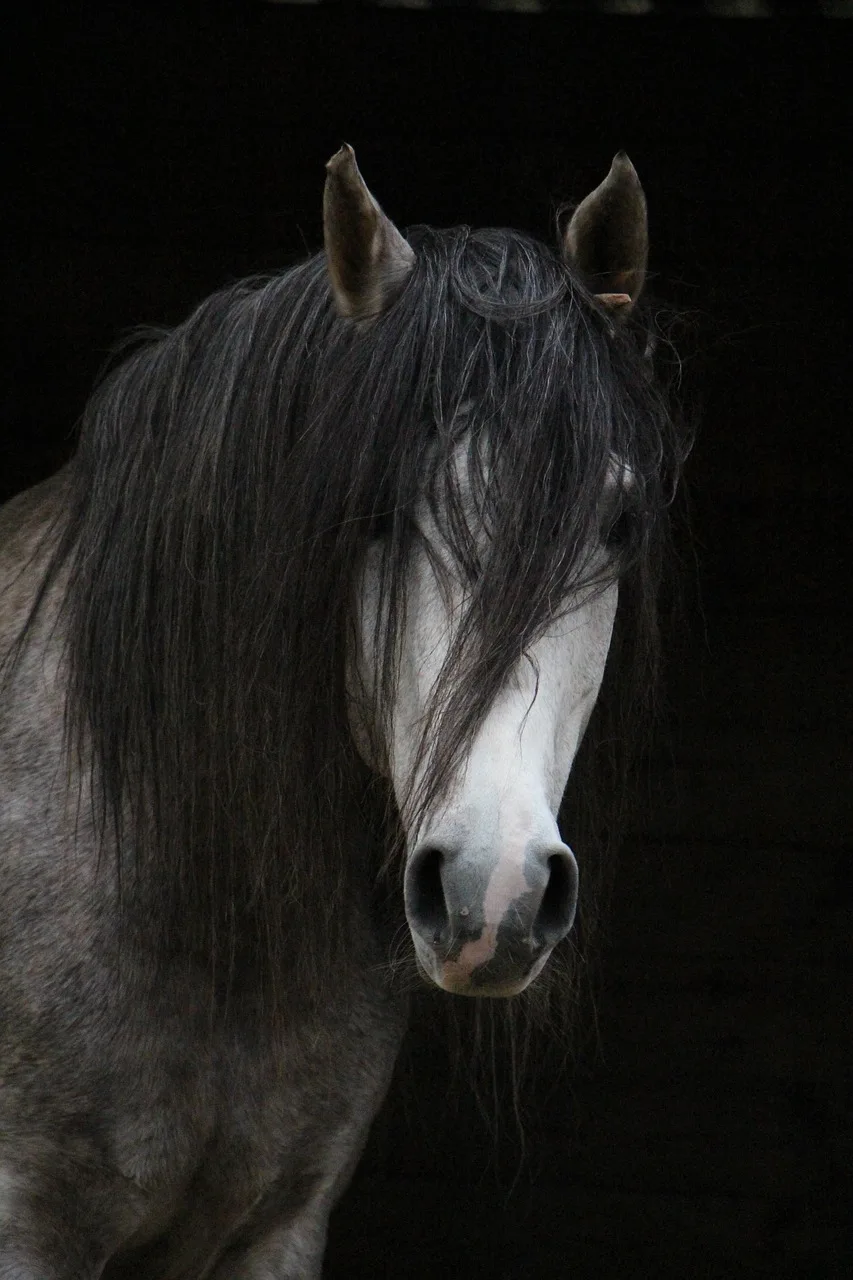

Çekim Tablosu
Belirtme (-i)yeleyi
Yönelme (-e)yeleye
Bulunma (-de)yelede
Çıkma (-den)yeleden
Tamlayan (-in)yelenin
Çoğul (-ler)yeleler
Tanım
•isim: At, aslan vb. hayvanların ensesinde veya boynunda bulunan ve saça benzeyen uzun kıllar; perçem
•Balıklarda sırt yüzgeci
Atasözü & Deyim
“Kartala bir ok değmiş, yine kendi yeleğinden”
“Yatan (yatar) aslandan (kurttan), gezen (yeler) tilki yeğdir (iyidir):1.”
Diğer Dillerde
AlmancaMähne (dişil) /ˈmɛːnə/
mane
çekim: çoğul Mähnen · tamlayan Mähnen
köken: From Middle High German mane, from Old High German mana, from Proto-West Germanic *manu, from Proto-Germanic *manō (“mane”), from Proto-Indo-European *mon- (“neck”). In Middle High German there existed a secondary variant man m, whence the plural mene. The modern form Mähne is from this plural (or from its merger with the original form mane). Cognate with English mane, which see.
Zieh deine Weste an! — Yeleklerinizi giyin
FransızcaCrinière (dişil) /kʁi.njɛʁ/
mane · plume (on helmet)
çekim: çoğul crinières
köken: From crin + -ière.
Son gilet était déboutonné. — Yeleği düğmesizdi.
mane
çekim: çoğul crines
köken: From Latin crīnis.
¡Pónganse el chaleco! — Yeleklerinizi giyin
İtalyancacriniera (dişil) /kriˈnjɛ.ra/
mane (of a horse, lion etc.) · crest
çekim: çoğul criniere
eş: capigliatura, chioma
köken: From French crinière.
Jelena, la donna che non c'è). — İzinden yürüyen kızı Yelena...
Rusçaгрива (dişil) /ˈɡrʲivə/
mane
çekim: çoğul гри́вы · tamlayan гри́вы
eş: загривок, огривок
köken: Inherited from Proto-Slavic *griva. Cognate with Sanskrit ग्रीवा (grīvā́).
Капитан потерял все, кроме спасательного жилета. — Can yeleği hariç...
Arapçaعُرْف, لِبْدَة
باستثناء سترة نجاة. — Can yeleği hariç...
Azericeyal /jɑɫ/
mane (longer hair growth on back of neck of an animal, especially a horse or lion) · mane (long or thick hair of a person's head or face)
çekim: çoğul yallar
köken: Inherited from Old Anatolian Turkish یل (yal, yel), from Proto-Common Turkic *yāl.
aile: yallamaq
Kazakçaжал
mane
çekim: çoğul жалдар · tamlayan жалдың
köken: From Proto-Turkic *yāl (“mane”). Cognate with Old Uyghur [script needed] (jal, “mane”); Bashkir ял (yal), Kyrgyz жал (jal), Uzbek yol, Uyghur يال (yal), Turkmen ýal, Azerbaijani yal (“mane”), etc.
Özbekçeyol
Tatarcaял
Felemenkçemaan (dişil) /maːn/
moon
çekim: çoğul manen
eş: satelliet, wachter
köken: From Middle Dutch mâne, from Old Dutch māno, from Proto-West Germanic *mānō, from Proto-Germanic *mēnô, from Proto-Indo-European *mḗh₁n̥s. The Germanic word was originally masculine (compare German Mond), but it became feminine in Early Middle Dutch (perhaps by analogy with zon).
aile: bloedmaan, halvemaan, kunstmaan, maanbeving, maanlander, maanlanding, maanlandschap, maanlicht, maanovergoten, maansondergang
Doe je vest aan! — Yeleklerinizi giyin
coma, state of unconsciousness
çekim: çoğul comas
köken: Borrowed from Ancient Greek κῶμα (kôma, “deep sleep”).
Muito obrigado. — Can yeleği hariç...
Yunancaχαίτη (dişil) /ˈçe.ti/
mane
çekim: çoğul χαίτες · tamlayan χαίτης
köken: Learned borrowing from Ancient Greek χαίτη (khaítē).
aile: χαιτοφόρος
Τα θηλυκά έχουν μακρύ ωοθέτη. — Kadınların uzun yelekleri vardı.
Korece갈기 /ˈka̠(ː)ɭɡi/
mane
köken: First attested in the Worin seokbo (月印釋譜 / 월인석보), 1459, as Middle Korean 갈〯기〮 (Yale: kǎlkí).
구명 자켓을 제외하고 말이죠. — Can yeleği hariç...
Lehçegrzywa (dişil) /ˈɡʐɘ.va/
mane (e.g., of lions and horses) · human hairstyle resembling a mane · augmentative of grzywka
çekim: çoğul grzywy · tamlayan grzywy
köken: Etymology tree Proto-Slavic *griva Polish grzywa Inherited from Proto-Slavic *griva.
aile: białogrzywy
Zakładać kamizelki! — Yeleklerinizi giyin
Hintçeकेसर, याल (eril) /keː.səɾ/
the stigma or pistil of a flower, especially of the crocus (Crocus sativus) · filament of a lotus · saffron
çekim: çoğul केसरों
köken: Inherited from Sauraseni Prakrit 𑀓𑁂𑀲𑀭 (kesara), from Prakrit 𑀓𑁂𑀲𑀭 (kesara), from Sanskrit केसर (kesara, “hair, saffron”), from Proto-Indo-Aryan *káysaras, from Proto-Indo-Iranian *káysaras, from Proto-Indo-European *kéysero- (“hair”). The sense of "saffron" developed in Sanskrit based on the spice's physical resemblance to hair. Cognate with Bengali কেশর (keśor)
Finceharja /ˈhɑrjɑ/
brush (implement consisting of multiple bristles or other filaments) · broom, sweeper (implement with which players sweep the ice to make a stone travel further) · A brush-like animal appendage.
çekim: çoğul harjat · tamlayan harjan
eş: suka
köken: From Proto-Finnic *harja (compare Estonian hari, Karelian harja, Livvi harju), borrowed from Proto-Baltic [Term?] (compare Lithuanian šerys).
aile: -harjainen, harjallinen, harjamainen, harjaton, harjava, harjakaiset, harjake, harjanne, harjas, harju
Tämä on juuri Mab Tämä plats Manes hevosten yöllä; — Bu gece atların yelelerini plats çok Mab;
Çekçehříva (dişil) /ˈɦr̝iːva/
mane
çekim: çoğul hřívy · tamlayan hřívy
eş: kštice
köken: Inherited from Old Czech hříva, from Proto-Slavic *griva.
aile: hřivna, hřívečka
"Jak se ti líbí můj kabátec?" zeptal jsem se ho. — "Yeleğimi nasıl buldun?" diye sordum.
Rumencecoamă (dişil)
mane · long head of hair · foliage
çekim: çoğul coame · tamlayan coame
köken: Inherited from Latin coma, from Ancient Greek κόμη (kómē).
Hiena pătată este un vânător prost. — Yeleli kurt sürü avcısı değildir.
Macarcasörény /ˈʃøreːɲ/
mane (hair growth on horses and lions) · mane (long or thick hair on a person's head)
çekim: çoğul sörények
köken: From *sör, an archaic variant of szőr (“hair on the body”) + -ény.
"Mit gondolsz a kabátomról?" kérdeztem. — "Yeleğimi nasıl buldun?" diye sordum.
Latinceiuba /ˈjʊ.ba/
mane; the flowing hair on the neck of an animal · hair of the head · a crest on a helmet; tuft; comb of a rooster
çekim: çoğul iubae · tamlayan iubae
köken: Apparently from the same Proto-Indo-European source as iubeō as in "moving", "billowing".
aile: iubātus
mane (longer hair growth on the back of the neck of a horse)
çekim: çoğul maner · tamlayan mans
köken: From Old Norse mǫn, from Proto-Germanic *manō (“mane”).
"Hvad synes du om min dublet?", spurgte jeg. — "Yeleğimi nasıl buldun?" diye sordum.
Kan man spise dem?
Man siger, at huset er hjemsøgt.
Endonezcesurai
Saya bertanya "Bagaimana pendapatmu tentang jaket saya?" — "Yeleğimi nasıl buldun?" diye sordum.
Vietnamcabờm /ʔɓəːm˨˩/
a mane · a headband
köken: Perhaps from a folktale of a silly, clumsy boy named "Bờm", who was offered many valuable things in exchange for his fan, but refused them all and only accepted a handful of sticky rice. This tale is usually expressed in poetic form. Thằng Bờm có cái quạt mo Phú ông xin đổi ba bò chín trâu Bờm rằng Bờm chẳng lấy trâu Phú ông xin đổi một xâu cá mè Bờm rằng Bờm chẳng lấy mè Phú ông xin đổi một bè…
Hoả tốc Tốc gì? — Kurşun geçirmez yelek nasıl çalışır?
Slovakçahriva (dişil) /ɦriva/
mane
köken: Etymology tree Proto-Slavic *griva Slovak hriva Inherited from Proto-Slavic *griva.
To je to, že veľmi Mab To parcely hrivy koní v noci; — Bu gece atların yelelerini plats çok Mab;
Slovencegriva (dişil) /ɡrìːʋa/
mane (longer hair growth on back of neck of an animal)
çekim: çoğul gríve · tamlayan gríve
köken: Inherited from Proto-Slavic *griva.
Med svoje najljubše konjičke uvršča tudi jahanje. — En sevdiği şey atların yelesini örmektir.
Etimoloji
Inherited from Ottoman Turkish یله (yele), from Old Anatolian Turkish یل (yal, yel), from Proto-Turkic *yāl (“mane”). Cognates Cognate with Azerbaijani yal, Bashkir ял (yal), Gagauz elä, Kazakh жал (jal), Kyrgyz жал (jal), Southern Altai јал (ǰal), Turkmen ýal, Uyghur يال (yal), Uzbek yol and Yakut сиэл (siel).
Eş & Zıt Anlamlılar
Örnek Cümleler
O bir yelek giydi.
She wore a vest.
Yeleklerinizi giyin
Get your vest on!
Tom bir yelek giydi.
Tom wore a vest.
O ona bir yelek aldı.
She bought him a vest.
Şiddetle esip yelenlere.
And those that strike violently,
Mary can yeleğini giymedi.
Mary did not wear her life vest.
Bir cankurtaran yeleğin yok.
You don't have a life jacket.
Yelek giymek hoşuma gitmiyor.
I don't like wearing vests.
Tom bir can yeleği giymiyordu.
Tom wasn't wearing a lifejacket.
Hiçbiri can yeleği giymiyordu.
Neither was wearing a lifejacket.
Onun hala beyaz bir yeleği var.
He still has a white vest.
Kurşun geçirmez yeleğin nerede?
Where's your bulletproof vest?
İlgili Sorular
Hyatt Montreal’de konaklayan eşimin alabileceği can yeleği satan en yakın perakende mağaza nerede ve adresi nedir?
Hyatt Montreal’deki eşimin en yakın can yeleği mağazasını ve o mağazanın internet sitesini nasıl bulabilirim?
Montreal’deki Hyatt otelinde bulunan eşim için can yeleği satılan en yakın mağazanın konumu ve web sitesi nedir?
Uçak koltuklarının altında paraşüt yerine neden can yeleği bulunuyor?
Uçaklarda koltuk altındaki can yelekleri, paraşütlerin yerine neden tercih ediliyor?