Sözlük
/sigara
sigara
"sigara" kelimesinin İngilizcesi: cigarette, cigarette, fag. Anlamı, çevirisi, telaffuzu ve örnek cümleler aşağıdadır.
Çeviri
Genelcigarettenoun
Genelcigarette
Genelfag
Görsel
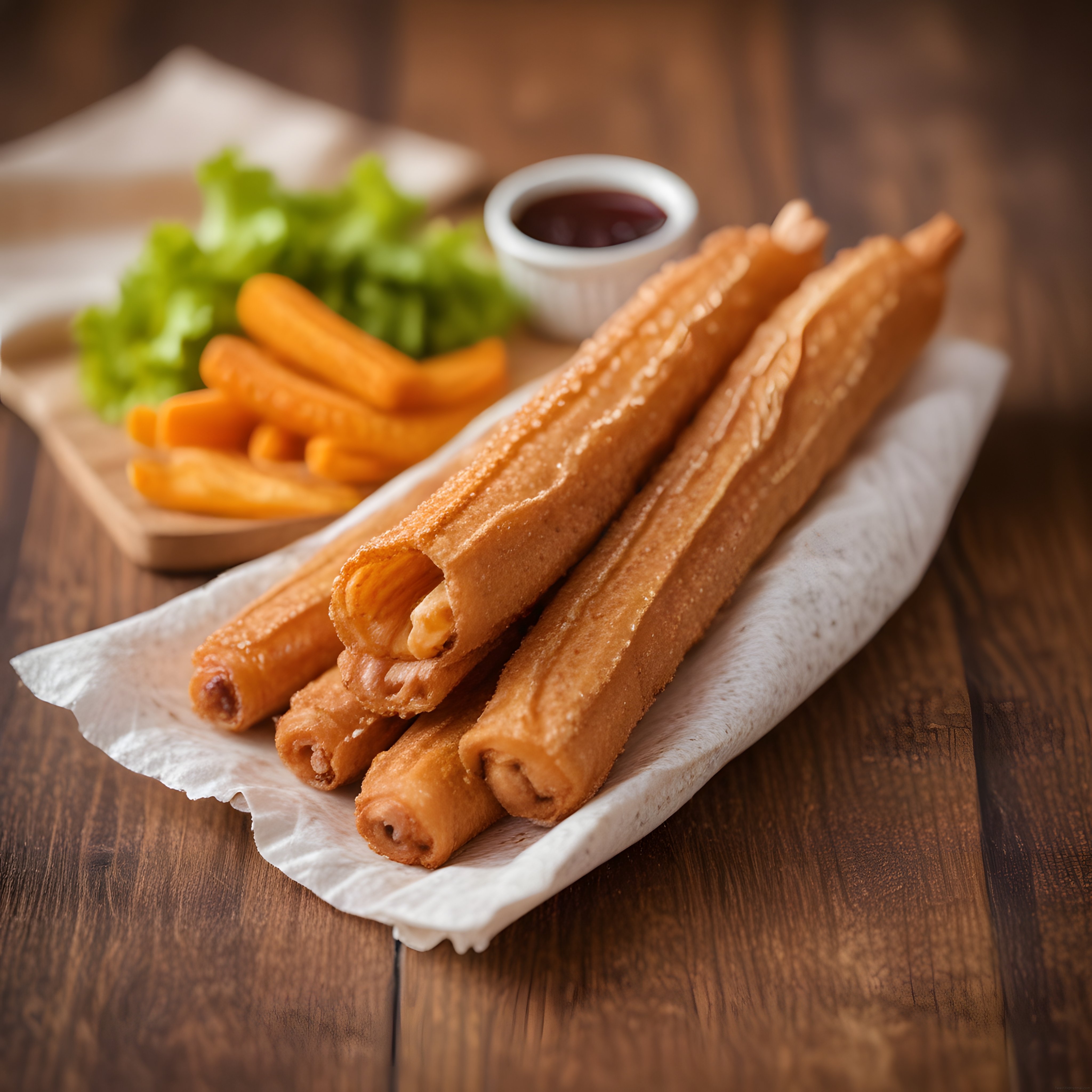
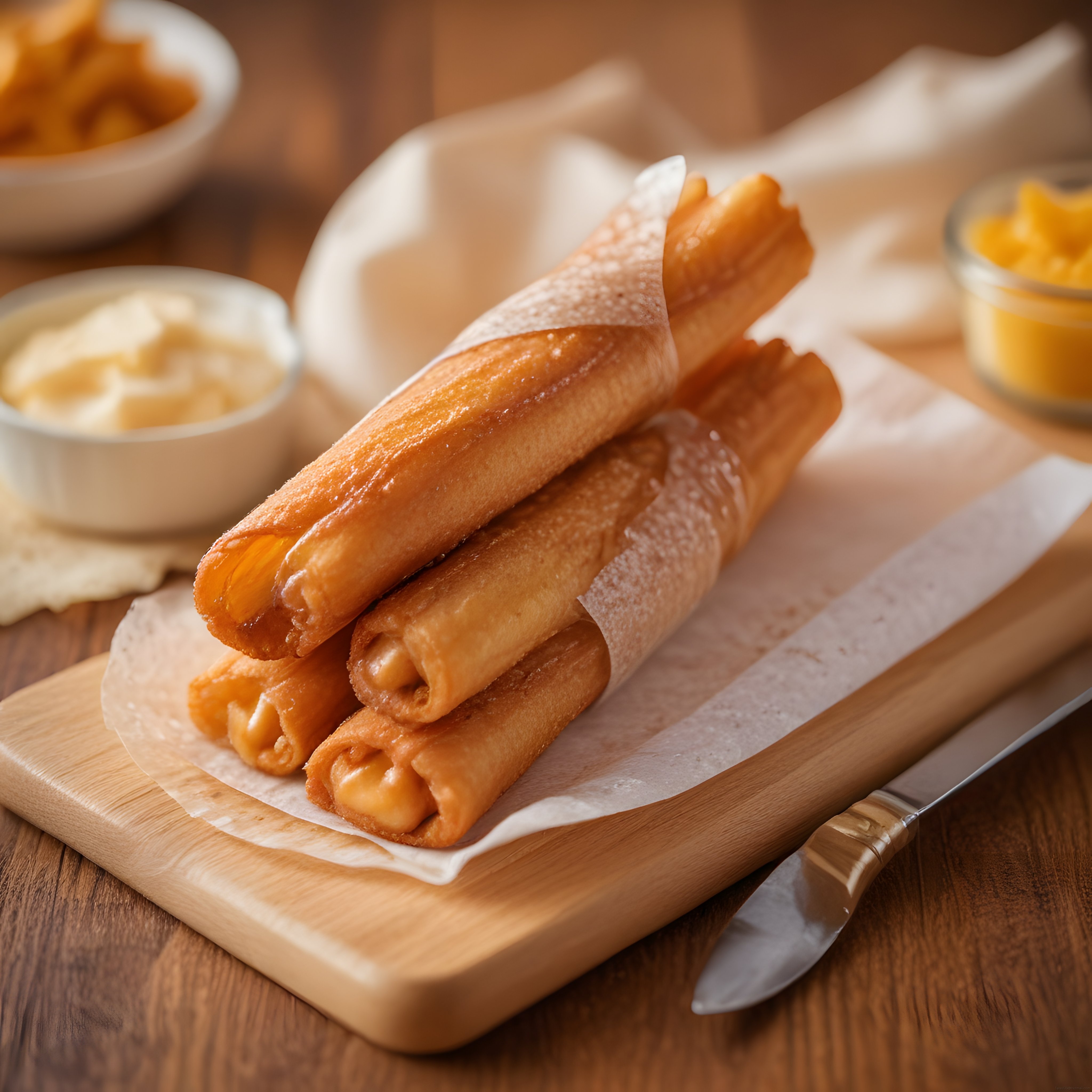
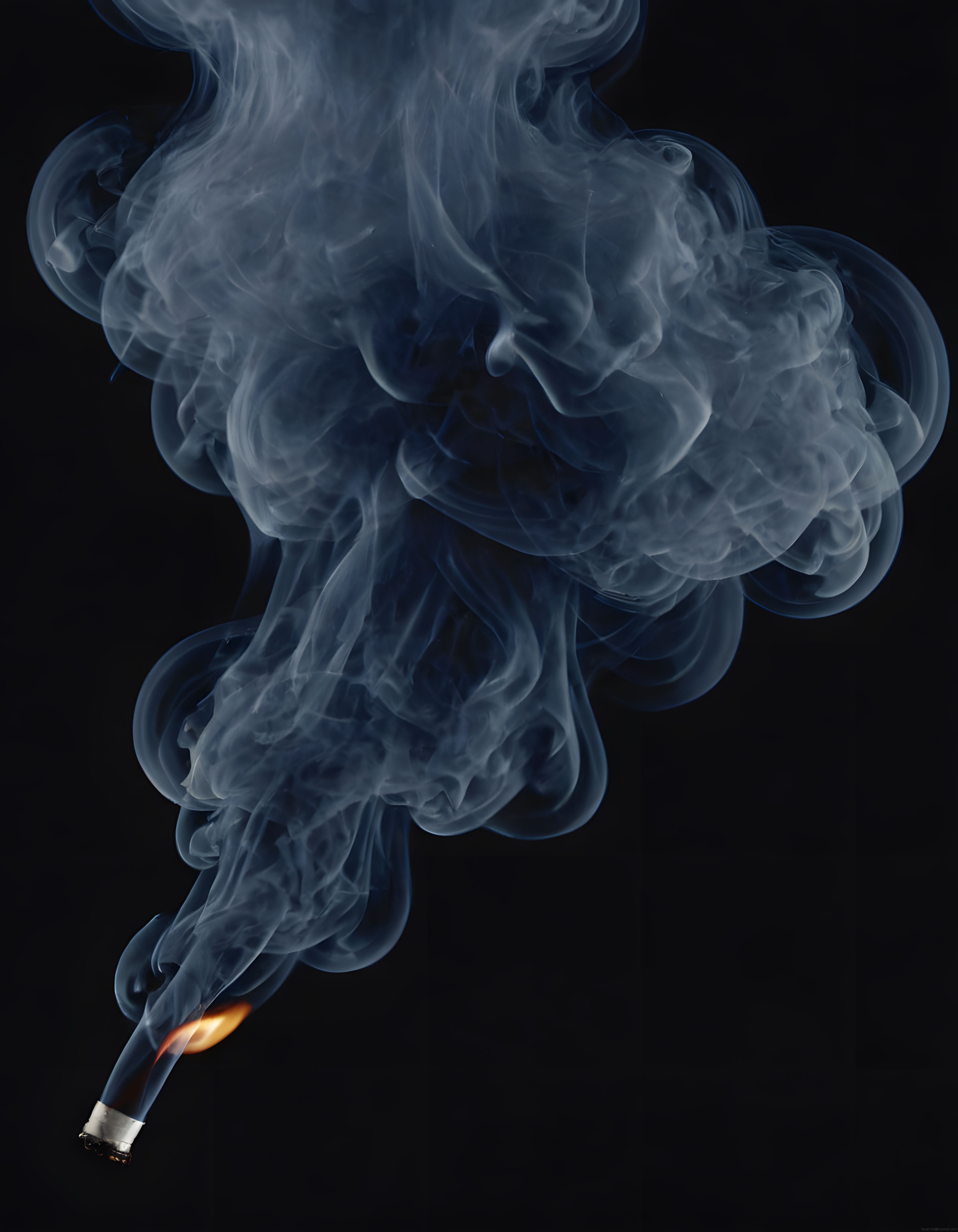
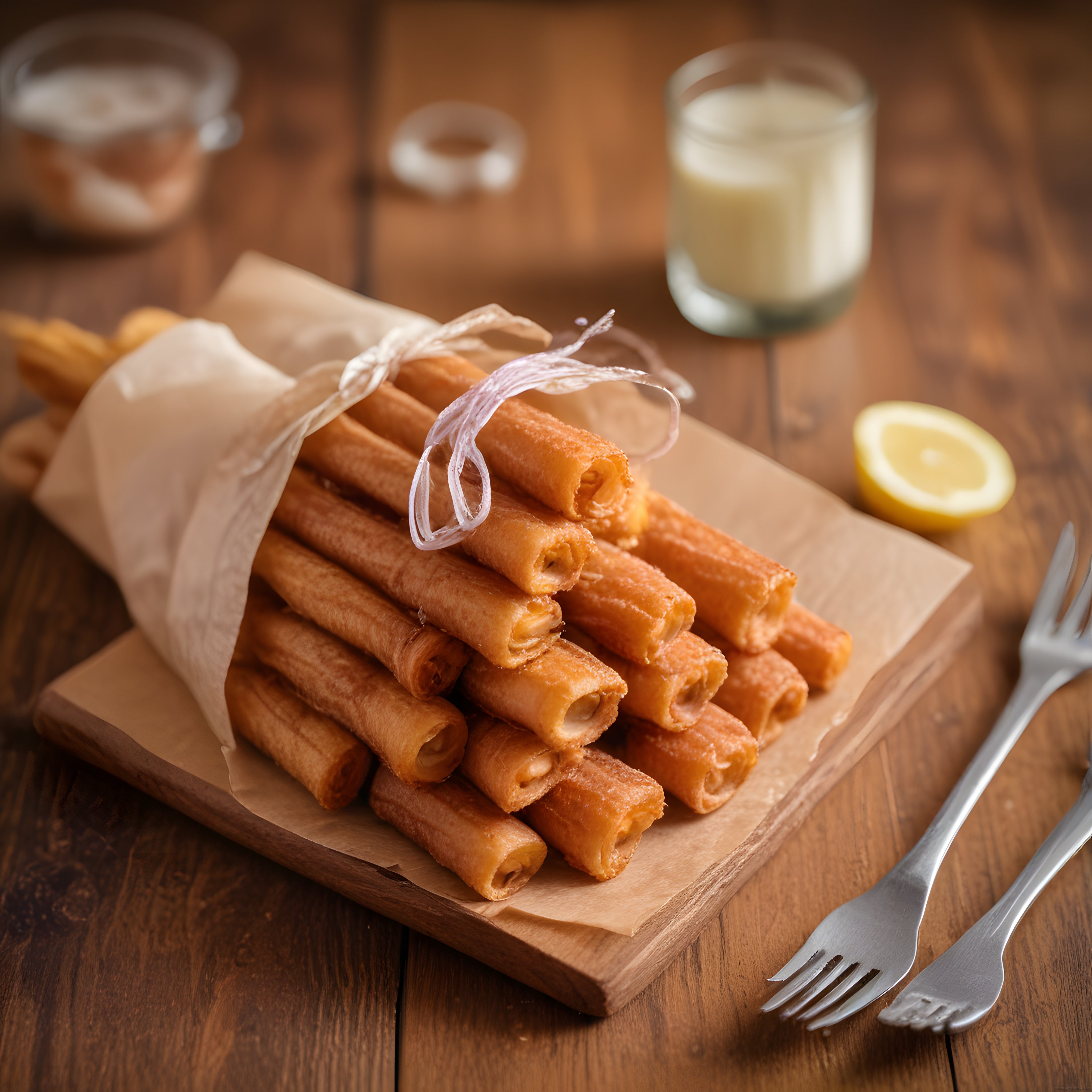
Çekim Tablosu
Belirtme (-i)sigarayı
Yönelme (-e)sigaraya
Bulunma (-de)sigarada
Çıkma (-den)sigaradan
Tamlayan (-in)sigaranın
Çoğul (-ler)sigaralar
Tanım
•isim: İnce kâğıda, kıyılmış tütün sarılarak hazırlanan, silindir biçiminde, ağızdan dumanı çekilen nesne; cigara
Diğer Dillerde
AlmancaHomo, Kippe, Schwuchtel, Schwuler, Tunte, warmer Bruder (eril) /ˈhoːmo/
homosexual, gay
çekim: çoğul Homos · tamlayan Homos
eş: Homosexueller, Homoerot, Homoerotiker, Homophiler, Uranist, Urning
zıt: Hete
köken: Clipping of Homosexueller.
aile: Homoehe
Ali hat aufgehört zu rauchen. — Ali sigarayı bıraktı.
FransızcaCigarette (dişil) /si.ɡa.ʁɛt/
cigarette
çekim: çoğul cigarettes
eş: chtoune, cibiche, cibigeoise, clop, clope, clopot
köken: Etymology tree Latin cicādader. Vulgar Latin *cicār(r)a Spanish cigarra? Spanish cigarrobor. French cigare Proto-Indo-European *-tós Proto-Italic *-tosder.? Late Latin -ittus Old French -et Middle French -et French -etder. French -ette French cigarette From cigare + -ette.
aile: cigarette électronique, cigarettier, fume-cigarette
Ils ont fumé. — Sigara içtiler.
İspanyolcabujarra, cigarrillo, joto, marico, maricón, mariquita (eril) /buˈxara/
queer, faggot
çekim: çoğul bujarras
köken: From Spanish bujarrón.
No fuma. — O sigara içmez.
İtalyancachecca, finocchio, frocio, ricchione, rottinculo, sigaretta (dişil) /ˈkek.ka/
fairy, poof, faggot (homosexual who thinks or behaves effeminately) · synonym of gazza (“magpie”) · ice block to cool an icebox
çekim: çoğul checche
köken: Possibly an onomatopoeic form akin to Checca, hypocoristic form of the female given name Francesca.
Nel libro Charlie fuma. — Sigara içer mi Peter?
Rusçaсигарета (dişil) /sʲɪɡɐˈrʲetə/
cigarette
çekim: çoğul сигаре́ты · tamlayan сигаре́ты
eş: раковая палочка, папироса, цигарка
köken: Borrowed from French cigarette.
Курить разрешается. — Sigara içilir.
65,000 سجارة، — 65,000 sigara.
Farsçaابی, بچه کونی, کونی /ʔaː.ˈbeː/
archaic form of بیـ (bi-)
köken: Corruption of اُبنهای (obne-'i).
faggot, fag · motherfucker, dickhead (severe insult)
çekim: çoğul götvərənlər · tamlayan götvərənin
köken: Present participle compound of göt (“ass”) + vermək (“to give”) in which the root vowel has been assimilated by the suffix. Literally, “one who gives ass”. Cognate with Turkish götveren.
aile: götvərənlik
Ayağı götvərən qəbrinə girmək -bir ağır günahda ittihamolunmaq, işin pis gəlməsi
tobacco, Nicotiana · cigarette · smoking
çekim: çoğul темекілер · tamlayan темекінің
köken: From Persian تنباکو (tanbâko, “tobacco”), from Arabic طَبَاق (ṭabāq, “a type of medicinal herb”) and طُبَاق (ṭubāq, “(same)”). Cognate with Bashkir тәмәке (təməke), Kyrgyz тамеки (tameki), Uzbek tamaki, Turkmen temmäki, Azerbaijani tənbəki, etc.
Özbekçepidaraz, sigareta, tutun
cigarette
çekim: çoğul sigaretalar · tamlayan sigaretaning
köken: Borrowed from Russian сигаре́та (sigaréta), from French cigarette.
Tatarcaтәмәке
Felemenkçesigaret (dişil) /ˌsi.ɣaːˈrɛt/
cigarette
çekim: çoğul sigaretten
köken: Borrowed from French cigarette.
aile: elektronische sigaret, e-sigaret, shagsigaret, sigarettenrook, wietsigaret
Roken is toegestaan. — Sigara içilir.
Portekizcecigarro (eril) /siˈɡa.ʁu/
cigarette (thin roll of tobacco made for smoking)
çekim: çoğul cigarros
eş: pitilho
köken: Etymology tree Latin cicādader. Vulgar Latin *cicār(r)a Spanish cigarra? Spanish cigarrobor. Portuguese cigarro Borrowed from Spanish cigarro.
aile: cigarreiro, cigarrinho, cigarro de artista, cigarro de enrolar, cigarro eletrônico, cigarro eletrónico, cigarrozinho, não valer um cigarro fumado
Ela não fuma. — O sigara içmiyor.
Yunancaαδερφή, κίναιδος, πούστης, τσιγάρο (dişil)
alternative form of αδελφή (adelfí)
çekim: çoğul αδερφές · tamlayan αδερφής
Καπνίζετε; — Sigara içer misiniz?
Used other than figuratively or idiomatically: see お, 釜, 竈. · a cooking pot · a steam locomotive
köken: Compound of 御 (o-, “honorific prefix”) + 釜 (kama, “pot”); compare Kunigami ふぁーま (fāma), ふ’かーま (fuk'āma), わはーま (wahāma), Miyako うかま (ukama). The development of the slang senses appear to have started from an analogy comparing a man's butt to the shape of certain pots.
ここではタバコを吸ってはいけません。 — Burada sigara içilmez.
Korece담배, 궐련
담배를 피운다. — Sigara kullanmaktadır.
İsveççebög, cigarett, fikus /bøːɡ/
a homosexual male; gay, fag, queer, poof · a (male) person with an obsession for something, märkesbög ("brand fag"), prylbög ("gadget fag") · a prison informant, in the compound golbög; snitch, rat
çekim: çoğul bögar · tamlayan bögs
eş: homosexuell, gay, akterseglare, bajspackare, böckling, fikus
köken: Uncertain: * One proposed source is månsing bög (“dupe”). * Another is French bougre (“scoundrel”), from Medieval Latin Bulgarus (“heretic”). * also compare dialectal böj (“leather bag”).
aile: böghög, bögporr, bögsex, bögslunga, bögtest, knacka bög, nybög, rånbögmörda, spännbög, svennebög
Får jag röka? — Sigara içebilir miyim?
Jag är bög
Det är ingen idé att du stöter på honom. Han är bög.
Vi hamnade på en bögklubb
Lehçeciota, cygareta, homoś, papieros, pedał, pedzio (dişil) /ˈt͡ɕɔ.ta/
homosexual or effeminate man; fag; faggot · menstruation · female foreteller or witch doctor
çekim: çoğul cioty · tamlayan cioty
eş: gej, homo, pedzio, menstruacja, okres, period
köken: Back-formation from ciotka.
Uzależniony od palenia. — Sigara bağımlısıdır.
Не пали. — Sigara içme.
alternative spelling of गांडू (gāṇḍū)
çekim: çoğul गाँडुओं
faggot, poof (homosexual male)
çekim: çoğul hinttarit · tamlayan hinttarin
köken: From hintti + -ari with the latter being a common suffix for forming colloquial nouns (compare huppari and häläri).
Lopetan polttamisen. — Sigarayı bırakıyorum.
cigarette
çekim: çoğul cigarety · tamlayan cigarety
eş: cigára, cigáro, cígo, retko, žváro, čvaňho
Budete kouřit? — Bir sigara yakmak?
jít na cigaretu
zapálit cigaretu
Rumencebulangiu, poponar, țigară, țigaretă (eril) /bu.lanˈdʒiw/
faggot · jackass
çekim: çoğul bulangii · tamlayan bulangiului
köken: From bulan + -giu, from Romani bul (“buttocks”)
Fumaţi o ţigară? — Bir sigara yakmak?
Macarcabuzi, cigaretta, meleg /ˈbuzi/
fag (male homosexual) · a buff, freak, nut, geek (a person wildly enthusiastic about something)
çekim: çoğul buzik
köken: [from 1896] Clipping and -i diminutive of Hungarian buzeráns, from German Buserant with Hungarian -áns ending, compare also Czech buzerant; from Venetan buzerar (“to practise sodomy”), from Italian bugero (“sodomite”, formerly “heretic”, even formerly “Bulgar” (q.v.), referring to heretics—possibly Bogomils—spread from the Balkan, believed to practise sodomy). See also the etymologies of French…
aile: buzis, buziság, buzizik, lebuziz
Ő nem dohányzik. — O sigara içmiyor.
İbraniceהומו, מִתְרוֹמֵם, סִיגַרְיָה (eril) /ˈ(h)omo/
gay man
çekim: çoğul הומואים
65,000 סיגריות, — 65,000 sigara.
יכול להיות שאלוהים קצת הומו?
Latincedraucus, sigarellum /ˈdrau̯.kʊs/
weightlifter, strongman, athlete, jock · sodomite
çekim: çoğul draucī · tamlayan draucī
köken: Unknown. Possibly borrowed from Gaulish. Draucus and Drauca are also attested as personal names. Nikolaev takes it from Proto-Italic *drawikos (formed similarly to modicus and bellicus), from Proto-Indo-European *drowóm (“strength”) (compare Ancient Greek δροόν (droón)), from *drew- (“strong, firm”), with syncope as seen in Latin auceps. But Proto-Indo-European *dr is thought to have become tr in…
Rogābit unde suspicer virum mollem. Ūnā lavāmur: aspicit nihil sūrsum, sed spectat oculīs dēvorantibus draucōs
Occurrit aliquis inter ista sī draucus, iam paedagōgō līberātus et cuius refībulāvit turgidum faber pēnem, nūtū vocātum dūcis, et pudet fārī
Draucī Natta suī vorat pipinnam,
Dancabøsse, bøsserøv, cigaret (nötr) /ˈb̥øsə/
smoothbore firearm · gay (homosexual male) · castor, caster (shaker with perforated top)
çekim: çoğul bøsser · tamlayan bøsses
köken: From Middle Low German busse, from Old Saxon *buhsa, from Proto-West Germanic *buhsā.
aile: bøssemager, haglbøsse, jagtbøsse, luftbøsse, bøssebar, bøssepar, bøsserøv, peberbøsse, saltbøsse, sukkerbøsse
Har du nogensinde røget? — Hiç sigara içtin mi?
Er du bøsse?
Norveççesoper
Slutt å røyke. — Sam sigara içmeye alış.
Etimoloji
Osmanlı Türkçesi سیغاره sözcüğünden devralındı, İspanyolca cigaro sözcüğünden.
Kelime Ailesi
Örnek Cümleler
Sigara içilir.
Smoking is permitted.
Sigara içemem.
I can't smoke.
Sigara içmezdim.
I didn't used to smoke.
Ben sigara içmem.
I don't smoke.
Ben sigara içerim.
I smoke cigarettes.
Sigara içmemelisin.
You must not smoke.
Sigara kullanmıyorum.
I don't smoke.
Gençken sigara içtim.
I did smoke when I was young.
Sigara içmiyor musun?
Don't you smoke?
Sigaraya karşı mısın?
Do you object to smoking?
Ben sigaralar içerim.
I smoke cigarettes.
Sigara içebilir miyim?
Do you mind if I smoke?
İlgili Sorular
14 yaşındayım, ergenlerin alkol ve sigara kullanmasını hoş karşılamıyorum ve yetişkinlerin de bunları yapmamasını istiyorum. Fakat ben de diğerleri gibi içki içmek, sigara içmek ve normal bir genç olmak istiyorum; sürekli doğru kararlar verdiğim için kendimi 'iyi çocuk' gibi hissediyorum. Bu durumdan çıkmanın yolu nedir?
Erkeklerin sigara içen kadınlara bakışı nasıldır?
Kaliforniya, dışarıda sigara içilmesini tamamen engelledi mi? Bu gelişmeye dair haber kaynakları nereler?
Annemin sigara içmesi beni derinden rahatsız ediyor. Evde sürekli sigara kokusu var ve doktor akciğerinde bir gölge bulduğunu söylemişti ama daha fazla bilgi vermedi. Bu yüzden sigaraya karşı büyük bir antipati geliştirdim. Erkek arkadaşım da bir kez sigara denediğini ve çok kötü bir deneyim olduğunu söyledi, fakat dün gece sigara içtiğini öğrendim; herkes yaptığı için yaptığını, bu davranışı aptalca bulduğunu ve bir daha yapmayacağını vaat etti. Bu haber beni çok kırdı ve sinirlenmemin sebebini anlayamıyorum.
Kanserin ortaya çıkmasına sigara dışındaki sebepler nelerdir?
İlgili / Bileşik Terimler
Genelashtray
Genelno smoking
Genelno smoking
Birleşik Kelimeler
sigara ağızlığısigara böceğisigara böreğisigara kâğıdısigara kutususigara tabakasısigara tablasısigara tiryakisielektronik sigarazıvanalı sigarakalıp sigarasıyaprak sigarası