Sözlük
/serçe
serçe
/sæɾˈt͡ʃe̞/
noun
C2 seviye
TR → EN
"serçe" kelimesinin İngilizcesi: sparrow, chippy, sparrow. Anlamı, çevirisi, telaffuzu ve örnek cümleler aşağıdadır.
Çeviri
Genelsparrownoun
Genelchippy
Genelsparrow
Görsel
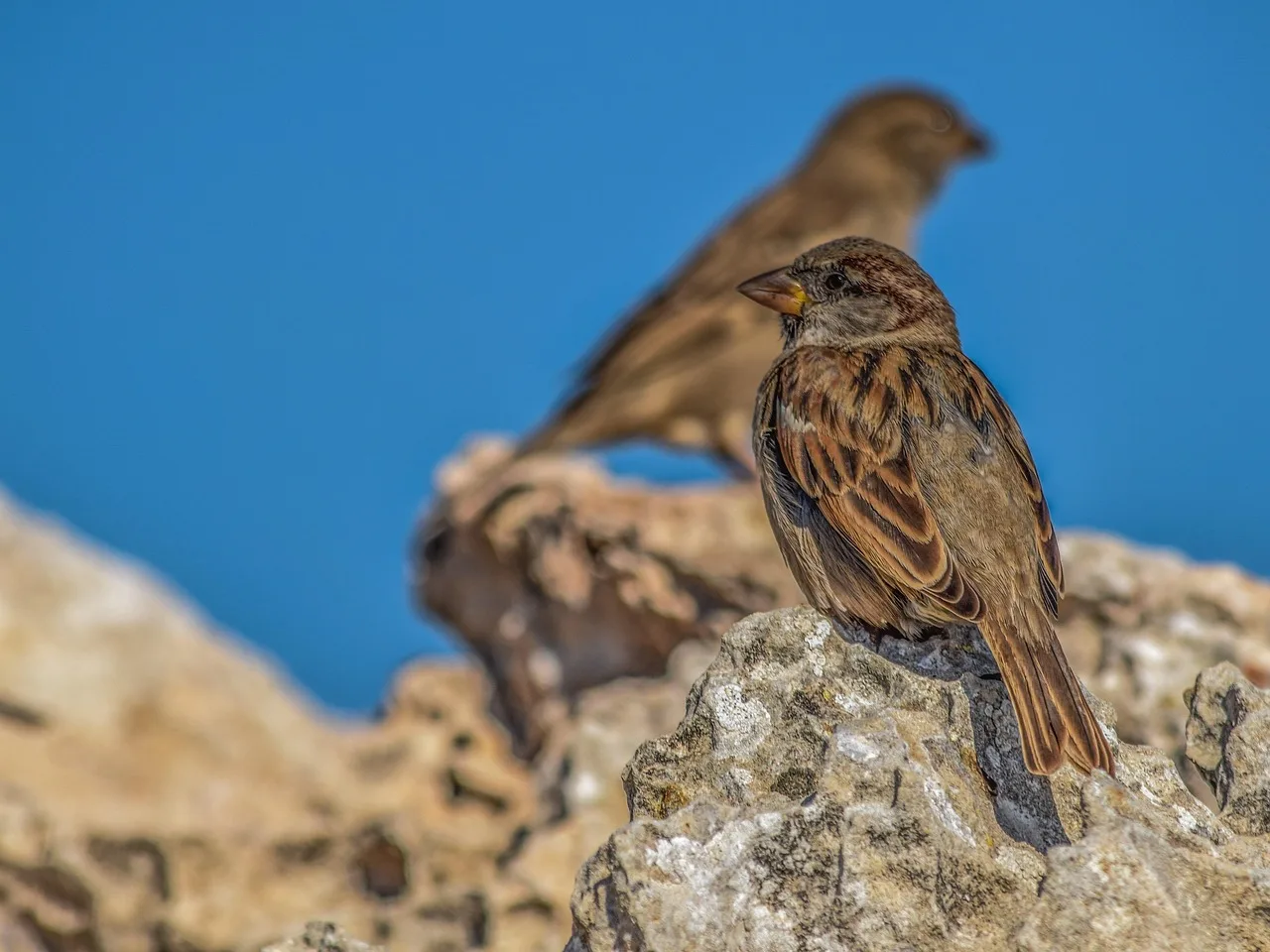
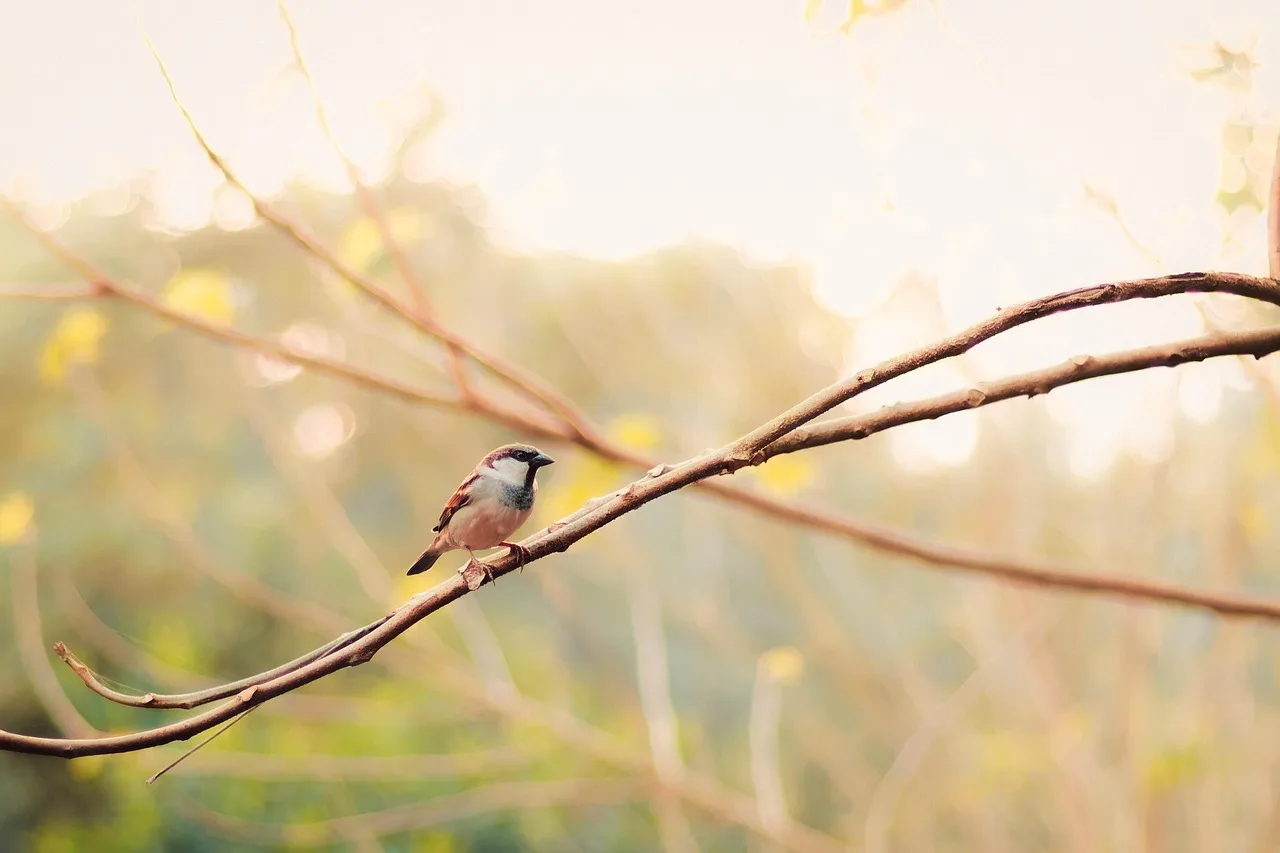
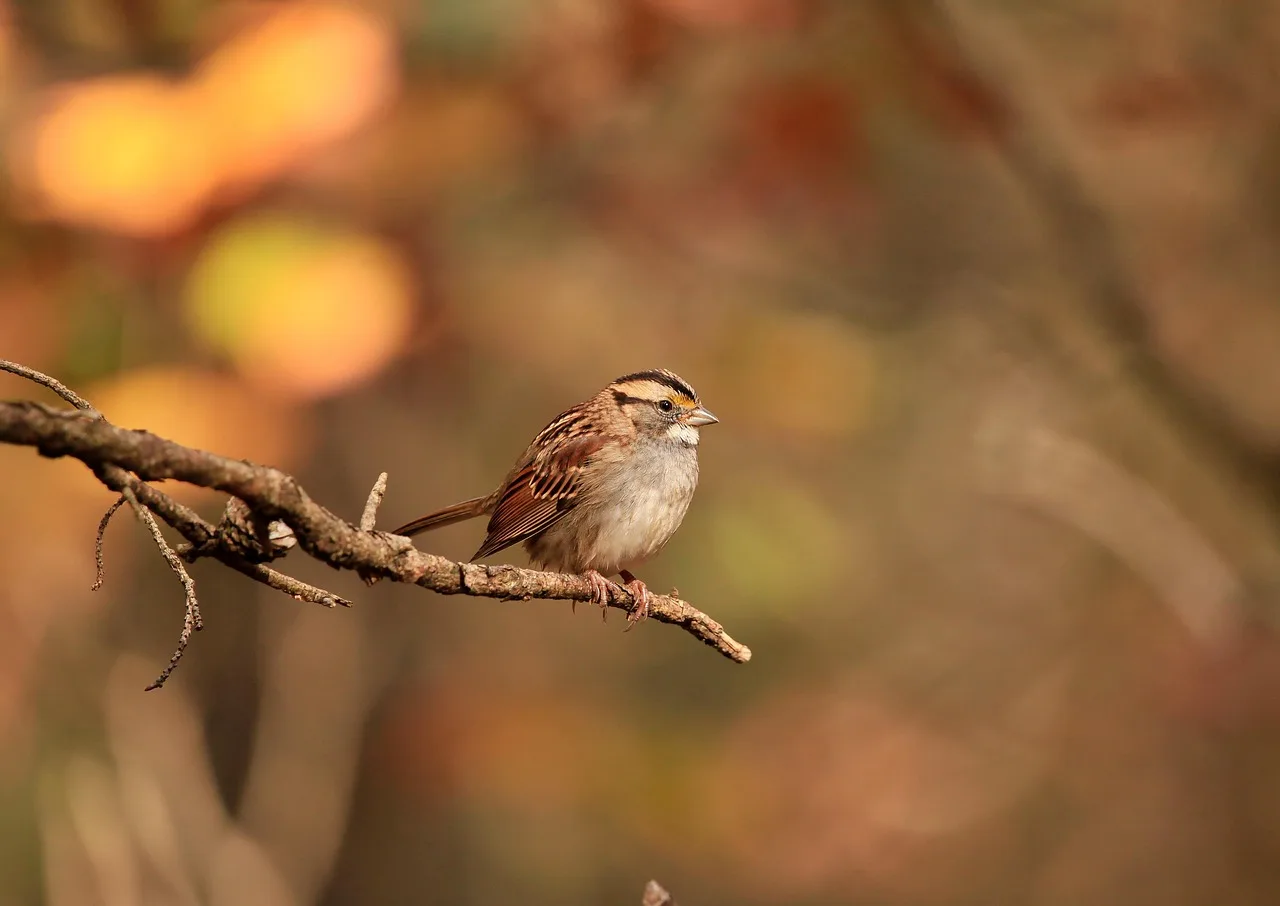
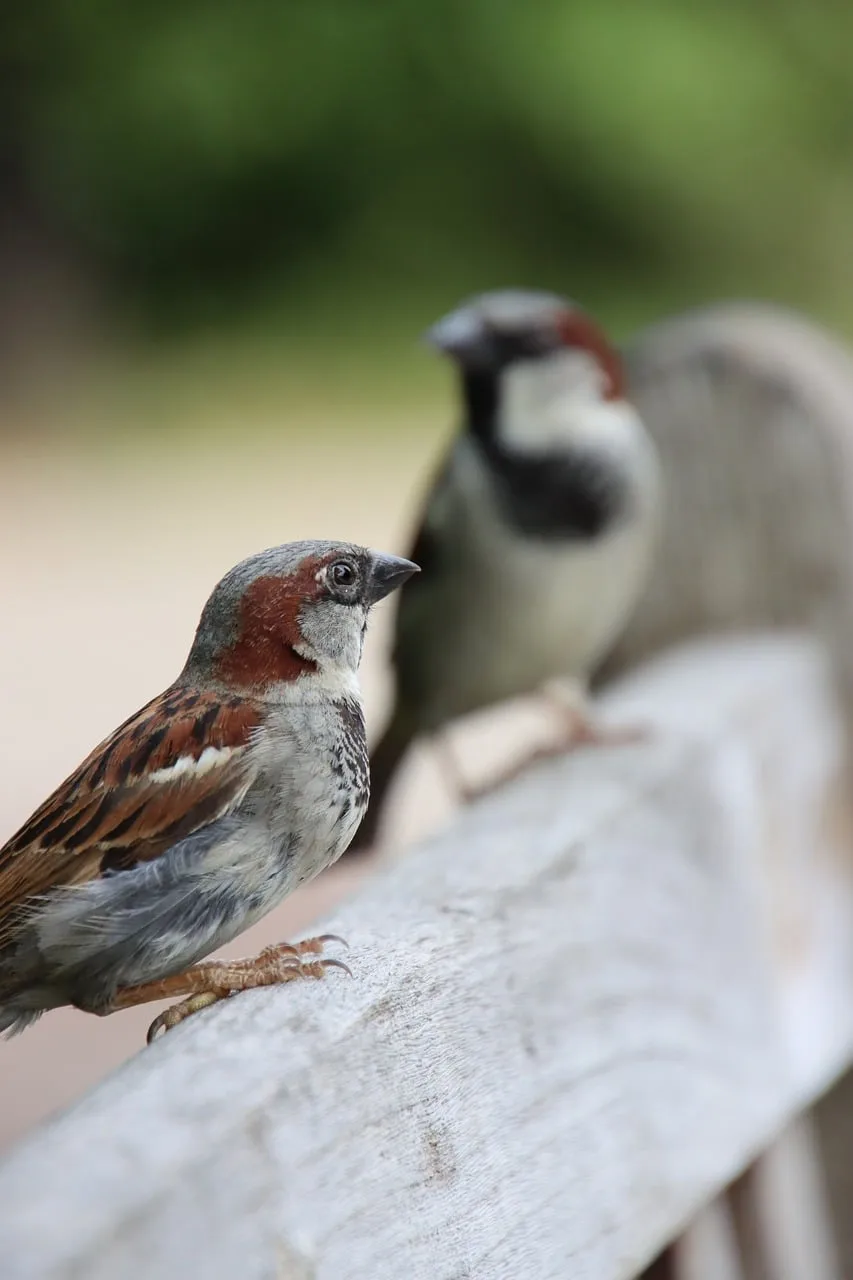
Çekim Tablosu
Belirtme (-i)serçeyi
Yönelme (-e)serçeye
Bulunma (-de)serçede
Çıkma (-den)serçeden
Tamlayan (-in)serçenin
Çoğul (-ler)serçeler
Tanım
•(Andırın ağzı) yöresel bir oyun
•bayağı serçe, serçegiller (Passeridae) familyasından coğrafi dağılımı çok geniş olan en yaygın ve en iyi tanınan serçe türü (Passer domesticus), ev serçesi, becet
•Serçegillerden, insanlara yakın yerlerde yaşayan, kışın göçmeyen, koyu boz renkli, ötücü küçük bir kuş
Atasözü & Deyim
“Serçeden korkan darı ekmez”
Diğer Dillerde
Almancaspatz, sperling /ʃpats/
sparrow · house sparrow (Passer domesticus)
çekim: çoğul Spatzen · tamlayan Spatzes
eş: Sperling, Spätzle, Knöpfle
köken: From Middle High German spaz, spatze, from a diminutive of sparwe, from Old High German sparo + -izo (compare Wanze and names like Fritz, Heinz, Kunz). Related with Sperling.
aile: Feldspatz, mit Kanonen auf Spatzen schießen
Tom isst wie ein Vögelchen. — Tom, serçe gibi yer.
Fransızcamoineau, Moineau (espèce d’oiseau) (eril) /mwa.no/
sparrow · (type of) small bastion
çekim: çoğul moineaux
eş: pierrot, piaf, pilleri
köken: Inherited from Old French moinel, equivalent to moine (because of its plumage) + -eau.
aile: manger comme un moineau, moineau domestique, moineau franc
Elle ressemble beaucoup à la dentelle de Bruges. — Bayağı serçenin dişisine benzerler.
İspanyolcagorrión, pájaro, pardal, pasérido /ɡoˈrjon/
sparrow · hummingbird
çekim: çoğul gorriones
eş: pardal, chilero, colibrí, colibrí magnífico
köken: Uncertain. Possibly onomatopoeic, possibly derived from Basque gorri (“red”).
aile: gorrión alpino, gorrión cantor, gorrión común, gorrión europeo, gorrión italiano, gorrión rascador
Vamos, chicos. — Hadi benim küçük serçelerim.
İtalyancapassero (eril) /ˈpas.se.ro/
sparrow
çekim: çoğul passeri
köken: From Latin passer remodeled as a third-declension noun, ultimately from Proto-Indo-European *p(e)t-tro- (“who flies, bird”), from *peth₂- (“to fly”).
aile: passero domestico, passero lagio, passero mattugio, passero solitario, passerotto
non abbiate dunque timore: voi valete più di molti passeri — Onun için korkmayın, siz birçok serçeden daha değerlisiniz.
Rusçaорнитол. воробей
Сразу же появляются птицы. — Çılgınca yiyen bir serçe
Arapçaعَصْفُور, عُصْفُور
هذه كلّ طيور البرقش — Bunların hepsi serçe
Farsçaگنجشک, ملیچ /ɡun.ˈd͡ʒiʃk/
sparrow
çekim: çoğul گنجشکان
köken: From Middle Persian wncšk' (winjišk), from earlier *winǰaičakah. Compare Baluchi جنجشک (jinjišk), Southwestern Fars بجشک (beješk), بیجیشک (bijišk).
Azericesərçə /særˈt͡ʃæ/
sparrow
çekim: çoğul sərçələr · tamlayan sərçənin
köken: Inherited from Proto-Turkic *serče. Cognate with Turkish serçe, Chuvash ҫерҫи (śerś̬i).
Kazakçaторғай
house sparrow, Passer domesticus · passerine, Passeridae spp. · any small, nondescript bird
çekim: çoğul торғайлар · tamlayan торғайдың
köken: From Proto-Turkic *torgay. Cognate with Bashkir турғай (turğay, “sparrow”), Crimean Tatar torğay (“sparrow”); Tatar тургай (turğay, “lark”), Kyrgyz торгой (torgoy, “lark”), Uzbek toʻrgʻay (“lark”), Turkmen torğaý (“lark”), Turkish toygar, Turkish turgay (“lark”), etc.
Özbekçechumchuq
Tatarcaчыпчык
Felemenkçemus (dişil) /mʏs/
sparrow, bird of the family Passeridae, especially of the genus Passer and a few other genera
çekim: çoğul mussen
köken: From Middle Dutch mussche, from Old Dutch musca, from Latin muscio, derived from musca (“fly”). Cognate with Limburgish mösj, Central Franconian Mösch, Mesch, Luxembourgish Mësch.
aile: grasmus, heggenmus, huismus, moabmus, musvalk, ringmus, rotsmus, slootmus
Dit zijn gewone mussen. — Bunlar normal serçedir.
Portekizceescrevedeira, passarinho (dişil) /is.kɾe.veˈde(j).ɾɐ/
sparrow (bird of the family Emberizidae)
çekim: çoğul escrevedeiras
Papel pequeno cinema — SinemaTürk'te Minik Serçe
Yunancaσπουργίτης, σπουργίτι (eril)
alternative form of σπουργίτι (spourgíti)
çekim: çoğul σπουργίτες · tamlayan σπουργίτη
Φρενίτιδα σίτισης των σπίνων. — Çılgınca yiyen bir serçe
Korece참새 /t͡ɕʰa̠msʰɛ/
sparrow · more specifically, the tree sparrow (Passer montanus)
köken: First attested in the Beonyeok sohak (飜譯小學 / 번역소학), 1517, as Middle Korean ᄎᆞᆷ〮새〯 (Yale: chóm-sǎy). Compound of 참 (cham, “true; common”) + 새 (sae, “bird”).
aile: 섬참새
소리를 냅니다. — Savannah serçesinin şarkısı) bir ötüşü oluyor.
İsveççefältsparv, sparv, sparvfink
Frukten alltså icke; I ären mer värda än många sparvar. — Onun için korkmayın, siz birçok serçeden daha değerlisiniz.
a male surname
çekim: çoğul trznadle · tamlayan trznadla
köken: From trznadel (“yellowhammer”).
Pieśń bagiennika żółtobrewego) — Savannah serçesinin şarkısı) bir ötüşü oluyor.
Ukraynacaворобе́ль, воробе́ць, горобе́ць, горо́бчик
Оце же не лякайтесь: ви дорожчі многих горобців. — Onun için korkmayın, siz birçok serçeden daha değerlisiniz.
Hintçeगौरिया, गौरैया (dişil) /ɡɔː.ɾə̯i.jɑː/
sparrow (kind of small bird)
çekim: çoğul गौरैयाएँ
köken: From गौरा (gaurā, “male sparrow”), ultimately unknown. No similar terms are found in other Indo-Aryan languages. This term itself is assigned to Eastern Hindi in some dictionaries.
Fincepikkulintu, sirkku, varpunen /ˈpikːuˌlintu/
small bird, sparrow (any small bird)
çekim: çoğul pikkulinnut · tamlayan pikkulinnun
köken: pikku (“small”) + lintu (“bird”)
Myös barbituraatit kuuluvat tähän ryhmään. — Serçeler de bu gruba dahildir.
Çekçevrabec (eril) /ˈvrabɛt͡s/
sparrow
çekim: çoğul vrabci · tamlayan vrabce
köken: Inherited from Old Czech vrabec, from Proto-Slavic *vorbьcь.
aile: jít s kanónem na vrabce
Jsou to všechno pěnkavy. — Bunların hepsi serçe
Rumencevrabie (dişil)
sparrow
çekim: çoğul vrăbii · tamlayan vrăbii
köken: Borrowed from Old Church Slavonic врабии (vrabii), from Proto-Slavic *vorbь. Compare Serbo-Croatian vrabac, Russian воробе́й (vorobéj).
aile: vrăbioi
Toate sunt cinteze. — Bunların hepsi serçe
bunting (any of various songbirds of the Emberizidae family)
çekim: çoğul sármányok
köken: Derived from sármályú, a variant of sármálú. First attested in 1685.
aile: citromsármány, fenyősármány, hósármány, kukoricasármány, pacsirtasármány, sövénysármány, szavannasármány, tajgasármány, törpesármány
Papot tanít vecsernyét mondani – fontoskodik. — Serçeşme-i Küştigiran, başpehlivan demektir.
İbraniceאַנְקוֹר, דְּרוֹר
.כולן כאן פרושים — Bunların hepsi serçe
Latincepasser /ˈpas.sɛr/
sparrow · turbot
çekim: çoğul passerēs · tamlayan passeris
köken: # From *sparas- > *passar-, related to Ancient Greek σπαράσιον (sparásion), Proto-Italic *parezā. # From Proto-Italic *passros with a declension change from second to third, from Proto-Indo-European *p(e)t-tro-s (“who flies, bird”), from *peth₂- (“to fly”). Related to penna.
aile: passercula, passerculus, passerīnus, passitō
Passer mortuus est meae puellae. Passer, deliciae meae puellae […]
Dancaspurv /spurv/
sparrow
çekim: çoğul spurve · tamlayan spurvs
köken: From Old Norse spǫrr, from Proto-Germanic, from Proto-Indo-European *sperg- (“sparrow”).
aile: gråspurv, spurvehøg
Frygter derfor ikke; I ere mere værd end mange Spurve. — Onun için korkmayın, siz birçok serçeden daha değerlisiniz.
Endonezceburung gereja
Sebab itu, janganlah takut! Kalian lebih berharga daripada burung-burung pipit! — Onun için korkmayın, siz birçok serçeden daha değerlisiniz.
Vietnamcasẻ /sɛ˧˩/
sparrow
köken: Inherited from Proto-Vietic *k-rɛh. Cognate with Muong khé, Tho [Cuối Chăm] kʰrɛː⁵. The formal name (tên chữ) of Khả Lễ village (可禮 (MC khaX lejX)) in Bắc Ninh, whose demotic name (tên Nôm) is Sẻ, attests to the existence of onset cluster *k-r- in Northern Old Vietnamese.
aile: chia ngọt sẻ bùi, chia sẻ, san sẻ, sẻ chia
Đây là quy luật một loài Tất cả đều là chim sẻ hết — Bunların hepsi serçe
Etimoloji
Eski Türkçe serçe
Kelime Ailesi
Passer domesticus
Örnek Cümleler
Serçe cıvıldıyor.
The sparrow is cheeping.
Serçeler cıvıldıyor.
The sparrows are cheeping.
Bunların hepsi serçe
These are all finches
Çılgınca yiyen bir serçe
A finch eating frenzy
Bir tek serçe duyulmuyordu.
Not a single sparrow was to be heard.
Hadi benim küçük serçelerim.
Go, my little sparrows.
O kuş muhtemelen bir serçedir.
That bird is probably a sparrow.
Serçeler de bu gruba dahildir.
Bees also feature in this collection.
Biz serçeler gibi cıvıldıyoruz.
We are cheeping like sparrows.
Serçe kedi tarafından öldürüldü.
The sparrow was killed by the cat.
Serçe kadar küçük olanları da vardır.
Some are as small as insects.
Tom'un sol elinde serçe parmağı eksik.
Tom is missing the little finger on his left hand.
İlgili Sorular
İlgili / Bileşik Terimler
Genellittle toe
Genellittle finger
Genellittle finger
Genellittle finger