Sözlük
/pamuk
pamuk
"pamuk" kelimesinin İngilizcesi: cotton, cotton, cotton, cotton, cotton. Anlamı, çevirisi, telaffuzu ve örnek cümleler aşağıdadır.
Çeviri
Genelcottonnoun
Genelcotton
Genelcotton
Genelcotton
Genelcotton
Görsel

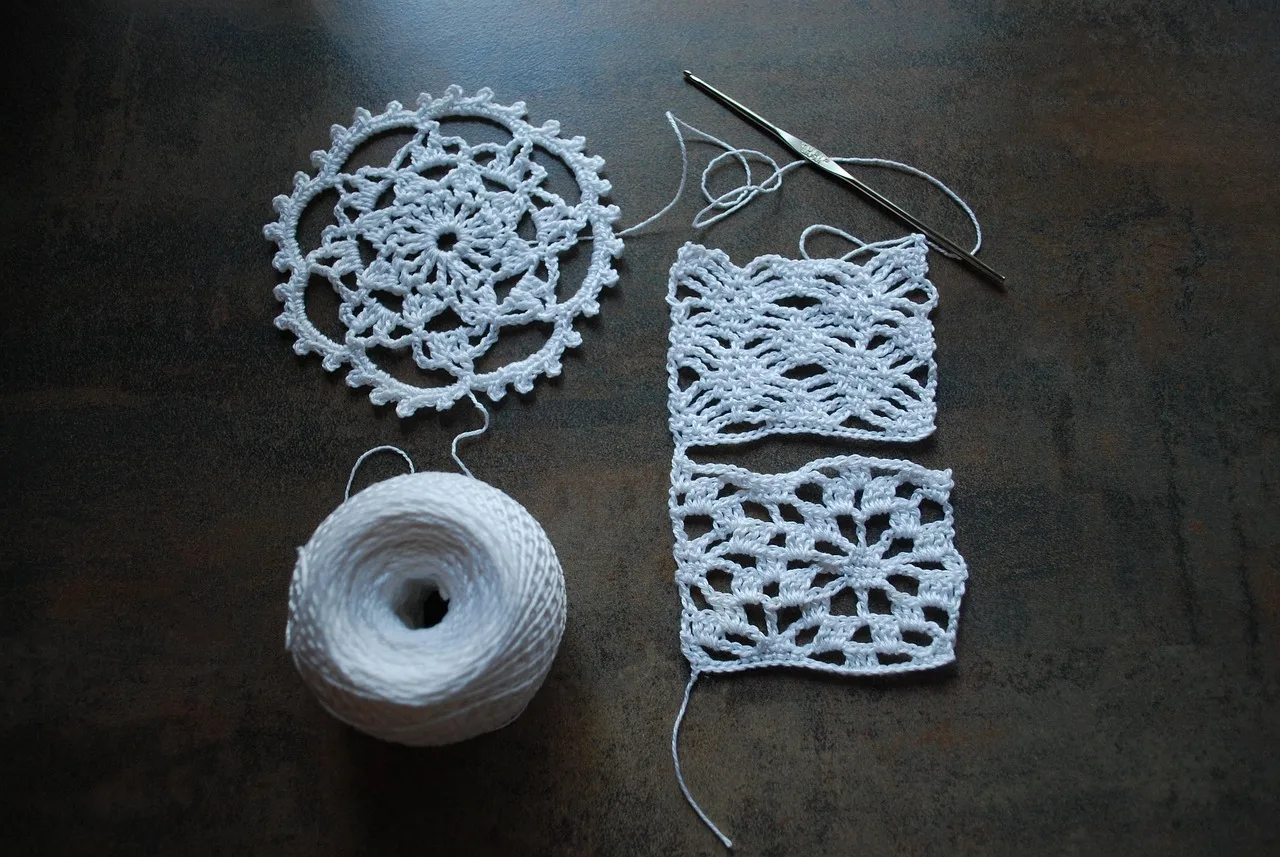


Çekim Tablosu
Belirtme (-i)pamuğu
Yönelme (-e)pamuğa
Bulunma (-de)pamukta
Çıkma (-den)pamuktan
Tamlayan (-in)pamuğun
Çoğul (-ler)pamuklar
Tanım
•isim, bitki bilimi: Ebegümecigillerden, koza biçimindeki meyvesi üç, dört, beş dilimli olan, sıcak bölgelerde yetişen tarım bitkisi (Gossypium)
•Bu bitkinin tohumlarının çevresinde oluşmuş ince, yumuşak tellerin adı
•Bu tellerin işlenmiş biçimi
•sıfat: Bu bitkinin işlenmiş biçiminden yapılmış
•Halı, kilim vb. yaygıların üzerinde oluşan, uçuşabilen toz kümecikleri
Atasözü & Deyim
“Sana taşla vurana sen aşla (ekmekle, pamukla) var (dokun)”
Diğer Dillerde
cotton (plant) · cotton (thread or fabric made from said plant)
çekim: çoğul Baumwollen · tamlayan Baumwollen
eş: Kattun
köken: From Middle High German boumwolle, from Late Old High German boumwolla. By surface analysis, Baum (“tree”) + Wolle (“wool”). Perhaps based on Herodotus’ description of wool-bearing trees in India; compare Ancient Greek ἐριόξυλον (erióxulon, “cotton”, literally “wood/tree-wool”) and Latin linum xylinum (“cotton”, literally “wood/tree-flax”).
aile: baumwollen, Baumwollbluse, Baumwollernte, Baumwollfeld, Baumwollhandschuh, Baumwollhemd, Baumwollhose, Baumwollkleid, Baumwolllaken, Baumwollmantel
Mann: Das ist nun der baumwollener Sari. — Bu pamuk elbise.
Fransızcablanche neige, Blanche-Neige, coton, Coton, Nom de famille, Prénom féminin (dişil) /blɑ̃ʃ.nɛʒ/
Snow White
köken: From blanche (“white”) + neige (“snow”).
L'homme : Voici donc le sari de coton. — Bu pamuk elbise.
İspanyolcaalgodón, de algodón, llevarse bien (eril) /alɡoˈdon/
cotton (plant, textile fiber) · cotton wool · ellipsis of algodón de azúcar
çekim: çoğul algodones
köken: Etymology tree Aramaic כִיתָנָא /כִיתָאנָא (kittānā)bor. Classical Syriac ܟܶܬܳܢܳܐ (kettānā)bor. Arabic قُطْن (quṭn) Andalusian Arabic قطن (quṭun)bor. Old Spanish algodon Spanish algodón Inherited from Old Spanish algodon, from Andalusian Arabic قطن (quṭun), from Arabic قُطُن (quṭun).
aile: algodón de azúcar, algodonal, algodoncillo, algodonero, algodonoso, árbol del algodón, bastoncillo de algodón, el algodón no engaña, entre algodones, molino de algodón
Hombre: Así que este es el sari de algodón. — Bu pamuk elbise.
İtalyancabambagia, cotone, di cotone (dişil)
cotton wool
çekim: çoğul bambagie
eş: ovatta, cotone
köken: From Medieval Latin bombacium, Byzantine Greek βαμβάκιον (bambákion), from either Ancient Greek βάμβαξ (bámbax, “cotton”) or Ancient Greek βόμβυξ (bómbux, “silk-worm”), whose ultimate origin is unknown. Compare Greek βαμβάκι (vamváki), Venetan bonbaxo, Middle Persian pmbk' (pambag).
Uomo: Dunque questo è un sari di cotone. — Bu pamuk elbise.
absorbent cotton, cotton wool, wadding, batting · drugstore cotton · glass wool
çekim: çoğul ва́ты · tamlayan ва́ты
köken: Borrowed from German Watte or French ouate.
aile: стеклова́та, са́харная ва́та
Мужчина: Вот, это хлопковое сари. — Bu pamuk elbise.
на ва́те
пальто́ на ва́те
cotton
çekim: çoğul أَقْطَان · tamlayan قُطْنٍ
köken: Borrowed from Aramaic כִיתָנָא / כִיתָאנָא (kittānā) and its Classical Syriac equivalent ܟܶܬܳܢܳܐ (kettānā), both meaning “flax; linen," from which also Arabic كَتّان (kattān, “flax”). The same Aramaic root also gives rise to the apparel-name Aramaic כִּיתּוּנָא (kittōnā) and the Syriac forms ܟܝܬܘܢܐ (kettōnā), and ܟܘܬܝܢܐ (kuttīnā, kottīnā, “tunic”), especially the Classical Syriac byform ܟܘܬܘܢܐ…
aile: قَطَّان
الزوج : حسناً هذا هو وشاح القطن — Bu pamuk elbise.
هٰذَا ٱلْقَمِيصُ مَصْنُوعٌ مِنَ ٱلْقُطْنِ.
cotton
çekim: çoğul پنبهها
köken: From Middle Persian pmbk' (pambag, “cotton”).
aile: پنبه نسوز, پنبهدانه, پنبهزار, پنبهپاککن
Azericepambıq /pɑmˈbɯx/
cotton · absorbent cotton, cotton wool, wadding, batting
çekim: çoğul pambıqlar · tamlayan pambığın
köken: From Old Anatolian Turkish پنبوق (pambuq). Cognate with Middle Persian pmbk'. Possibly related to Ancient Greek βάμβαξ (bámbax).
cotton, Gossypium · absorbent cotton, cotton wool, wadding, batting
köken: From Persian پخته (paxte).
Özbekçepaxta
cotton (a soft, fibrous, usually white substance consisting of fine hairs around the seeds of a plant of genus Gossypium) · cotton wool · cotton (a plant of genus Gossypium, used as a source of cotton fibre)
çekim: çoğul paxtalar · tamlayan paxtaning
köken: Inherited from Chagatai پخته (pxth /päxtä/), from Classical Persian پَخْتَه (paxta, “cotton”).
aile: paxtadog‘, paxtafurush, paxtakor, paxtakorlik, paxtazor, paxtashunos, paxtachi, paxtachilik
ipak paxta
paxta guli
Tatarcaмамык
Felemenkçekatoen, katoenen, katoenplant (eril) /kaːˈtun/
cotton, plant of the genus Gossypium
çekim: çoğul katoenen
eş: boomwol
köken: From Middle Dutch catoen, from older cotoen, from Old French coton, from Old Italian cotone, from Arabic قُطُن (quṭun).
aile: boskatoen, katoendraad, katoenen, katoenplant, katoenplantage, katoenvezel, katoenzaad, rode katoen, savannekatoen
Man: Dit is dus de katoenen sari. — Bu pamuk elbise.
Portekizcealgodão, dar-se bem, de algodão (eril) /aw.ɡuˈdɐ̃w̃/
cotton (plant) · the fibre extracted from the plant · the cloth made from the fibre
çekim: çoğul algodões
köken: Borrowed from Andalusian Arabic القُطُن (al-quṭun), variant of Arabic قُطْن (quṭn); see cotton for more. Doublet of cotão.
aile: algodão-doce
O algodão era o rei. — Pamuk artık kraldı.
Yunancaβαμβάκι (nötr)
cotton (fabric) · cotton (plant) · cotton wool
çekim: çoğul βαμβάκια · tamlayan βαμβακιού
köken: From Ancient Greek βαμβάκιον (bambákion), from Ancient Greek βάμβαξ (bámbax); compare also Latin bombacium, Italian bombagio, bambagia, Middle Persian pmbk'.
aile: βαμβακερός, βαμβακιά
Άντρας: Να, λοιπόν, το βαμβακερό σάρι. — Bu pamuk elbise.
cotton
köken: Borrowed from English cotton.
これで、きれいな水を作るんだ — Bu pamuk elbise.
cotton cloth
aile: 格子棉布
Orhan PAMUK ── 奧罕·帕慕克,土耳其男作家。 — Orhan Pamuk - Türk yazar.
Korece목화 /mo̞kʰwa̠/
cotton
eş: 면화, 목면
köken: Sino-Korean word from 木花
시아버지 : 그래..이게 바로 그 사리로구나~ — Bu pamuk elbise.
İsveççebomull
cotton (plant) · the textile made from the fiber harvested from the cotton plant
çekim: tamlayan bomulls
aile: bomullskrut, bomullsgarn
Fullständig snart kräfta döden äter upp den anläggningen. — Tam yakında pamukçuk ölüm tesisi yiyor.
Lehçebawełna, bawełniany, bawełnica, wata (dişil) /baˈvɛw.na/
cotton (Gossypium) · cotton (fibre) · cotton (textile)
çekim: tamlayan bawełny
eş: bawełniczka
köken: Etymology tree Old Polish wełna Middle High German boumwollepcalq. Old Polish bawełna Polish bawełna Inherited from Old Polish bawełna.
aile: bawełniarski, bawełniasty, bawełnisty, bawełnopodobny, bez owijania w bawełnę, bawełna strzelnicza, bawełniak, bawełnianka, bawełniarz, bawełnica
Mężczyzna: Zatem jest to bawełniane sari — Bu pamuk elbise.
Чоловік: Це вовняне сарі. — Bu pamuk elbise.
cotton (material and plant)
çekim: çoğul कपासें
köken: Inherited from Sauraseni Prakrit 𑀓𑀧𑁆𑀧𑀸𑀲 (kappāsa), from Sanskrit कर्पास (karpāsa, “cotton”), ultimately from Munda. Possibly related to Sanskrit कर्पट (karpaṭa), whence कपड़ा (kapṛā, “cloth, garment”).
Fincepumpuli, pumpulikangas, puuvilla, puuvillainen /ˈpumpuli/
cotton (raw material) · lint, cotton (soft cotton material for dressing wounds)
çekim: çoğul pumpulit · tamlayan pumpulin
köken: From Swedish bomull (“cotton”) < German Baumwolle (“cotton”).
aile: pumpulinen, pumpulihäntäkaniini, pumpulikakku, pumpulikangas, pumpulilanka, pumpulimekko, pumpulinkevyt, pumpulinpehmeä, pumpulipeitto, pumpulipuikko
Melisa Aslı Pamuk (s. — Melisa Aslı Pamuk (d.
Çekçebavlna, bavlněný, bavlník (dişil) /ˈbavl̩na/
cotton (the textile made from the fiber harvested from the cotton plant)
çekim: çoğul bavlny · tamlayan bavlny
köken: Inherited from Old Czech bavlna, borrowed from Middle High German boumwolle, whence German Baumwolle. The word is a partial calque, the second part having been assimilated to vlna (“wool”).
aile: bavlněný
Jan Sedlák zemřel. — Çiftçi Pamuk ölür.
Je to čistá bavlna?
Rumencebumbac, de bumbac, vată (eril) /bumˈbak/
cotton
çekim: çoğul bumbaci · tamlayan bumbacului
köken: Probably from a Late Latin bombax or *bombacum, ultimately from Ancient Greek βάμβαξ (bámbax). Compare Medieval Latin bombacium (Byzantine Greek βαμβάκιον (vamvákion)), from Ancient Greek βάμβαξ (bámbax), Italian bambagia, Venetan bombàxo, bombàs, also Greek βαμβάκι (vamváki), μπαμπάκι (bampáki), Serbo-Croatian bumbak, pamuk, Bulgarian бу́бак (búbak), Albanian pambuk, Turkish pamuk.
aile: bumbăcariță
Bǎrbatul: Deci acesta este sari-ul de bumbac. — Bu pamuk elbise.
cotton
çekim: çoğul gyapotok
köken: Usually considered to be from Proto-Common Turkic *yapgut (“stuffing, matted mass of hair or wool”) through a Turkic language before the times of the Hungarian conquest of the Carpathian Basin (at the turn of the 9th and 10th centuries), cognate with gyapjú (“wool”). However Benkő states the word is isolated in Karakhanid.
Férfi: Na, itt a pamut szári. — Bu pamuk elbise.
İbraniceכותנה, כֻּתְנָה (dişil) /kutˈna/
cotton
çekim: çoğul כותנות
köken: Borrowed from Arabic قُطْن (quṭn, “cotton”), with the spelling being adjusted to Aramaic כִּתָּנָא (kitaná, “flax, linen”) and Hebrew כֻּתֹּנֶת (kutónet, “tunic”).
איש: אז זה הסארי מכותנה. — Bu pamuk elbise.
linen, cambric, canvas · sail, awning, curtain
çekim: çoğul carbasī · tamlayan carbasī
köken: Borrowed from Ancient Greek κάρπασος (kárpasos, “cotton”), from Biblical Hebrew כַּרְפַּס (karpás, “fabric of cotton”), from Sanskrit कर्पास (karpāsa, “cotton”), though Mediterranean and Anatolic sources have also been suggested. The same Sanskrit word has resulted in gossypium (“cotton”).
aile: carbaseus
… vocat iam carbasus aurās, / puppibus et laetī nautae imposuēre corōnās.
Dancabomuld /ˈb̥ʌˌmulˀ/
cotton
köken: From Low German bomwulle. Compare German Baumwolle, from Baum (“tree”) + Wolle (“wool”). Second component has been adapted as uld, making this a partial calque.
Tønders borgmester er død. — Çiftçi Pamuk ölür.
Etimoloji
Farsça
Deyimler
Kelime Ailesi
Eş & Zıt Anlamlılar
Örnek Cümleler
Pamuk su emer.
Cotton sucks up water.
Bu pamuk elbise.
Man: So this is the cotton sari.
Bu bluz pamuktur.
This blouse is cotton.
Pamuk artık kraldı.
Cotton was king.
Pamuk ihracatı arttı.
The export of cotton has increased.
İki pamuk gömlek aldım.
I bought two cotton shirts.
Edebiyat - Orhan Pamuk.
Literature – Orhan Pamuk.
Georgia'da pamuk tarlası
Picking cotton in Georgia (Larger version)
O kumaş pamuktan yapılır.
That cloth is made from cotton.
"Orhan Pamuk'un Sabah'ı".
"Müzigin Orhan Pamuk'u".
Pamuk 91. sırada yer aldı.
He ranked 91st.
Pamuk yerine fıstık ektik.
We planted peanuts instead of cotton.
İlgili Sorular
Düz siyah eşofman üstü ve düz pamuklu gömlekleri temin etmek için hangi mağazalar uygun?
Eli Whitney pamuklu makinayı yarattı, başka hangi icadı bulunuyor?
Amerikalara köleliğin getirilmesi en çok hangi ürünün üretimine bağlıydı?
a) pamuk
b) baharatlar
c) pirinç
d) şeker
Amerikalarda köleliğin ortaya çıkmasını hangi ürünün üretimi en çok etkiledi?
a) pamuk
b) baharatlar
c) pirinç
d) şeker
Disney prenseslerinin çoğu çok çeşitli ürünlerle bulunuyor, ama Pamuk Prenses ürünleri neden yok?
İlgili / Bileşik Terimler
Genelcotton candy
Genelblue shark
Genelcandy floss
Genelsnow white
Genelsnow white
Genelcandy floss
Birleşik Kelimeler
pamuk balıpamuk balığıpamuk bezipamuk elmasıpamuk helvasıpamuk ipliğipamuk otupamuk şekeripamuk taşıpamuk yağıeczalı pamuktahta pamukçelik pamuğuHint pamuğutaş pamuğu