Sözlük
/kristal
kristal
/kɾisˈtal/
adj
C1 seviye
TR → EN
"kristal" kelimesinin İngilizcesi: crystal, crystal, crystal, crystal, crystal. Anlamı, çevirisi, telaffuzu ve örnek cümleler aşağıdadır.
Çeviri
Genelcrystalnoun
Genelcrystal
Genelcrystal
Genelcrystal
Genelcrystal
Görsel
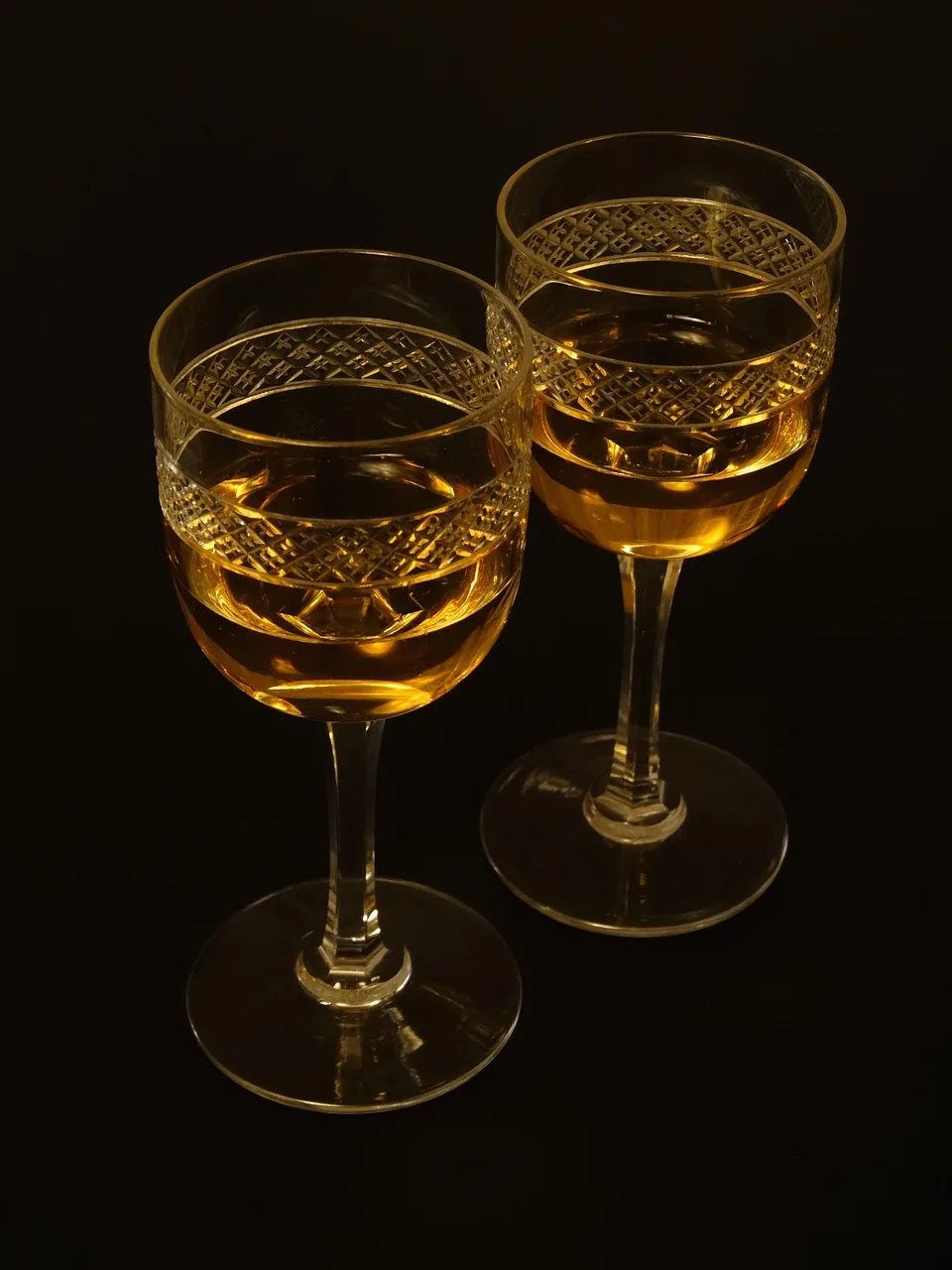
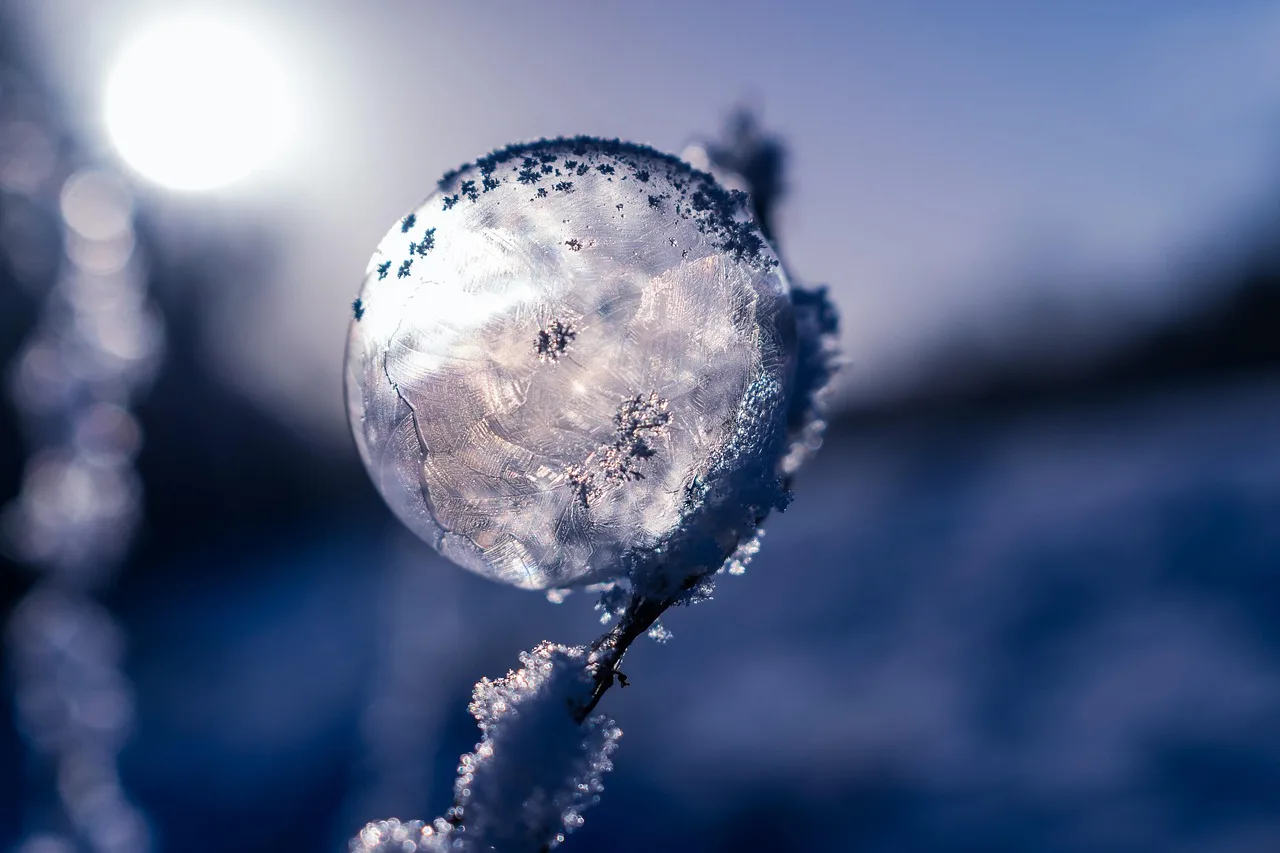
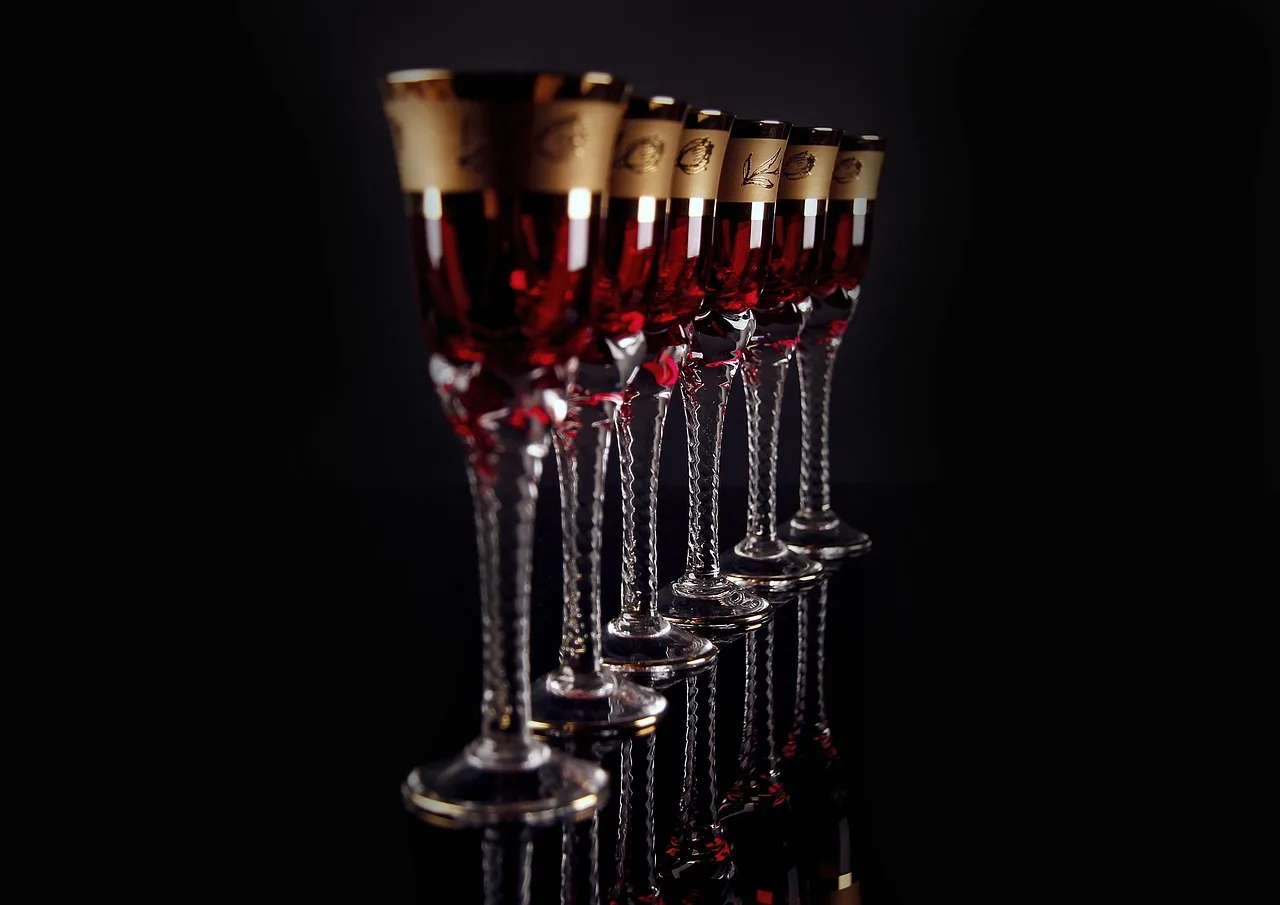
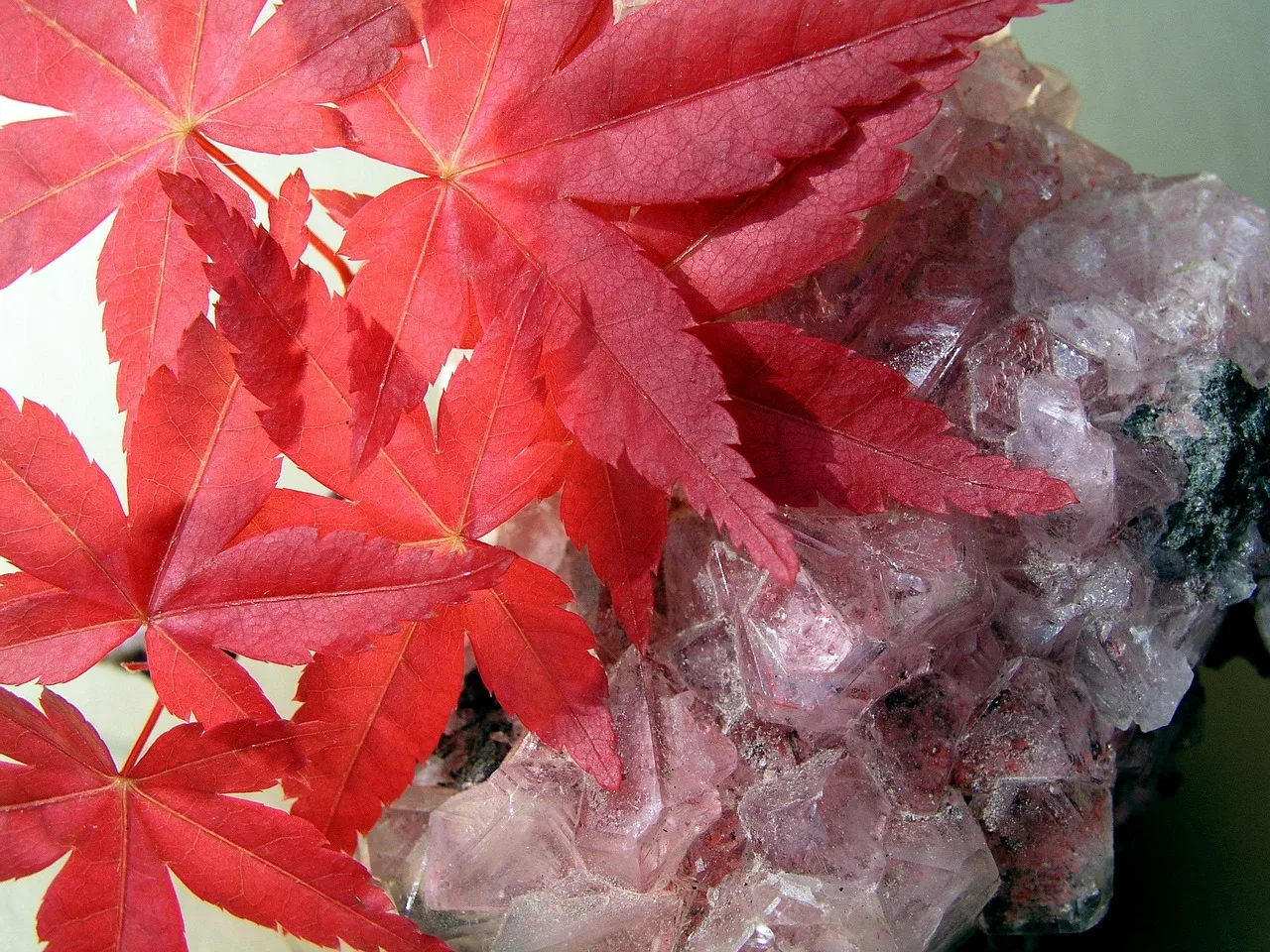
Çekim Tablosu
Belirtme (-i)kristali
Yönelme (-e)kristale
Bulunma (-de)kristalde
Çıkma (-den)kristalden
Tamlayan (-in)kristalin
Çoğul (-ler)kristaller
Tanım
•isim: billur
•sıfat: Billurdan yapılmış
Diğer Dillerde
AlmancaKristall, Kristallglas (eril) /kʁɪsˈtal/
crystal in the sense of mineral and its molecular structure ("array of atoms"), not in the sense of glass / glassware ("das Kristall")
çekim: çoğul Kristalle · tamlayan Kristalles
köken: From Middle High German kristal, kristalle, from Old High German cristalla, from Latin crystallum, from Ancient Greek κρύσταλλος (krústallos, “ice”). Cognate with Vilamovian kryśtaoł.
Kristall 5 — Kristal 5
crystal
çekim: çoğul cristaux
aile: boule de cristal, cristal de roche, cristal liquide
Cristal 3 — Kristal 3
İspanyolcacristal, cristalino (eril) /kɾisˈtal/
crystal · glass, glassware · window pane
çekim: çoğul cristales
eş: vidrio, metanfetamina cristal, metanfetamina de cristal
köken: Inherited from Old Spanish cristal, from Latin crystallum, from Ancient Greek κρύσταλλος (krústallos, “ice”).
aile: acristalar, armónica de cristal, bola de cristal, cristal de roca, cristal líquido, cristalería, cristalero, culebra de cristal, encristalar, generación de cristal
Cristal 1 — Kristal 1
İtalyancacristallo (eril) /krisˈtal.lo/
crystal · pane (of glass)
çekim: çoğul cristalli
eş: vetro, lastra, lente
köken: Borrowed from Latin crystallum, from Ancient Greek κρύσταλλος (krústallos).
Cristallo 4 — Kristal 4
Rusçaкристалл, хрусталь (eril) /krʲɪˈstaɫ/
crystal (a solid composed of an array of atoms with a periodic structure) · chip, silicon wafer (integrated circuit)
çekim: çoğul криста́ллы · tamlayan криста́лла
eş: чип, камень
köken: Borrowed from German Kristall or French cristal, from Latin crystallum, from Ancient Greek κρύσταλλος (krústallos). Doublet of хруста́ль (xrustálʹ), which entered the Russian language via Byzantine Greek.
Кристалл 5 — Kristal 5
Arapçaبِلَّوْر, بِلَّوْرِيّ, قَرِيت, قَرِيس
كريستال ١ — Kristal 1
Azericebüllur, kristall /byˈɫːur/
cut glass, crystal
çekim: çoğul büllurlar · tamlayan büllurun
köken: Borrowed from Classical Persian بلور.
Kazakçaкристалл, сутас, хрусталь
crystal
köken: Borrowed from Russian криста́лл (kristáll), from Latin crystallum (“crystal, ice”).
Özbekçebillur, xrustal
Felemenkçekristal, kristallen (nötr) /krɪˈstɑl/
crystal (array of atoms)
çekim: çoğul kristallen
köken: From Middle Dutch cristal, kerstal, from Old French cristal, from Latin crystallum, from Ancient Greek κρύσταλλος (krústallos).
aile: bergkristal, eenkristal, kristalglas, kristallen, kristallijn, kristalliseren, kristalrooster, kristalstructuur, kristalsuiker, monokristal
Kristal 2 — Kristal 2
Yunancaκρύσταλλο, κρύσταλλος (nötr)
mineral crystal, crystal glass, ice
çekim: çoğul κρύσταλλα · tamlayan κρυστάλλου
köken: From Byzantine Greek κρύσταλλον (krústallon), from Ancient Greek κρύσταλλος (krústallos) with change of gender.
Κρύσταλλος 3 — Kristal 3
crystal · a crystal
köken: From the English crystal.
クリスタルName — Kristal 4Name
decision
köken: Sino-Korean word from 決定, from 決 (“deciding”) + 定 (“specifying”)
aile: 결정되다, 결정하다
결정 2 — Kristal 2
Lehçekryształ (eril) /ˈkrɘʂ.taw/
crystal (mineral)
çekim: çoğul kryształy · tamlayan kryształu
eş: ciało krystaliczne, szkło ołowiowe, cukier kryształ, ideał
köken: Learned borrowing from Latin crystallum, from Ancient Greek κρύσταλλος (krústallos).
Kryształ 2 — Kristal 2
Ukraynacaкриста́л, кришта́ль
Кристал 3 — Kristal 3
Hintçeअमल, आबगीना, क्रिस्टल, बिल्लौर, स्फटिक /ə.məl/
stainless, clean, pure · faultless, sinless
çekim: çoğul अमलों
köken: Borrowed from Sanskrit अमल (amala). By surface analysis, अ- (a-) + मल (mal).
अमल होना
अमल में आना
Fincekide, kristalli /ˈkideˣ/
crystal (a grain or piece of a crystalline substance, an array of atoms)
çekim: çoğul kiteet · tamlayan kiteen
köken: From Proto-Finnic *kidek. Originally referring to a snowflake or crystal of ice; related to dialectal kiteä, Estonian kidu (“light snow that wind blows around”), Karelian kitie (“cold (sub-zero) weather”), Veps kidegi (“very cold weather”). The modern meaning "crystal" was coined by Finnish clergyman and philologist Gustaf Renvall.
aile: kiteetön, kiteinen, kiteymä, kiteyttää, kiteytyä, erilliskide, jääkide, kaksoiskide, kaksoskide, karkeakiteinen
Kide 4Name — Kristal 4Name
rock crystal · lead crystal, lead glass
çekim: çoğul křišťály · tamlayan křišťálu
aile: křišťálový
KřišťálName — Kristal 1Name
Rumencecleștar (nötr) /kleʃˈtar/
crystal (fine glass)
çekim: tamlayan cleștarului
köken: Borrowed from Hungarian kristály. Doublet of cristal.
Cristal 1 — Kristal 1
Macarcajegec, kristály /ˈjɛɡɛt͡s/
crystal
çekim: çoğul jegecek
köken: First attested in 1842. From jég (“ice”) + -e- + -c (noun-forming suffix). Created during the Hungarian language reform, which took place in the 18th–19th centuries.
aile: jegeces → jegecesedik → kijegecesedik
5. kristály — Kristal 5
İbraniceבְּדוֹלַח, גָּבִישׁ
גביש 2 — Kristal 2
Latincecristallus, crystallum /krysˈtal.lũː/
a crystal · a thing made from crystal · a gem or stone resembling crystal
çekim: çoğul crystalla · tamlayan crystallī
köken: From Ancient Greek κρύσταλλος (krústallos, “ice”), from κρύος (krúos, “icy cold, chill, frost”). The reasoning behind the change from masculine to neuter is unknown.
Norveççekrystall-
Krystallstruktur. — Kristal yapıdadır.
Vietnamcapha lê, tinh thể /faː˧˧ le˧˧/
lead glass; crystal
köken: Sino-Vietnamese word from 玻瓈 (MC pha lej), variant form of 玻璃 (MC pha lje).
Pha lê 5 — Kristal 5
Slovakçakrištáľ, kryštál
Name — Kristal 4Name
Litvancakristalas, krištolas
Kraminkas laimėjo. — Kristal Elma kazandı.
Letoncakristāla, kristāls
genitive singular of kristāls
Taycaดาลัด, ผลึก, เพชรน้ำค้าง /pʰa˨˩.lɯk̚˨˩/
crystal.
köken: Borrowed from Pali phalika, phalikā (“crystal; quartz”); compare Sanskrit स्फटिक (sphaṭika, “crystal; quartz”). Cognate with Lao ຜະລຶກ (pha lưk), ຜະລິກະ (pha li ka), Khmer ផលិក (phɑɑphɑlək), Chinese 玻璃 (bōli, “glass”).
aile: ตกผลึก
Etimoloji
Fransızca
Deyimler
kristal yapı
Kelime Ailesi
Eş & Zıt Anlamlılar
Örnek Cümleler
Kristal 1
Propanal
Kristal 2
Prussic Acid (Cyanic Acid)
Kristal 3
Chloroform
Kristal 4
l-Lactic acid
Kristal 5
Ascorbic acid
Kristal 1Name
Crystal 1
Kristal 2Name
Crystal 2
Kristal 3Name
Crystal 3
Kristal 4Name
Crystal 4
Kristal 5Name
Crystal 5
FX 3 - Kristal
FX 3 - Crystal
Kristal yapısı
Crystal structure
İlgili Sorular
İlgili / Bileşik Terimler
Genelcrystal ball
Genelcrystal palace
Birleşik Kelimeler
kristal camkristal karkristal mavisi