Sözlük
/kekik
kekik
/ceˈcic/
noun
TR → EN
"kekik" kelimesinin İngilizcesi: thyme, thyme. Anlamı, çevirisi, telaffuzu ve örnek cümleler aşağıdadır.
Çeviri
Genelthymenoun
Genelthyme
Görsel
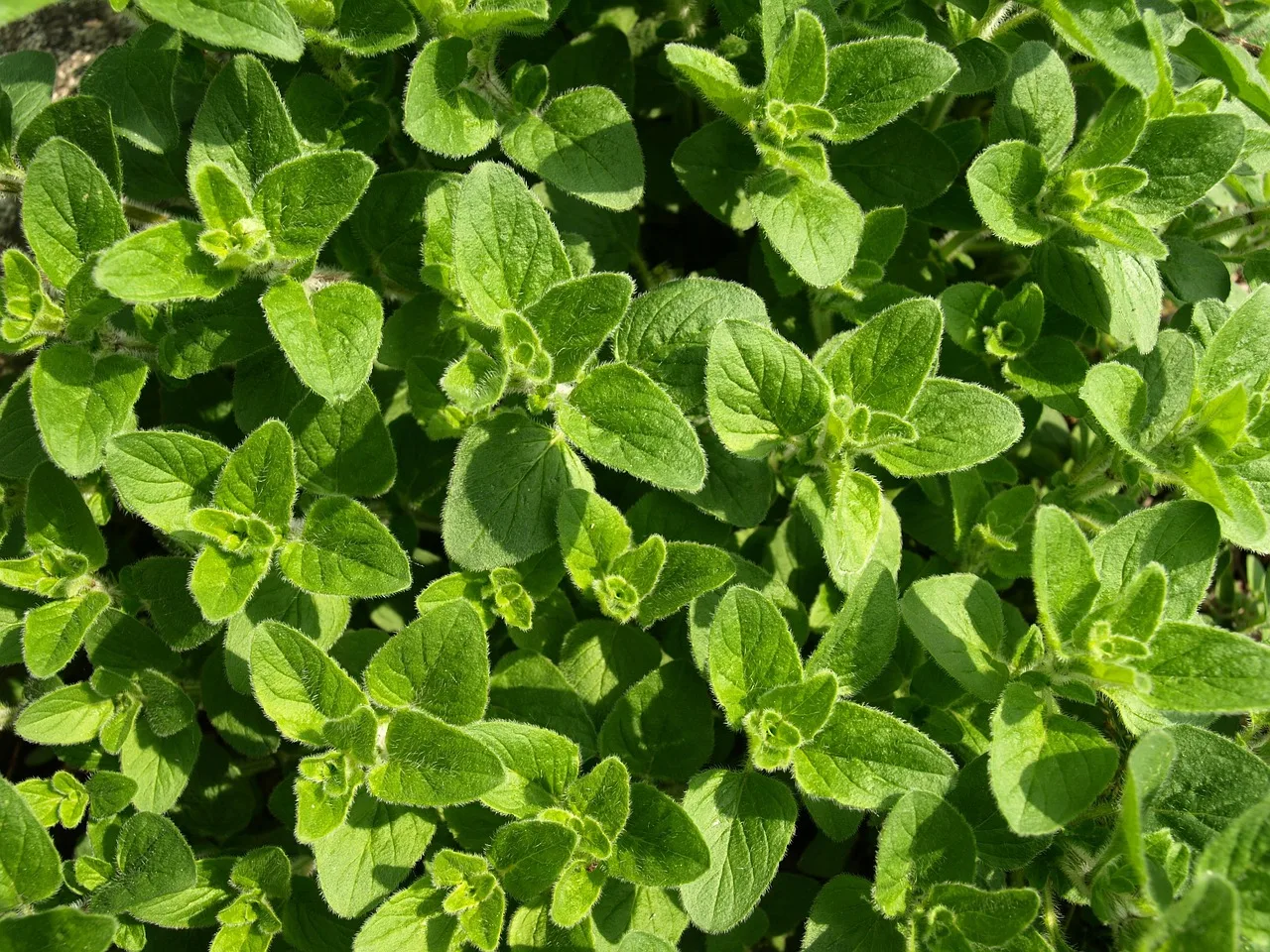
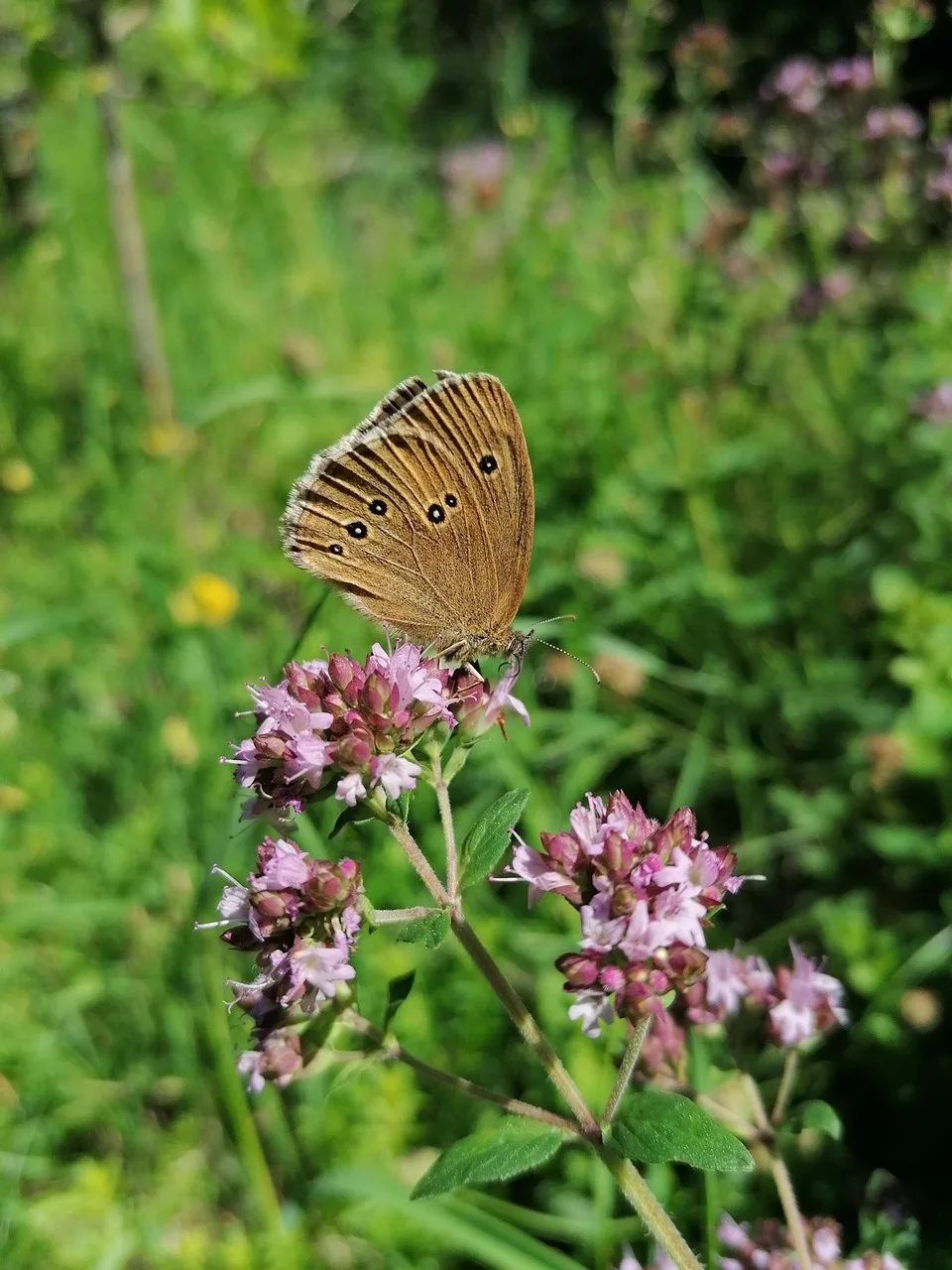
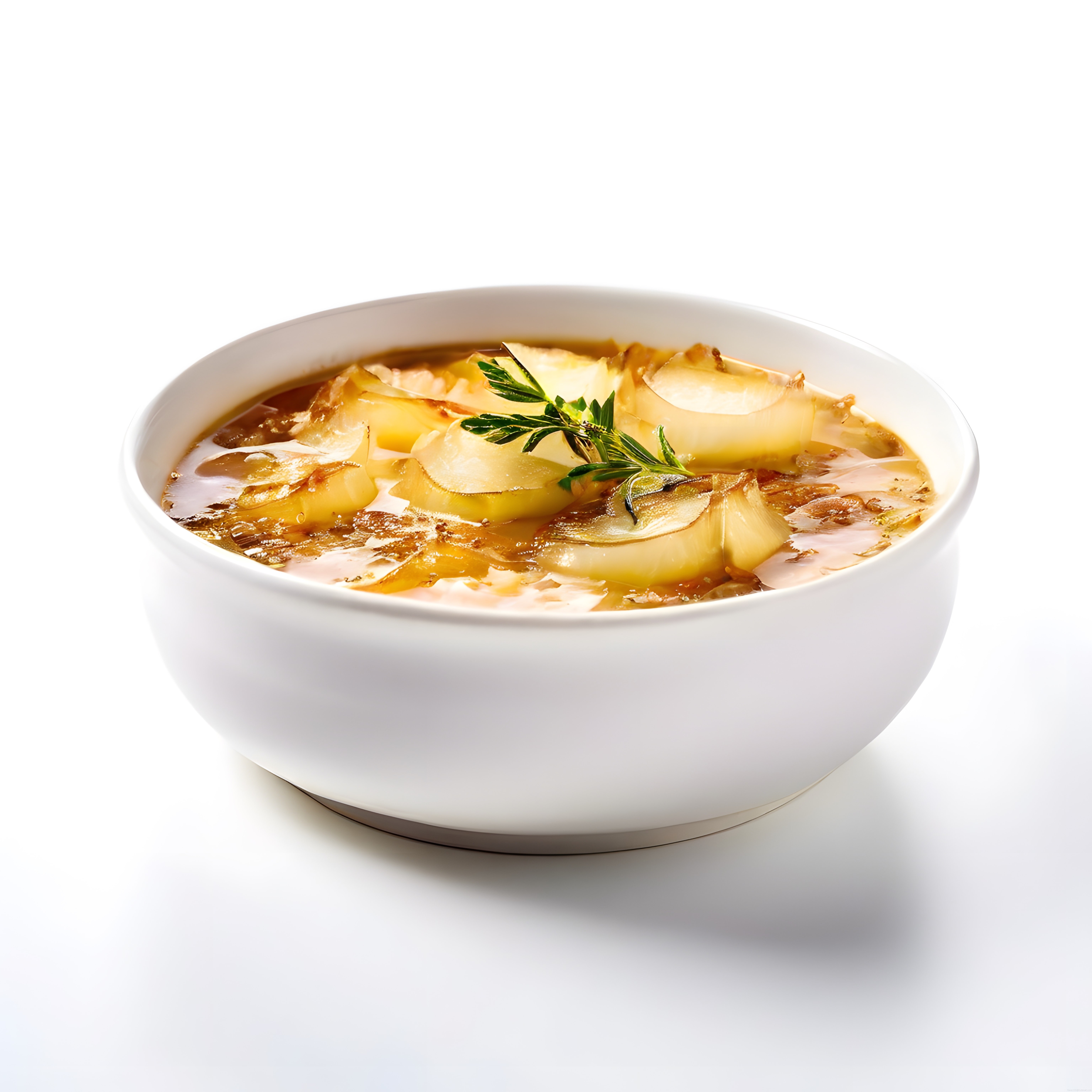
Çekim Tablosu
Belirtme (-i)kekiği
Yönelme (-e)kekiğe
Bulunma (-de)kekikte
Çıkma (-den)kekikten
Tamlayan (-in)kekiğin
Çoğul (-ler)kekikler
Tanım
•isim, bitki bilimi: Ballıbabagillerden, karşılıklı küçük yapraklı, beyaz, pembe, kırmızı başak durumunda çiçekleri olan ve çiçeği baharat gibi kullanılan, odunsu saplı, kokulu bir bitki (Thymus vulgaris)
Diğer Dillerde
Almancathymian (eril) /ˈtyːmi̯a(ː)n/
thyme
çekim: çoğul Thymiane · tamlayan Thymians
eş: Quendel, Echter Thymian, Gartenthymian, Kuttelkraut, Römischer Quendel, Chölm
köken: From Middle High German thimiān, alteration of thymiāme, from Latin thymiama, from Ancient Greek θυμίαμα (thumíama, “incense”). The sense through association with thymum, θύμον (thúmon, “thyme”), probably already in Latin (if not Greek itself), as thyme was a commonly used incense. Whether the two words are originally related is uncertain.
Fransızcathym (eril) /tɛ̃/
thyme (Thymus)
çekim: çoğul thyms
eş: farigoule, farigoulette, serpolet
köken: Borrowed from Latin thymum.
aile: gros thym, thym alpestre, thym commun, thym couché, thym de Corse, thym laineux, thym officinal, thym résineux, thym serpolet, thymol
L'odeur fétide du chat lui parvient. — Kekik kokusunun anavatanıdır adeta.
İspanyolcaditén, tomillo (eril) /toˈmiʝo/
thyme
çekim: çoğul tomillos
köken: Inherited from Vulgar Latin *thymellus, diminutive of Latin thymus, from Ancient Greek θύμος (thúmos).
aile: tomillo blanco, tomillo español, tomillo salsero
Vuestro lugar de reunión será el Paraíso." — Kekikdüzü, Van ilinin Saray ilçesine bağlı bir mahalledir.
İtalyancatimo (eril) /ˈti.mo/
thyme (plant and herb) · thymus (organ)
çekim: çoğul timi
Le foglie invece si raccolgono in estate e senza gambo. — Yaz aylarında ıhlamur ve kekik toplanır.
Rusçaтимьян обыкновенный, богородская трава
тимьян обыкновенный, богородская трава
Как правило, предпочтение всегда отдавалось каменным стенам. — Üzerinde baharat olarak genellikle kekik tercih edilir.
Arapçaحَاشَا, زَعْتَر, صَعْتَر
ففیه رائحة الآباء والأجداد. — Kekik kokusunun anavatanıdır adeta.
thyme
köken: Inherited from Middle Persian [script needed] (ʾp̄yšn' /ābēšan ~ ābešan/). Northern Luri ںاۏشم (awşem), Silakhori ۏشم (wşem).
Tatarcaчабыр
Felemenkçetijm (eril) /tɛi̯m/
thyme, plant of the genus Thymus · thyme, herb from these plants
eş: echte thijm
köken: Borrowed from Middle French thym, from Latin thymum, from Ancient Greek θύμον (thúmon).
aile: echte tijm, grote tijm, kleine tijm, kruiptijm, steentijm, tijmereprijs
Maar de kasteelheer ruikt onraad. — Kekik kokusunun anavatanıdır adeta.
Portekizcetomilho (eril) /toˈmi.ʎu/
thyme (any plant of the genus Thymus, often used as seasoning)
çekim: çoğul tomilhos
eş: timo
köken: Borrowed from Spanish tomillo.
Japoncaタイム /ta̠imɯ̟/
time
köken: Borrowed from English time.
aile: 賢者タイム
比企氏 平賀氏 — 1- Kekik Prof.Dr.
映画鑑賞タイム
İsveççetimjan
thyme (plant and spice)
çekim: tamlayan timjans
De solar sig på sommaren och ömsar skinn. — Yaz aylarında ıhlamur ve kekik toplanır.
Lehçemacierzanka, tymianek (dişil) /ma.t͡ɕɛˈʐan.ka/
thyme (any plant of the genus Thymus)
çekim: çoğul macierzanki · tamlayan macierzanki
eş: macierduszka
köken: Univerbation of macierza duszka, perhaps a calque of Latin matris animula.
Ukraynacaчебре́ць
По обидва боки круті схили. — Yine her iki tarafına bol kekik serpilir.
thyme (plant of the genus Thymus)
çekim: çoğul ajuruohot · tamlayan ajuruohon
köken: aju + ruoho
aile: kangasajuruoho, tarha-ajuruoho
Sitä myydään Italiassa tuotenimilla EN ja Darumir. — İtalya'da marketlerde satılır ve tercihen domates ve kekikle servis edilir.
Çekçemateřídouška, tymián (dişil) /ˈmatɛr̝iːdou̯ʃka/
thyme (any plant of genus Thymus)
çekim: çoğul mateřídoušky · tamlayan mateřídoušky
köken: From mateří + douška, thus literally ’mother's soul’.
Rumencecimbru, lămâioară (eril) /ˈt͡ʃim.bru/
savory (the plant) · thyme
çekim: çoğul cimbri · tamlayan cimbrului
eş: cimbrișor, lămâioară, timian
köken: A local substrate of unknown relation to Ancient Greek θύμβρα (thúmbra) and Proto-Slavic *čębьrъ, *čǫbьrъ.
Macarcakakukkfű /ˈkɒkukfyː/
thyme (any plant of the genus Thymus)
çekim: çoğul kakukkfüvek
köken: From kakukk (“cuckoo”) + fű (“grass”). First attested in c. 1395.
aile: kakukkfüves
İbraniceקוֹרָנִית, תימין
Latincethymum /ˈtʰy.mũː/
thyme
çekim: çoğul thyma · tamlayan thymī
köken: Etymology tree Ancient Greek θύμον (thúmon)bor. Latin thymum Borrowed from Ancient Greek θύμον (thúmon).
fervet opus, redolentque thymō frāgrantia mella
Vietnamcahúng tây
Bulgarcaма́щерка
Slovencetȋmijan
Litvancačiõbras, čiobrẽlis
thyme
çekim: çoğul liivateed · tamlayan liivateede
köken: From liiv + tee.
Kohutav rebijanina nuusutab, kus oled sina. — Kekik kokusunun anavatanıdır adeta.
Etimoloji
Farsça kâkûti.
Kelime Ailesi
Örnek Cümleler
Kekik türleri (Timüs) bu kurak bölgelere çok yaygındır.
The species of thyme (Thymus) are very typical of those arid regions.
Fesleğen, adaçayı, biberiye, kekik ve keklik otu popüler otlardır.
Basil, sage, rosemary, thyme and oregano are popular herbs.
Birleşik Kelimeler
kekik yağıbahçe kekiğiGirit kekiğiİstanbul kekiğiyayla kekiği