Sözlük
/kedi
kedi
"kedi" kelimesinin İngilizcesi: cat, cat, cat, cat. Anlamı, çevirisi, telaffuzu ve örnek cümleler aşağıdadır.
Çeviri
Bilimcatnoun
Genelcat
Genelcat
Genelcat
Görsel


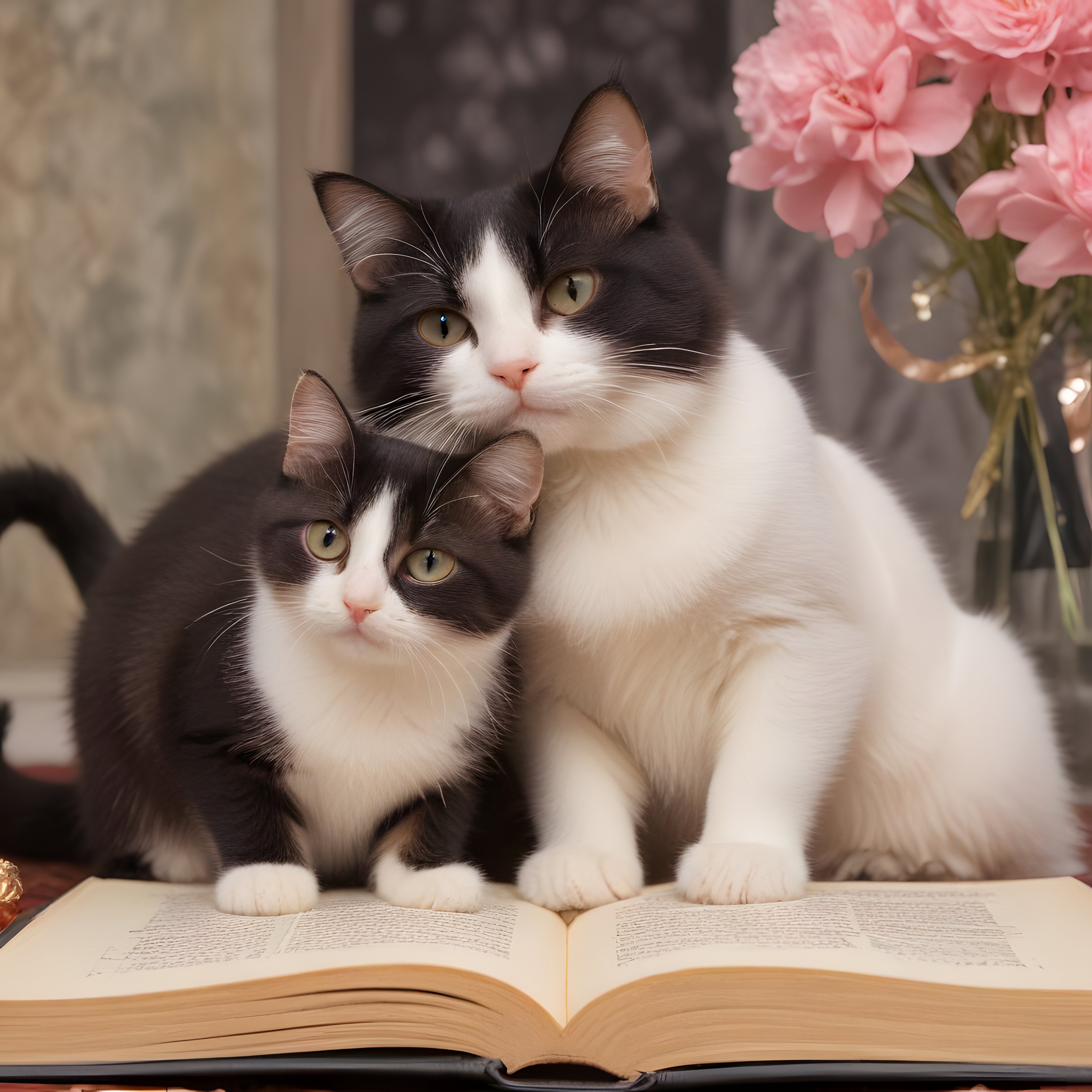
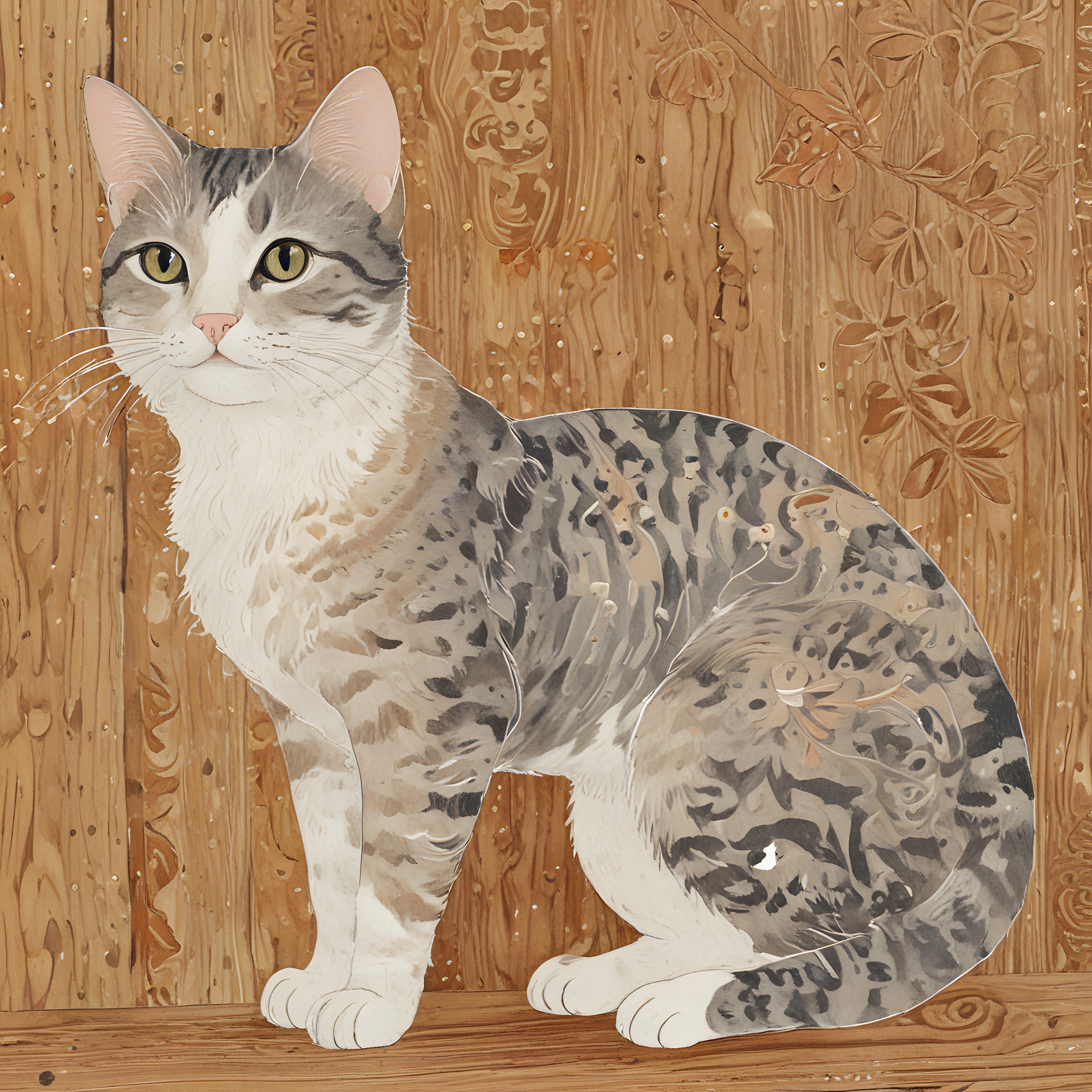
Çekim Tablosu
Belirtme (-i)kediyi
Yönelme (-e)kediye
Bulunma (-de)kedide
Çıkma (-den)kediden
Tamlayan (-in)kedinin
Çoğul (-ler)kediler
Tanım
•isim, hayvan bilimi: Kedigillerden, memeli, köpek dişleri iyi gelişmiş, çevik ve kuvvetli, evcil, küçük hayvan; pisik (Felis domesticus)
Atasözü & Deyim
“Bakmakla usta olunsa (öğrense), köpekler (kediler) kasap olurdu (kasaplığı öğrenirdi)”
“Caminin (mescidin) mumunu yiyen kedinin gözü kör olur”
“Cins kedi ölüsünü göstermez”
“Kedi yetişemediği (uzanamadığı) ciğere pis (murdar) dermiş”
“Kedinin boynuna ciğer asılmaz”
Diğer Dillerde
AlmancaHauskatze, Katze, katze (dişil) /ˈkatsə/
house cat, Felis silvestris catus · female house cat · cat (any member of the genus Felis)
çekim: çoğul Katzen · tamlayan Katzen
eş: Hauskatze, Miau, Miez, Mieze, Miezekatze, Minse
zıt: Kater
köken: Inherited from Middle High German katze, Old High German kazza, from Proto-West Germanic *kattā. Akin to Old English catt (“cat”).
aile: Bengalkatze, Borneo-Goldkatze, Cheshire-Katze, die Katze aus dem Sack lassen, Eichkatze, Fischkatze, Flachkopfkatze, Graukatze, Grinsekatze, Hauskatze
Die Katze ist schwarz. — Kedi siyah.
Fransızcachat, Chat, chatte (eril) /ʃa/
cat (feline) · cat, tom, tomcat · tag, tig (children’s game)
çekim: çoğul chats
eş: chat domestique, greffier, Grippeminaud, minet, mistigri, Raminagrobis
köken: Inherited from Middle French chat, from Old French chat, from Late Latin cattus.
aile: à bon chat, bon rat, à ne pas mettre un chat dehors, absent le chat, les souris dansent, acheter chat en poche, appeler un chat un chat, arbre à chat, avoir d'autres chats à fouetter, avoir un chat dans la gorge, c'est le chat qui se mord la queue, chat à neuf queues
Où se trouve le chat ? — Kedi nerede?
İspanyolcagato (eril) /ˈɡato/
cat (unspecified gender) · tomcat, gib (male cat) · servant
çekim: çoğul gatos
eş: minino, micho, félido, felino
köken: Inherited from Late Latin cattus (compare Catalan gat, French chat, Italian gatto, Portuguese gato). See cat for more.
aile: arena para gato, atar el gato, buscarle tres pies al gato, como el perro y el gato, cuatro gatos, dar gato por liebre, de noche todos los gatos son pardos, escala de gato, gatear, gatillo
Tengo un gato. — Kedim var.
İtalyancagatto (eril) /ˈɡat.to/
tom, tomcat
çekim: çoğul gatti
eş: micio, felino
köken: Inherited from Late Latin cattum.
aile: cibo per gatti, di notte tutti i gatti sono bigi, erba gatta, gatta ci cova, gatta da pelare, gattabuia, gattaia, gattaiola, gattamorta, gatta morta
Ho due gatti. — İki kedim var.
Rusçaкошка (dişil) /ˈkoʂkə/
cat-o'-nine-tails · grapnel, drag · grapple fork
çekim: çoğul ко́шки · tamlayan ко́шки
eş: домашняя кошка, ки́са, киска, мурка, киса́
köken: Inherited from Middle Russian ко́шка (kóška), from Old East Slavic ко́шька (kóšĭka), from unattested *ко́чька (*kóčĭka), from Proto-Slavic *kòťьka, from *kòťь, from *kòtъ. Cognate with Old Ruthenian ко́шка (kóška), Ukrainian кі́шка (kíška).
aile: коша́к, коша́тник, коша́тница, ко́шки-мы́шки, Phrases, как ко́шка с соба́кой, на душе́ ко́шки скребу́т, Proverbs, до́брое сло́во и ко́шке прия́тно, зна́ет ко́шка чьё мя́со съе́ла
Кошка убежала. — Kedi kaçtı.
жить как ко́шка с соба́кой
игра́ть в ко́шки-мышки
но́чью все ко́шки се́ры
Arapçaقط
ever, never
çekim: geçmiş قَطَطْتُ
köken: Most likely to be onomatopoeic. See قَتَّ (qatta).
له مظهر مشابه للقط المحلي. — Ev kedisine benzer.
القِطُّ يَلْعَبُ بِكُرَةٍ.
precedence
köken: From پیش (pēš /piš) + ـی (-ī /-i).
aile: پیشی گرفتن
Azericepişik
cat (mammal)
çekim: çoğul pişiklər · tamlayan pişiyin
köken: From Old Anatolian Turkish [script needed] (pišik), from Proto-Common Turkic *pišik.
cat, Felis catus
çekim: çoğul мысықтар · tamlayan мысықтың
köken: From Proto-Common Turkic *pišik (“cat”).
Özbekçemushuk /muˈʃuk/
çekim: çoğul mushuklar · tamlayan mushukning
köken: From Proto-Common Turkic *pišik.
Felemenkçekat, kat, poes (dişil) /kɑt/
domestic cat, pussy, Felis silvestris catus · feline · female cat
çekim: çoğul katten
eş: poes
köken: Inherited from Middle Dutch catte, from Old Dutch katta, *catta, from Proto-West Germanic *kattā, from Latin catta, feminine of cattus.
aile: afkatten, civetkat, de kat in het donker knijpen, de kat sturen, de kat uit de boom kijken, een kat een kat noemen, een kat in de zak kopen, een kat in het nauw maakt rare sprongen, geselkat, huiskat
Dat is mijn kat. — O benim kedim.
Portekizcegato (Felis silvestris catus)
Onde está o gato? — Kedi nerede?
Yunancaγατα
Japonca猫 /ne̞ko̞/
a cat
köken: ⟨neko₁⟩ → /neko/ From Old Japanese. Cognate with Miyako にか (nika, “cat”, Tarama and Minna dialects) via unknown Japonic substratum. Listed in modern references as a compound of ね (ne, onomatopoeia of the sound a cat makes; compare modern Japanese にゃ (nya), English mew, meow) + こ (ko, diminutive noun-forming suffix). According to the 和(わ)名(みょう)類(るい)聚(じゅ)抄(しょう) (Wamyō Ruijushō) of 931–938, neko is…
aile: 愛猫: beloved cat, love for cats, 怪猫, 成猫, 斑猫, 猫額: cat's forehead, smallness as that of a cat's forehead, 猫睛石: cat's-eye, 霊猫: civet
猫が二匹居る。
Çince貓 /mɑʊ̯⁵⁵/
cat (Classifier: 隻/只 m c) · to hide oneself · to hang around; to stay somewhere doing nothing
eş: 狸奴, 女奴, 烏員, 貓兒, 貓咪, 咪咪
köken: Phono-semantic compound (形聲 /形声, OC *mreːw, *mrew): semantic 豸 + phonetic 苗 (OC *mrew). The phonetic component perhaps points to the onomatopoeic nature of this word. Ma Xulun suggested that 豸 was the original character of 貓. Onomatopoeic. Compare 喵 (miāo, “meow, the onomatopoeic cry of a cat”). Schuessler (2007) reconstructs Old Chinese *mau, reasoning that 貓's place among division II syllables…
aile: 三腳貓, 三脚猫, 三跤貓, 三跤猫, 人貓, 人猫, 偷貓遞狗, 偷猫递狗, 出貓, 出猫
迎貓,為其食田鼠也;迎虎,為其食田豕也,迎而祭之也。
迎猫,为其食田鼠也;迎虎,为其食田豕也,迎而祭之也。
據英國《每日郵報》5月9日報導,不久前,意大利海關在從中國運過來的集裝箱裡發現一隻小橘貓。
Korece고양이 /ko̞ja̠ŋi/
고양이과 고양이속에 속하는 동물의 총칭.
köken: 괴 (goe, “cat”, now largely obsolete) + -앙이 (-ang'i, diminutive suffix). First recorded in 1690, and became popular in the late 19th century. Ultimately from Old Korean *kwò(y)ní, attested in the twelfth-century wordlist Jilin leishi; see 괴 (goe) for more.
aile: 고양이고래, 도둑고양이, 도적(盜賊)고양이, 사향(麝香)고양이, 수고양이, 아시아황금고양이, 암고양이, 중국산악고양이, 집고양이
조용한 고양이가 쥐를 잡는다.
꽁꽁 얼어붙은 한강 위로 고양이가 걸어다닙니다.
İsveççekatt, kattdjur, kräkas, spy /ˈkatː/
a cat · a sexually attractive woman · a cat-o'-nine-tails
çekim: çoğul katter · tamlayan katts
köken: From Old Swedish katter, from Old Norse kǫttr, from Proto-Germanic *kattuz, from Late Latin cattus, from Latin catta. Usage as a minced oath due to the association in folklore between cats and the forces of darkness.
aile: angorakatt, apekatt, bondkatt, en katt bland hermelinerna, ginstkatt, gipskatt, gå som katten kring het gröt, hankatt, havskatt, honkatt
Jag saknar min katt. — Kedimi özledim.
Hon klappade katten
Du Nisse, har du matat katten?
Katter äter kattmat
female equivalent of kocur (“cat”)
çekim: çoğul kocice · tamlayan kocicy
eş: kotka, zajęczyca
köken: Etymology tree Proto-Slavic *kotica Polish kocica Inherited from Proto-Slavic *kotica. By surface analysis, kot + -ica.
Czarna kura (ros. — Kara Kedi (İng.
male cat, tomcat (domestic feline; member of Felidae family)
çekim: çoğul коти́ · tamlayan кота́
köken: From Old East Slavic котъ (kotŭ), from Proto-Slavic *kotъ.
aile: кицька, кицю́ня, кі́точка, кі́шечка, кі́шка, ко́тик, кото́к, котопонеді́лок, кото́чок, коту́сь
У мене є кіт. — Kedim var.
tomcat (male cat)
çekim: çoğul बिल्ले
köken: Inherited from Sauraseni Prakrit 𑀩𑀺𑀟𑀸𑀮 (biḍāla), 𑀩𑀺𑀮𑀸𑀮 (bilāla), from Sanskrit बिडाल (bíḍāla).
Finceankkuritalja, heppu, iso kissa, jatsari, katti, kissa /ˈɑŋkːuriˌtɑljɑ/
cat (strong tackle used to hoist an anchor to the cathead of a ship)
çekim: çoğul ankkuritaljat · tamlayan ankkuritaljan
köken: ankkuri + talja
Çekçekočka (dişil) /ˈkot͡ʃka/
cat (domestic animal) · attractive woman
çekim: çoğul kočky · tamlayan kočky
eş: číča, micka, šťabajzna, kus, kocour, želva
köken: Inherited from Old Czech kočka, from Proto-Slavic *kòťьka.
Kočičí oči. — Öykünün Kedi Gözü.
hrát si jako kočka s myší
tomcat
çekim: çoğul cotoilor · tamlayan cotoiului
köken: Possibly inherited from Late Latin cattus (“cat”), having later been suffixed with -oi (or perhaps directly from a Vulgar Latin cattōneus), the original pronunciation thus being *cătoi. The change from ă to o is not uncommon, occuring in words such as; porumb < părumb and boteza < *băteza. See also cătușă, which meant cat in archaic language. Alternatively from a former *cot, from Old Church…
Asparagus/Gus - Motanul de la teatru. — Asparagus / Gus – Tiyatrocu Kedi.
kitten
çekim: çoğul cicák
köken: From cic (the sound for calling a cat) + -a (diminutive suffix). First attested in 1639.
aile: cicácska, cicás, cicázik, cicus, cicaharc, kiscica, plázacica, porcica, szobacica
İbraniceחָתוּל, חֲתוּלָה
The meaning of this term is uncertain. Possibilities include: an unknown species of animal · a female cat
çekim: çoğul cattae · tamlayan cattae
köken: Sense 2 is the feminine counterpart to cattus; see there for further information.
Pannonicas nobis numquam dedit Umbria cattas
supra corpus eorum et supra caput volant noctuae et hirundines et aves etiam similiter et cattae
Dancaankerkat, brække sig, fyr, huskat, katte, kattedyr /fyːˀr/
guy (a younger male person) · boyfriend (a male lover)
çekim: çoğul fyre · tamlayan fyrs
köken: Possibly a contraction of Middle Low German fīrburs (“unemployed craftsman”).
aile: fyrtårn
Etimoloji
Osmanlı Türkçesi كدی (kedi). Tarihî metinlerde geçen çetük ve kedence sözcükleri ile aynı kökenden olabilir.
Deyimler
Eş & Zıt Anlamlılar
Örnek Cümleler
Kediye bak.
Look at the cat.
Bir kedi var.
There is a cat.
Kedi süt içer.
The cat drinks milk.
O bir kedi mi?
Is that a cat?
Kediyi almayın.
Don't pick up the cat.
Kedi odaya kaçtı.
The cat ran away into the room.
Kedi kımıldamadı.
The cat didn't move a muscle.
Kedi çok sevimli.
The cat is very cute.
Kedi çitten geçti.
The cat got through the hedge.
Kedime bakar mısın?
Will you look after my cat?
Kediyi içeri aldım.
I let in the cat.
Ken iki kedi besler.
Ken keeps two cats.
İlgili Sorular
İlgili / Bileşik Terimler
Genelsheatfish
Genelcatfish
Genelcatmint
Genelcatnip
Genelvalerian
Genelcatwoman
Genelailurophobia
Genelvaleriana officinalis
Genelcat's cradle
Genelcat food
Genelcri du chat
Genelcat scratch disease
Genelbrown bullhead
Birleşik Kelimeler
kediayağıkedi balıkedi balığıkedibastıkedidilikedigözükedi kumukedi nanesikedi otukedi uykusukediyaladıkedi yünüAnkara kedisibozkır kedisidağ kedisidenizkedisikülkedisiSiyam kedisiVan kedisiyaban kedisi