Sözlük
/kavun
kavun
"kavun" kelimesinin İngilizcesi: melon, melon, casaba, muskmelon, melon. Anlamı, çevirisi, telaffuzu ve örnek cümleler aşağıdadır.
Çeviri
Genelmelonnoun
Genelmelon
Genelcasaba
Genelmuskmelon
Genelmelon
Genelmelon
Genelmuskmelon
Genelmuskmelon
Görsel
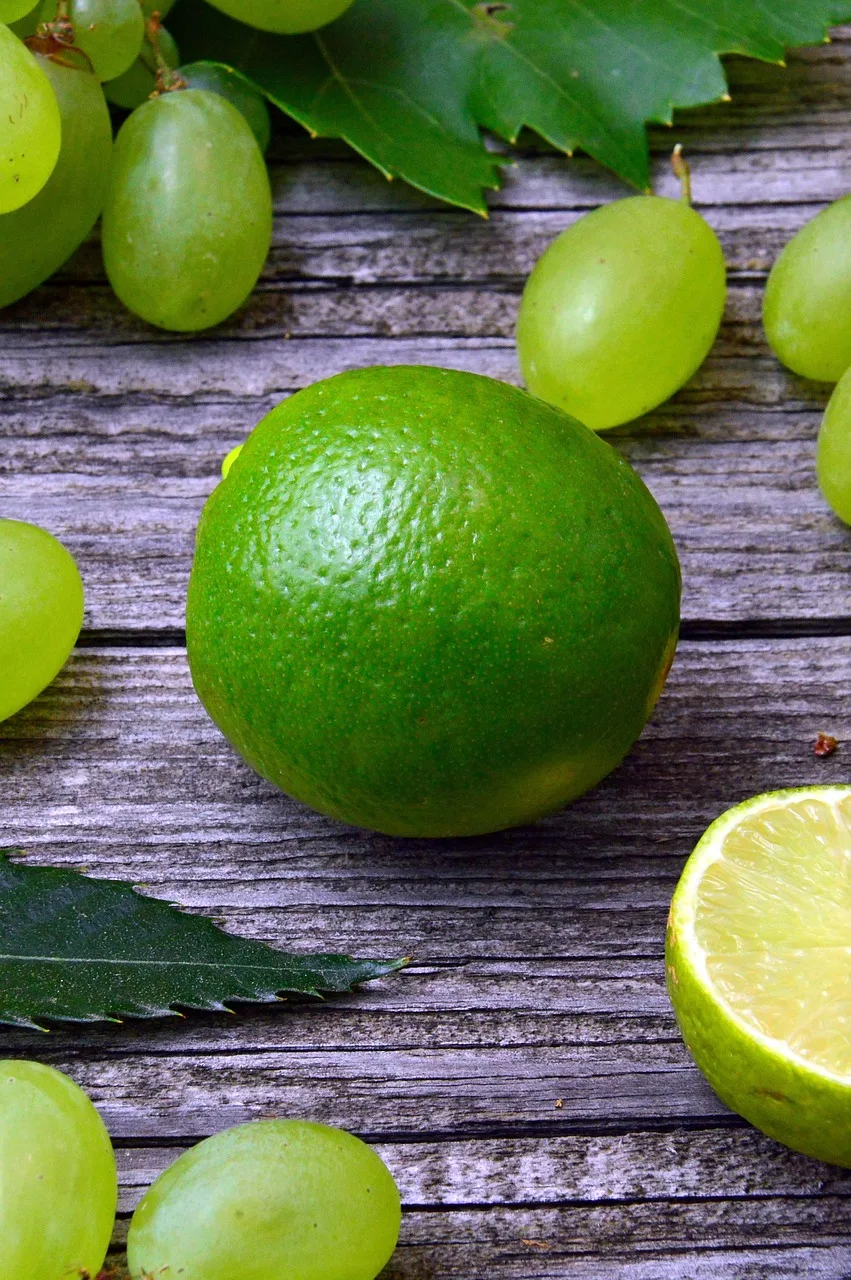

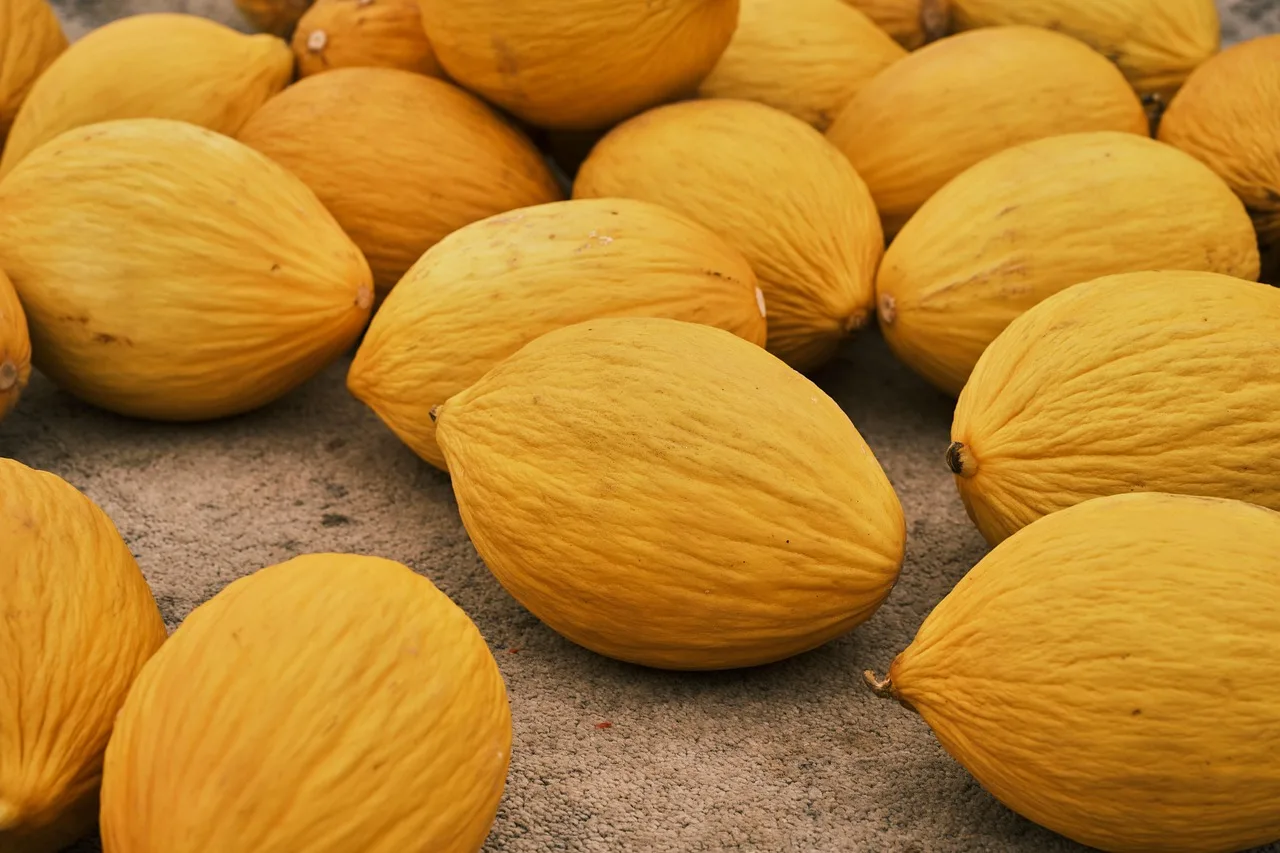
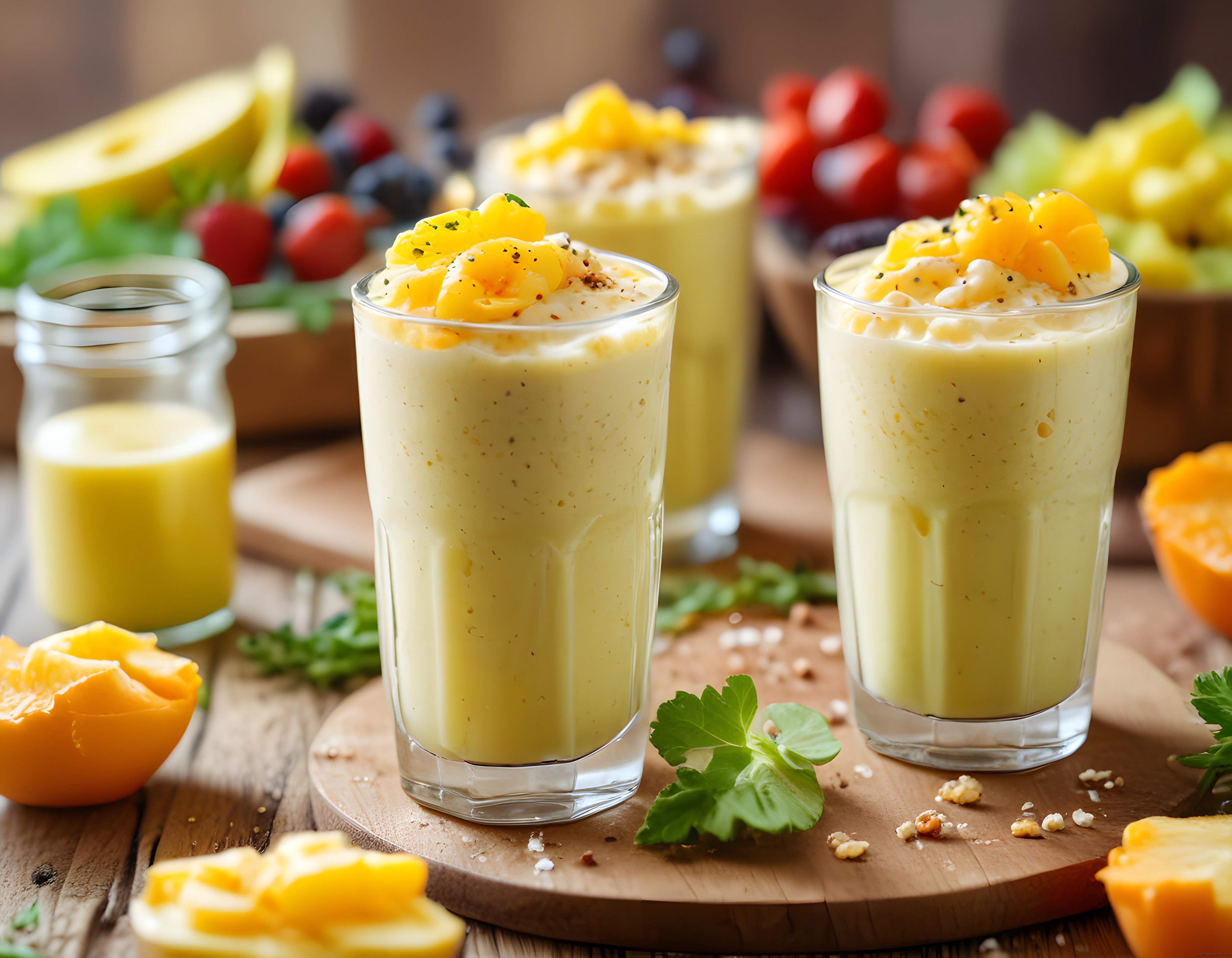
Çekim Tablosu
Belirtme (-i)kavunu
Yönelme (-e)kavuna
Bulunma (-de)kavunda
Çıkma (-den)kavundan
Tamlayan (-in)kavunun
Çoğul (-ler)kavunlar
Tanım
•isim, bitki bilimi: Kabakgillerden, sürüngen gövdeli, iri meyveli bir bitki (Cucum)
•Bu bitkinin genellikle güzel kokulu, sulu ve etli meyvesi
Atasözü & Deyim
“Felek, kimine kavun yedirir kimine kelek”
Diğer Dillerde
melon (plant, fruit) · bowler hat · melons: a woman’s breasts, especially when large
çekim: çoğul Melonen · tamlayan Melonen
eş: Bowler
köken: Borrowed roughly simultaneously (15th c.) in the south from Italian melone, in the north through Middle Low German melōne and Middle Dutch meloen from Middle French melon. Both from Late Latin mēlō, shortening of Latin mēlopepō, from Ancient Greek μηλοπέπων (mēlopépōn, literally “ripe fruit”).
Er erschauert, wie des Nachbars Häuschen schön wird. — Bir de mahallenin kavunu meşhurdur.
Die Melone ist lecker.
Mit Schirm, Charme und Melone
FransızcaMelon (eril) /mə.lɔ̃/
melon (fruit)
çekim: çoğul melons
köken: Inherited from Old French melon, from Late Latin mēlōnem, shortening of Latin mēlopepō, from Ancient Greek μηλοπέπων (mēlopépōn, “melon”). More at English melon.
aile: avoir le melon, chapeau melon, melon de France, melon de Montréal, melon d'eau
Bière, cercueil. — Ayrıca domates, kavun.
İspanyolcamelón (eril) /meˈlon/
melon · can of worms · breasts
çekim: çoğul melones
eş: cabeza, mate, teta
köken: Inherited from Late Latin mēlōnem, shortening of Latin mēlopepō, from Ancient Greek μηλοπέπων (mēlopépōn, “melon”).
aile: abrir el melón, digamelón, melón de agua, melonero
¿Te gustan los melones? — Kavun sever misin?
abrir el melón; decentar el melón
İtalyancamelone (eril) /meˈlo.ne/
melon, muskmelon · synonym of cocomero
çekim: çoğul meloni
eş: popone
köken: From Late Latin mēlōnem, shortening of Latin mēlopepō, from Ancient Greek μηλοπέπων (mēlopépōn, “melon”).
aile: melonaio, meloncello
Ti piacciono i meloni? — Kavun sever misin?
Rusçaдыня (dişil) /ˈdɨnʲə/
melon
çekim: çoğul ды́ни · tamlayan ды́ни
köken: Inherited from Old East Slavic дꙑнꙗ (dynja), from Proto-Slavic *dyňa, from Ancient Greek κυδώνιον (μῆλον) (kudṓnion (mêlon), “quince”). Compare typologically пе́рсик (pérsik).
Ты дыни любишь? — Kavun sever misin?
Arapçaشَمَّام
وكان فقيها متمكنا عارفا بالأحكام، من أهل الشورى والفتيا. — Kavunu ile Taşköprü ve Kastamonu'da ünlüdür.
Farsçaخربزه /xar.bu.ˈza/
melon
çekim: çoğul خربزهها
köken: From Middle Persian [script needed] (hlbyck' /xarbīzag/, “watermelon”), of unclear origin: * According to Horn, the latter is formed as (xar, “ass, donkey”) + (bwcnʾ /bōzīnʾ/, “cucumber; citron”). The first part is from Proto-Indo-Iranian *kʰáras, and the second part is probably related to Proto-Semitic *būṣ-. However, this is considered a folk etymology by Nişanyan. * According to…
melon
çekim: çoğul qovunlar · tamlayan qovunun
köken: From Proto-Turkic *kagun.
Kazakçaқауын /qɑˈwɯn/
melon
çekim: çoğul қауындар · tamlayan қауынның
köken: From Proto-Turkic *kagun (“melon”).
Felemenkçemeloen (dişil) /məˈlun/
melon (plant or fruit of certain varieties of members of the Cucurbitaceae, notably excluding cucumbers and courgettes/zucchinis) · melon (organ containing adipose tissue present in toothed whales) · melon, (large) breast
çekim: çoğul meloenen
köken: From Middle Dutch melone, from Middle French melon, from Old French melon, from Late Latin mēlō, shortening of mēlopepō, from Koine Greek μηλοπέπων (mēlopépōn).
aile: galiameloen, honingmeloen, meloenboom, meloenpit, meloenzaad, oenemeloen, suikermeloen, watermeloen
De boom is een snelle groeier. — Ağaç kavunu yavaş büyüyen bir ağaçtır.
melon (fruit) · breast
çekim: çoğul melões
köken: From Old Galician-Portuguese melon, from Late Latin mēlōnem, shortening of Latin mēlopepō, from Ancient Greek μηλοπέπων (mēlopépōn, “melon”).
Gosta de melão? — Kavun sever misin?
ανδρικό επώνυμο
Σου αρέσουν τα πεπόνια; — Kavun sever misin?
Japoncaメロン /me̞ɾõ̞ɴ/
melon (fruit)
köken: From English melon.
メロンもありませんでした クリスマスツリーもありませんでした みんな作られたのです — Biliyorsunuz, cennet bahçesinde satsuma mandalinası yoktu. kantalup kavunu da yoktu.
melon
köken: From English melon.
도읍에서 명성이 높았다고 한다. — Köyün kavunu meşhurdur.
Lehçemelony /mɛˈlɔ.nɘ/
nominative plural of melon · accusative plural of melon · vocative plural of melon
Lubisz melony? — Kavun sever misin?
Ukraynacaди́ня
Це дині. — Onlar kavun.
melon: usually musk melon, Cucumis melo
çekim: çoğul ख़रबूज़े
köken: Borrowed from Classical Persian خربوزه (xarbûza, “melon”) (modern خربزه (xarboze)), from Middle Persian hlbyck (xarbīzag).
ख़रबूज़े को देखकर ख़रबूज़ा रंग बदलता है।
melon, Cucumis melo
çekim: çoğul melonit · tamlayan melonin
köken: Borrowed from Swedish melon, from Italian melone, from Latin mēlō(nem).
aile: cantaloupemeloni, cantaloupenmeloni, galiameloni, herkkumeloni, hunajameloni, melonikasvi, melonipäävalas, päärynämeloni, verkkomeloni, vesimeloni
Pidätkö meloneista? — Kavun sever misin?
Çekçemeloun (eril) /ˈmɛlou̯n/
melon · million crowns (million units of Czech currency)
çekim: çoğul melouny · tamlayan melounu
eş: mega, milion
köken: Inherited from Old Czech melún, from Italian melone, ultimately from Latin mēlō.
aile: melounový
Mezi jedovaté rostliny patří i bolehlav, narcis (cibule), sněženka (cibule) a celá řada dalších rostlin. — Bunların dışında arpa, kavun, karpuz ve çeşitli sebzeler diğer ürünler arasındadır.
Rumencepepene, pepene galben (eril) /ˈpe.pe.ne/
melon, specifically Cucumis melo · watermelon (Citrullus lanatus, syn. Citrullus vulgaris) · cucumber
çekim: çoğul pepeni · tamlayan pepenelui
köken: Inherited from Latin pepō, peponem, possibly through a Vulgar Latin root *pepinem, or a later Romanian innovation. The Latin derives from Ancient Greek πέπων (pépōn). Compare Aromanian peapini.
aile: pepene verde
Frizerul, îngrozit, leșină. — Kavuncuoğlu, Özbağı, Pelitli gibi.
Macarcadinnye /ˈdiɲːɛ/
melon · cantaloupe
çekim: çoğul dinnyék
köken: Borrowed from a Slavic language, from Proto-Slavic *dyňa.
aile: dinnyés, dinnyézik, cukordinnye, dinnyecsősz, dinnyeföld, dinnyehéj, dinnyelé, dinnyemag, dinnyeszelet, dinnyeszüret
Tudják, nem voltak mandarinok az Édenkertben. Nem volt sárgadinnye. — Biliyorsunuz, cennet bahçesinde satsuma mandalinası yoktu. kantalup kavunu da yoktu.
İbraniceמֶלוֹן
כן נבחר גם לרבה של השכונה. — Bir de mahallenin kavunu meşhurdur.
melon (picked ripe) · Citrullus lanatus: watermelon · pumpkin (Cucurbita pepo)
çekim: çoğul peponēs · tamlayan peponis
köken: From Ancient Greek πέπων (pépōn, “ripe”), from πέσσω (péssō, “ripen”).
Dancamelon
melon
çekim: çoğul meloner · tamlayan melons
aile: honningmelon, vandmelon
Kan du lide melon? — Kavun sever misin?
Vietnamcadưa /zɨə˧˧/
melon
köken: Cognate with Muong Bi tưa (“pickles”). Unlikely from Eastern Han Chinese 菹 (*tsra) and thus non-Sino-Vietnamese reading of Chinese 菹 (“salted and pickled vegetables”, SV: trư, thư) (as proposed by Alves, 2022).
aile: dưa bở, dưa chuột, dưa gang, dưa hấu, dưa leo, dưa lê, dưa lưới, dưa vàng
Loại thứ hai làm từ rượu vodka, rượu Chambord, rượu chanh Midori, nước dứa ép và nam việt quất. — İkinci tarifte ise votka, Chambord, Midori kavun likörü, ananas suyu ve kızılcık suyu kullanılır.
Отглеждането на дини и пъпеши също е възможно в Беломорския регион. [1] . — Kavun ve karpuz üretimi de yaygın biçimde yapılmaktadır[3].
Slovencemelona (dişil) /mɛlóːna/
melon
Etimoloji
Inherited from Ottoman Turkish قاون (kavun), from Proto-Turkic *kagun.
Örnek Cümleler
Onlar kavun.
They are melons.
O kavunu sever.
He likes cantaloupe.
Kavunu kim kesti?
Who cut the melon?
Kavunun yarısı yendi.
Half of the melon was eaten.
Kavun yemeyi severim.
I love eating melons.
Bu yeni bir tür kavun.
This is a new kind of melon.
Kavunlar ne kadar taze?
How fresh are the cantaloupes?
Kavunların yarısı yenildi.
Half of the melons were eaten.
Kavuniçi rengini seviyorum.
I like the color orange.
Bu kabak kavun gibi kokuyor.
This squash smells like melon.
Kavunu altı eşit parçaya böl.
Cut the melon into six equal pieces.
Masanın üzerinde bir kavun var.
There is a melon on the table.
İlgili / Bileşik Terimler
Genelmyiopardalis pardalina
Birleşik Kelimeler