Sözlük
/erik
erik
"erik" kelimesinin İngilizcesi: plum, plum, plum, plum, eric. Anlamı, çevirisi, telaffuzu ve örnek cümleler aşağıdadır.
Çeviri
Genelplumnoun
Genelplum
Genelplum
Genelplum
Geneleric
Genelplum
Geneleric
Geneleric
Görsel


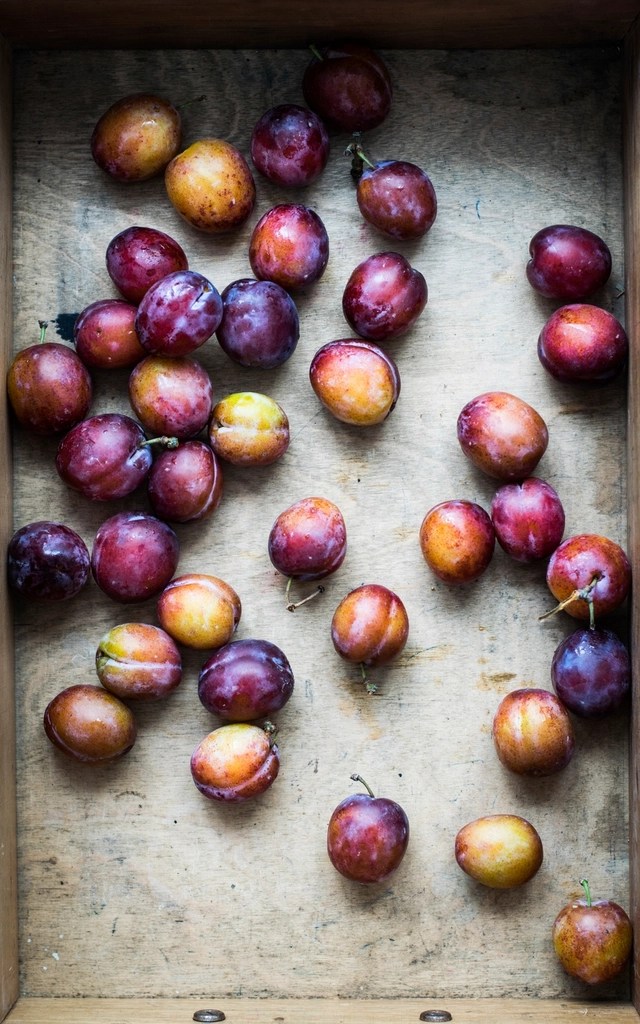

Çekim Tablosu
Belirtme (-i)eriği
Yönelme (-e)eriğe
Bulunma (-de)erikte
Çıkma (-den)erikten
Tamlayan (-in)eriğin
Çoğul (-ler)erikler
Tanım
•isim, bitki bilimi: Gülgillerden, beyaz çiçekli bir ağaç (Prunus domestica)
•Bu ağacın kabuğu ince, çeşitli renklerde, mayhoş veya tatlı, eti sulu, tek ve sert çekirdekli yemişi
Atasözü & Deyim
“Baba koruk (erik) yer, oğlunun dişi kamaşır”
Diğer Dillerde
past participle of begehren
çekim: karşılaştırma begehrter · üstünlük am begehrtesten
eş: attraktiv, beliebt, gefragt, geschätzt, gesucht, nachgefragt
Du bist Amerikaner. — Sen Amerikansın.
plum · ticket (traffic citation)
çekim: çoğul prunes
eş: pruneau, PV, procès-verbal, contravention, contredanse
köken: Inherited from Old French prune, from Vulgar Latin *prūna, feminine singular formed from the neutral plural of Latin prūnum, from Ancient Greek προῦμνον (proûmnon).
aile: pruneau, prunelle, prunier
Voice of America. — Amerika'nın Sesi.
pour des prunes
se prendre une prune
İspanyolcaciruela, ciruelo, color ciruela, Erico, escogido, guindón (dişil) /θiˈɾwela/
plum · mombin
çekim: çoğul ciruelas
köken: Inherited from Late Latin cēreola, an ellipsis of cēreola prūna (literally “waxy plums”), neuter plural diminutive of cēreus reinterpreted as feminine singular.
aile: ciruela albaricoque, ciruela chabacana, ciruela Damasco, ciruela interespecífica, ciruela natal, ciruela pasa
plum (fruit)
çekim: çoğul prugne
eş: susina
köken: From Vulgar Latin *prūnea, from Vulgar Latin *prūna, feminine singular formed from the neutral plural of Latin prūnum, from Ancient Greek προῦμνον (proûmnon). Cognate with Sicilian prunu.
aile: prugna secca
Rusçaслива (dişil) /ˈs⁽ʲ⁾lʲivə/
plum (fruit or tree)
çekim: çoğul сли́вы · tamlayan сли́вы
köken: From Old East Slavic слива (sliva), from Proto-Slavic *sliva.
У́тром ба́бушка жа́ловалась, что в саду́ но́чью ве́тром посбива́ло все я́блоки и слома́ло одну́ ста́рую сли́ву.
Arapçaإِرِيك, بَرْقُوق
Farsçaآلو /ʔaː.ˈluː/
plum, prune
köken: Inherited from Middle Persian [Book Pahlavi needed] (ʾlwk' /ālūg/, “plum, prune”), Northern Luri ںاڵی (ałi). Ultimately a wanderwort of unknown origin. Compare Proto-Turkic *erük (“plum, apricot”, whence Turkish erik (“plum”)), Nepali आरु (āru, “plum”), Ashkun arú (“plum”).
aile: آلوچه, آلوی بخارا, خرمالو, زردآلو, شفتالو
Kazakçaалхоры, қараөрік
plum, Prunus
çekim: çoğul алхорылар · tamlayan алхорының
köken: From Persian آلو بخارا (âlu boxârâ, “alubukhara”), alternative form of آلوی بخارا (âlu-ye boxârâ).
Tatarcaкараҗимеш
Felemenkçepruim (dişil) /prœy̯m/
a plum tree, one of certain trees of the genus Prunus, especially Prunus domestica · a plum (fruit from a plum tree) · a quid (piece of chewing tobacco)
çekim: çoğul pruimen
eş: pruimenboom, kwets, pruimkleur, pruimkleurig
köken: From Middle Dutch prume, from Old Dutch *prūma. A variant of *plūma, from Proto-West Germanic *plūmā, from Latin prūnum, from Ancient Greek προῦμνον (proûmnon).
aile: pruimelaar, pruimen, pruimenboom, pruimentaart, pruimentijd, zuurpruim, zwamppruim
Portekizceameixa (dişil) /aˈme(j).ʃɐ/
plum (fruit) · firearms bullet · hand grenade
çekim: çoğul ameixas
eş: amêixoa, ameixeira
köken: From Old Galician-Portuguese [Term?], from Vulgar Latin *damascĭna-, for Latin damascēna (prūna) ("plums from Damascus"), whence English damson. Loss of initial d- probably due to metanalysis as the preposition de (dameixa → d'ameixa → de ameixa).
aile: ameixal, ameixeira
Yunancaδαμασκηνί, δαμασκηνιά, δαμάσκηνο, Έρικ, Ερρίκος (nötr)
plum, damson (color/colour)
çekim: çoğul δαμασκηνιά · tamlayan δαμασκηνιού
Japoncaプラム。
İsveççeplommon, plommonträd (nötr) /ˌplʊˈmɔn/
plum (fruit)
çekim: çoğul plommons · tamlayan plommons
köken: From Middle Low German plūme + -on (suffix appearing in the names of many berries and some fruits), from Old Saxon *plūma, from Proto-West Germanic *plūmā.
aile: plommonträd, katrinplommon
ett saftigt plommon
UkraynacaЕ́рік
Hintçeआलूचा, आलूबुखारा, एरिक, बेर (eril) /ɑː.luː.bʊ.kʰɑː.ɾɑː/
nuqtaless form of आलू बुख़ारा (ālū buxārā)
çekim: çoğul आलूबुखारे
a male given name from Old Norse, variant of Eerikki, Eero, Erik, or Erkki, feminine equivalent Eerika, Eriika, or Erika, equivalent to English Eric
köken: From Old Norse Eiríkr, literally meaning “ever ruler, eternal ruler”. Brought to Finland as an Old Swedish saint's name in the Middle Ages. Cognate to Swedish Erik and English Eric.
a male given name, equivalent to English Eric
eş: Eríček, Eri
plural of ou
köken: From Latin ōva, plural of ōvum.
aile: ouă umplute, literally
Macarcaszilva, szilvafa /ˈsilvɒ/
plum
çekim: çoğul szilvák
köken: From a Slavic language, from Proto-Slavic *sliva.
aile: szilvás, datolyaszilva, szilvafa, szilvalekvár, szilvamag, aszalt szilva
İbraniceשְׁזִיף
Dancablomme, blommefarve, blommefarvet, blommetræ, lækkerbisken (nötr) /ˈb̥lʌmə/
plum (the fruit and the tree) · yolk (the yellow part of an egg) · finger pad
çekim: çoğul blommer · tamlayan blommes
köken: From Old Danish blomæ (“flower”), from Old Norse blómi m, from Proto-Germanic *blōmô m (“flower”), cognate with Swedish blomma, English bloom, German Blume f, Gothic 𐌱𐌻𐍉𐌼𐌰 m (blōma). Derived from the verb *blōaną (“to bloom”) (cf. German blühen). These words go back to Proto-Indo-European *bʰleh₃- (“to bloom”), which is also the source of Latin flōs (hence English flower and Danish flor). The…
Du est skjøn Anna Søster min, / Du ædle Rosens-Blomme!
Hvis alt hist min Grav er aabnet, / Grav, o lov mig: af dit Skjød / fyd en ukjendt Blomme rød, / rød som Løvens Felt i Vaabnet, […]
Etimoloji
From Ottoman Turkish اریك (erik, erük), from Proto-Turkic *erük.
Kelime Ailesi
Örnek Cümleler
Bu erikler olgun.
These plums are ripe.
Amerika çok büyük.
America is very large.
Lucy Amerikalıdır.
Lucy is from America.
Amerika'da işin ne?
What's your business in the States?
Amerika çok geniştir.
America is very large.
Kaoru Amerika'ya gitti.
Kaoru has gone to America.
Lucy Amerika'dan geldi.
Lucy is from America.
Amerikalılar çok et yer.
Americans eat a lot of meat.
Tüm öğrenciler Amerikalı.
All the students come from the US.
John Amerikalı bir çocuk.
John is an American boy.
Sue Amerikalı bir öğrenci.
Sue is an American student.
Amerika'daki işiniz nedir?
What's your business in the States?
İlgili Sorular
Manny ve Erik Morales arasındaki bu gün, 18 Kasım'da Nevada, Las Vegas'ta gerçekleşen maçın galibi kim oldu?
Nevada, Las Vegas'ta 18 Kasım'da gerçekleşen Manny ile Erik Morales'un karşılaşmasında kim kazandı?
7 yaşındaki bir çocuğun kabızlığı için hangi besin ya da ilaçlar kullanılabilir? Erik tercih edilmiyor.
7 yaşındaki bir çocuğa kabızlık için ne verebilirim? Erik sevmiyor, yardım edin.
Bu gün, 18 Kasım'da Las Vegas, Nevada'da Manny ve Erik Morales arasındaki mücadelede galip gelen taraf kim?
İlgili / Bileşik Terimler
Genelscarce swallowtail
Birleşik Kelimeler
erik pestilierik rakısıkuru eriksarıerikbardacık eriğibardak eriğican eriğiçakal eriğidağ eriğigövem eriğiJapon eriğiMalta eriğimürdüm eriğitürbe eriğiüryani eriğiyaban eriği