Sözlük
/bisküvi
bisküvi
/bis.cy.vi/
noun
C1 seviye
TR → EN
"bisküvi" kelimesinin İngilizcesi: biscuit, biscuit. Anlamı, çevirisi, telaffuzu ve örnek cümleler aşağıdadır.
Çeviri
Genelbiscuitnoun
Genelbiscuit
Görsel
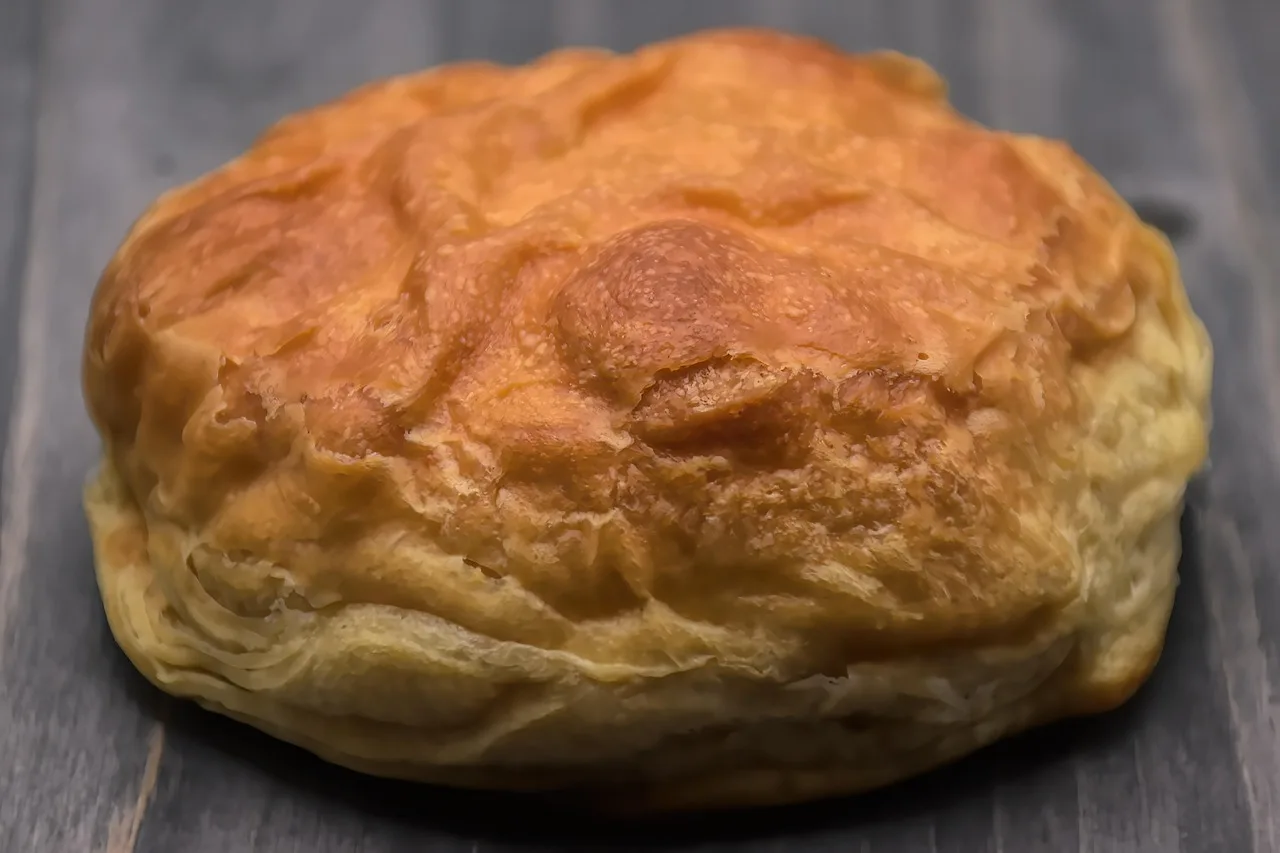
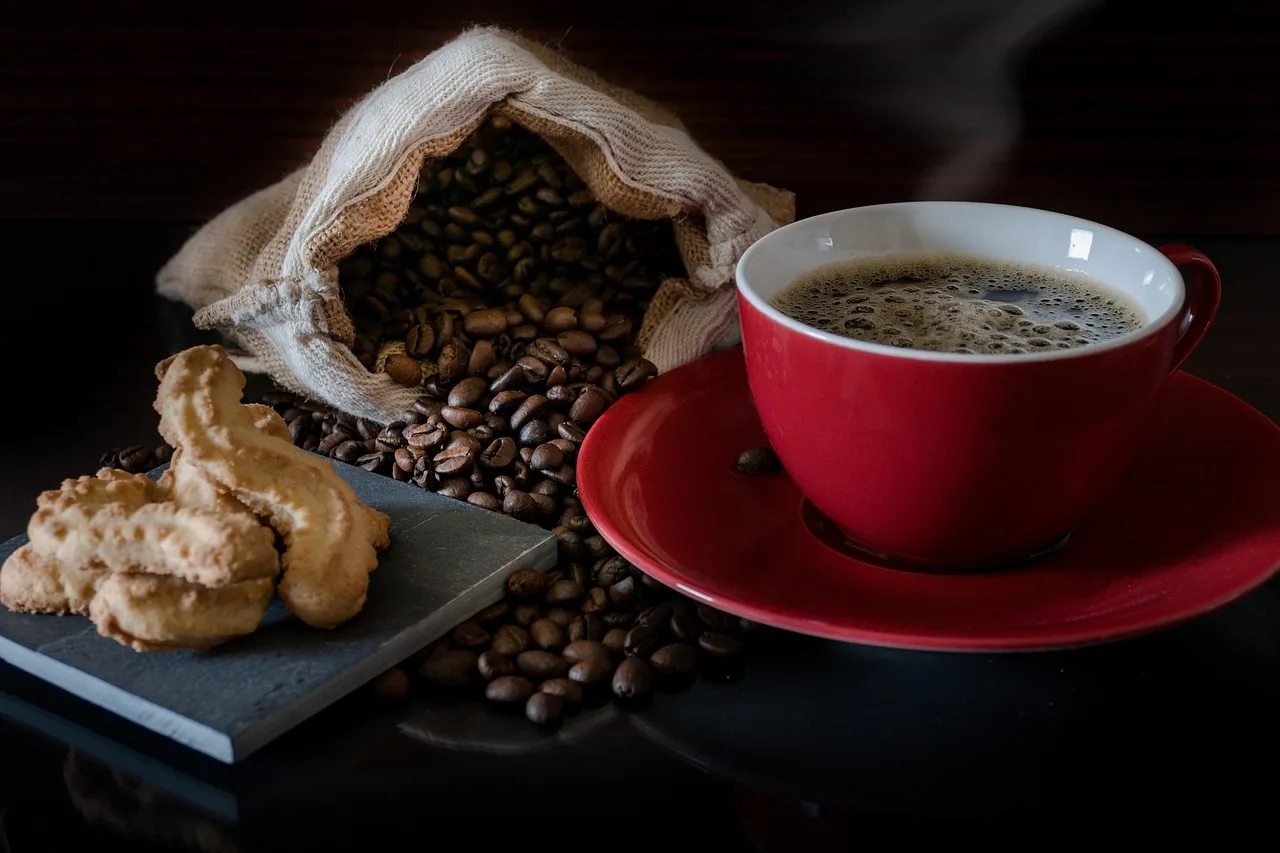
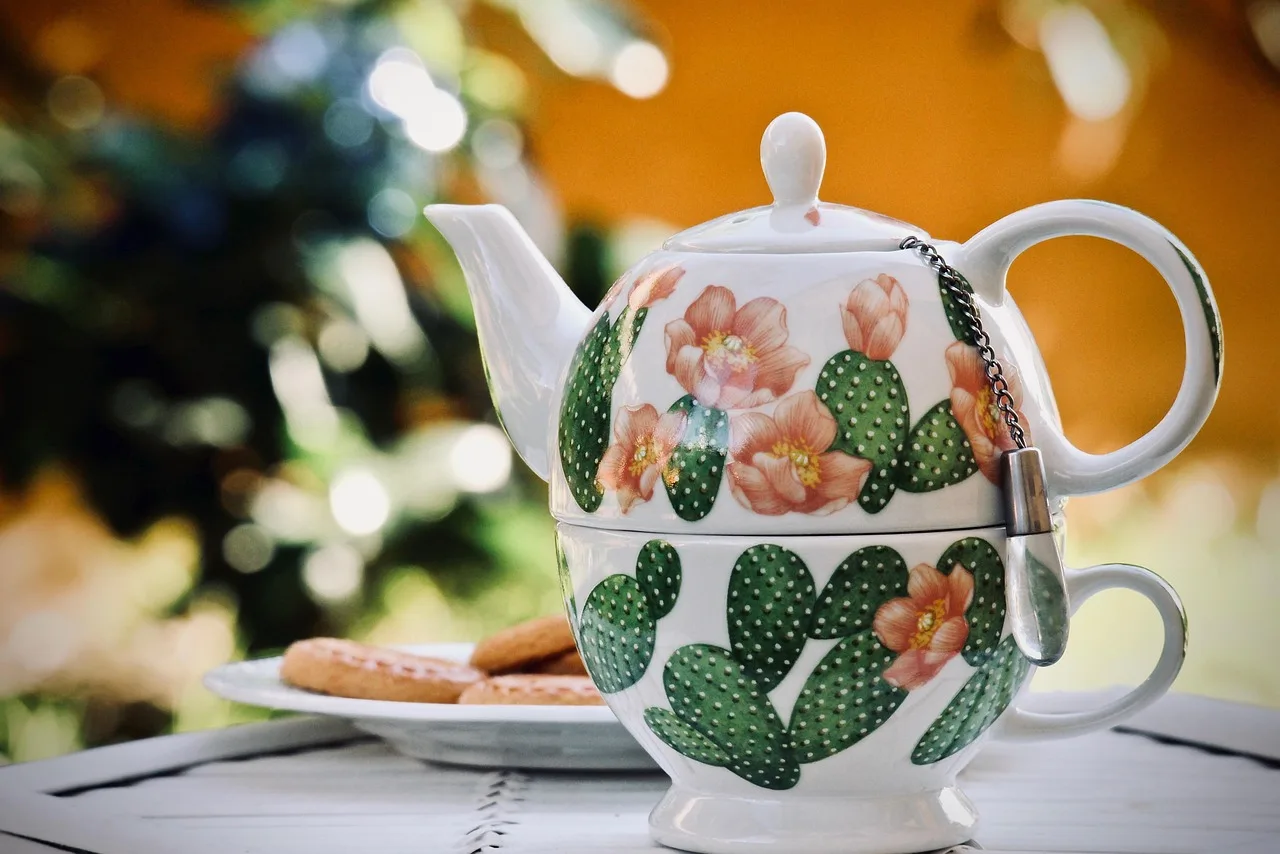
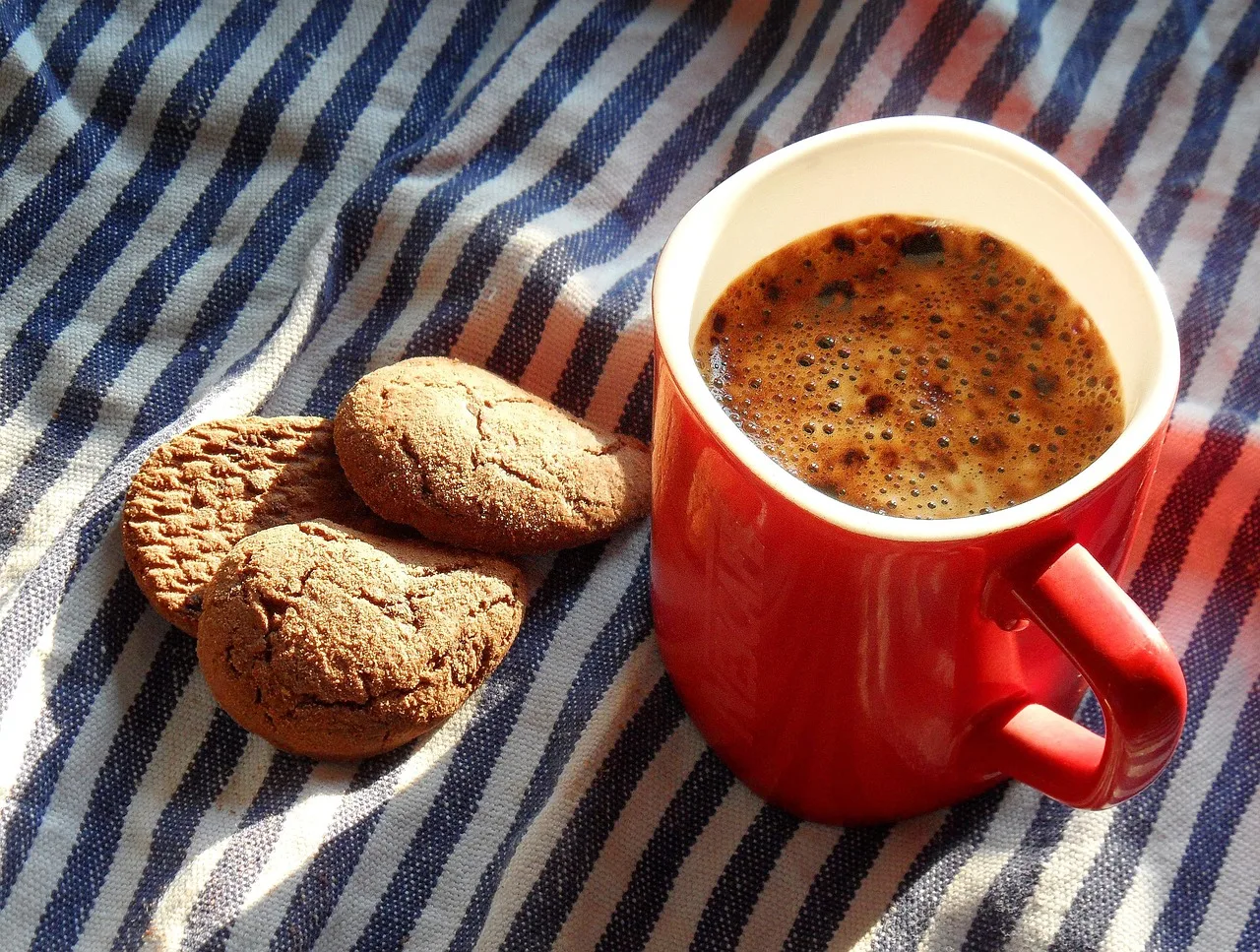
Çekim Tablosu
Belirtme (-i)bisküviyi
Yönelme (-e)bisküviye
Bulunma (-de)bisküvide
Çıkma (-den)bisküviden
Tamlayan (-in)bisküvinin
Çoğul (-ler)bisküviler
Tanım
•un, süt, şeker veya tuzla yapılan ince, gevrek kuru hamur işi türü
•Un, süt, şeker veya tuzla yapılan ince, gevrek kuru pasta türü
Diğer Dillerde
Almancakeks /keːks/
cookie (US), biscuit (UK)
çekim: çoğul Kekse · tamlayan Kekses
eş: Bolasch, Biscuit, Offiziersstern
köken: Borrowed from English cakes, 1900s. Popularized by German food company Bahlsen which changed the brand name of their biscuits from Leibniz-Cakes to Leibniz-Keks in 1911; at the time, the plural was also Keks. Compare Danish kiks, Estonian keeks, Faroese keks, Finnish keksi, Icelandic kex, Norwegian kjeks, and Swedish kex, all ‘cookie, biscuit, cracker’.
aile: Anstandskeks, auf den Keks gehen, Butterkeks, Doppelkeks, einen weichen Keks haben, Glückskeks, Haferkeks, Keksdose, Keksfabrik, Keksfüllung
In der Bretagne wird er fast in jeder Bäckerei verkauft. — Bu bisküviler Türkiye'de hemen hemen tüm fırınlarda satılmaktadır.
Da sitzt leibhaftig Schillers Schwester: eine rötliche Blondine, noch ganz jung, die vor mir aus dem Fenster guckt und einen Keks zerbeißt.
1968, Arbeitsgemeinschaft Getreideforschung, Brot und Gebäck, volumes 22-24, p. 45
FransızcaBiscuit (eril) /bis.kɥi/
biscuit (cookie)
çekim: çoğul biscuits
eş: incuit
köken: Inherited from Middle French biscuit, from Old French bescuit, from Early Medieval Latin biscoctus (literally “twice-baked”). Doublet of biscotte and biscotto.
aile: biscuit chinois, biscuit de Noël, biscuit sablé, biscuiter, biscuiterie, fendre son biscuit, tremper son biscuit
Je veux du lait et des biscuits ! — Süt ve birkaç bisküvi istiyorum!
İspanyolcabiscocho, bísquet, bizcocho, galleta, hallulla (eril) /bisˈkot͡ʃo/
alternative spelling of bizcocho
çekim: çoğul biscochos
Quiero unas galletas de chocolate. — Çikolatalı bisküviler istiyorum.
İtalyancabiscottino, biscotto (eril) /bis.kotˈti.no/
diminutive of biscotto; small biscuit · synonym of buffetto · a small connecting rod in part of a car
çekim: çoğul biscottini
köken: From biscotto + -ino (“diminutive suffix”).
Prepara tutti i giorni biscotti, ed è sempre in ricerca di fondi per i più poveri. — Her gün bisküvi hazırlar ve fakir insanlar için yardım toplamaya çalışır.
Rusçaбискви́т, гале́та, пече́нье
Бисквити, шоколад, наденица., Кисело зеле и бира. — Bisküviler, çikolata, sosis, lahana turşusu ve bira.
Arapçaبِسْكِت, بَسْكُوت, بِسْكْوِي, بَسْكَوِيت
البسبوسة هي كعكة حلوى الصومالية التقليدية. — Acıbadem kurabiyesi, geleneksel Türk bisküvisidir.
Azericebiskvit, peçenye /pe.tʃˈeɲe/
cookie; biscuit
çekim: çoğul peçenyelər
köken: Borrowed from Russian пече́нье (pečénʹje, “cookie; biscuit”).
Özbekçepechenye
Felemenkçebiscuit, koekje
De koeien worden 's ochtends om 5 uur naar het Kerkplein gebracht. — Yahut bisküvit veya keklerle saat 17:00'de sunulur.
Portekizcebiscoito (eril) /bisˈkoj.tu/
cookie · attention, validation
çekim: çoğul biscoitos
eş: bolacha
köken: Etymology tree Proto-Indo-European *dwóh₁ Proto-Indo-European *dwís Proto-Italic *dwis Old Latin duis Early Medieval Latin bis Proto-Indo-European *pekʷ- Proto-Indo-European *-eti Proto-Indo-European *pékʷeti Proto-Italic *kʷekʷō Early Medieval Latin coquō Early Medieval Latin coctus Early Medieval Latin biscoctus Old Galician-Portuguese biscoito Portuguese biscoito From Old Galician-Portuguese…
aile: biscoitar, biscoiteiro, biscoito da sorte, molhar o biscoito
Às tantas eram sardinhas e bacalhau às 7 da manhã. — Yahut bisküvit veya keklerle saat 17:00'de sunulur.
Harry engoliu o biscoito [...]
Quer biscoito.
Yunancaμπισκότο (nötr) /biˈskoto/
biscuit, cookie
çekim: çoğul μπισκότα · tamlayan μπισκότου
köken: From Byzantine Greek μπισκόττιν (mpiskóttin), from Italian biscotto, from Latin bis- (“twice”) + coquō (“to bake”).
Μπισκότα, σοκολάτα, λουκάνικα, λάχανο τουρσί και μπύρα. — Bisküviler, çikolata, sosis, lahana turşusu ve bira.
a cookie · HTTP cookie
köken: From English cookie, from Dutch koekje (literally “little cake”).
キャセロールと似て、英語ではパイやケーキを呼ぶこともある。 — Chewier bisküvilere bazen İngiltere'de bile kurabiyeler denir.
biscuit
köken: Borrowed from English biscuit.
때때로 이 디저트는 케이크나 비스킷과 같이 나왔다. — Bazen bu tatlılar kek ya da bisküvi ile kaplıydı.
a cracker, (UK) a biscuit · someone physically attractive
çekim: çoğul kexen · tamlayan kexets
köken: From English cakes, plural of cake, from Middle English cake, from Old Norse kaka (whence also kaka), from Proto-Germanic *kakǭ, from Proto-Indo-European *gog-. The reason why the word is lent in the plural is because it is easier to apply the Swedish declension patterns with cakes than with cake. Compare the similar loans räls and muffins. Compare Danish kiks (similarly borrowed from English).
Kakor, choklad, korv, surkål och öl. — Bisküviler, çikolata, sosis, lahana turşusu ve bira.
ost och kex
Tjena kexet, står du här och smular?
Lehçebiskwit, chleb herbatnikowy, ciastko, herbatnik, kolor biszkoptowy, suchar (eril) /ˈbis.kfit/
biscuit (dry cookie) · sponge cake · bisque, biscuit (form of unglazed earthenware)
çekim: çoğul biskwity · tamlayan biskwitu
eş: ciasto biszkoptowe, biszkopt
köken: Etymology tree Proto-Indo-European *dwóh₁ Proto-Indo-European *dwís Proto-Italic *dwis Old Latin duis Early Medieval Latin bis Proto-Indo-European *pekʷ- Proto-Indo-European *-eti Proto-Indo-European *pékʷeti Proto-Italic *kʷekʷō Early Medieval Latin coquō Early Medieval Latin coctus Early Medieval Latin biscoctus Old French bescuit Middle French biscuit French biscuitbor. Polish biskwit Borrowed…
aile: biskwitowy, biskwitować
Tracimy kolejne 2 ciastka. Zostają nam 4 ciastka, które muszą nas wyżywić. — İki tane daha kaybettik ve elimizde beslenebileceğimiz sadece 4 bisküvi kaldı
Ukraynacaбіскві́т, пе́чиво
Колачков або Колачків (словац. — Kurabiye Bisküvi ve Kurabiyeler: Makaron (ss.
Hintçeबिस्कुट (eril) /bɪs.kʊʈ/
biscuit, cookie, cracker
çekim: çoğul बिस्कुटों
köken: Borrowed from English biscuit.
Fincebisque, keksi, laivakorppu, liitospala, teeleipä, vaaleanruskea /ˈkeksi/
cookie (small flat, baked cake which is either crisp or soft but firm) · biscuit, cracker (dry, thin, crispy, and usually salty or savoury biscuit) · synonym of eväste (“cookie”)
çekim: çoğul keksit · tamlayan keksin
köken: Borrowed from Swedish kex (“cookie”), itself borrowed from English cakes.
aile: digestiivikeksi, grahamkeksi, helakeksi, jaffakeksi, joulukeksi, jäätelökeksi, kaurakeksi, keksijäätelö, keksilaatikko, keksimuru
Joskus annokset reunustettiin kakulla tai kekseillä. — Bazen bu tatlılar kek ya da bisküvi ile kaplıydı.
Çekçesušenka (dişil) /ˈsuʃɛŋka/
cookie
çekim: çoğul sušenky · tamlayan sušenky
eş: keks, biskvit
köken: From sušený + -ka.
Přišli jsme o další dvě sušenky a zbyly nám jen čtyři sušenky, které sníme. — İki tane daha kaybettik ve elimizde beslenebileceğimiz sadece 4 bisküvi kaldı
Macarcakeksz /ˈkɛks/
biscuit, cracker
çekim: çoğul kekszek
köken: From German Keks (“biscuit”), from English cakes.
Keksz, csoki, kolbász, savanyú káposzta és sör. — Bisküviler, çikolata, sosis, lahana turşusu ve bira.
İbraniceביסקוויט, בִּיסְקְוִיט (eril)
A biscuit: a flat, crumbly, moderately sweet cookie.
,ביסקויטים, שוקולד, נקניקיות .כרוב חמוץ ובירה — Bisküviler, çikolata, sosis, lahana turşusu ve bira.
A kind of small, round, crisp cake made with pounded materials, a cookie
çekim: çoğul coptae · tamlayan coptae
köken: From Ancient Greek κοπτή (koptḗ).
Dancabeskøjt, kiks /ˈkʰiɡs/
cookie, cracker, (UK) biscuit
çekim: çoğul kiksene · tamlayan kiks'
köken: An early borrowing from English cakes, like Swedish kex (“cracker”).
Bulgarien er Europas sjettestørste kulproducent. — Dünyanın altıncı büyük bisküvi üreticisidir.
Norveççebeskøyter, kjeks, småkake
Eggeroa eller Egge (Norgeskart, Kartverket) — Kurabiye Bisküvi ve Kurabiyeler: Makaron (ss.
Endonezcebiskuit /bisˈkuit/
biscuit
çekim: çoğul biskuit-biskuit
köken: From Dutch biscuit (“biscuit, cookie”), from French biscuit (“biscuit, cookie”), from Old French bescuit, from bescuire, equivalent to bis- + cuit, or from Medieval Latin biscoctus, from Latin bis (“twice”) coctus (“cooked”). Doublet of beskit.
Biskuit, cokelat, sosis, sauerkraut dan bir. — Bisküviler, çikolata, sosis, lahana turşusu ve bira.
Vietnamcabánh quy /ʔɓajŋ̟˧˦ kwi˧˧/
a biscuit; cookie
köken: bánh + quy, from French biscuit.
aile: bánh quy giòn
Bột bánh gato hay bánh kem (cake, gateaux). — Kurabiye Bisküvi ve Kurabiyeler: Makaron (ss.
Bulgarcaбискви́та, неглази́рана кера́мика, суха́р
Бисквити, шоколад, колбаси, кисело зеле и бира. — Bisküviler, çikolata, sosis, lahana turşusu ve bira.
Etimoloji
Fransızca biscuit
Kelime Ailesi
bisküvice
bisküvici
bisküvicik
bisküvili
bisküvisiz
bisküviyken
bisküviyle
bisküviyse
Örnek Cümleler
Bisküvi var.
There are some biscuits.
Bisküvi pişirdim.
I baked cookies.
O bisküviler yapıyor.
He's making biscuits.
Yetmezse bisküvi var.
If not, I'll have biscuits.
Tom bisküviyi seviyor.
Tom is making cookies.
O bisküvileri pişirdi.
She baked biscuits.
Onlar bisküvileri yedi.
They ate marshmallows.
Daha fazla bisküvi yok!
No more biscuits!
Son bisküviyi kim yedi?
Who ate the last biscuit?
O bir bisküviyi parçaladı.
She crumbled a biscuit.
Bisküviler dondurulabilir.
Biscuits can be frozen.
Lütfen bisküvilere buyurun.
Please help yourself to the cookies.