Sözlük
/İncil
incil
noun
B2 seviye
TR → EN
"incil" kelimesinin İngilizcesi: bible, gospel. Anlamı, çevirisi, telaffuzu ve örnek cümleler aşağıdadır.
Çeviri
Genelbible
Genelgospel
Görsel


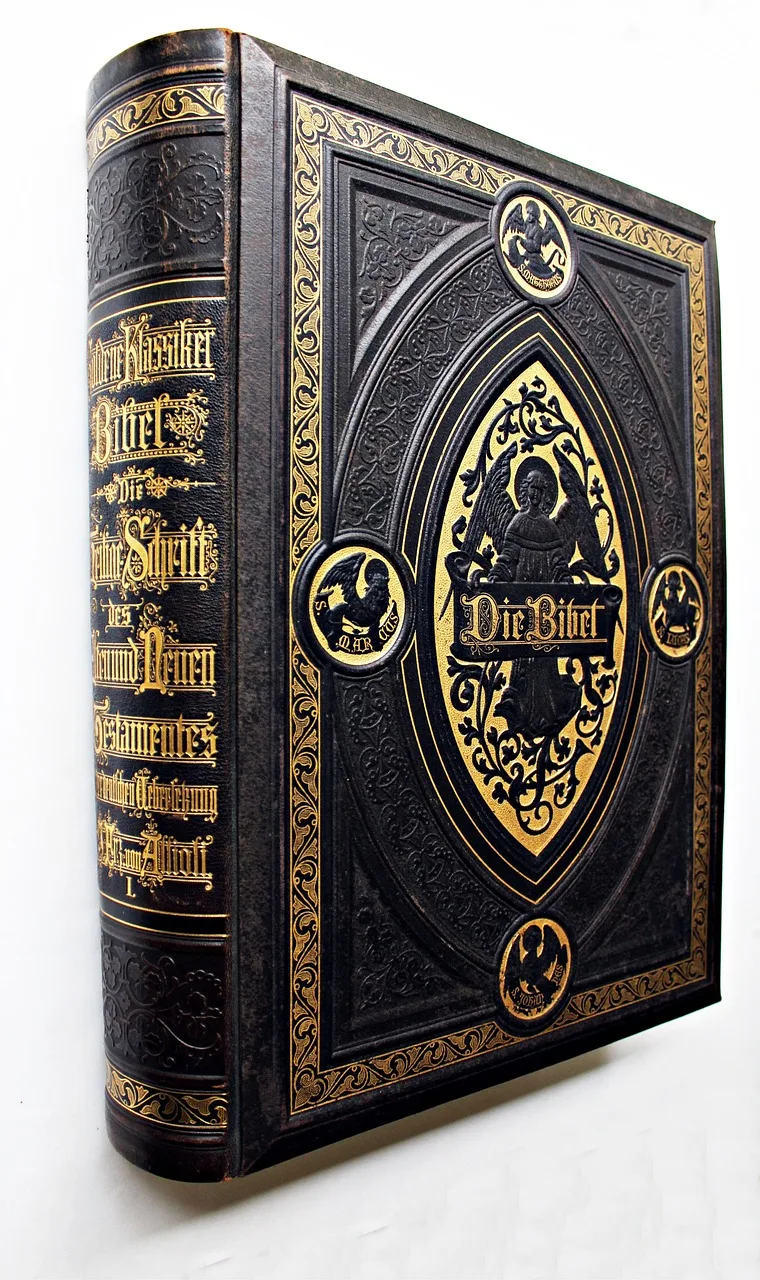
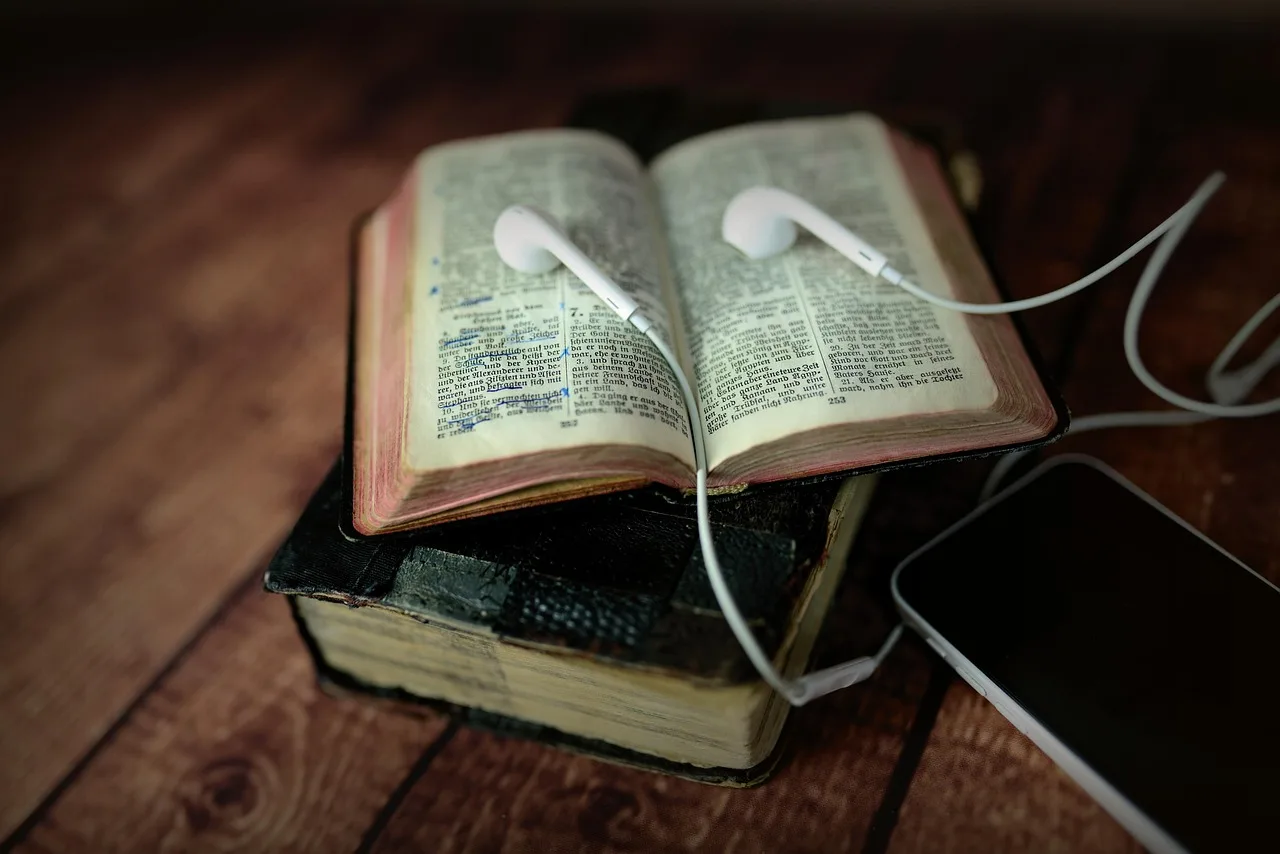
Çekim Tablosu
Belirtme (-i)incili
Yönelme (-e)incile
Bulunma (-de)incilde
Çıkma (-den)incilden
Tamlayan (-in)incilin
Çoğul (-ler)inciller
Tanım
•isim, din bilimi: Hristiyanlığın temel ilkelerini, Hz. İsa'ya gönderilen Tanrı buyruklarını içeren, Hristiyanların kutsal kitabı; Ahd-i Cedit
Diğer Dillerde
Almancabibel (dişil) /ˈbiːbl̩/
Bible, bible
çekim: çoğul Bibeln · tamlayan Bibeln
eş: Buch der Bücher, Heilige Schrift, Wort Gottes
köken: From Middle High German bibel, biblie, ultimately from Ancient Greek βιβλία (biblía, “books”). Doublet of Fibel.
aile: Bibel-Teilen, Bibelabschnitt, Bibelanstalt, Bibelapologet, Bibelapologetik, bibelapologetisch, Bibelarbeit, Bibelausgabe, Bibelausleger, Bibelauslegung
Biblisches Wörterbuch. — İncil sözlüğü.
Fransızcaévangile (eril) /e.vɑ̃.ʒil/
gospel
çekim: çoğul évangiles
köken: Inherited from Old French evangile, evangeile, euvangile, borrowed from Ecclesiastical Latin evangelium, from Ancient Greek εὐαγγέλιον (euangélion, “good news”). Cognate with Italian vangelo, Portuguese evangelho, Spanish evangelio.
aile: parole d'évangile
Bible Words. — İncil sözlüğü.
İspanyolcabiblia, Biblia, Buena Nueva, Escritura, Escrituras, evangelio (dişil) /ˈbiblja/
the Bible (the Christian holy book; the Old and New Testaments)
çekim: çoğul biblias
eş: Escritura, Sagrada Escritura
köken: From Latin biblia, from Ancient Greek βιβλία (biblía), plural of βιβλίον (biblíon, “books”).
aile: bíblico
Diccionario de la Biblia. — İncil sözlüğü.
Bible
çekim: çoğul bibbie
eş: opera fondamentale, testo base, fonte certa.
köken: From Latin biblia, from Ancient Greek βιβλία (biblía), plural of βιβλίον (biblíon, “books”).
aile: biblicismo, biblico
Esegesi biblica. — İncil sözlüğü.
Rusçaби́блия, ева́нгелие, Свяще́нное Писа́ние
Библейский словарь. — İncil sözlüğü.
Arapçaإِنْجِيل, الْكِتَاب الْمُقَدَّس
صوت الإنجيل. — İncil sözlüğü.
Farsçaانجیل, اِنْجیل, کِتابِ مُقَدَّس /ʔin.ˈd͡ʒiːl/
the gospel, the evangel · the Bible, the New Testament
köken: Borrowed from Arabic إِنْجِيل (ʔinjīl), itself from Classical Syriac ܐܘܢܓܠܝܘܢ (ʾewwangellīōn) or a variant thereof. Doublet of انگلیون (angalyūn /angalyun, “Gospel”), borrowed directly from Syriac, which this Arabic word displaced.
aile: انجیلی
Azericebible, incil, İncil, Tövrat və İncil, Төврат вә Инҹил /inˈd͡ʒil/
gospel (first section of the Christian New Testament)
çekim: çoğul İncillər · tamlayan İncilin
köken: Borrowed from Arabic إِنْجِيل (ʔinjīl), from Ancient Greek εὐαγγέλιον (euangélion, “good news”).
Kazakçaізгі хабар, інжіл, Киелі Кітап
gospel
çekim: tamlayan Інжілдің
köken: Borrowed from Arabic إِنْجِيل (ʔinjīl, “gospel, evangel”), from Ancient Greek εὐαγγέλιον (euangélion, “good news”).
Özbekçeinjil, Muqaddas Kitob, Tavrot va Injil, Таврот ва Инжил
Tatarcaинҗил
Felemenkçebijbel, Bijbel, evangelie, Schrift (eril) /ˈbɛi̯.bəl/
bible (copy of the Bible) · any large book
çekim: çoğul bijbels
aile: bijbelneuker, kinderbijbel, statenbijbel
Biografie van de paus. — Tomas İncili ^
PortekizceBíblia, evangelho (dişil) /ˈbi.bli.ɐ/
bible · a very extensive, often complex, book or text · a praised or well regarded book or text
çekim: çoğul bíblias
köken: Learned borrowing from Latin biblia, from Ancient Greek βιβλία (biblía), plural of βιβλίον (biblíon, “book”).
Dicionário da Bíblia. — İncil sözlüğü.
Você acha que eu vou ler essa bíblia?
Não devemos idolatrar a constituição como uma bíblia, afinal ela é sujeita a erros.
YunancaΑγία Γραφή, βίβλος, Βίβλος, βύβλος, Βύβλος, ευαγγέλιο (dişil)
Holy Bible, Holy Writ
Εκκλησιαστική Γραμματολογία. — İncil sözlüğü.
Bible (Christian holy book)
köken: From English Bible.
友達がヒップホップ聖書と呼ばれているものを送ってきました — Yahudi Incil'leri.
gospel (first section of New Testament)
köken: Sino-Korean word from 福音書 (“gospel”)
성경에 그런 말이 있잖아요 — İncil der ki...
Lehçeewangelia, Pismo Święte (dişil) /ɛ.vaŋˈɡɛ.lja/
gospel (early Christian work describing the life and teachings of Jesus) · gospel (first section of the New Testament) · gospel (account of the life, death, and teachings of Jesus)
çekim: çoğul ewangelie · tamlayan ewangelii
eş: reg. śl. ewangelijo, reg. śl. wanielijo
köken: From Ewangelia.
aile: ewangeliczny, ewangelijny, położyć głowę pod ewangelię, kłaść głowę pod ewangelię
Wola Cyrusowa — Miroslav İncili
Ukraynacaбі́блія, єванге́ліє, єва́нгеліє, єванге́лія, Святе́ Письмо́, Свяще́нне Писа́ння
Ти читаєш Біблію? — İncili okuyor musun?
Hintçeइंजील, किताब-ए-मुक़द्दस, धर्मग्रंथ, बाइबल, बाइबिल, सुसमाचार (dişil) /ɪn.d͡ʒiːl/
gospel
köken: Borrowed from Classical Persian اِنْجِیل (injīl), from Arabic إِنْجِيل (ʔinjīl), from Ancient Greek εὐαγγέλιον (euangélion). Compare Bengali ইঞ্জিল (injil), Tamil இஞ்சீல் (iñcīl).
Finceevankeliumi, ilosanoma, pyhä kirja, raamattu, Raamattu /ˈeʋɑnˌkeliu̯mi/
gospel (an account of Jesus' life) · gospel (the teaching of Divine grace as distinguished from the Law or Divine commandments)
çekim: çoğul evankeliumit · tamlayan evankeliumin
köken: Probably from Swedish evangelium, ultimately from Ancient Greek εὐαγγέλιον (euangélion).
aile: evankeliumikirja, evankeliumiteksti, jouluevankeliumi, pienoisevankeliumi
Raamatun sanakirja. — İncil sözlüğü.
Matteuksen evankeliumi
Markuksen evankeliumi
Luukkaan evankeliumi
ÇekçeBible, evangelium (dişil) /ˈbɪblɛ/
Bible
eş: Písmo svaté, Písmo, kniha knih, Biblí
köken: Inherited from Old Czech biblí, from Latin biblia.
aile: biblista
Biblický slovník. — İncil sözlüğü.
RumenceBiblie, evanghelie (dişil)
Bible (Christian holy book)
çekim: çoğul biblii · tamlayan biblii
köken: Borrowed from Latin Biblia.
Cântările Bibliei. — İncil sözlüğü.
Macarcaevangélium, kézikönyv /ˈɛvɒŋɡeːlijum/
gospel
çekim: çoğul evangéliumok
köken: Borrowed from Latin evangelium, from Ancient Greek εὐαγγέλιον (euangélion, “good news”).
aile: evangéliumi
Bibliai beszéd. — İncil sözlüğü.
İbraniceבְּשׂוֹרָה, ספר הבריתות
דסאו תנ"ח. — Tomas İncili ^
Dancabibel /ˈb̥iˀb̥əl/
Bible (Christian or Jewish holy book; also used figuratively)
çekim: çoğul bibler · tamlayan bibels
köken: From Latin biblia (“Christian scripture”), from Ancient Greek βιβλία (biblía, “books”).
aile: bibelbælte, bibelcamping, bibelcitat, bibelforskning, bibelfortolker, bibelfortolkning, bibelgransker, bibelhistorie, bibelkonkordans, bibelkreds
Bibelhåndbog. — İncil sözlüğü.
EndonezceAlkitab, injil, kitab suci /alˈkitab/
the Christian Bible · the Qur'an
köken: From Malay Alkitab, from Arabic الْكِتَاب (al-kitāb, “the book”).
Kamus Alkitab. — İncil sözlüğü.
VietnamcaKinh Thánh, phúc âm, Thánh Kinh /kïŋ˧˧ tʰajŋ̟˧˦/
the Holy Bible
köken: kinh (“holy book”) + thánh (“holy; sacred”), calque of Chinese 聖經 /圣经 (Thánh Kinh), following the head-initial structure of Vietnamese, instead of head-final in the original language. Compare Kinh Dịch (“Yijing”), Kinh Thi (“Shijing”), which are also much more common than their counterparts with original head-final structure.
Tôi có kinh thánh Do Thái. — Yahudi Incil'leri.
Bible (the sacred texts of the Christians) · bible (comprehensive manual)
çekim: çoğul би́блии
köken: Borrowed from Latin biblia or directly from Ancient Greek βιβλία (biblía, “books”), ultimately from βίβλος (bíblos, “book”), a variant of βύβλος (búblos, “papyrus”). The word is derived from the name of the Phoenician city Byblos, which was known for exporting papyri in ancient times.
Имах еврейски библии. — Yahudi Incil'leri.
Etimoloji
From Ottoman Turkish انجیل (incil), from Arabic إِنْجِيل (ʔinjīl), from Ancient Greek εὐαγγέλιον (euangélion, “good news”).
Eş & Zıt Anlamlılar
Eş anlamlılar
Kitabı Mukaddes
Örnek Cümleler
Bu İncil'den.
It's from the Bible.
O İncil okur.
He studies the Bible.
İncil kaynağı
Biblical source
O İncil okudu.
She studied the Bible.
İncil der ki...
The Bible says...
İncil kayıtları
Biblical occurrences
İncili kim yazdı?
Who wrote the Bible?
Tom İncil okuyor.
Tom is reading the Bible.
İncil Arkeolojisi
Biblical archaeology
İncil'deki anlatı
Biblical narrative
Yahudi Incil'leri.
I had Jewish bibles.
Saklı inciler gibi;
Like pearls within their shells,