Sözlük
/yaban domuzu
yaban domuzu
"yaban domuzu" kelimesinin İngilizcesi: boar, wild boar, wild boar. Anlamı, çevirisi, telaffuzu ve örnek cümleler aşağıdadır.
Çeviri
Genelboarnoun
Genelwild boarnoun
Genelwild boar
Görsel
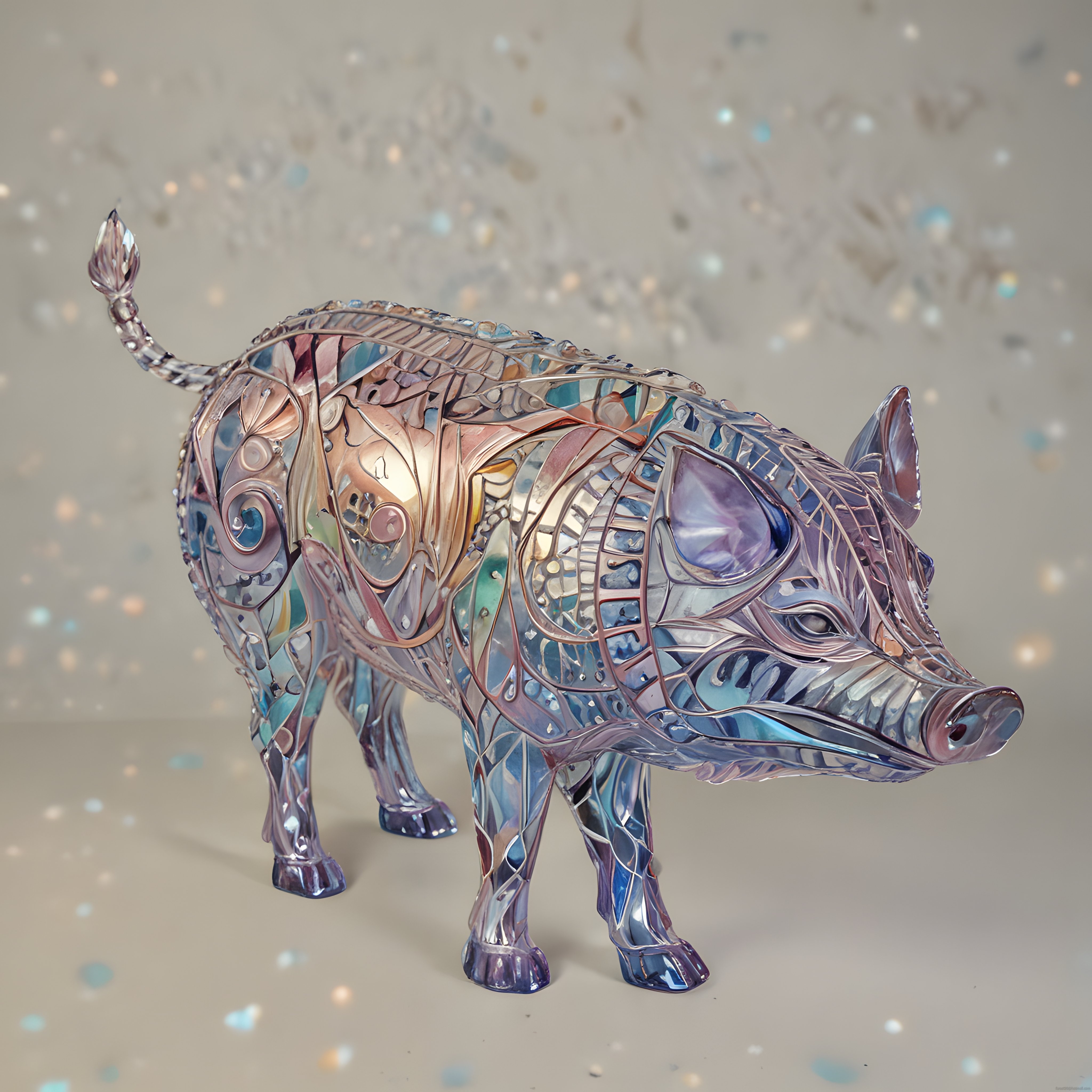
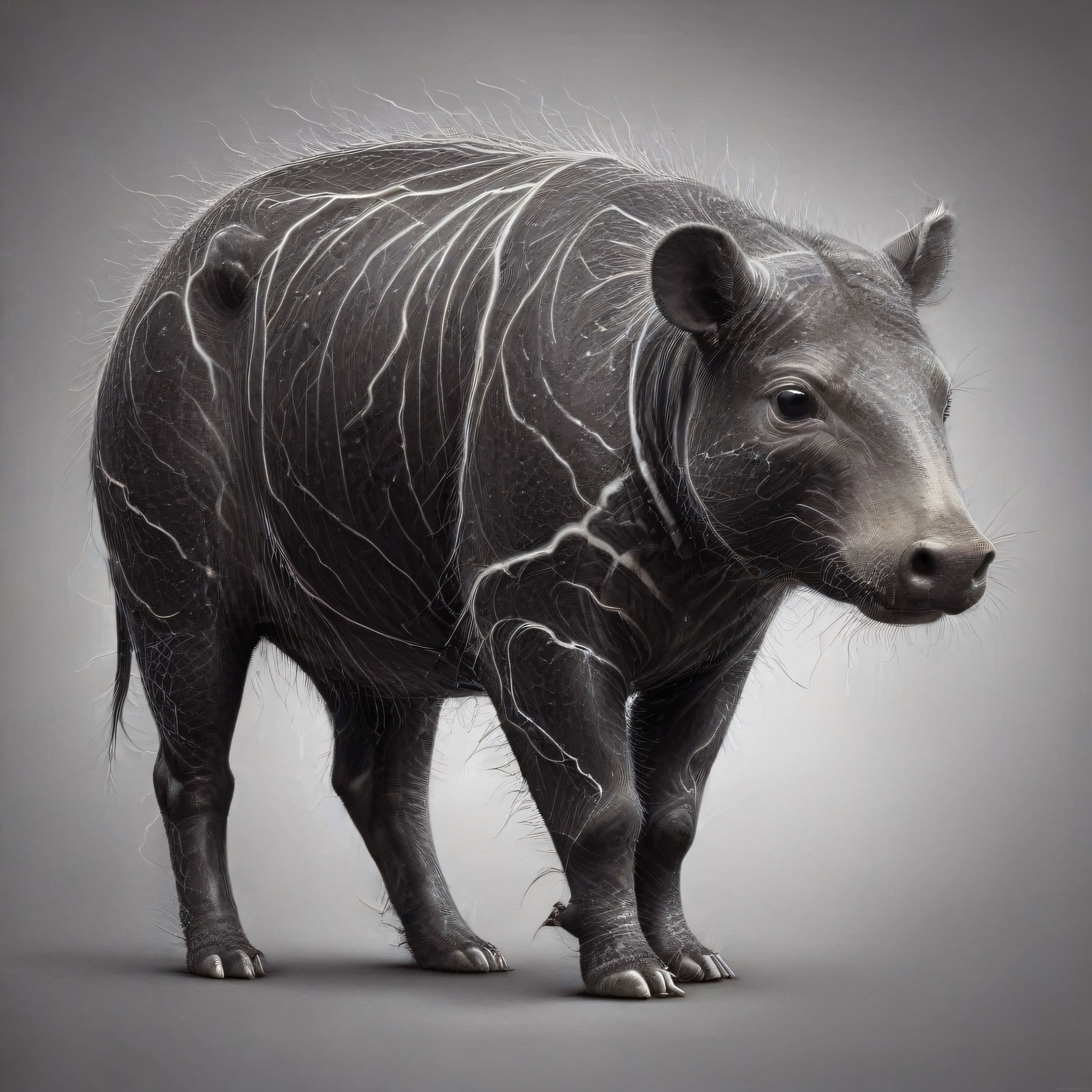
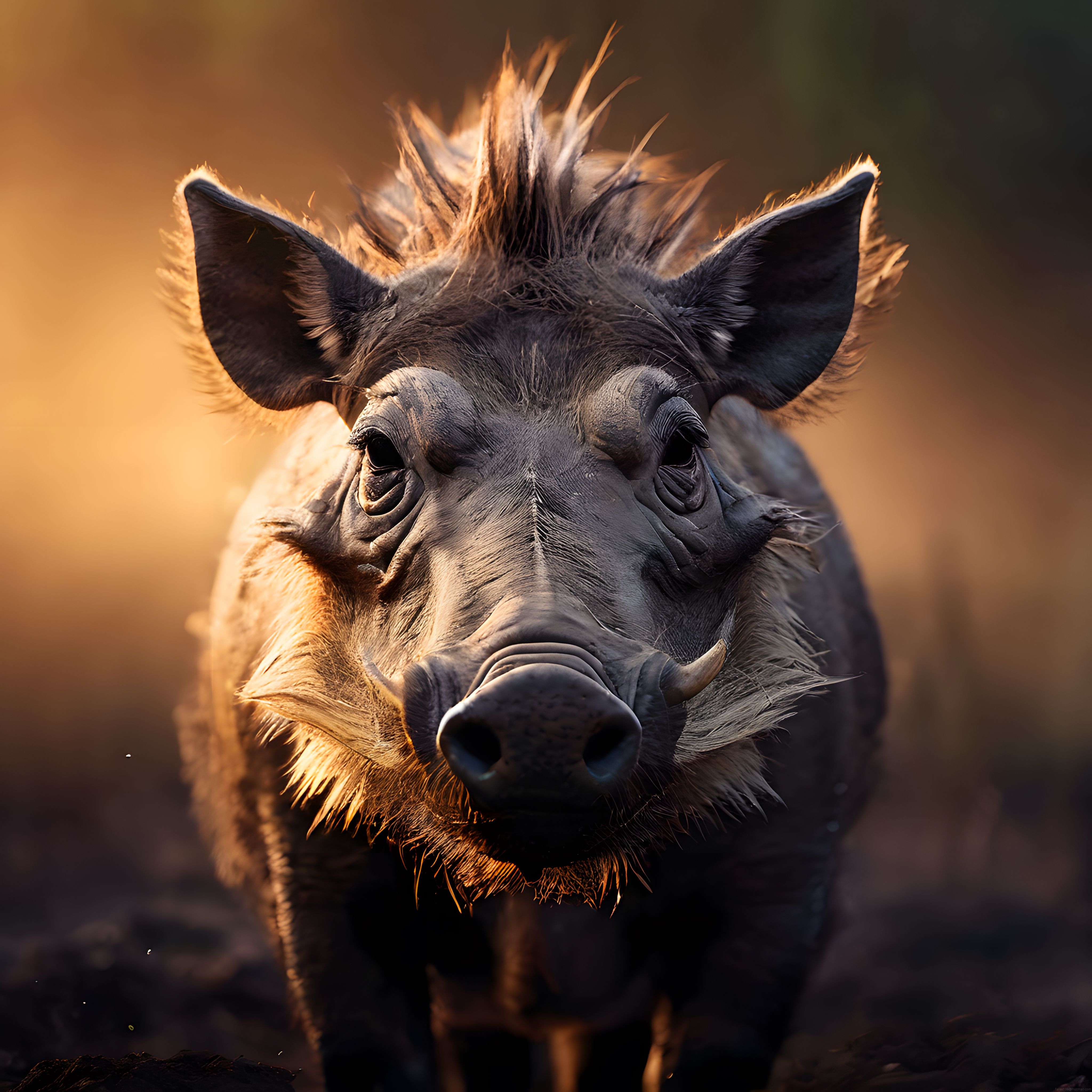
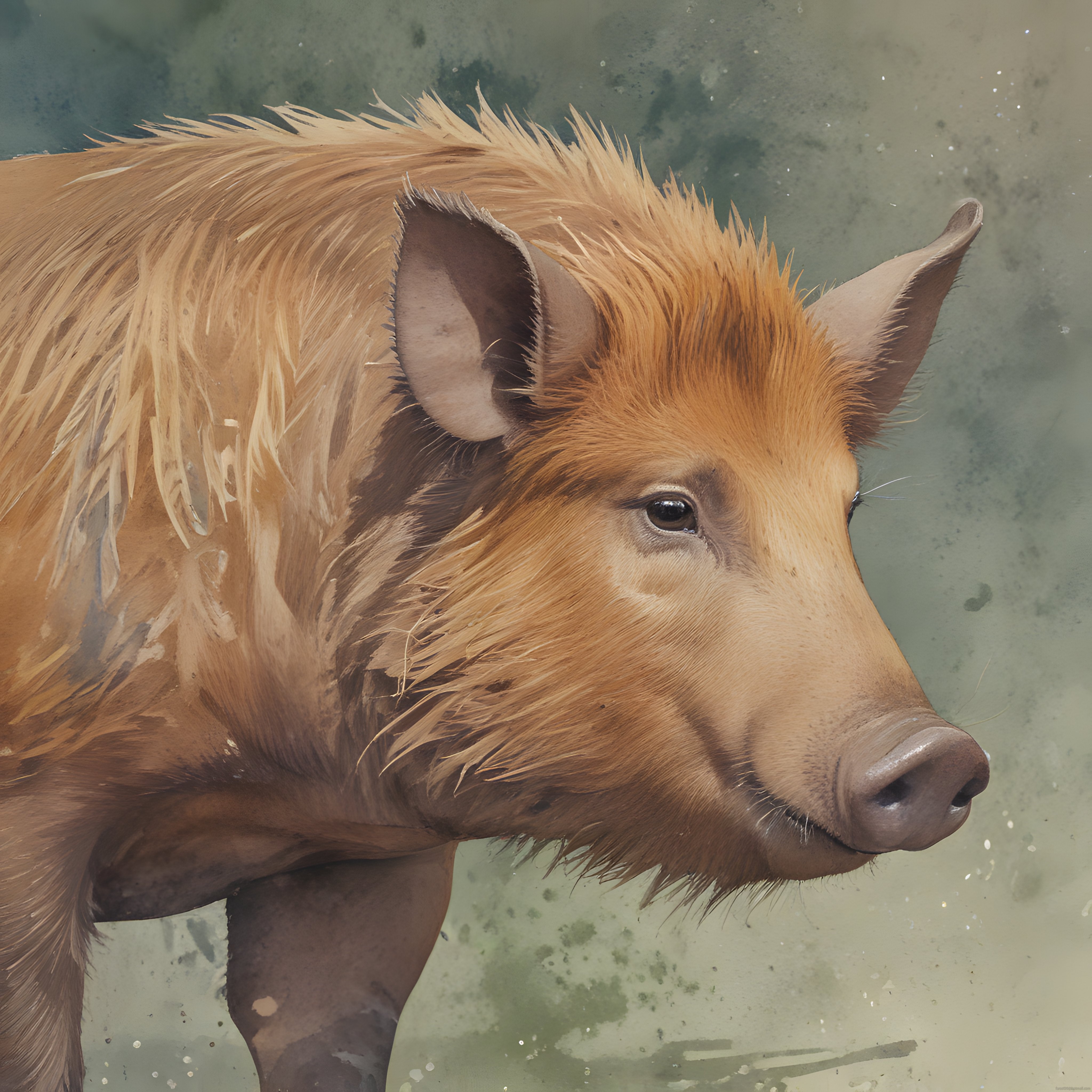
Çekim Tablosu
Belirtme (-i)yaban domuzunu
Yönelme (-e)yaban domuzuna
Bulunma (-de)yaban domuzunda
Çıkma (-den)yaban domuzundan
Tamlayan (-in)yaban domuzunun
Çoğul (-ler)yaban domuzları
Tanım
•isim, hayvan bilimi: Domuzgillerden, domuzdan iri, bağ ve bahçelere zarar veren saldırgan, yabani bir hayvan (Sus scrofa)
Diğer Dillerde
AlmancaEber (eril) /ˈeːbɐ/
boar (male pig, especially domestic)
çekim: çoğul Ebern · tamlayan Ebers
eş: Keiler, Wildschwein
köken: From Middle High German ëber, from Old High German ebur, from Proto-West Germanic *ebur, from Proto-Germanic *eburaz, possibly from Proto-Indo-European *h₁ep-r-. Cognate with Dutch ever, Latin aper, Serbo-Croatian vepar. Despite the similarity in form and meaning, not related to obsolete dialectal Bär (“boar”) or to Bär (“bear”).
aile: Eberspieß, Eberwurz, Eberzahn, Zuchteber
Wie erklären Sie sich das?“ Der antwortet: „Schlechter Ruf? — "Ne demek çekil?" demiş yaban domuzu.
Fransızcaverrat (eril) /vɛ.ʁa/
boar (male pig)
çekim: çoğul verrats
köken: Inherited from Old French ver (with the suffix -at), from Latin verrēs.
Enfin, dit-il, une pissotière ! ». — "Ne demek çekil?" demiş yaban domuzu.
İspanyolcaverraco (eril) /beˈrako/
a male, uncastrated adult pig · a stone sculpture of a pig or other quadruped created by the pre-Roman inhabitants of Iberia, especially the Vettones · foolish, slovenly or misbehaving person
çekim: çoğul verracos
eş: toro de piedra, gañán, garrulo, chancho, cochino, gorrino
köken: Inherited from Vulgar Latin *verrācus, from Latin verrēs (“boar”). Compare Romance cognates with varying suffixes: Portuguese barrão, Asturian verrón, French verrat, etc.
aile: bejuco de verraco
«¿Qué significa la palabra nervadura ? - BioDic». — "Ne demek çekil?" demiş yaban domuzu.
El verraco de Guaca es un macho porcino reproductor que aparece en los campos antioqueños con espíritu infernal; […]
[…], siendo Balarus uno de los nombres que aparece en la inscripción funeraria de un verraco abulense
İtalyancaverro (eril) /ˈvɛr.ro/
boar (male pig)
çekim: çoğul verri
köken: From Latin verres, with a change in declension.
Di solito animali, in particolare maiali e cavalli. — Diğer av hayvanları ise çoğunlukla geyik türleri ve yaban domuzudur.
male pig; boar, hog · old fart
çekim: çoğul хряки́ · tamlayan хряка́
eş: кабан, боров
köken: From хрю́кать (xrjúkatʹ).
«Скажите мне откровенно, что все это значит?» — спросил его Муравьёв. — "Ne demek çekil?" demiş yaban domuzu.
Arapçaخِنْزِير
فقلت من هذا؟ قالوا الدجال." — "Ne demek çekil?" demiş yaban domuzu.
Farsçaخوک نر
Tatarcaдуңгыз
Felemenkçebeer, mannetjesvarken (eril) /beːr/
a bear, any member of the family Ursidae · a person who is physically impressive and/or crude
çekim: çoğul beren
eş: kei, reet, reus
köken: From Middle Dutch bēre, from Old Dutch *bero, from Proto-West Germanic *berō, from Proto-Germanic *berô.
aile: beerlook, bere-, beren op de weg zien, berenbijt, Bereneiland, berenjacht, berenklauw, berenkuil, berenleider, berenmarkt
Ook komt hij voor in het wild in Florida. — Florida'da yaban domuzunda da görülür.
De beer drinkt bier.
Wat een beer van een vent daar voorin, he?
boar (male pig)
çekim: çoğul barrões
köken: From Old Galician-Portuguese varron, from a Vulgar Latin *verrōne(m), from Latin verrēs.
Eu disse 'que porco?' — "Ne demek çekil?" demiş yaban domuzu.
Yunancaκάπρος (eril)
wild boar · boar, male pig
çekim: çoğul κάπροι · tamlayan κάπρου
eş: αγριόχοιρος
Από το λιμάνι μπορεί κανείς να επισκεφθεί το Άγιον Όρος ή τα κοντινά νησάκια Δρένια. — Gezinti sırasında yaban domuzu ya da ceylanları görmek mümkündür.
wild boar (Sus scrofa)
eş: 산돼지, 산저, 야저
köken: Of native Korean origin. From 메 (me, “mountain”) + -ㅅ- (-s-) + 돼지 (dwaeji, “pig”).
aile: 혹멧돼지
그는 다만 멧돼지를 죽일 때 타인과 나누기에 충분히 큰 가를 확실히 해야할 뿐입니다. — Bilir ki, yapması gereken tek şey bir yaban domuzu öldürdüğünde değiş tokuş yapacak kadar büyük olmalıdır
boar
çekim: çoğul kabany · tamlayan kabana
köken: Borrowed from Ukrainian каба́н (kabán), from a Turkic language (Tatar kaban, Azerbaijani qaban, Kazakh қабан (qaban)); cognate with Turkish yaban.
aile: kabani, kabanina, kabanos
Mieczysław Gos „Kukułka”, sier. — "Ne demek çekil?" demiş yaban domuzu.
Hintçeसूअर (eril) /suː.əɾ/
pig, boar · pork
çekim: çoğul सूअरों
köken: Inherited from Sauraseni Prakrit 𑀲𑀽𑀕𑀭 (sūgara), *𑀲𑀽𑀅𑀭 (*sūara), from Sanskrit सूकर (sūkara), from Proto-Indo-Iranian *suHkarás, from Proto-Indo-European *suh₂kéh₂ (“pig, swine”). Compare Kashmiri سور / सोर (sōr).
Fincekarju /ˈkɑrju/
boar ((uncastrated) male pig)
çekim: çoğul karjut · tamlayan karjun
köken: Either karjua (“to roar, bellow”) + -u or karja (“livestock”) + -u.
aile: Karjula, Karjunen, metsäkarju, villikarju
Kymeläinen vastasi: ”Paha yskä”.» — "Ne demek çekil?" demiş yaban domuzu.
Çekçekanec (eril) /ˈkanɛt͡s/
boar (male domesticated pig or male wild boar) · stallion (virile man)
çekim: çoğul kanci · tamlayan kance
eş: kňour, divočák, samec, chlípník, vilník, kaňour
köken: The origin of this word, which only exists in Czech and Slovak, is unknown. It may be derived from Hungarian kan. Other theories say it comes from the East Slavic word кабан (kaban) and would therefore be of Turkish and Tatar origin.
Dítě se ptá: "A ten mluvil zajíčka nebo prasátko?" — "Ne demek çekil?" demiş yaban domuzu.
castrated male pig, barrow
çekim: çoğul mascuri · tamlayan mascurului
köken: Inherited from Latin masculus. Doublet of mascul.
"Acum ai înțeles", întreabă boierul. — "Ne demek çekil?" demiş yaban domuzu.
Macarcakan /ˈkɒn/
male pig · male boar (wild boar) · male (of dogs or other domestic animals not larger than a pig)
çekim: çoğul kanok
zıt: koca, emse, szuka
köken: Of unknown origin.
aile: kanász, kanos, kandüh, tenyészkan, vadkan
Palágykomoróc -"Ki mit tud?" vetélkedő. — "Ne demek çekil?" demiş yaban domuzu.
Latinceverres (eril) /ˈwɛr.reːs/
boar, male swine
çekim: çoğul verrēs · tamlayan verris
köken: From Proto-Italic *wersēn, from Proto-Indo-European *wérsēn (“male animal”). The nominative singular and the i-stem declension pattern are analogous; a more logical development would have been verrēn as the form used in the nominative and vocative singular cases with the base being verrin-. Cognates include Sanskrit वृषन् (vṛ́ṣan), वृष (vṛṣa), Ancient Greek ἄρσην (ársēn) and Lithuanian ver̃šis.
aile: verrīnus
a castrated male pig.
çekim: çoğul galte · tamlayan galts
köken: From Old Norse galti, galtr, gǫltr, from Proto-Germanic *galtuz.
Locke fanger vildsvinet og takker Charlie for at være lokkemad. — Adada Locke, Charlie'ye saldıran yaban domuzunu yakalar ve Charlie'ye yem olduğu için teşekkür eder.
Derfor er det bred interesse for å holde bestanden under kontroll. — Bu nedenle yaban domuzu nüfusu kontrol altında tutulmaya çalışılır.
Bulgarcaшопар
Дивите свине също са разпространени тук. — O sırada yaban domuzu da suya eğiliyormuş.
Slovencemerjasec (eril) /mɛrjàːsət͡s/
boar (male pig)
çekim: çoğul merjásci · tamlayan merjásca
Rekel ji je, naj se vrne in da bo njen sin »pravi divji osel. — "Ne demek çekil?" demiş yaban domuzu.
Litvancakuilys
Miestas garsėja jautiena. — Bölge yaban domuzu ile ünlüdür.
Letoncakuilis (eril)
boar, male (domestic) pig · male wild boar
çekim: çoğul kuiļi · tamlayan kuiļa
meža kuilis
kuiļa gaļa
Galiçyacacocho (eril) /ˈkot͡ʃo̝/
pigsty, den, cubby · udder
çekim: çoğul cochos
köken: Probably onomatopoeic: compare French cochon (“pig”) or Macedonian кочина (kočina, “pigsty”).
aile: cochada
İrlandacacollach (eril) /kəˈl̪ˠɑx/
boar (male pig) · male crab · crude, fleshy, person
çekim: çoğul collaigh · tamlayan collaigh
köken: From Old Irish cullach (“boar; stallion”).
aile: fia-chollach
Etimoloji
Osmanlı Türkçesi یابان طوكوزی; یابان (yaban) + طوڭوز (doñuz).
Eş & Zıt Anlamlılar
Örnek Cümleler
Kalidon Yaban Domuzu Avı
Calydonian boar hunt
Kalydonya Yaban Domuzu Avı
The Calydonian boar hunt
"Ne demek çekil?" demiş yaban domuzu.
"Piggy Tales: "Jammed"".
Yaban domuzu bütün patateslerimizi yedi.
Wild boar have eaten up all of our potatoes.
Guy ve Yaban Domuzu (1964), Keith Godwin [1]
Guy and the Boar (1964), by Keith Godwin[1]
(Tammuz yazın bir yaban domuzu tarafından öldürülür.)
(В сумраке утра проносится призрак Одина...)
Altın zırhının göğsünde bir yaban domuzu arması vardı.
His golden armor bore a crest of a boar on the breast.
Ayrıca yaban domuzu işlenmiş yuvarlak bir kalkanı vardı.
He also had a round shield with the mark of a boar.
Adonis avlanırken bir yaban domuzunun saldırısına uğrayarak ölür.
While there Adda is injured by a pregnant air pig.
Yaban domuzu biçimindedir, çakra (disk) taşır ve kılıçla savaşır.
She has a boar form, wields a chakra (discus) and fights with a sword.
Tırnaklı hayvanlar arasında karaca, geyik ve yaban domuzu bulunur.
Hoofed animals include roe deer, elk, and wild boar.
"Rüzgarlar Şehri" veya bazen "Yaban Domuzu Kenti" olarak adlandırılmıştır.
It is nicknamed “City of Winds”, or sometimes “Town of the Boar".