sarmaşık
/saɾ.maˈʃɯk/
noun
C2 seviye
TR → EN
"sarmaşık" kelimesinin İngilizcesi: ivy, ivy, ivy, ivy. Anlamı, çevirisi, telaffuzu ve örnek cümleler aşağıdadır.
Çeviri
Genelivynoun
Genelivy
Genelivy
Genelivy
Görsel
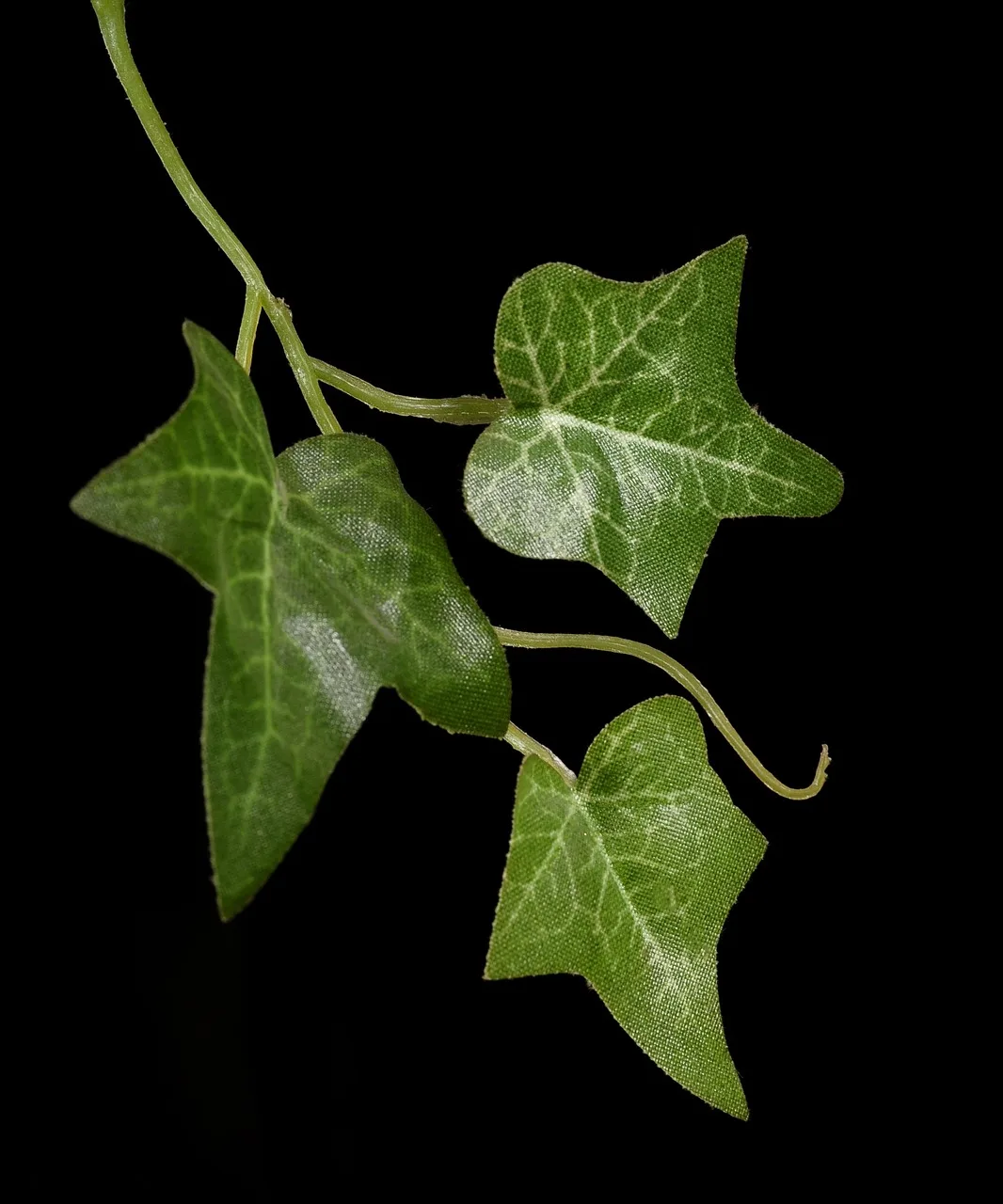
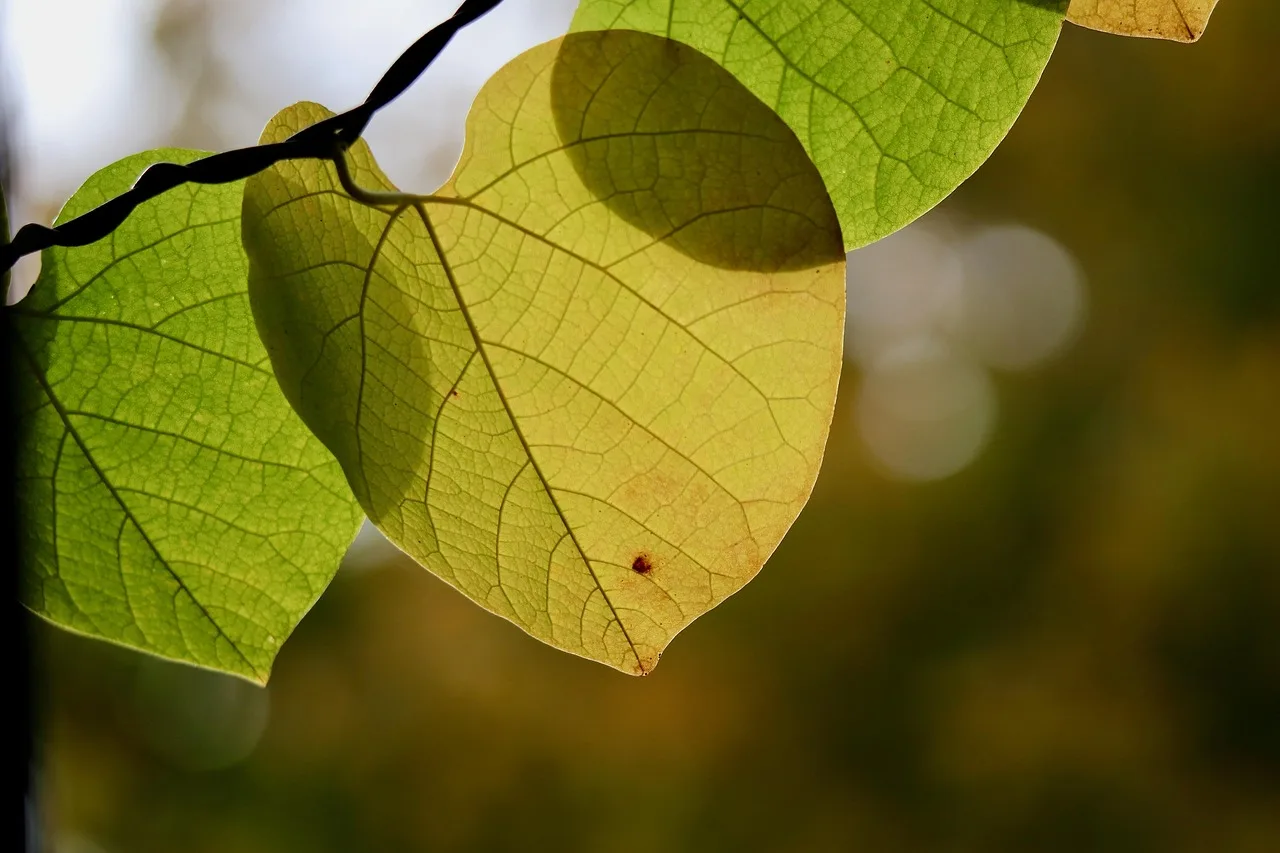
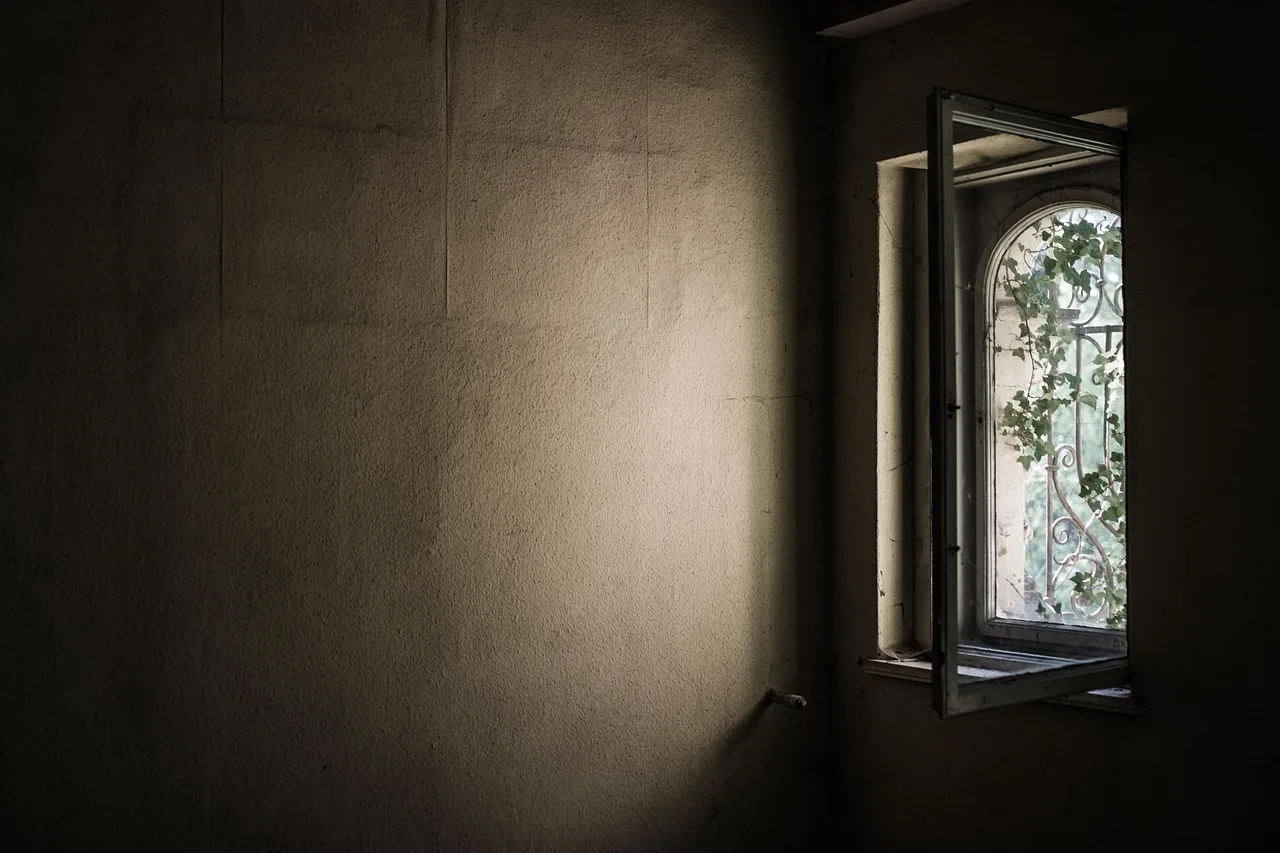
Çekim Tablosu
Belirtme (-i)sarmaşığı
Yönelme (-e)sarmaşığa
Bulunma (-de)sarmaşıkta
Çıkma (-den)sarmaşıktan
Tamlayan (-in)sarmaşığın
Çoğul (-ler)sarmaşıklar
Tanım
•Bilecik ili Merkez ilçesine bağlı köy
•Bir kız adı. kız ad
•Çankırı ili Ilgaz ilçesine bağlı köy
•Diyarbakır ili Eğil ilçesine bağlı köy
•Muş ili Korkut ilçesine bağlı köy
•sarmaşıkgillerden, koyu yeşil renkli, değişik biçimli yaprakları olan, sap ve dallarından çıkan küçük ek köklerle dik, düz yerlere yapışarak tırmanan bitki.
•Sinop ili Türkeli ilçesine bağlı köy
•Trabzon ili Hayrat ilçesine bağlı köy
Diğer Dillerde
AlmancaEfeu /ˈeːfɔʏ̯/
Pflanzengattung aus der Familie der Araliengewächse (Araliaceae)
çekim: tamlayan Efeus
eş: Gemeiner Efeu
köken: From Middle High German ephöu, from Old High German ebhouwi, derived through popular association with houwi (“hay”) from older ebah. Possibly from Proto-Germanic *ibahs, from Proto-Indo-European *(h₁)ebʰ-. The spelling and pronunciation in modern German used to be Epheu [ˈeːpˌhɔʏ̯]. The contemporary -f- is a spelling pronunciation that emanated from the North, reinforced by forms in Central and…
Der Efeu war die verblüffende Sache. — Sarmaşık baffling şeydi.
Nom usuel des représentants du genre Hedera, plantes sempervirentes, qui rampent à terre ou qui grimpent le long des murailles et autour des arbres et dont le type est le lierre grimpant ou Hedera helix.
çekim: çoğul lierres
köken: Inherited from Old French liere, formed by rebracketing of the elided article l' and iere m, itself from Latin hedera f, from Proto-Indo-European *gʰed- (“to seize, grasp, take”). The change in gender can be explained as assimilating the more common masculine form for trees and shrubs in French.
Tibia, genre de coquillage. — Hebil - Sarmaşık türü.
Nombre de pila de mujer.
çekim: çoğul hiedras
köken: Inherited from Latin hedera, possibly from Proto-Indo-European *gʰed- (“to seize, grasp, take”).
aile: hiedra terrestre, hiedra venenosa
La hiedra era lo desconcertante. — Sarmaşık baffling şeydi.
İtalyancaedera (dişil) /ˈɛ.de.ra/
vegetale sempreverde della famiglia delle Araliacee fornita di piccole radici non interrate che si aggrappano ai muri
çekim: çoğul edere
köken: From Latin hedera, from Proto-Indo-European *gʰed- (“to seize, grasp, take”).
L'edera era la cosa sconcertante. — Sarmaşık baffling şeydi.
Rusçaплющ обыкновенный
Плющ был непонятным вещь. — Sarmaşık baffling şeydi.
Arapçaلَبْلَاب
كان الشيء المحير اللبلاب. — Sarmaşık baffling şeydi.
Azericesarmaşıq
Hedera helix klimop
eş: boomveil, ifte
De klimop was het verbijsterend ding. — Sarmaşık baffling şeydi.
Portekizcehera (dişil) /ˈɛ.ɾɐ/
Hera (goddess of marriage and birth)
çekim: çoğul heras
köken: Learned borrowing from Ancient Greek Ἥρα (Hḗra).
aile: hera venenosa
A hera era a coisa desconcertante. — Sarmaşık baffling şeydi.
Yunancaκισσός
είδος αναρριχώμενου φυτού της οικογένειας Araliaceae με πλατιά παλαμοειδή φύλλα
Ο κισσός ήταν το μπλέκοντας πράγμα. — Sarmaşık baffling şeydi.
Korece담쟁이
아이비는 이해할 수없는 일이 었어. — Sarmaşık baffling şeydi.
İsveççemurgröna
common ivy, Hedera helix
çekim: çoğul murgrönor · tamlayan murgrönas
köken: mur (“wall”) + grön (“green”)
The Ivy var förbryllande sak. — Sarmaşık baffling şeydi.
Lehçebluszcz (eril) /ˈbluʂt͡ʂ/
ivy (any plant of the genus Hedera) · hedera (ornamentation)
çekim: çoğul bluszcze · tamlayan bluszczu
köken: Etymology tree Proto-Slavic *bľuščь Old Polish bluszcz Polish bluszcz Inherited from Old Polish bluszcz.
aile: bluszczolistny, bluszczowaty, bluszczowatość, bluszczowość
Bluszcz był zaskakujący rzeczy. — Sarmaşık baffling şeydi.
creeper, climber (plant that grows by creeping or climbing, such as a vine) · vine (any climbing plant of the genus Vitis, especially the one that produces grapes) · grapevine (US) (vine that produces grapes)
çekim: çoğul köynnökset · tamlayan köynnöksen
eş: viiniköynnös, koristeköynnös
köken: Probably derived from köysi.
aile: köynneliäs, köynnöstää, havuköynnös, herttaköynnös, ihmeköynnös, karhunköynnös, kelasköynnös, kelloköynnös, kiiviköynnös, koiranköynnös
Ivy oli hämmentävä juttu. — Sarmaşık baffling şeydi.
Çekçebřečťan (eril) /ˈbr̝ɛt͡ʃcan/
rod okrasných půdopokryvných a popínavých rostlin z čeledi aralkovitých
çekim: çoğul břečťany · tamlayan břečťanu
köken: Inherited from Old Czech břěčtan. See Russian берескле́т (beresklét).
aile: břečťanový
Ivy byla zarážející věc. — Sarmaşık baffling şeydi.
Rumenceiederă (dişil) /ˈje.de.rə/
çekim: çoğul iedere · tamlayan iedere
köken: Inherited from Latin hedera, from Proto-Indo-European *gʰed- (“to seize, grasp, take”).
Ivy a fost ceva derutant. — Sarmaşık baffling şeydi.
Macarcaborostyán /ˈboroʃcaːn/
amber
çekim: çoğul borostyánok
köken: Borrowed from German Bernstein.
aile: borostyánkő, borostyánsárga
A borostyán volt a zavarba ejtő dolog. — Sarmaşık baffling şeydi.
İbraniceקיסוס
קיסוס היה הדבר מביך. — Sarmaşık baffling şeydi.
Latincehedera /ˈhɛ.dɛ.ra/
ivy (Hedera helix)
çekim: çoğul hederae · tamlayan hederae
köken: Unknown. One hypothesis derives it from Proto-Italic *hedezā, from earlier *xedezā, from *gʰed-es-eh₂, from Proto-Indo-European *gʰed- (“to seize, grasp, take”), which is the same source as Latin praeda, *hendō in prehendō, English get, and Ancient Greek χανδάνω (khandánō, “to get, grasp”).
aile: hederāceus, hederātus, hederiger, hederōsus
Dancaefeu, vedbend
The Ivy var det forvirrende ting. — Sarmaşık baffling şeydi.
Norveççeeføy
Andre raser bruker imidlertid penger. — Ama diğer sarmaşıkları da enerji kazanır.
Vietnamcathường xuân
Ivy là điều khó hiểu. — Sarmaşık baffling şeydi.
Bulgarcaбръшлян (eril) /brɐʃˈlʲa̟n/
ivy (trailing plant of genus Hedera)
çekim: çoğul бръшля́ни
köken: By surface analysis, бръ́щел (brǎ́štel) (obsolete) + -ян (-jan). Cognate with Macedonian бршлен (bršlen), Serbo-Croatian бр̀шљан, Slovene bršljȃn, but the exact proto-form is hard to pinpoint. Further related to Ukrainian брочета́н (bročetán) (dialectal) / бороща́ник (boroščányk, “ivy”), Slovak brečtan (“ivy”), Polish brzesztan (“ivy”) and probably Russian берескле́т (beresklét, “spindle tree”),…
Бръшлянът е загадъчен нещо. — Sarmaşık baffling şeydi.
Slovakçabrečtan (eril) /bret͡ʃtan/
köken: Of Slavic origin, the exact reconstruction is difficult because of the diversity of forms. Probably cognate with Latin fraxinus from Proto-Indo-European *bʰr̥Hǵ-s-inos, adjective of *bʰerHǵós (“birch”). Another theory derives this word from Proto-Indo-European *bʰerǵʰ- (“high”).
Ivy bola zarážajúce vec. — Sarmaşık baffling şeydi.
Slovencebršljan (eril) /bərʃljáːn/
çekim: çoğul bršljani · tamlayan bršljana
köken: See Russian берескле́т (beresklét).
Ivy se je prevara stvar. — Sarmaşık baffling şeydi.
Litvancagebenė
Estoncaluuderohi
Ülejäänud kolm vajavad energiat. — Ama diğer sarmaşıkları da enerji kazanır.
Etimoloji
By surface analysis, sar- (“to wind around”) + -ma (“verbal noun suffix”) + -ş (“reciprocal suffix”) + -ık.
Kelime Ailesi
Hedera helix
Örnek Cümleler
Sarmaşık baffling şeydi.
The ivy was the baffling thing.
Üzüm dolu sarmaşıklar gördüm."
I have discovered vines loaded with grapes.”
Duvar kısmen sarmaşıkla kaplıdır.
The wall is partly covered with ivy.
Evin yan tarafı sarmaşıkla kaplıydı.
The side of the house was covered with ivy.
Bir kaç tane sağlam sarmaşık kesmeliyiz.
We'll cut some strong vines.
Duvarlar sarmaşık tarafından gizlenmiştir.
The walls are hidden by ivy.
O duvara çıktı ve asılı sarmaşık kaldırdı diye başladı.
When she stepped to the wall and lifted the hanging ivy he started.
Birçok sarmaşık ile birlikte çalılar ve ağaçları içerir.
The order includes shrubs and trees, together with many herbs and climbers.
Kazanan oyun yazarlarına bir sarmaşık çelengi verilirdi.
The winning playwrights were awarded a wreath of ivy.
O, ona defne yolu yuvarlak ve açtı sarmaşık çok kalın büyüdü yürüyün.
She led him round the laurel path and to the walk where the ivy grew so thickly.
O duvara doğru gitti ve sarmaşık yeşil bir kapı olduğunu ve bu açık durdu.
She went toward the wall and found that there was a green door in the ivy, and that it stood open.
Çıplak çiçek yataklarının her iki tarafında ve duvara sarmaşık büyüdü kalın.
There were bare flower-beds on either side of it and against the walls ivy grew thickly.
İlgili Sorular
Zehirli sarmaşık ciltten başka birine geçebilir mi?
Zehirli sarmaşık temasının yayılması ne kadar basit?
Zehirli sarmaşık (poison ivy) ne kadar kolay bulaşıyor?
Zehirli sarmaşık temasından sonrasında başkalarına bulaşma riski var mı?
Zehirli sarmaşıkla temas ettikten sonra başkalarının dokunması sorun yaratır mı?