Sözlük
/sığın
sığın
noun
TR → EN
"sığın" kelimesinin İngilizcesi: moose, elk, moose. Anlamı, çevirisi, telaffuzu ve örnek cümleler aşağıdadır.
Çeviri
Genelmoosenoun
Genelelknoun
Genelmoose
Görsel
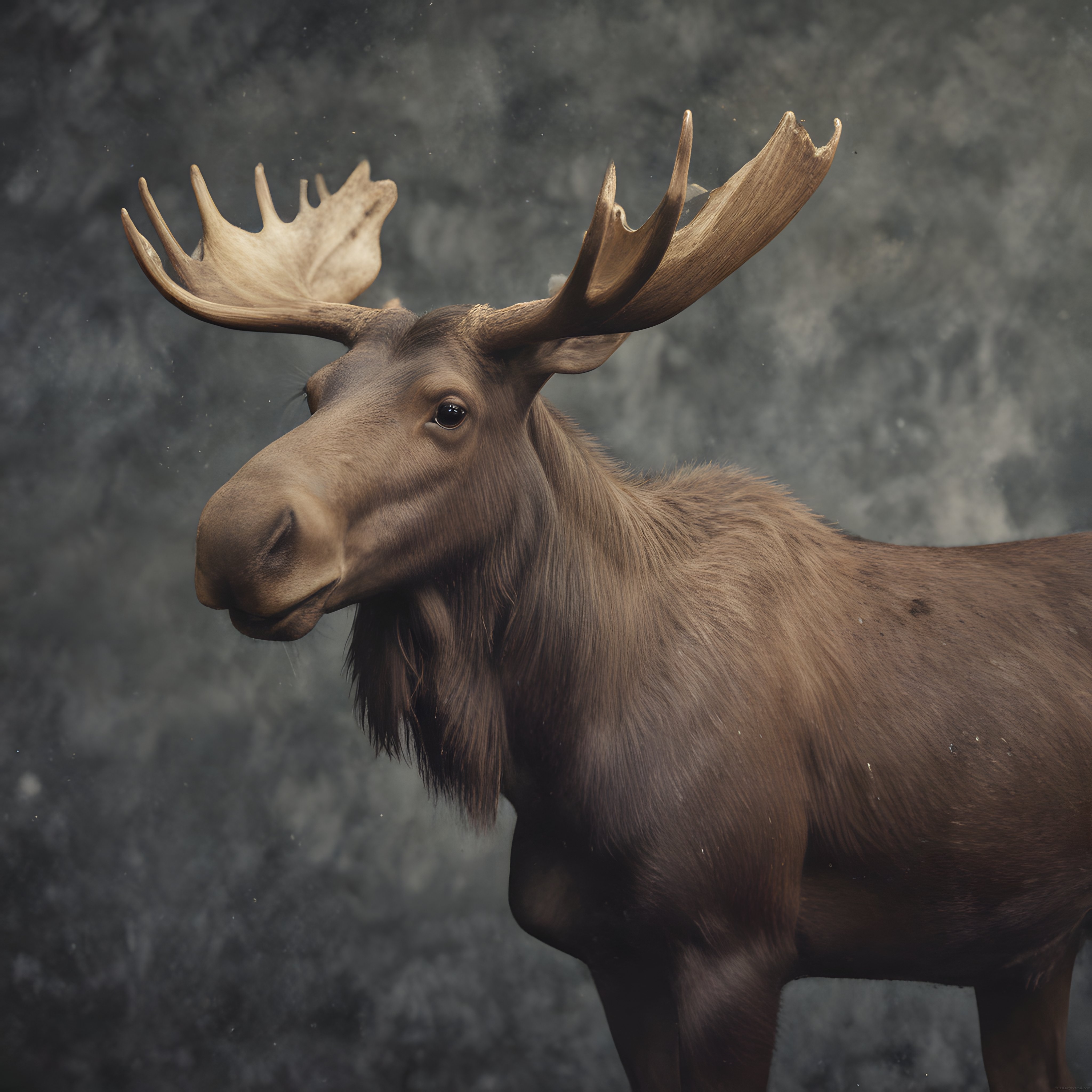
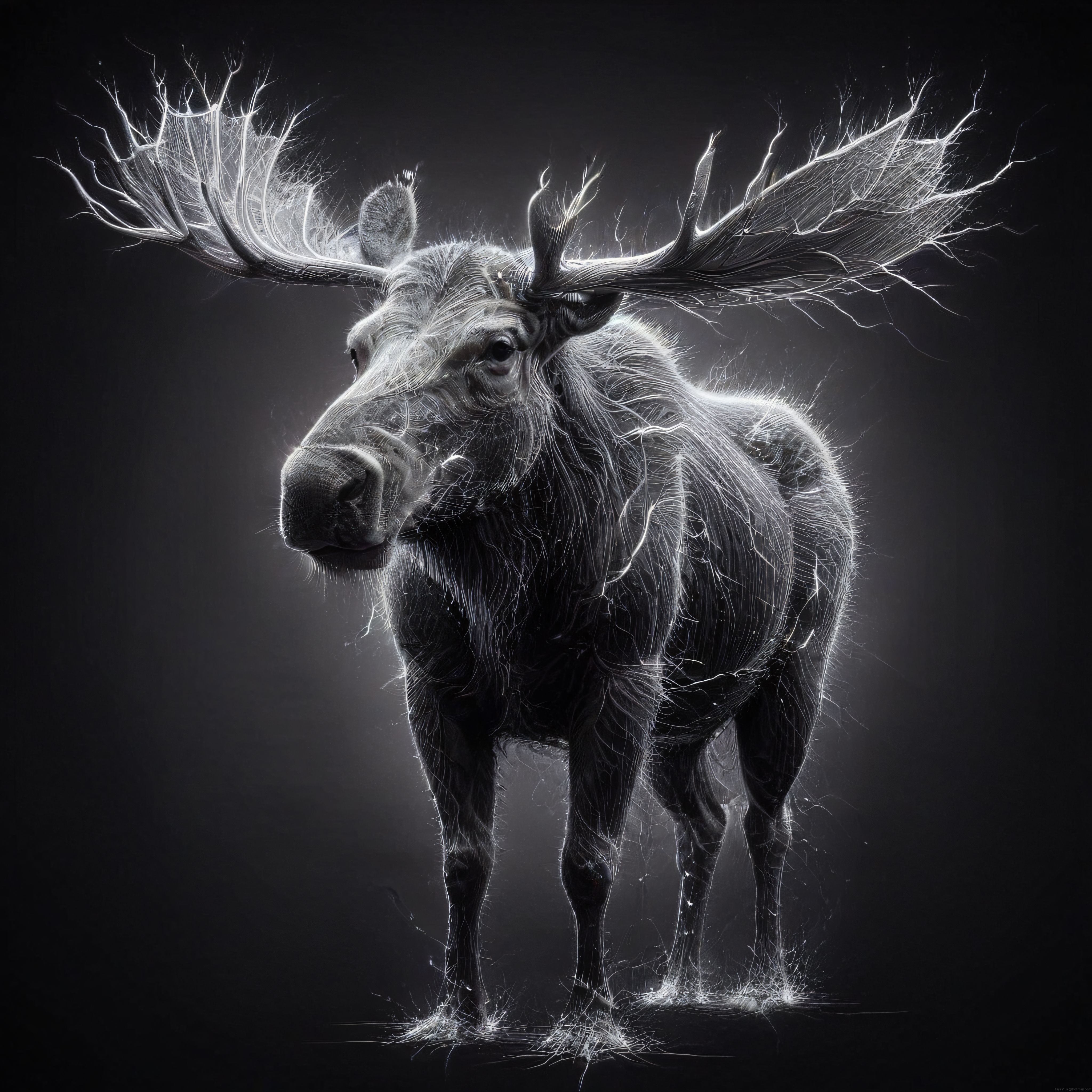
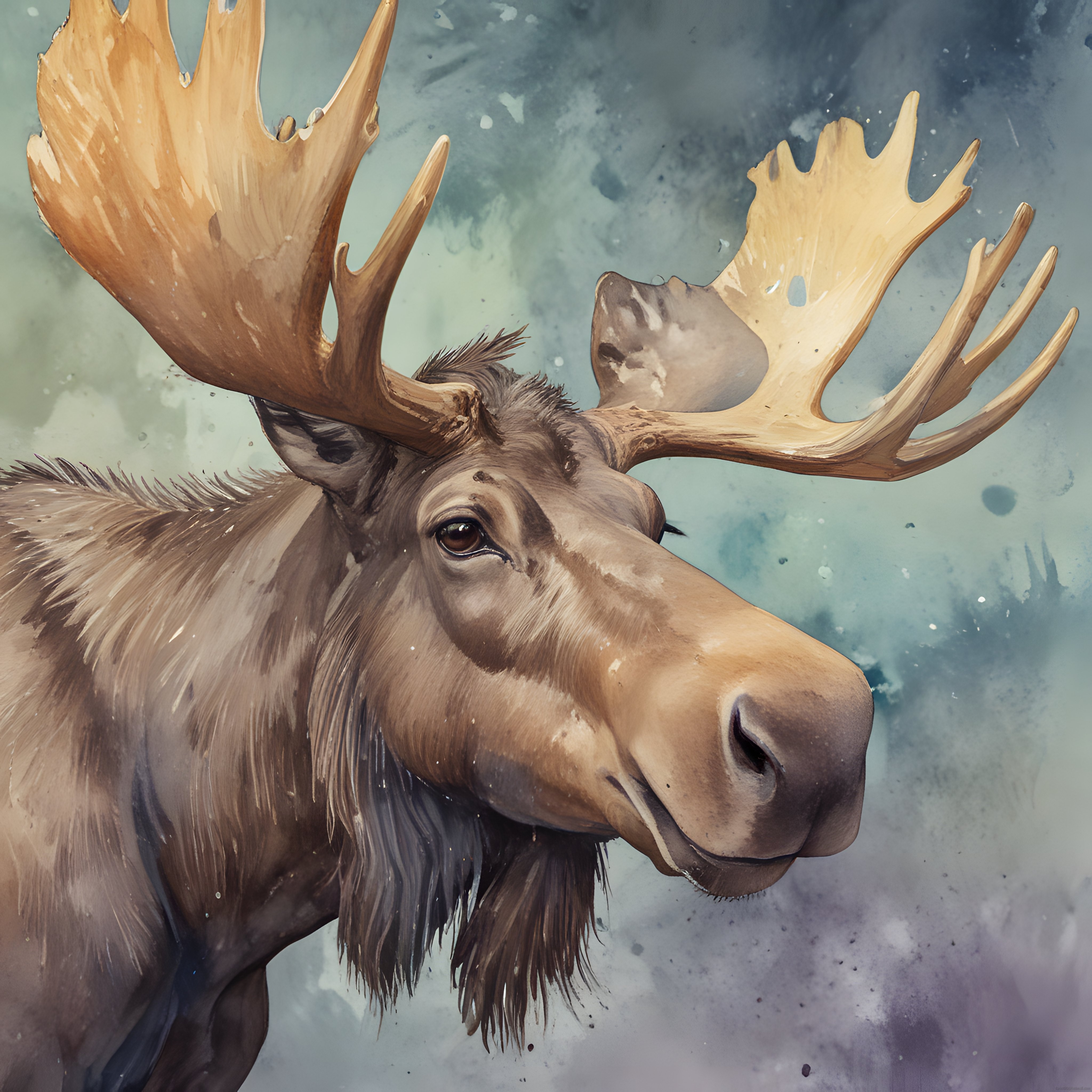
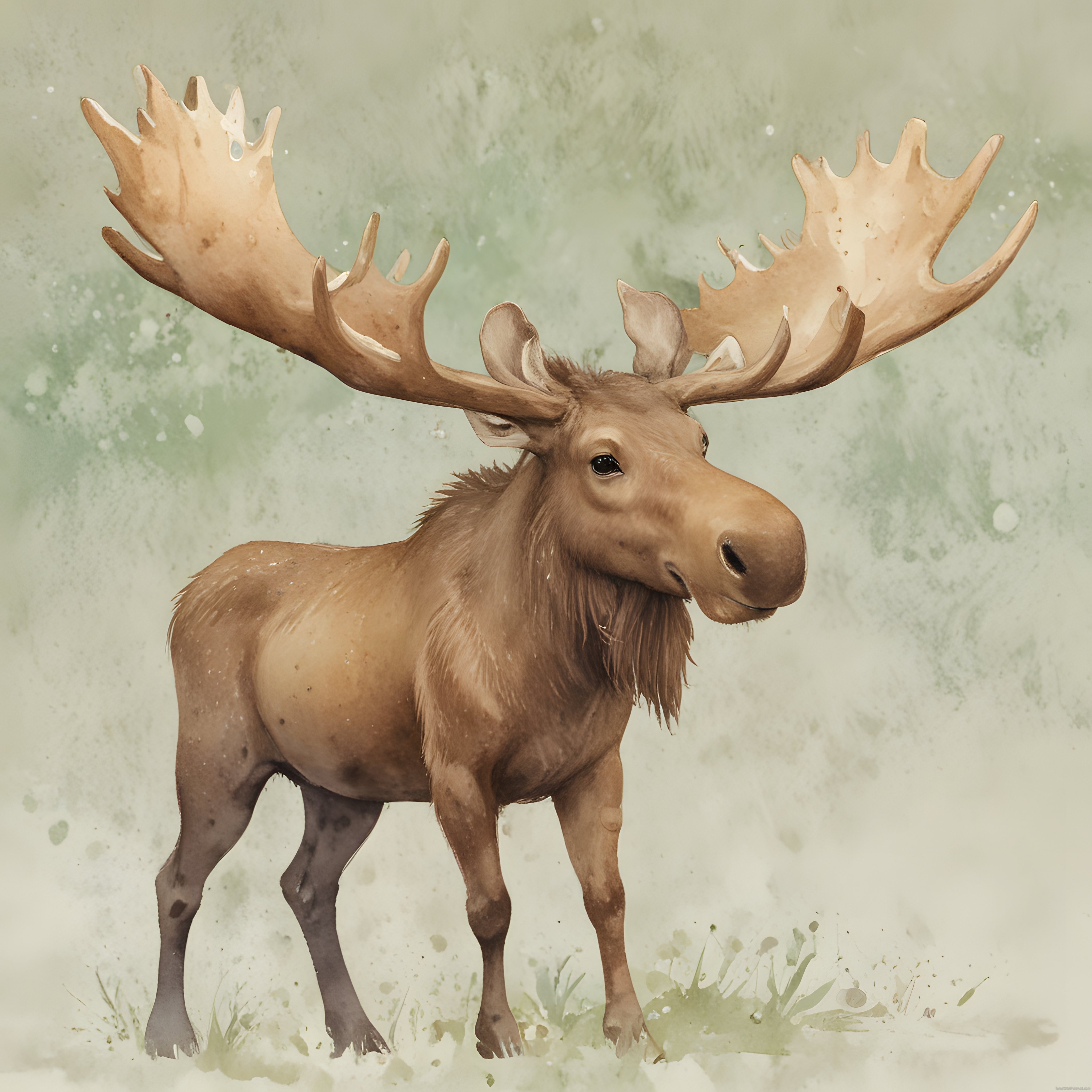
Tanım
•sığın geyiği, taçboynuzlu geyik, mus
•Geyikgillerden, postu benekli, erkeklerinin boynuzları uca doğru kürek biçiminde genişleyen, Güney Avrupa ve Kuzey Afrika'da yaşayan bir cins geyik, Dama dama
Diğer Dillerde
AlmancaElch (eril) /ɛlç/
moose (US), elk (UK) (Alces alces)
çekim: çoğul Elche · tamlayan Elches
eş: Elen, Elentier, Elk, Gehörnter, Hirsch
köken: From Middle High German elch, elhe, from Old High German elaho, elho, elcho (hapax elach), from Proto-West Germanic *elh(ō), from Proto-Germanic *elhaz. In Early Modern German, the word had been entirely replaced with Elen (see there). In the late 18th century, the form Elk was borrowed from English elk, principally for the North American moose (then still thus called). This subsequently…
aile: Alaska-Elch, Alunda-Elch, Elchart, Elchbeere, Elchbüchse, Elchbulle, Elchdecke, Elchfell, Elchfest, Elchfleisch
Es ist ein Heiligtum. — Bir sığınak.
Fransızcaorignal (eril) /ɔ.ʁi.ɲal/
moose
çekim: çoğul orignaux
eş: élan
köken: Borrowed from Basque oreinak, plural of orein (“deer”). First attested in the texts of Samuel de Champlain as orignac.
C'est un sanctuaire. — Bir sığınak.
elk (UK), moose (US) (Alces alces)
çekim: çoğul alces
köken: From Latin alces, of Germanic origin.
Es un santuario. — Bir sığınak.
Rusçaлань, лось
Это святилище. — Bir sığınak.
Arapçaمُوظ
البيوت الآمنة — Sığınma evleri
Farsçaشاهگوزن, گاو کوهی, موس, یاله
buttocks
deer, cervid
çekim: çoğul бұғылар · tamlayan бұғының
köken: Inherited from Proto-Turkic *bugu. Cognate with Old Turkic 𐰊𐰎𐰆 (b¹ǧu), Kyrgyz бугу (bugu).
Tatarcaпоши
Felemenkçeeland (eril) /ˈeːlɑnt/
elk, moose, Alces alces · common eland, eland antilope, Taurotragus oryx
çekim: çoğul elanden
köken: From Middle Dutch elant, from obsolete German elen, elend, from Middle High German elen, from Old Lithuanian ellenis.
aile: elandantilope
Wel was er een wachterswoning. — Bir sığınak bulundu.
Yunancaάλκη, αμερικανική έλαφος (dişil)
moose, elk
çekim: tamlayan άλκης
Είναι ένα καταφύγιο. — Bir sığınak.
偶蹄目シカ科ヘラジカ属に属する鹿の一種。学名:Alces alces。別名、おおじか、ムース、エルク。
近くにはフランス軍のえんぺい壕があります — Bu bir Alman sığınağı.
elk, moose
köken: From 말 (mal, “horse”) + 코 (ko, “nose”) + 손바닥 (sonbadak, “palm”) + 사슴 (saseum, “deer”).
이것은 독일 벙커입니다. — Bu bir Alman sığınağı.
İsveççeälg /ɛlj/
moose, elk, Alces alces · moose (moose meat)
çekim: çoğul älgar · tamlayan älgs
köken: From Old Swedish ælgher, from Old Norse elgr, from Proto-Germanic *algiz, from Proto-Indo-European *h₁élḱis, *h₁ólḱis.
aile: älga, älgkliv, älgko, älgskylt, älgtjur
Det är en fristad. — Bir sığınak.
En älg bet min syster en gång
female moose; female Eurasian elk (Alces alces) · cow (female Bos taurus) · old cow
çekim: çoğul klępy · tamlayan klępy
eş: łosica, łosza
köken: Uncertain. Perhaps related to Proto-Slavic *klęča, whence Polish klacz.
To sanktuarium. — Bir sığınak.
Fincehirvi /ˈhirʋi/
elk, moose (Alces alces) · any large deer, such as an elk, moose or wapiti · synonym of hirvenliha: meat of these animals
çekim: çoğul hirvet · tamlayan hirven
köken: From Proto-Finnic *hirvi (compare Estonian hirv, Veps hirbʹ), borrowed from Proto-Baltic *širˀwis (compare Old Prussian sirwis (“deer”), Proto-Balto-Slavic *śírˀnāˀ (“roe deer”)), from Proto-Indo-European *ḱerh₂- (“head, top, horn”) (compare Latin cervus). Doublet of sarvi.
aile: Hirvelä, hirvestää, Hirvinen, Hirvonen, aksishirvi, amerikanhirvikoira, andienhirvi, baweanhirvi, chilenhirvi, davidinhirvi
Turvakodit — Sığınma evleri
Çekçelos (eril) /ˈlos/
elk (British), moose (U.S.)
çekim: çoğul losi · tamlayan losa
köken: Inherited from Proto-Slavic *ȏlsь. Cognate with English elk, German Elch.
Musejí najít úkryt. — Bir sığınak bulundu.
Rumenceelan (eril)
elk, moose (Alces alces)
çekim: çoğul elani · tamlayan elanului
köken: Borrowed from French élan (“moose”).
Sanctuarul. — Bir sığınak.
Macarcajávorszarvas /ˈjaːvorsɒrvɒʃ/
elk (Eurasia), moose (North America) (Alces alces)
çekim: çoğul jávorszarvasok
köken: jávor (“a kind of deer; bison”) + szarvas (“deer”). The word jávor is of uncertain origin, perhaps a borrowing from German, compare German Auer or Auerochs (“an extinct type of large wild cattle”).
Egy szentély. — Bir sığınak.
İbraniceצבי אמריקני
זהו בונקר גרמני. — Bu bir Alman sığınağı.
Latincealcēs
elk, moose (Alces alces)
çekim: çoğul elge · tamlayan elgs
köken: From Old Norse elgr (“moose”), from Proto-Germanic *elh-, from Proto-Indo-European *h₁el- (“red, brown”).
aile: elgjagt, elgko, elgkød, elgtyr
Det er et fristed. — Bir sığınak.
Vietnamcanai anxet, nai sừng tấm /naːj˧˧ sɨŋ˨˩ təm˧˦/
moose; elk
köken: nai (“sambar deer”) + sừng (“horn”) + tấm (“classifier for flat things”).
Như thánh địa. — Bir sığınak.
Bulgarcaлос /ɫɔs/
moose (male individual of genus Alces)
çekim: çoğul ло́сове
köken: Borrowed from Russian лось (losʹ), from Proto-Slavic *olsь.
Това е светилище. — Bir sığınak.
Litvancabriedis (eril) /¹ˈbʲrʲiɛdʲɪs/
elk (UK), moose (US), Alces alces
çekim: çoğul bri̇́edžiai · tamlayan bri̇́edžio
köken: From Proto-Balto-Slavic *bréidis, from a Proto-Indo-European *bʰreydʰ- (“elk, deer”). Cognate with Latvian briêdis (“elk”), Old Prussian braydis (“elk”) (< *breidis); outside of Baltic, cognate with Sudovian brid (“deer”), Elfdalian brinde (“elk”), Swedish brinde (“elk”), Ancient Greek βρένδος (bréndos, “deer”) (from Messapic), Albanian bri (“horn, antler”). Various formally and semantically…
Dieną praleidžia slėptuvėje. — Gündüz ormanda sığınağında geçirir.
Letoncaalnis (eril) /ˈâlnis/
elk, moose (Alces alces)
çekim: çoğul aļņi · tamlayan aļņa
köken: From Proto-Baltic *elénjas, from a derived form of Proto-Indo-European *h₁el- (“white, light, also reddish-brown color”) (maybe *h₁elh₁ēn). In ancient Latvian, alnis must have meant “deer” (in general), as in other Baltic languages; in this sense, however, the word disappeared, perhaps as a consequence of the diminishing numbers of this species in nature. Juris Alunāns reintroduced it into the…
aļņa ragi
aļņu telēns
medīt aļņus
Estoncapõder /ˈpɤd̥er/
moose, European elk (Alces alces) · a Finn
çekim: çoğul põdrad · tamlayan põdra
köken: From Proto-Finnic *pëtra (“deer; reindeer”), probably from Proto-Baltic. Cognates include Finnish peura (“wild reindeer”), Votic põdra, Livonian põ’ddõr(z), Livvi pedru, Ludian and Veps pedr (“deer”).
aile: emapõder, hiidpõder, isapõder, põhjapõder, põderpõrnikas, põdrajaht, põdrajuur, põdrakael, põdrakahjustus, põdrakanep
Paljud neist kaldusid Bulgaaria Kommunistliku Partei poole. — Bir kısmı ise İdil Bulgarlarına sığındı.
Etimoloji
From Ottoman Turkish صیغین (sığın), from Proto-Turkic *sïgun. Cognates Cognates with Western Yugur [script needed] (suɣun, “young deer with horn; deerling with horn”), Azerbaijani sığın, Karakalpak suwın, Karaim suvun, sygyn, Southern Altai суун (suun), Khakas сыын (sıın), Uzbek suygun (dial), Turkmen sūgun, Tuvan сыын (sıın).
Eş & Zıt Anlamlılar
Örnek Cümleler
Bir sığınak.
It's a sanctuary.
Deprem sığınak
Earthquake shelter
Sığınma hareketi
Asylum movement
Tom sığınağa indi.
Tom went down into the bomb shelter.
Sığınacak yer ara.
Run for cover.
Sen Allah'a sığın.
Seek refuge thou then in Allah verily He!
Artık Allah'a sığın!
Seek refuge thou then in Allah verily He!
Asker sipere sığındı.
The soldier took shelter in the foxhole.
Tom sığınma aramıyor.
Tom isn't seeking asylum.
Tom evsiz sığınağında.
Tom has been at a homeless shelter.
Bu bir Alman sığınağı.
This is a German bunker.
Öyleyse ALLAH'a sığın.
Seek refuge thou then in Allah verily He!
İlgili Sorular
İran, "zarar ve acı" verebileceğini söylediğinde ne demek istiyor? Bu, eski bir sığınak temizlememi gerektirir mi?
Evsizlere yardım sunan yerler ve güvenli bir sığınak bulmak için nereye başvurulmalı?
İran’ın "zarar ve acı" demesi neyi ifade ediyor? Eski bir bombalı sığınağı temizlemem gerekir mi?
Şiddetli bir partnerden kaçtıktan sonra başka bir eyalete taşındım, arabam arızalandı ve şu ana kadar barınma bulamadım. Sığınak da yok. Ne gibi çözümler önerirsiniz?
Şiddetli bir ilişkiden kaçtıktan sonra başka bir eyalete gittim, arabam bozuldu ve barınacak bir yer bulamıyorum. Sığınak da yok. Ne yapmam gerektiği konusunda öneri arıyorum.