Sözlük
/alageyik
alageyik
/aˈla.ɟe.jik/
name
TR → EN
"alageyik" kelimesinin İngilizcesi: moose, moose, fallow deer, fallow deer, fallow deer. Anlamı, çevirisi, telaffuzu ve örnek cümleler aşağıdadır.
Çeviri
Genelmoose
Genelmoose
Genelfallow deernoun
Genelfallow deer
Genelfallow deer
Genelred deer
Genelred deer
Görsel

Çekim Tablosu
Belirtme (-i)alageyiği
Yönelme (-e)alageyiğe
Bulunma (-de)alageyikte
Çıkma (-den)alageyikten
Tamlayan (-in)alageyiğin
Çoğul (-ler)alageyikler
Tanım
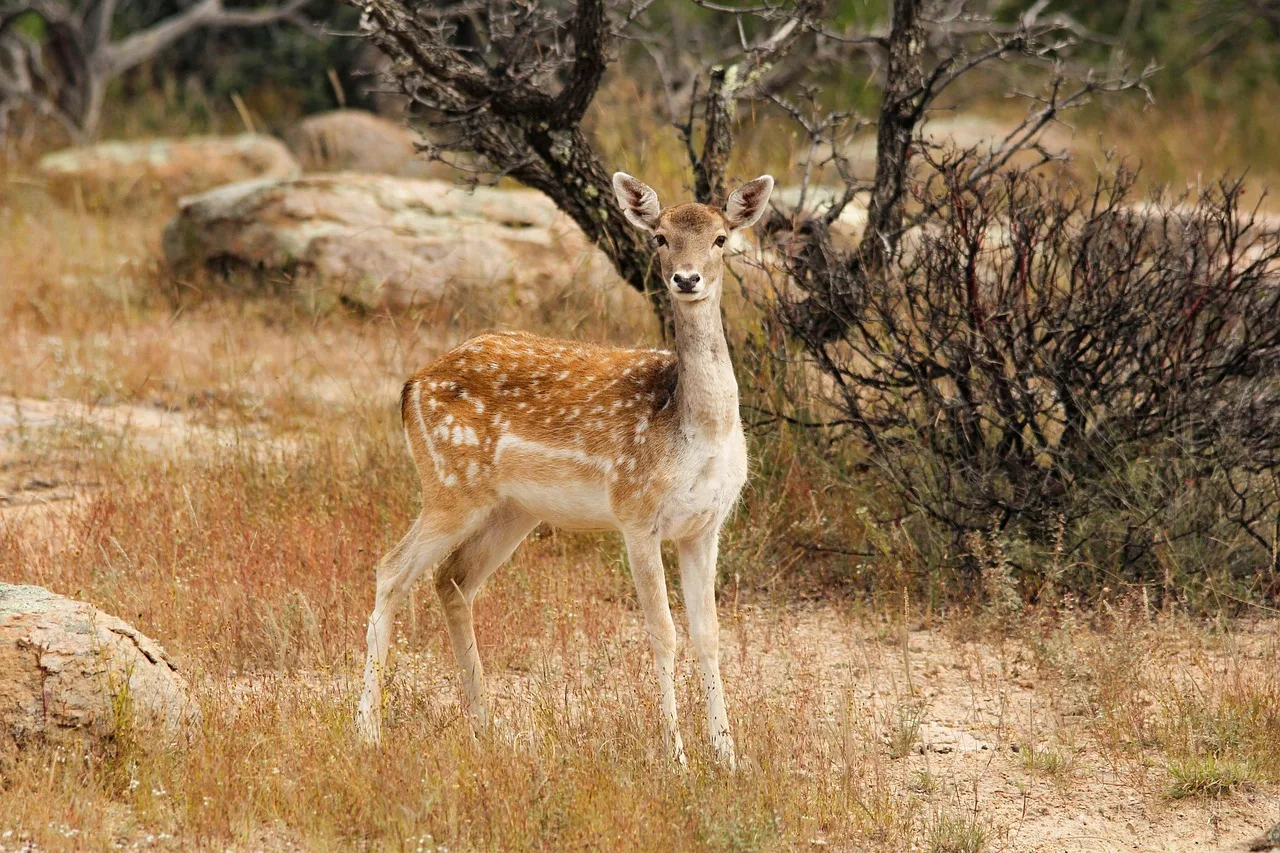
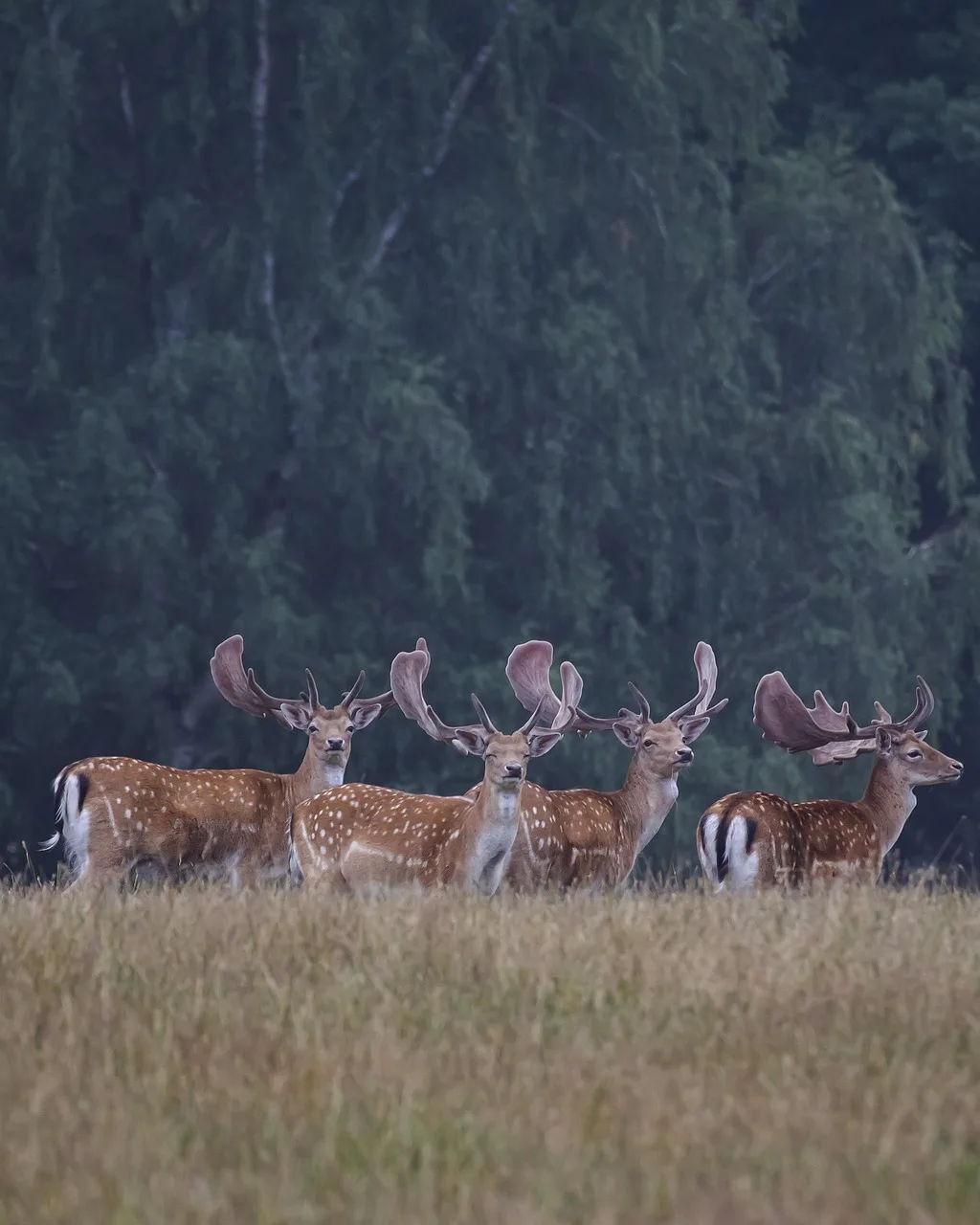
•isim, hayvan bilimi: Geyikgillerden, Güney Avrupa ve Kuzey Afrika'da yaşayan, yazın postunda ak benekler oluşan, erkeklerinin boynuzları uca doğru kürek biçiminde genişleyen bir cins geyik; sığın (Dama dama)
Diğer Dillerde
AlmancaElch (eril) /ɛlç/
moose (US), elk (UK) (Alces alces)
çekim: çoğul Elche · tamlayan Elches
eş: Elen, Elentier, Elk, Gehörnter, Hirsch
köken: From Middle High German elch, elhe, from Old High German elaho, elho, elcho (hapax elach), from Proto-West Germanic *elh(ō), from Proto-Germanic *elhaz. In Early Modern German, the word had been entirely replaced with Elen (see there). In the late 18th century, the form Elk was borrowed from English elk, principally for the North American moose (then still thus called). This subsequently…
aile: Alaska-Elch, Alunda-Elch, Elchart, Elchbeere, Elchbüchse, Elchbulle, Elchdecke, Elchfell, Elchfest, Elchfleisch
Fransızcaélan d'Amérique, orignal (eril) /ɔ.ʁi.ɲal/
moose
çekim: çoğul orignaux
eş: élan
köken: Borrowed from Basque oreinak, plural of orein (“deer”). First attested in the texts of Samuel de Champlain as orignac.
elk (UK), moose (US) (Alces alces)
çekim: çoğul alces
köken: From Latin alces, of Germanic origin.
Rusça(женское имя), лань, даниэль
Arapçaمُوظ
تحتفظ الظباء بقرونها طوال حياتها. — Yalnızca alageyik bu benekleri yaşamı boyunca taşır.
Farsçaشاهگوزن, گاو کوهی, موس, یاله
buttocks
deer, cervid
çekim: çoğul бұғылар · tamlayan бұғының
köken: Inherited from Proto-Turkic *bugu. Cognate with Old Turkic 𐰊𐰎𐰆 (b¹ǧu), Kyrgyz бугу (bugu).
Tatarcaпоши
Felemenkçeeland (eril) /ˈeːlɑnt/
elk, moose, Alces alces · common eland, eland antilope, Taurotragus oryx
çekim: çoğul elanden
köken: From Middle Dutch elant, from obsolete German elen, elend, from Middle High German elen, from Old Lithuanian ellenis.
aile: elandantilope
偶蹄目シカ科ヘラジカ属に属する鹿の一種。学名:Alces alces。別名、おおじか、ムース、エルク。
自身が連れている赤ん坊の純くんについてはあまり語らない。 — Dişi alageyik yavrusuyla pek fazla ilgilenmez.
elk, moose
köken: From 말 (mal, “horse”) + 코 (ko, “nose”) + 손바닥 (sonbadak, “palm”) + 사슴 (saseum, “deer”).
İsveççeälg /ɛlj/
moose, elk, Alces alces · moose (moose meat)
çekim: çoğul älgar · tamlayan älgs
köken: From Old Swedish ælgher, from Old Norse elgr, from Proto-Germanic *algiz, from Proto-Indo-European *h₁élḱis, *h₁ólḱis.
aile: älga, älgkliv, älgko, älgskylt, älgtjur
Genom Romarna spred sig fingerborgen över Europa. — Alageyik Avrupa'ya Romalılar eliyle yayılmıştır.
En älg bet min syster en gång
female moose; female Eurasian elk (Alces alces) · cow (female Bos taurus) · old cow
çekim: çoğul klępy · tamlayan klępy
eş: łosica, łosza
köken: Uncertain. Perhaps related to Proto-Slavic *klęča, whence Polish klacz.
Struna grzbietowa pozostaje przez całe życie. — Yalnızca alageyik bu benekleri yaşamı boyunca taşır.
Fincehirvi /ˈhirʋi/
elk, moose (Alces alces) · any large deer, such as an elk, moose or wapiti · synonym of hirvenliha: meat of these animals
çekim: çoğul hirvet · tamlayan hirven
köken: From Proto-Finnic *hirvi (compare Estonian hirv, Veps hirbʹ), borrowed from Proto-Baltic *širˀwis (compare Old Prussian sirwis (“deer”), Proto-Balto-Slavic *śírˀnāˀ (“roe deer”)), from Proto-Indo-European *ḱerh₂- (“head, top, horn”) (compare Latin cervus). Doublet of sarvi.
aile: Hirvelä, hirvestää, Hirvinen, Hirvonen, aksishirvi, amerikanhirvikoira, andienhirvi, baweanhirvi, chilenhirvi, davidinhirvi
Niiden säde on Maapallon kokoluokkaa. — Alageyik ise yeryüzünün simgesidir.
Çekçelos (eril) /ˈlos/
elk (British), moose (U.S.)
çekim: çoğul losi · tamlayan losa
köken: Inherited from Proto-Slavic *ȏlsь. Cognate with English elk, German Elch.
Jako jediní mají hřbetní strunu zachovanou po celý život. — Yalnızca alageyik bu benekleri yaşamı boyunca taşır.
Rumenceelan (eril)
elk, moose (Alces alces)
çekim: çoğul elani · tamlayan elanului
köken: Borrowed from French élan (“moose”).
Macarcajávorszarvas /ˈjaːvorsɒrvɒʃ/
elk (Eurasia), moose (North America) (Alces alces)
çekim: çoğul jávorszarvasok
köken: jávor (“a kind of deer; bison”) + szarvas (“deer”). The word jávor is of uncertain origin, perhaps a borrowing from German, compare German Auer or Auerochs (“an extinct type of large wild cattle”).
Az anya bepetézhető kereteket kap. — Annesi alageyik donuna girebilen bir peridir.
İbraniceצבי אמריקני
הושט ידך על ארץ רומניה! — Alageyik Avrupa'ya Romalılar eliyle yayılmıştır.
Latincealcēs
elk, moose (Alces alces)
çekim: çoğul elge · tamlayan elgs
köken: From Old Norse elgr (“moose”), from Proto-Germanic *elh-, from Proto-Indo-European *h₁el- (“red, brown”).
aile: elgjagt, elgko, elgkød, elgtyr
Vietnamcanai anxet, nai sừng tấm /naːj˧˧ sɨŋ˨˩ təm˧˦/
moose; elk
köken: nai (“sambar deer”) + sừng (“horn”) + tấm (“classifier for flat things”).
Bulgarcaлос /ɫɔs/
moose (male individual of genus Alces)
çekim: çoğul ло́сове
köken: Borrowed from Russian лось (losʹ), from Proto-Slavic *olsь.
Litvancabriedis (eril) /¹ˈbʲrʲiɛdʲɪs/
elk (UK), moose (US), Alces alces
çekim: çoğul bri̇́edžiai · tamlayan bri̇́edžio
köken: From Proto-Balto-Slavic *bréidis, from a Proto-Indo-European *bʰreydʰ- (“elk, deer”). Cognate with Latvian briêdis (“elk”), Old Prussian braydis (“elk”) (< *breidis); outside of Baltic, cognate with Sudovian brid (“deer”), Elfdalian brinde (“elk”), Swedish brinde (“elk”), Ancient Greek βρένδος (bréndos, “deer”) (from Messapic), Albanian bri (“horn, antler”). Various formally and semantically…
Letoncaalnis (eril) /ˈâlnis/
elk, moose (Alces alces)
çekim: çoğul aļņi · tamlayan aļņa
köken: From Proto-Baltic *elénjas, from a derived form of Proto-Indo-European *h₁el- (“white, light, also reddish-brown color”) (maybe *h₁elh₁ēn). In ancient Latvian, alnis must have meant “deer” (in general), as in other Baltic languages; in this sense, however, the word disappeared, perhaps as a consequence of the diminishing numbers of this species in nature. Juris Alunāns reintroduced it into the…
aļņa ragi
aļņu telēns
medīt aļņus
Estoncapõder /ˈpɤd̥er/
moose, European elk (Alces alces) · a Finn
çekim: çoğul põdrad · tamlayan põdra
köken: From Proto-Finnic *pëtra (“deer; reindeer”), probably from Proto-Baltic. Cognates include Finnish peura (“wild reindeer”), Votic põdra, Livonian põ’ddõr(z), Livvi pedru, Ludian and Veps pedr (“deer”).
aile: emapõder, hiidpõder, isapõder, põhjapõder, põderpõrnikas, põdrajaht, põdrajuur, põdrakael, põdrakahjustus, põdrakanep
Etimoloji
Morphologically ala + geyik.
Kelime Ailesi
Dama dama
Eş & Zıt Anlamlılar
Örnek Cümleler
Dişi alageyik, Biryoçiy Adası
Female fallow deer on Byriuchyi Island