Sözlük
/masa örtüsü
masa örtüsü
noun
TR → EN
"masa örtüsü" kelimesinin İngilizcesi: tablecloth, tablecloth. Anlamı, çevirisi, telaffuzu ve örnek cümleler aşağıdadır.
Çeviri
Geneltableclothnoun
Geneltablecloth
Görsel
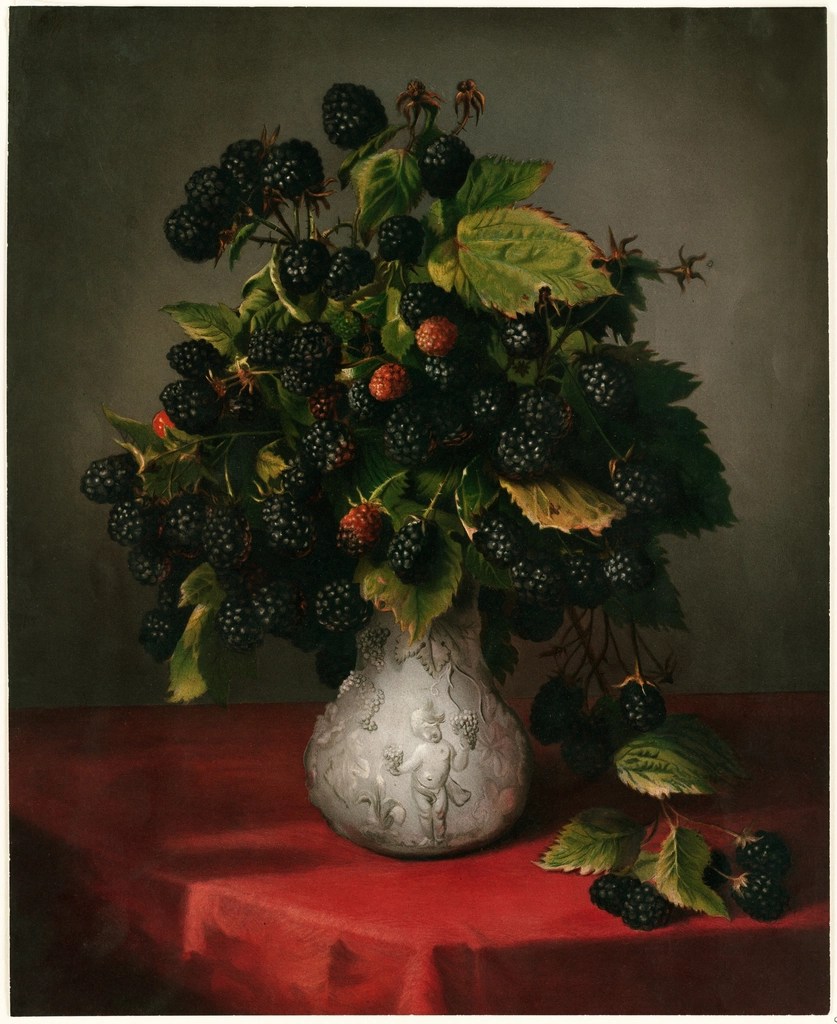
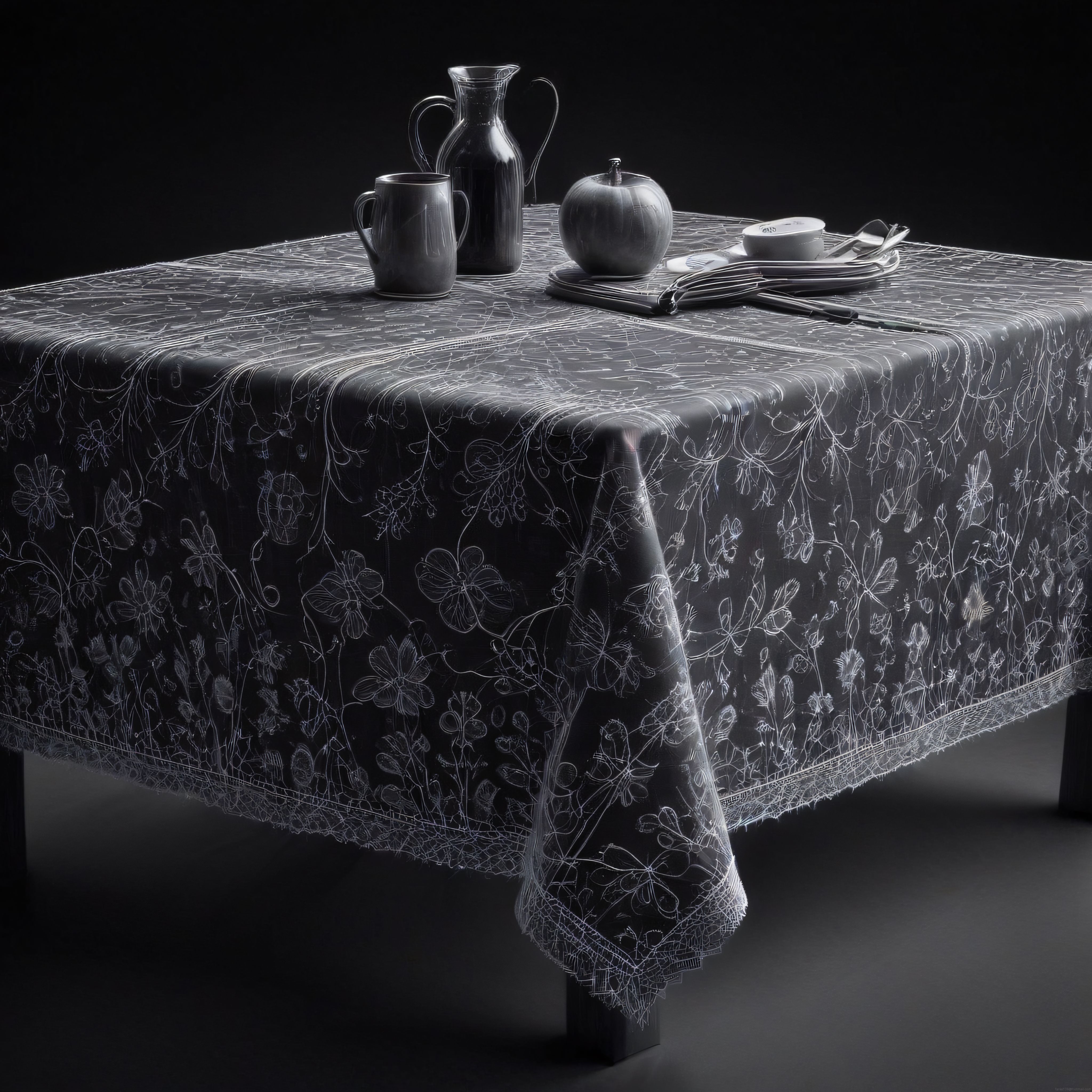
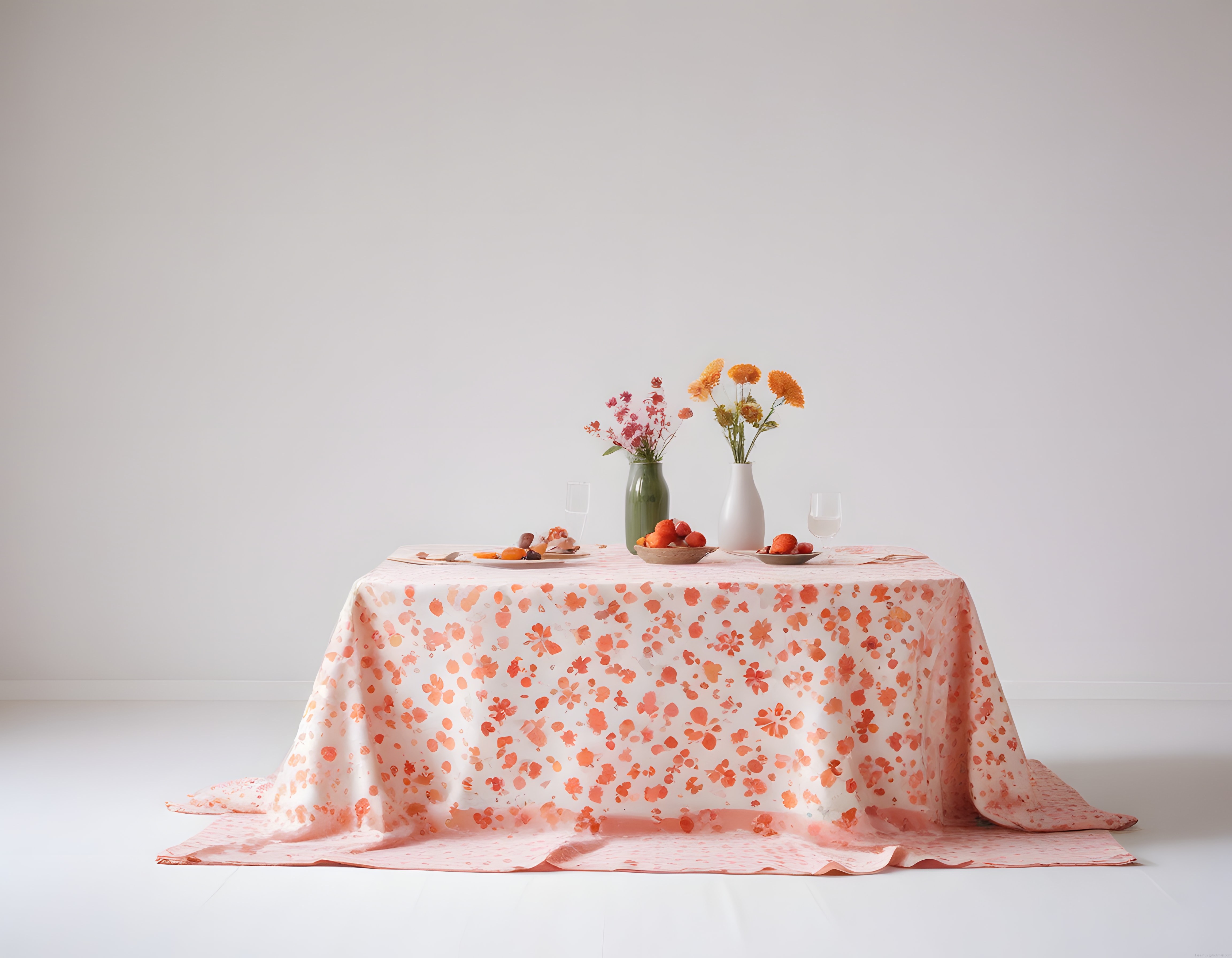
Çekim Tablosu
Belirtme (-i)masa örtüsünü
Yönelme (-e)masa örtüsüne
Bulunma (-de)masa örtüsünde
Çıkma (-den)masa örtüsünden
Tamlayan (-in)masa örtüsünün
Çoğul (-ler)masa örtüleri
Tanım
•Masa üzerine serilen kumaş vb maddeden yapılan örtü
•Masa üzerine serilen kumaş vb. maddeden yapılan örtü
Diğer Dillerde
AlmancaTischdecke, Tischtuch (dişil) /ˈtɪʃˌdɛkə/
tablecloth
çekim: çoğul Tischdecken · tamlayan Tischdecken
eş: Tafeltuch, Tischtuch
köken: From Tisch (“table”) + Decke (“covering”).
"Klingt wie das Werfen das Tischtuch zu", sagte Hall. — "Masa örtüsü hakkında atma gibi geliyor," dedi Hall.
eine karierte Tischdecke
Fransızcanappe (dişil) /nap/
tablecloth · layer (of gas, oil etc.); sheet (of water) · ribbon cable
çekim: çoğul nappes
köken: From Latin mappa.
aile: nappe phréatique
"On dirait jeter la nappe," a dit Hall. — "Masa örtüsü hakkında atma gibi geliyor," dedi Hall.
une nappe IDE
İspanyolcamantel (eril) /manˈtel/
tablecloth
çekim: çoğul manteles
köken: Borrowed from Ecclesiastical Latin mantēle, mantēlium. Doublet of mandil.
aile: levantar los manteles, manchamanteles, mantelería, mantelete, salvamanteles, tabla de manteles
"Suena como tirar el mantel sobre", dijo Hall. — "Masa örtüsü hakkında atma gibi geliyor," dedi Hall.
Te dejó sobre el mantel / Su adiós de papel
İtalyancatovaglia (dişil) /toˈvaʎ.ʎa/
tablecloth, cloth
çekim: çoğul tovaglie
köken: Probably from Old Occitan toalha, from Frankish *þwahilu. Cognate with Portuguese toalha (“towel”).
aile: tovagliolo, tovagliato, tovaglietta
"Suona come buttare la tovaglia su", ha detto Hall. — "Masa örtüsü hakkında atma gibi geliyor," dedi Hall.
Rusçaскатерть (dişil) /ˈskatʲɪrtʲ/
tablecloth (a cloth used to cover and protect a table, especially for a dining table)
çekim: çoğul ска́терти · tamlayan ска́терти
köken: Uncertain. Three hypotheses exist: # From Proto-Slavic *dъskatьrtь. By surface analysis, доска́ (doská, “board, plank”) + тере́ть (terétʹ, “to rub”). Compare with archaic ру́котерть (rúkotertʹ, “towel”) as рука́ (ruká, “hand, arm”) + тере́ть (terétʹ, “to rub”), Latin manutergium (“hand towel”) as manus (“hand”) + tergeō (“to rub, wipe, clean”) + -ium. # From Proto-Slavic *ska + Proto-Slavic…
aile: ска́терть-самобра́нка, Phrases, ска́тертью доро́га, ска́тертью доро́жка
"Похоже, бросая скатерти о", сказал Холл. — "Masa örtüsü hakkında atma gibi geliyor," dedi Hall.
Arapçaغِطَاء الْمَائِدَة, غِطَاء مَائِدَة
"يبدو وكأنه رمي قطعة قماش حول الطاولة" ، وقال هول. — "Masa örtüsü hakkında atma gibi geliyor," dedi Hall.
Azericedəstərxan, süfrə /syˈfræ/
tablecloth · laid table
çekim: çoğul süfrələr · tamlayan süfrənin
köken: From Arabic سُفْرَة (sufra).
aile: süfrə açmaq
süfrə başında oturmaq
Kazakçaдастарқан
tablecloth
çekim: çoğul дастарқандар · tamlayan дастарқанның
köken: From Persian دسترخوان (dastarxân). Cognate with Azerbaijani dəstərxan, Kyrgyz дасторкон (dastorkon), Tajik дасторхон (dastorxon), Uzbek dasturxon, etc.
Özbekçedasturxon
Tatarcaашъяулык
Felemenkçetafelkleed (nötr) /ˈtaː.fəlˌkleːt/
a tablecloth
çekim: çoğul tafelkleden
eş: tafellaken, ammelaken
köken: Compound of tafel (“table”) + kleed (“cloth, cover”).
"Klinkt als het gooien van het tafellaken over", zegt Hall. — "Masa örtüsü hakkında atma gibi geliyor," dedi Hall.
Portekizcetoalha de mesa (dişil)
tablecloth (a cloth used to cover a dining table)
çekim: çoğul toalhas de mesa
köken: Literally, “table towel”.
"Parece que jogar a toalha de mesa sobre", disse Hall. — "Masa örtüsü hakkında atma gibi geliyor," dedi Hall.
Yunancaτραπεζομάντηλο (nötr)
tablecloth
çekim: çoğul τραπεζομάντηλα · tamlayan τραπεζομάντηλου
köken: From Byzantine Greek τραπεζομάντηλο (trapezomántēlo), equivalent to τραπέζι (trapézi, “table”) + -ο- (-o-) + μαντήλι (mantíli, “handkerchief”).
"Ακούγεται σαν ρίχνουν στο τραπέζι-πανί περίπου", είπε ο Χολ. — "Masa örtüsü hakkında atma gibi geliyor," dedi Hall.
tablecloth
köken: Borrowed from English tablecloth.
ミセスホールは、バーの後ろに現れた。 — "Masa örtüsü hakkında atma gibi geliyor," dedi Hall.
Korece식탁보 /ɕʰik̚tʰa̠k̚p͈o̞/
tablecloth
köken: From 식탁(食卓) (siktak, “dinner table”) + 보(褓) (bo, “cloth”).
"에 대한 테이블 천으로를 던지는 것 같은데,"홀 고 말했다. — "Masa örtüsü hakkında atma gibi geliyor," dedi Hall.
İsveççebordsduk
tablecloth
çekim: çoğul bordsdukar · tamlayan bordsduks
köken: From bord + -s- + duk.
"Låter som att kasta duken om", sade Hall. — "Masa örtüsü hakkında atma gibi geliyor," dedi Hall.
Lehçeobrus (eril) /ˈɔ.brus/
tablecloth
çekim: çoğul obrusy · tamlayan obrusa
eş: reg. śl. łobrus, tisztuch
köken: Etymology tree Proto-Slavic *ob- Proto-Slavic *brusъ Proto-Slavic *obrusъ Polish obrus Inherited from Proto-Slavic *obrusъ.
aile: obrusowy
"Brzmi jak rzucanie obrus o", powiedział Hall. — "Masa örtüsü hakkında atma gibi geliyor," dedi Hall.
Ukraynacaобру́с, о́брус, ска́терка, скатерти́на, стільни́к
"Схоже, кидаючи скатертини о", сказав Хол. — "Masa örtüsü hakkında atma gibi geliyor," dedi Hall.
Hintçeटेबुल-क्लाथ, मेज़पोश (eril) /meːz.poːʃ/
tablecloth
çekim: çoğul मेज़पोशों
köken: Borrowed from Classical Persian میز (mēz, “table”) + پوشیدن (pōšīdan, “to cover”).
Fincepöytäliina /ˈpøy̯tæˌliːnɑ/
tablecloth
çekim: çoğul pöytäliinat · tamlayan pöytäliinan
köken: pöytä + liina
"Kuulostaa heittää pöytäliinan noin", sanoi Hall. — "Masa örtüsü hakkında atma gibi geliyor," dedi Hall.
Çekçeubrus (eril) /ˈubrus/
tablecloth
çekim: çoğul ubrusy · tamlayan ubrusu
köken: Inherited from Old Czech ubrus, from Proto-Slavic *obrusъ.
aile: ubrousek, ubrusec
"Zní to jako házet na ubrus," řekl Hall. — "Masa örtüsü hakkında atma gibi geliyor," dedi Hall.
Rumencefață de masă (dişil)
tablecloth
çekim: çoğul fețe de masă
"Suna ca aruncarea tabelul de-cârpă despre", a spus Hall. — "Masa örtüsü hakkında atma gibi geliyor," dedi Hall.
Macarcaabrosz, asztalterítő /ˈɒbros/
tablecloth (a cloth used to cover and protect a table)
çekim: çoğul abroszok
köken: Borrowed from a Slavic language, ultimately from Proto-Slavic *obrusъ (“tablecloth”). The “map” sense (sense 2) is a semantic loan from New Latin mappa (“map”). First attested after 1372.
aile: abroszos, abrosztalan, abroszú, földabrosz
"Úgy hangzik, mint vetve a terítő szó," mondta terem. — "Masa örtüsü hakkında atma gibi geliyor," dedi Hall.
[...] piros vére végifolyt a hófehér párnán, mint bor az abroszon.
İbraniceמַפָּה
"בדיוק כמו שאתה רוצה, אני מצטער שאני לא יכול יה חילוף מפה על מזרן, ו it'sa — "Sadece lütfen; üzgünüm cant bir yatak siz bir masa örtüsü yedek ve seferlik
Latincemēnsārium
Dancadug /duɡ/
tablecloth (a cloth used to cover and protect a table, especially for a dining table)
çekim: tamlayan dugs
köken: From Old Norse dǫgg (“dew”), from Proto-Germanic *dawwō, *dawwaz (“dew”), cognate with Swedish dagg, English dew, German Tau (“dew”), Dutch dauw.
aile: damaskdug, damaskesdug, dugedrejl, flagdug, kammerdug, lysedug, netteldug, olmerdug, ravndug, sejldug
Norveççebordduk, duk
Endonezcealas meja, seperah
tablecloth
çekim: çoğul seperah-seperah
köken: From Arabic سُفْرَة (sufra).
aile: menyeperah
"Kedengarannya seperti melempar meja-kain sekitar," kata Hall. — "Masa örtüsü hakkında atma gibi geliyor," dedi Hall.
Örnek Cümleler
Masa örtüsü dolapta.
The tablecloth is in the cabinet.
Maalesef masa örtüsüne kahve döktüm.
I'm afraid I spilled coffee on the tablecloth.
Bir dizi masa örtüsü ve peçete aldım.
I bought a set of table linen.
Dört tane yeni masa örtüsü satın aldım.
I bought four new tablecloths.
Masaya yeni aldığı masa örtüsünü serdi.
He put the new tablecloth he had just bought on the table.
Garson masaya beyaz bir masa örtüsü koydu.
The waitress put a white tablecloth on the table.
Tom yeni aldığı masa örtüsüyle masayı örttü.
Tom covered the table with the new tablecloth he'd just bought.
Tom satın aldığı yeni masa örtüsünü masaya koydu.
Tom put the new tablecloth he had just bought on the table.
"Masa örtüsü hakkında atma gibi geliyor," dedi Hall.
"Sounds like throwing the table-cloth about," said Hall.
Yuvarlak masanın üstünde kareli bir masa örtüsü seriliydi.
The round table was covered by a checkered tablecloth.
Tom otururken, masaya çarptı ve kahvesi masa örtüsüne döküldü.
As Tom sat down, he bumped the table and his coffee spilled onto the tablecloth.
"Öyle olsun," Mrs. Hall, masa örtüsü ve başından yayılmış dedi. tablosu.
"So be it," said Mrs. Hall, taking up the table-cloth and beginning to spread it over the table.