Sözlük
/elişi
elişi
TR → EN
↔ ters çevir"elişi" kelimesinin İngilizcesi: art. Anlamı, çevirisi, telaffuzu ve örnek cümleler aşağıdadır.
Çeviri
Genelart
Görsel
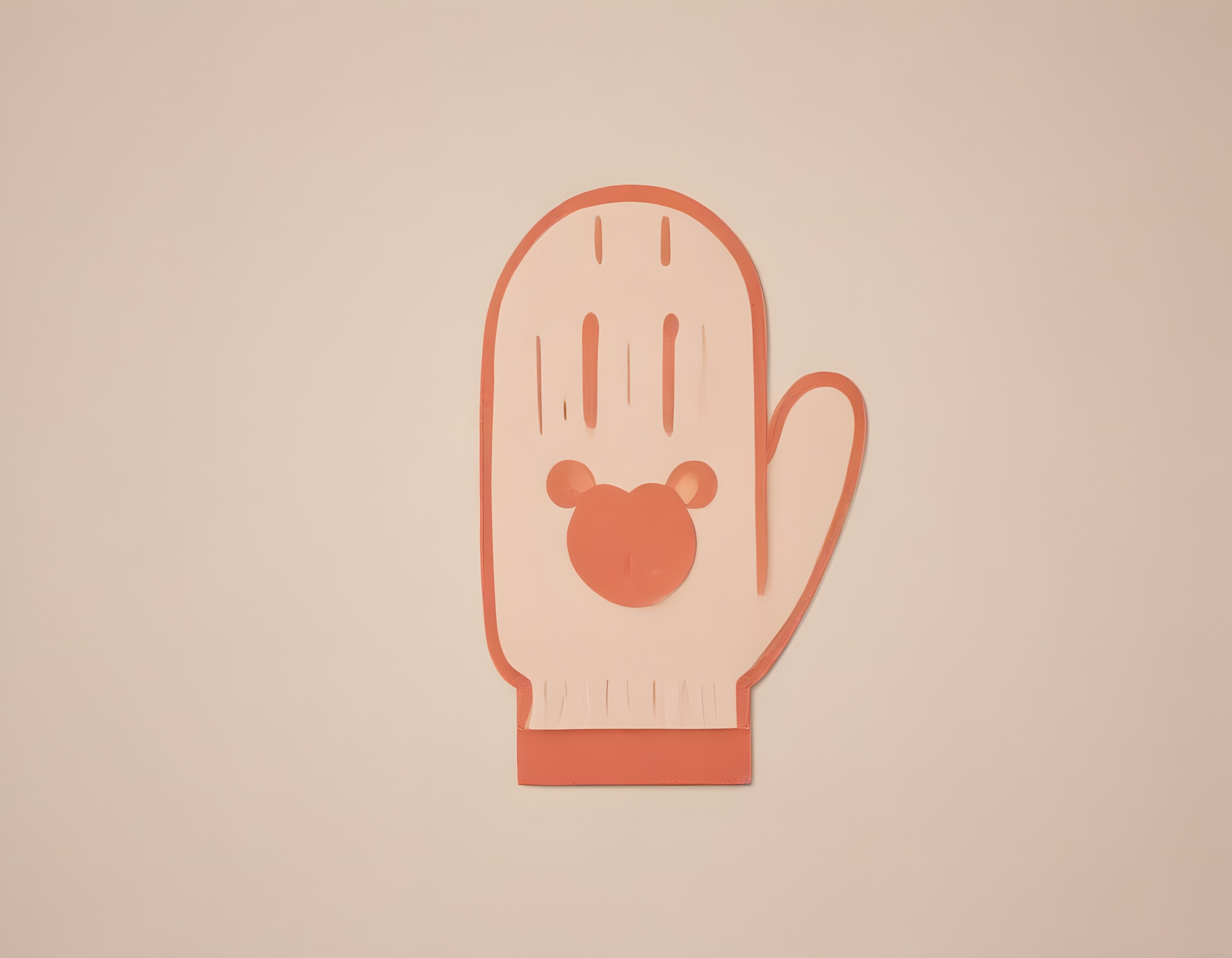
Tanım
•Makine kullanmadan el emeği ile yapılan iş
•Okullarda kâğıt, mukavva, tahta vb. ile yaptırılan çalışmalar
Atasözü & Deyim
“Perşembenin gelişi çarşambadan bellidir”
Diğer Dillerde
AlmancaKunst, Kunstwerk (dişil) /kʊnst/
artworks, works of art · craft · skill, ability
çekim: çoğul Künste · tamlayan Künste
köken: Etymology tree Proto-Indo-European *ǵneh₃-der. Proto-Germanic *kunstizder. Old High German kunst Middle High German kunst German Kunst From Middle High German and Old High German kunst (“knowledge”), first attested in c. 9th century; related to the verb können. Ultimately from Proto-Germanic *kunstiz (“knowledge, ability”), from Proto-Indo-European *ǵneh₃- (“to know”). Cognate with Dutch kunst,…
aile: kunstartig, künsteln, kunstförmig, Künstler, künstlerisch, künstlich, ABC-Kunst, Aktionskunst, Aktkunst, Amateurkunst
Alles entwickelt sich. — Olaylar gelişir.
Kunstgeschichte
bildende Kunst
die sieben freien Künste
Prénom masculin.
çekim: çoğul arts
köken: From Latin artem, accusative singular of ars.
aile: art abstrait, art brut, art de la guerre, art de vivre, Art déco, art figuratif, art martial, art pariétal, art plastique, beaux-arts
De source sûre. — Açık kaynak gelişimi.
İspanyolcaarte (eril) /ˈaɾte/
skill
çekim: çoğul artes
eş: virtuosismo, maestría, maña, astucia
köken: Borrowed from Latin artem (“practical skill”).
aile: arte abstracto, arte marcial, arte moderno, arte pobre, arte poética, arte pop, arte por el arte, artero, artes liberales, artimaña
Desarrollo del embrion. — Embriyonik gelişim
In genere i fiori sono precoci. — Çiçekler erken gelişir.
Дела улучшаются. — Olaylar gelişir.
genre · knack, trick, artifice · quarrel, ruffle, trouble
çekim: çoğul فُنُون · tamlayan فَنٍّ
köken: From Classical Persian پَنْد (pand, “knack, trick”). Semantic development resembles Ancient Greek τέχνη (tékhnē) and Latin ars.
aile: اِسْتَْفَنَّ, اِفْتَنَّ, تَفَنَّنَ, فَنَن, فَنَّ, فَنَّنَ, فَنّاء, فَنْوَاء, فَنّان, فَيْنَان
مبادرة المصدر المفتوح. — Açık kaynak gelişimi.
اَلْغَزَلُ فَنٌّ مِنْ فُنُونِ الشِّعْرِ
لَأَجْعَلَنْ لِإْبْنَةِ عَمْرٍو فَنَّا … حَتَّى يَكُونَ مَهْرُهَا دُهْدُنَّا
يا حبّذا نظرة تعود بها أفنان عيشي بعد التوى نضره
çekim: çoğul incəsənətlər · tamlayan incəsənətin
köken: From incə + sənət.
aile: təsviri incəsənət
Kazakçaкөркемөнер, өнер
çekim: çoğul sanʼatlar · tamlayan sanʼatning
köken: Etymology tree Arabic صَنْعَة (ṣanʕa)bor. Classical Persian صَنْعَت (san'at)bor. Chagatai صنعت (ṣnʿt) Uzbek sanʼat Inherited from Chagatai صنعت (san'at). Cognate with Uyghur سەنئەت (sen'et).
Tatarcaсәнгать
Felemenkçekunst, kunstwerk (dişil) /kʏnst/
prowess, ability
çekim: çoğul kunsten
eş: bekwaamheid, vaardigheid
köken: From Middle Dutch cunst, const, cunste, conste (“skill, ability, knowledge, craft”), from Old Dutch *kunst (“knowledge, know-how, skill”), from Proto-Germanic *kunstiz (“knowledge, ability”), from Proto-Indo-European *ǵneh₃- (“to know”), equivalent to kunnen + -st. Cognate with Old Saxon kunst (“skill, wisdom”), Old High German kunst (“knowledge, wisdom, skill”), Old Frisian kunst, konst, kenst…
aile: beeldende kunst, beeldhouwkunst, boekdrukkunst, bouwkunst, cijferkunst, dichtkunst, filmkunst, gekunsteld, kleinkunst, knipkunst
Langere levensduur. — Yaşam boyu gelişim.
Portekizcehumana, obra de arte (dişil) /uˈmɐ̃.nɐ/
feminine singular of humano
çekim: çoğul humanas
Crescem durante toda a vida. — Yaşam boyu gelişim.
Yunancaεπιτηδειότητα, τέχνη (dişil)
skilfulness
çekim: çoğul επιτηδειότητες · tamlayan επιτηδειότητας
zıt: ανεπιτηδειότητα
köken: επιτήδειος (epitídeios, “skillful”) + -ότητα (-ótita, “-ness”).
Τα Γαλλικά σου βελτιώνονται. — Fransızcan gelişiyor.
visual art
köken: Sino-Korean word from 美術 (“art”).
aile: 미술사(美術史), 미술품(美術品)
İsveççekonst, konstverk /kɔnːst/
an art (a liberal art, to make artworks) · an art, a science, a trick, knowledge (something to learn and know) · an art, an invention, an engine, a machinery, a pump (something artificial)
çekim: çoğul konster · tamlayan konsts
köken: From Old Swedish konst, from Middle Low German kunst, from the verb kunnen (“to know”), from Old Saxon kunnan.
aile: berättarkonst, bildhuggarkonst, bildkonst, brukskonst, byggnadskonst, diktkonst, filmkonst, fotokonst, gatukonst, kokkonst
Blomningen är tidig. — Çiçekler erken gelişir.
Livet är kort, men konsten är evig.
konsten att flyga
Till detta ändamål använder man vanligtvis konster eller pumpverk, medelst hvilka vattnet pumpas upp ...
Lehçedzieło sztuki, sztuka (nötr) /ˈd͡ʑɛ.wɔ ˈʂtu.ki/
work of art, artwork, objet d'art (product of the fine arts; a painting, sculpture, etc.) · work of art (anything beautiful, exquisite, or finely crafted)
çekim: çoğul dzieła sztuki · tamlayan dzieła sztuki
köken: Literally, “work of art”.
Rośliny wcześnie kwitnące. — Çiçekler erken gelişir.
Ukraynacaмисте́цтво
Нехай земля буде пухом! — Pardon toprağı laf gelişi!
çekim: çoğul कलाएँ
köken: Learned borrowing from Sanskrit कला (kalā).
Fincekuvaamataito, kuvataide, taide, taideteos, taito /ˈkuʋɑːmɑˌtɑi̯to/
art (school subject)
çekim: çoğul kuvaamataidot · tamlayan kuvaamataidon
köken: kuvaama- (third infinitive stem) + taito
aile: kuvaamataidonopettaja
Kehitys kehittyy. — Olaylar gelişir.
Çekçeumění (nötr) /ˈumɲɛɲiː/
verbal noun of umět
çekim: çoğul uměním
eş: kumšt, um
köken: From umět + -ení.
Vývoj nepřímý. — Gelişimleri indirekttir.
výtvarné umění
Rumenceartă, lucrare de artă, operă de artă (dişil) /ˈar.tə/
çekim: çoğul arte · tamlayan arte
köken: Borrowed from Latin ars, artis.
Vocea întunericului! 36. — 16.Bölüm Karanlık Gelişim!
Macarcaművészet /ˈmyːveːsɛt/
art (the conscious production or arrangement of sounds, colours, forms, movements, or other elements in a manner that affects the senses and emotions) · trade, craft, art (learned skill)
çekim: çoğul művészetek
köken: From művész (“artist”) + -et (noun-forming suffix), the former from the műv- stem of the noun mű (“work of art”) + -ész (noun-forming suffix to denote an occupation); equivalent to mű(v) + -észet (noun-forming suffix to form a collective noun).
aile: művészeti, művészetű, művészetbarát, művészetellenes, művészetelmélet, művészetfilozófia, művészetkedvelő, művészetpártoló, művészetpolitika, művészetszemlélet
A szellem fejlődéstörvénye. — Annelik duygusu gelişir.
hét szabad művészet
İbraniceאָמָּנוּת, אׇמָּנוּת
Latincears /ˈars/
art, skill, craft, handicraft · trade, occupation, employment · cunning, artifice, fraud, stratagem
çekim: çoğul artēs · tamlayan artis
köken: From Proto-Italic *artis, from Proto-Indo-European *h₂r̥tís (“fitting”), from the root *h₂er- (“to join”). Cognates include Avestan 𐬆𐬭𐬆𐬙𐬀 (ər^əta, “truth, right”), which in turn descends from Proto-Indo-Iranian *Hr̥tás, and Ancient Greek ἄρτι (árti, “just, exactly”). Related to arma.
aile: ars gratia artis, artista, artifex, iners, sollers
Omnis ars nātūrae imitātiō est.
Dancakunstværk
piece of art, work of art, artwork
çekim: çoğul kunstværker · tamlayan kunstværks
köken: kunst + værk
Bagtåen er veludviklet. — Defansı iyice gelişiyordu.
Eş & Zıt Anlamlılar
Eş anlamlılar
Örnek Cümleler
O gelişiyor.
He's progressing.
İş gelişiyor.
Business is looking up.
Tom gelişiyor.
Tom is improving.
İşler gelişiyor.
Things are improving.
Durum gelişiyor.
The situation is improving.
Bu, lafın gelişi.
It's a figure of speech.
Ekonomi gelişiyor.
The economy is picking up.
Sözün gelişi, evet.
In a manner of speaking, yes.
Buraya ilk gelişim.
It's my first time here.
Gelişim göstermedik.
We haven't progressed.
Fransızcan gelişiyor.
Your French is improving.
İş dünyası gelişiyor.
Business is improving.