buğday
noun
C1 seviye
TR → EN
"buğday" kelimesinin İngilizcesi: wheat, wheat, wheat, wheat. Anlamı, çevirisi, telaffuzu ve örnek cümleler aşağıdadır.
Çeviri
Genelwheatnoun
Genelwheat
Genelwheat
Genelwheat
Görsel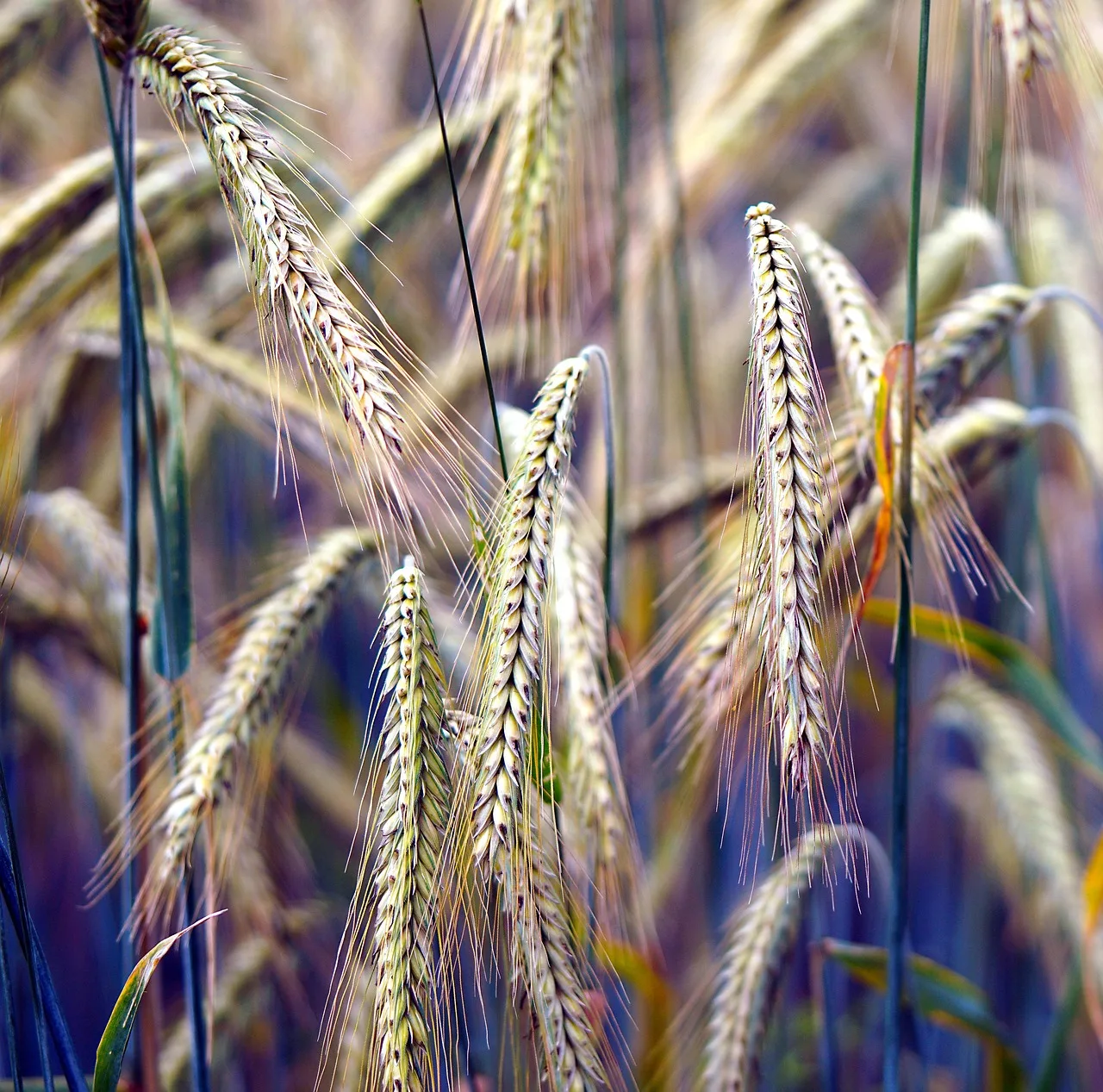
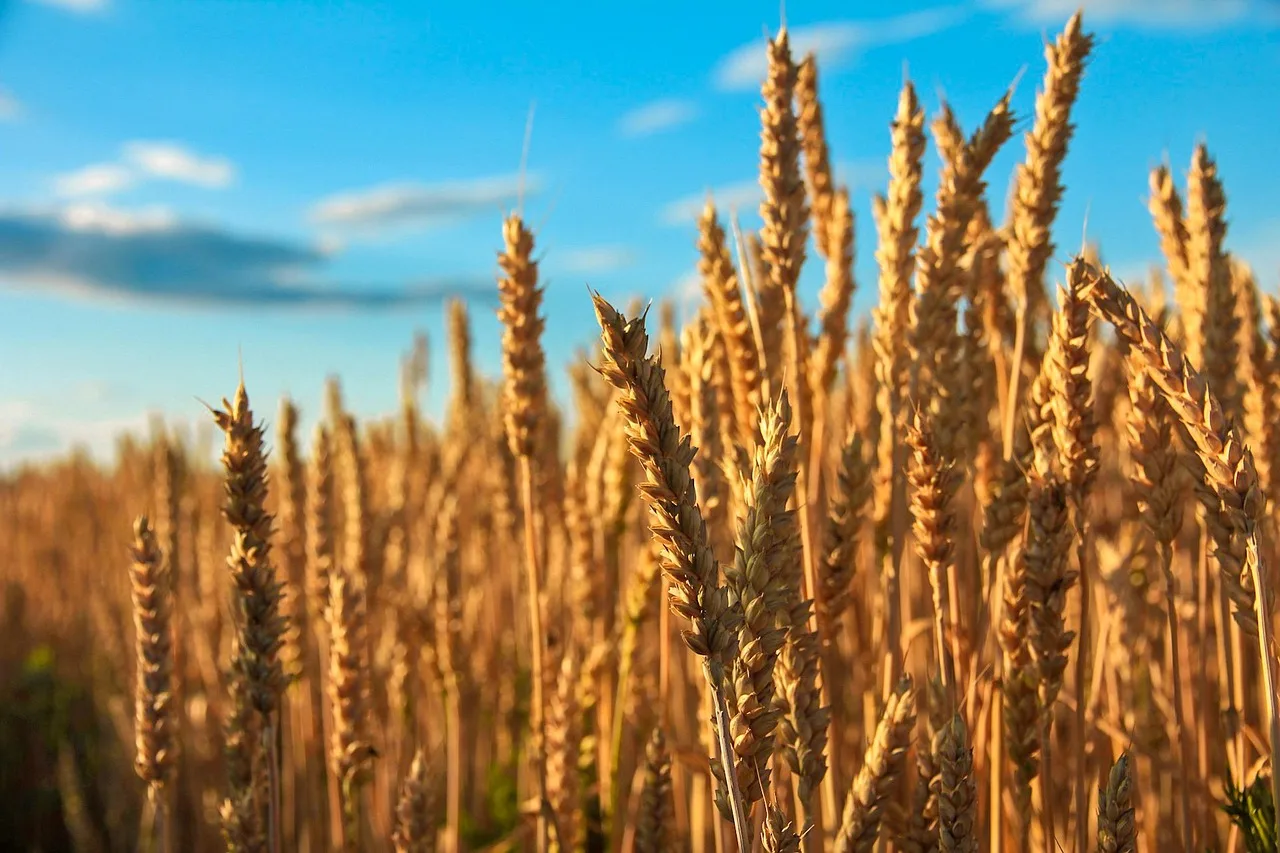
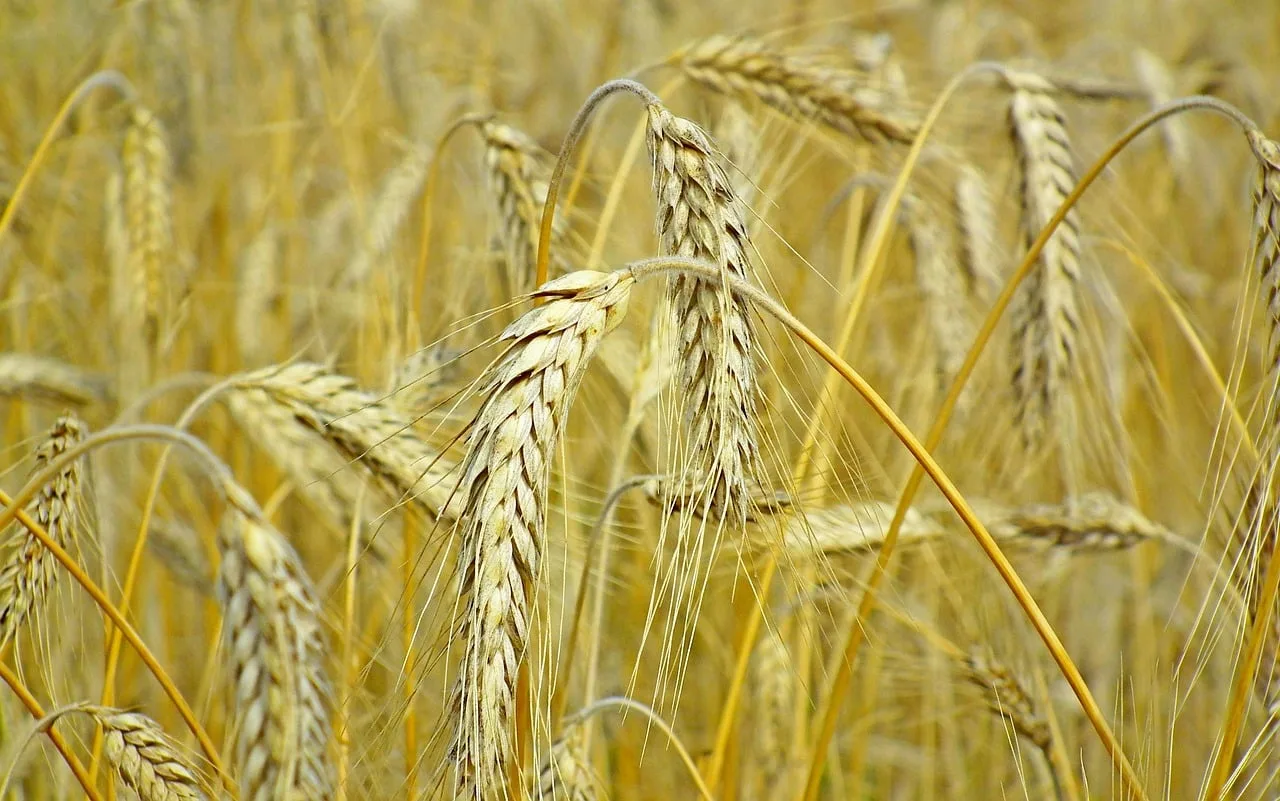
Çekim Tablosu
Belirtme (-i)buğdayı
Yönelme (-e)buğdaya
Bulunma (-de)buğdayda
Çıkma (-den)buğdaydan
Tamlayan (-in)buğdayın
Çoğul (-ler)buğdaylar
Tanım
•buğdaygillerin, ekmek yapımında taneleri öğütülüp kullanılan örnek bitki
•Hem erkek adı hem de kız adı. erkek veya kız ad
•Mardin ili Merkez ilçesine bağlı köy
•Bu bitkinin başaktan ayrılıp öğütülmesiyle elde edilen tanesi
•Buğdaygillerin örnek bitkisi
Atasözü & Deyim
“Arpa eken buğday biçmez”
“Buğday başak verince orak pahaya çıkar”
“şeytanla ortak buğday eken samanını alır”
“Aç tavuk kendini arpa (buğday) ambarında sanır”
Diğer Dillerde
Almancaweizen /ˈvaɪ̯tsən/
wheat
çekim: tamlayan Weizens
köken: From Middle High German weize, weizze, weitze, from Old High German weizi, weizzi. The originally predominant High German form was Weiße(n) (perhaps still in Weißbier; see there). The form with [ts] was a chiefly southern variant, which was standardised probably to avoid the homophony with the adjective weiß. Cognate with Luxembourgish Weess, Hunsrik Weize, Dutch weit, Low German Weten, West…
aile: Brotweizen, Futterweizen, Hartweizen, Saatweizen, Sommerweizen, Weizenähre, Weizenbier, Weizenbrot, Weizenernte, Weizenfeld
Weizen 1color — buğday 1color
wheat, corn · dough, cash
çekim: çoğul blés
köken: Inherited from Middle French blé, from Old French blet, from Early Medieval Latin blādum, from Frankish *blād (“field produce”), from Proto-Germanic *blēduz (“flower, leaf”), from Proto-Indo-European *bʰleh₃- (“to bloom, blossom”). Cognate with Old English blǣd (“produce, blossom, fruit”), Old High German blāt (“blossoming, labour pains”).
aile: blé noir, blé d'Inde, caille des blés, fauché comme les blés, rat de blé
blé 1color — buğday 1color
İspanyolcatrigo, trigueño (eril) /ˈtɾiɡo/
wheat
çekim: çoğul trigos
köken: Inherited from Latin trīticum. Related to English triticale.
aile: trigo de invierno, trigo de marzo, trigo de Polonia, trigo de vaca, trigo del diablo, trigo del milagro, trigo limpio, trigo sarraceno, trigueño, triguero
trigo 2color — buğday 2color
grain (especially wheat)
çekim: çoğul frumenti
eş: grano, tritico
köken: Inherited from Latin frumentum, from fruor (“to enjoy”).
aile: frumentone
grano 1color — buğday 1color
Rusçaадъектив. пшеничный, пшеница (dişil) /pʂɨˈnʲit͡sə/
wheat
çekim: çoğul пшени́цы · tamlayan пшени́цы
eş: пшено
köken: Inherited from Old East Slavic пьшеница (pĭšenica), from Proto-Slavic *pьšenica. Ultimately from Proto-Indo-European *peys-, whence also пиха́ть (pixátʹ). Compare typologically Latin trīticum (< trītus, p.p.p of terō), Latin secāle (<? Proto-Indo-European *sek-).
Пшеничный 1color — buğday 1color
Arapçaبُرّ, حِنْطَة, قَمْح
قمحي 4color — buğday 4color
Farsçaگندم, گندمی /ɡan.ˈdum/
wheat
köken: From Middle Persian 𐫃𐫗𐫇𐫖 (gnwm /gannum/), (in book Pahlavi 𐭤𐭢 (Hᵍ /gan(d)um/)) from Proto-Iranian, from Proto-Indo-Iranian. Compare Parthian 𐫃𐫗𐫅𐫇𐫖 (gndwm /gandum/), Sogdian 𐼲𐼻𐽂𐼺 (γntm /γandam/), Northern Luri گںنم (gənem), Northern Kurdish genim, Pashto غنم (ǧanëm), Talysh گندم (qandım), Avestan 𐬔𐬀𐬧𐬙𐬎𐬨𐬀 (gaṇtuma), 𐬔𐬀𐬥𐬙𐬎𐬨𐬀 (gantuma), Sanskrit गोधूम (godhūma).
aile: گندمبا, گندمه
Azericebuğda /buɣˈdɑ/
wheat
çekim: çoğul buğdalar · tamlayan buğdanın
köken: From Proto-Turkic *boguday. Cognate with Turkish buğday, Bashkir бойҙай (boyźay), Kazakh бидай (bidai), Kyrgyz буудай (buuday), Southern Altai буудай (buuday), Turkmen bugdaý, Uzbek bugʻdoy, Chuvash пӑри (pări, “farro”).
Kazakçaбидай /bɘjˈdɑj/
wheat, Triticum · lining (a layer of different material covering the inside surface of something)
çekim: çoğul бидайлар · tamlayan бидайдың
köken: Inherited from Proto-Turkic *boguday.
aile: бидайлы, бидайлық
бидай ұны
Özbekçebug'doy
Tatarcaбодай
Felemenkçetarwe (eril) /ˈtɑr.ʋə/
wheat (Triticum spp.)
çekim: çoğul tarwes
köken: From Middle Dutch tarwe, from Old Dutch *tarwa, from Proto-West Germanic *taru, from Proto-Germanic *tarwō, from Proto-Indo-European *der(H)- (“to tear, crack”). Cognate with Limburgish terve, West Flemish terwe, Zealandic tèrve, Old Saxon tarwa, Middle Low German tarwe, German Low German Tarwe, Old English *taru. More distantly related to Slovene trava ("grass"), Lithuanian dirvà (“field”),…
aile: biestarwe, tarwebouw, tarwecultuur, tarwegewas, tarwegraan, tarwehalm, tarwehandel, tarwekiem, tarweoogst, tarweplant
tarwegeel2color — buğday 2color
Portekizceatrigado /a.tɾiˈɡa.du/
wheaten (of a pale yellow-beige colour, like that of wheat)
köken: From a- + trigo + -ado.
Trigo 1color — buğday 1color
Yunancaσιτάρι (nötr)
wheat (plant and grain)
çekim: çoğul σιτάρια · tamlayan σιταριού
köken: Inherited from Byzantine Greek σιτάρι (sitári), from Ancient Greek σιτάριον (sitárion, “wheat”).
σιτάρι 4color — buğday 4color
Japonca小麦。
小麦色 3color — buğday 3color
İsveççevete (nötr) /²veːtɛ/
wheat
çekim: tamlayan vetes
köken: From Old Norse hveiti, from Proto-Germanic *hwaitijaz, from *hwītaz (“white”).
aile: vetemjöl, vetekli
vete 4color — buğday 4color
Lehçekolor pszenicy, pszenica, pszenny (dişil) /pʂɛˈɲi.t͡sa/
wheat
çekim: tamlayan pszenicy
köken: Inherited from Proto-Slavic *pьšenica, from *pьšenò.
aile: pszeniczny
wheat4color — buğday 4color
Ukraynacaпшени́ця
пшеничний3color — buğday 3color
Hintçeगेहूँ (eril) /ɡeː.ɦũː/
wheat
çekim: çoğul गेहुओं
köken: Inherited from Sauraseni Prakrit 𑀕𑁄𑀳𑀽𑀫 (gohūma), from Sanskrit गोधूम (godhū́ma, “wheat”). Doublet of गोधूम (godhūm) and गंदुम (gandum), a tatsama and a Persian borrowing.
Fincevehnä, vehnänkeltainen /ˈʋehnæ/
wheat (plant or grain) · wheat (Triticum aestivum) · wheat (any plant in the genus Triticum)
çekim: çoğul vehnät · tamlayan vehnän
köken: From Proto-Finnic *vehnä (compare Ingrian vehnä), from Proto-Finno-Permic *wešnä (“spelt, wheat”) (compare Erzya виш (viš, “spelt”)). Introduced from the eastern dialects into the standard language in the 19th century to replace the Western Finnish word nisu.
aile: Vehniäinen, vehnäinen, vehnänen, alkuvehnä, bulgurvehnä, durumvehnä, elovehnä, emmervehnä, juolavehnä, kevätvehnä
vehnä 4color — buğday 4color
Vehnä on maailman tärkeimpiä viljelykasveja.
Çekçepšenice, pšeničná (dişil) /ˈpʃɛɲɪt͡sɛ/
wheat (any member of the genus Triticum)
çekim: çoğul pšenic · tamlayan pšenic
eş: žito
köken: Inherited from Old Czech pšenicě, from Proto-Slavic *pьšenica.
aile: pšenička, pšeničný
Pšeničná1color — buğday 1color
Macarcabúza /ˈbuːzɒ/
wheat (Triticum)
çekim: çoğul búzák
köken: Borrowed from a Turkic language before the times of the Hungarian conquest of the Carpathian Basin (at the turn of the 9th and 10th centuries). Cognate with Turkish buğday (“wheat”), Bashkir бойҙай (boyźay, “wheat”), Chuvash пӑри (pări, “farro”) and Kalmyk байр (bayr, “wheat”); all ultimately from Proto-Turkic *boguday.
aile: búzás, búzadara, búzaföld, búzakalász, búzakenyér, búzakorpa, búzaliszt, búzamag, búzamező, búzaszalma
búzasárga 3color — buğday 3color
İbraniceחִיטָּה
חיטה 4color — buğday 4color
Latincetrīticum
Dancahvede (nötr) /ˈveːðə/
wheat · a kind of plain wheat-based cardamom biscuit customarily eaten on the evening before Store Bededag
çekim: çoğul hveder · tamlayan hvedes
köken: From Old Danish hwætæ, from Old Norse hveiti, from Proto-Germanic *hwaitijaz.
hvede4color — buğday 4color
Norveççehvete
I Norge vokser arten trollhegg. — Örneğin buğday tropik iklimde yetişmez.
Endonezcegandum /ˈɡan.dʊm/
wheat
çekim: çoğul gandum-gandum
köken: From earlier gandoem, from Malay gandum, from Classical Malay gandum (“wheat”), from Classical Persian گَنْدُم (gandum), from Middle Persian 𐫃𐫗𐫇𐫖 (gnwm /gannum/, “wheat”), (in book Pahlavi 𐭤𐭢 (Hᵍ /gan(d)um/)), from Proto-Iranian, from possibly Semitic (compare Proto-Semitic *ḥnṭ).
aile: tepung gandum
Padang KedamaianName — Buğday TarlasıName
Etimoloji
Osmanlı Türkçesi بوغدای (“buğday”), Proto Türkçe *boguday.
Kelime Ailesi
buğday günü
buğday yığını
buğdayla
buğdaylı
Triticum
buğday unu
buğdayca
buğdaycı
buğdaycık
buğdayken
buğdaysa
buğdaysız
Eş & Zıt Anlamlılar
Eş anlamlılar
Örnek Cümlelerbuğday ile daha fazla örnek cümle →
buğday 1color
wheat1
buğday 2color
wheat2
buğday 3color
wheat3
buğday 4color
wheat4
Buğday TarlasıName
Fields of Peace
Bu alan buğday dolu.
This field is full of wheat.
Buğday olgunlaşacak.
The wheat will be ripe.
Un buğdaydan yapılır.
Flour is made from wheat.
Buğday sıkıntısı var.
There's a wheat shortage.
Buğday hasat ediyorum.
I am harvesting wheat.
Tom buğday harmanlıyor.
Tom is threshing wheat.
O buğday harman ediyor.
She is threshing wheat.
İlgili Sorular
İlgili / Bileşik Terimler
Genelwheaten
Genelwheaten
Genelwheat weevil
Genelangoumois moth
Bilimblack rust
Bilimred rust
Bilimstem rust
Genelwheat beer