Sözlük
/sincap
sincap
/sinˈd͡ʒap/
noun
C1 seviye
TR → EN
"sincap" kelimesinin İngilizcesi: squirrel. Anlamı, çevirisi, telaffuzu ve örnek cümleler aşağıdadır.
Çeviri
Genelsquirrel
Görsel
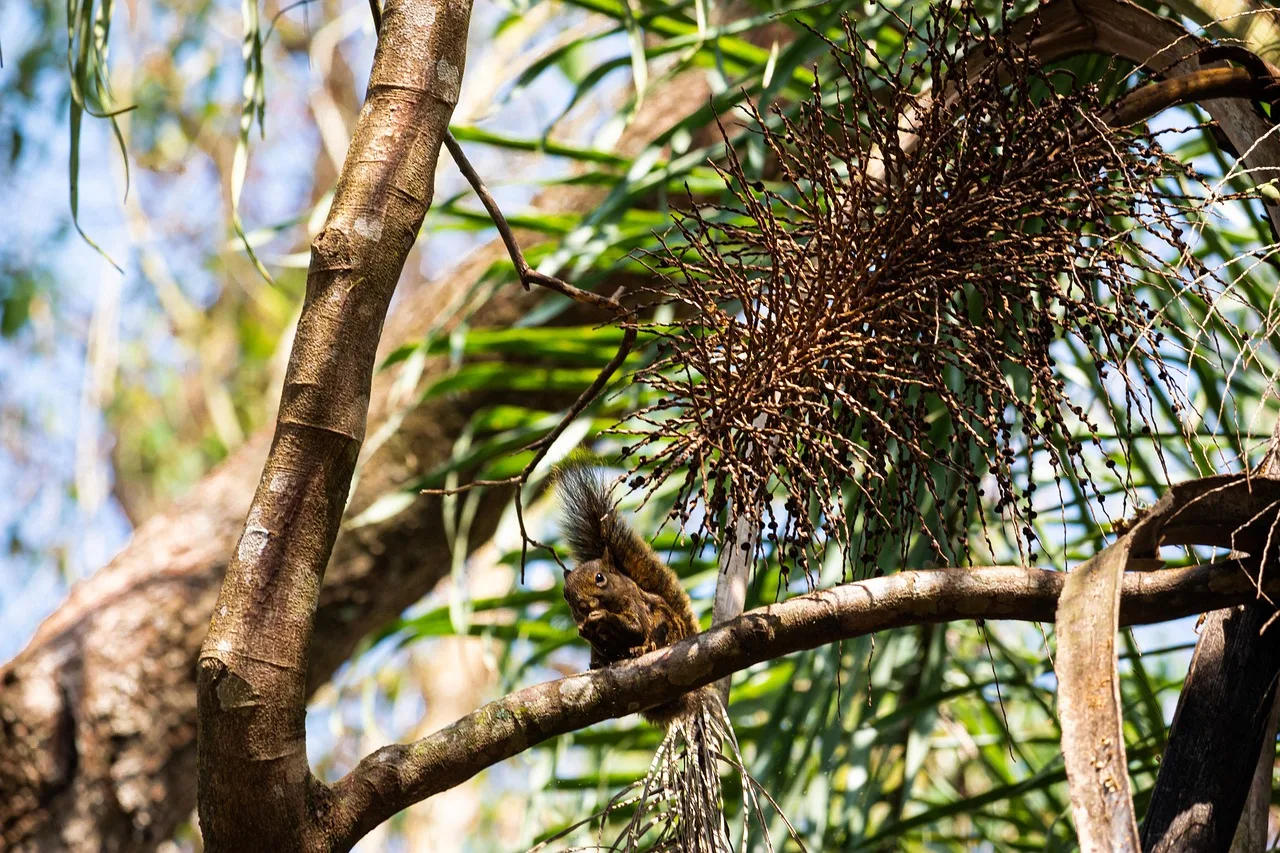
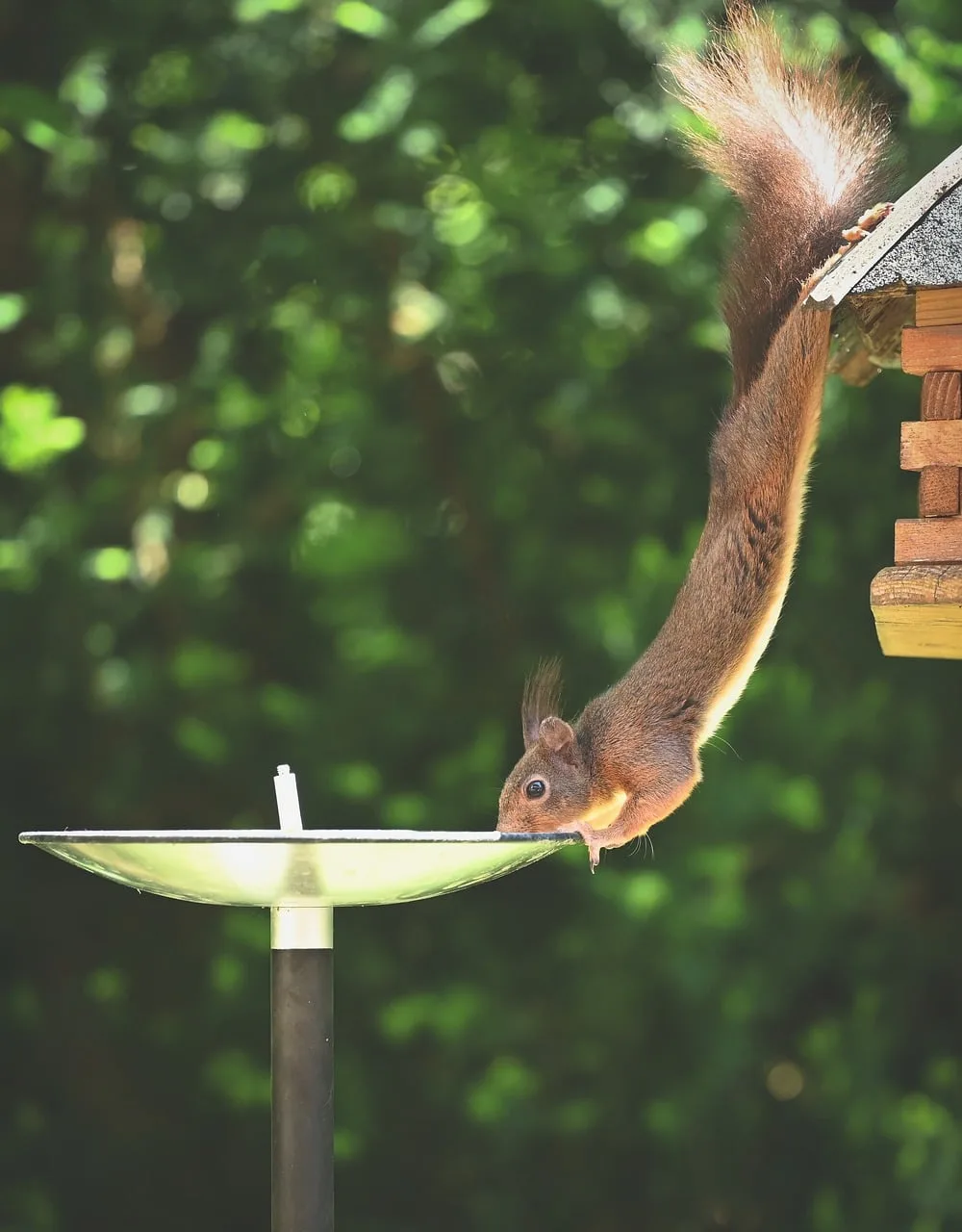
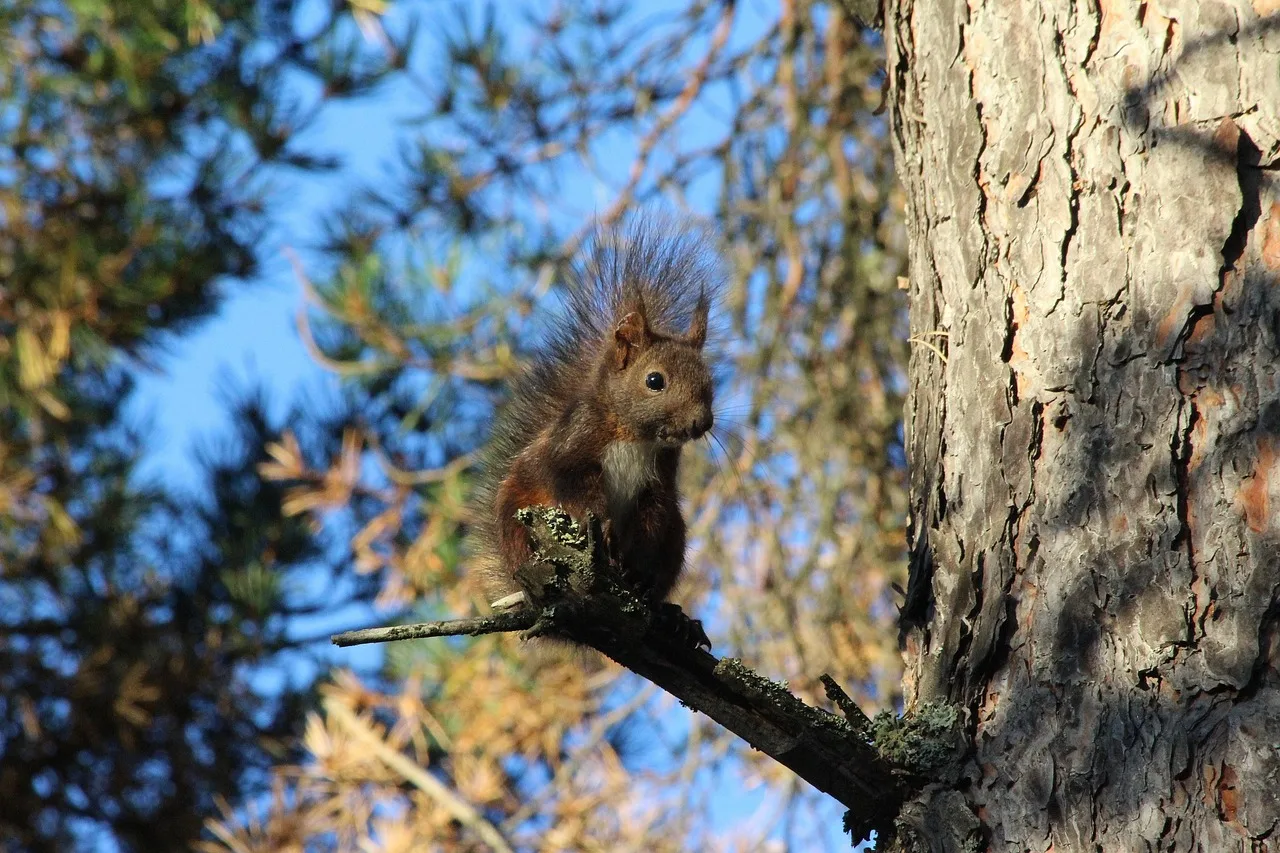
Çekim Tablosu
Belirtme (-i)sincabı
Yönelme (-e)sincaba
Bulunma (-de)sincapta
Çıkma (-den)sincaptan
Tamlayan (-in)sincabın
Çoğul (-ler)sincaplar
Tanım
•isim, hayvan bilimi: Sincapgillerden, ağaçlarda yaşayan, genellikle meyveyle beslenen, çok tüylü, uzun kuyruklu, ince gövdeli bir hayvan; değin (II), çekelez (Sciurus vulgaris)
Diğer Dillerde
Almancaeichhörnchen, streifenhörnchen (nötr) /ˈaɪ̯çˌhœʁnçən/
squirrel (in the narrow sense, Sciurus vulgaris)
çekim: tamlayan Eichhörnchens
eş: Eichkater, Eichkätzchen, Eichkatzerl
köken: From Eichhorn (“squirrel”) + -chen (“diminutive suffix”), folk etymology based on Eiche and Horn, but actually from Middle High German eichurne, from Old High German eihhorno, from Proto-West Germanic *aikwernō. Cognate with Dutch eekhoorn, eekhoorntje, West Frisian iikhoarntsje, Middle English aquerne, Danish egern, Norwegian Bokmål ekorn, Swedish ekorre, Icelandic íkorni. Possibly related to…
Eichhörnchen fressen Haselnüsse. — Sincaplar fındık yer.
Das Geheimnis des blauen Eichhörnchens
Fransızcaécureuil, Écureuil (eril) /e.ky.ʁœj/
squirrel
çekim: çoğul écureuils
eş: fouquet
köken: Inherited from Middle French escureul, escuirel, escurel, from Old French escurel from Late Latin *scūriolus, diminutive of *scūrius, variant of Classical Latin sciūrus, from Ancient Greek σκίουρος (skíouros).
aile: écureuil d'Eurasie, écureuil gris, écureuil occidental, écureuil roux
Singe-écureuil. — Sincap da yer.
İspanyolcaardilla (dişil) /aɾˈdiʝa/
squirrel
çekim: çoğul ardillas
eş: esguila, esquilo, esquirol, petigrís, cuaño
köken: Etymology tree Paleo-Hispanicbor.? Old Spanish (h)arda Early Modern Spanish (h)arda Proto-Indo-European *-lós Proto-Indo-European *-elós Proto-Italic *-elos Latin -lus Latin -ellus Latin -ella Old Spanish -iella Early Modern Spanish -illa Early Modern Spanish (h)ardilla Spanish ardilla Inherited from Early Modern Spanish (h)ardilla, from (h)arda (“squirrel”) + -illa (diminutive suffix).
aile: ardilla de Corea, ardilla listada, mono ardilla
Sitio dedicado a Esquilo. — Sincap da yer.
İtalyancascoiattolo (eril) /skoˈjat.to.lo/
squirrel
çekim: çoğul scoiattoli
köken: Diminutive (see -olo) of earlier scoiatto, from scoriatto, from Vulgar Latin *scuriatus, from scurius, variant of Latin sciūrus.
È uno scudo ovale. — Bir tekno sincapdır.
Rusçaзоол. белка (лат. Sciurus)
Это была белка? — O bir sincap mıydı?
Arapçaسِنْجَاب
بعدها رآى سنجابا يجري على السلك، — Ve kablo boyunca koşturan bir sincap gördü,
Farsçaسنجاب, وروره /san.ˈd͡ʒaːb/
squirrel · gray squirrel, Sciurus anomalus · fur of the gray squirrel
çekim: çoğul سنجابها
eş: وروره
köken: From Middle Persian [Book Pahlavi needed] (snc'p /sanjâb/), perhaps from the same root as سمور (samur, “sable, Martes zibellina”). Cognate with Southern Kurdish سنجاو (sincaw).
Azericesincab /sinˈd͡ʒɑb/
squirrel
çekim: çoğul sincablar · tamlayan sincabın
köken: From Persian سنجاب (sanjâb).
Kazakçaтиін
squirrel
çekim: çoğul тиіндер · tamlayan тиіннің
köken: From Proto-Turkic *tegiŋ. Cognate with Old Turkic 𐱅𐰘𐰃𐰭 (teyiŋ) ("squirrel"), Kyrgyz тыйын (tıyın, “kopek, coin, squirrel”) Uyghur تىيىن (tiyin, “squirrel, kopeck”), Turkish değin, Khakas тиин (tiin), Yakut тииҥ (tiiŋ), etc.
Özbekçeolmaxon
squirrel
çekim: çoğul olmaxonlar · tamlayan olmaxonning
köken: From olma (“apple”) + xon (“khan”).
Felemenkçeeekhoorn (eril) /ˈeːkˌɦoːr(ə)n/
squirrel · red squirrel (Sciurus vulgaris)
çekim: çoğul eekhoorns
köken: From Middle Dutch ecorn, eencoren, from Old Dutch *ēkorno, from Proto-West Germanic *aikwernō, from Proto-Germanic *aikwernô.
aile: aardeekhoorn, boomeekhoorn, eekhoornmarmot, eekhoorntjesbrood, grondeekhoorn, reuzeneekhoorn, wangzakeekhoorn
Het is een speurhond. — Patsy: Bir izci sincaptır.
Portekizceesquilo (eril) /isˈki.lu/
squirrel (any of the rodents of the family Sciuridae distinguished by their large bushy tail)
çekim: çoğul esquilos
eş: acutipuru, caitité, caticoco, caxinganga, pompom de rola, caxinguelê
köken: From Vulgar Latin *scuriolus, diminutive of scurius, variant of Latin sciurus.
Existe também o Esquilo. — Sincap da yer.
O esquilo trepou à árvore.
Yunancaσκίουρος (eril) /ˈsci.u.ros/
squirrel
çekim: çoğul σκίουροι · tamlayan σκίουρου
köken: From Ancient Greek σκίουρος (skíouros, “squirrel”).
Ο Γιουσέιν Μπολτ μπορεί να φάει χώμα από ένα σκίουρο. — Bir sincap bile Usain Bolt'a dersini verebilir.
哺乳綱・ネズミ目・リス亜目・リス科に属する齧歯類の総称である栗鼠の学術的表記。
こう言いました 「これが原因だ — Ve kablo boyunca koşturan bir sincap gördü,
Korece다람쥐 /ta̠ɾa̠md͡ʑɥi/
chipmunk · squirrel; animal of the family Sciuridae, but normally excluding the 청설모 (cheongseolmo, “squirrel of the genus Sciurus”).
köken: First attested in the Dictionnaire coréen-français, 1880, as Early Modern Korean 다ᄅᆞᆷ쥐 (Yale: talomcwuy), from Middle Korean ᄃᆞ라미〮 (Yale: tòlàmí, “chipmunk”) + 쥐 (jwi, “mouse, rat”). By surface analysis, 달음 (dareum, “(dated) running”) + 쥐 (jwi, “mouse, rat”).
aile: 날다람쥐, 땅다람쥐, 영양다람쥐, 하늘다람쥐
그러고는 그는 다람쥐가 전선을 타고 가는 것을 보았죠. — Ve kablo boyunca koşturan bir sincap gördü,
İsveççeekorre
squirrel · red squirrel
çekim: çoğul ekorrar · tamlayan ekorres
eş: furufnatt, kurre
köken: From Old Swedish ikorne, ekorne, from Old Norse íkorni, from Proto-Germanic *aikwernô, ultimately from Proto-Indo-European *wer-.
Usain Bolt får spö av en ekorre. — Bir sincap bile Usain Bolt'a dersini verebilir.
Lehçechomikować, wiewiórka /xɔ.miˈkɔ.vat͡ɕ/
to squirrel, to hoard
çekim: geçmiş chomikowano · şimdiki chomikuje
köken: Etymology tree Polish chomik Proto-Indo-European *h₂euh₁-der.? Proto-Slavic *-ovati Old Polish -ować Polish -ować Polish chomikować From chomik + -ować. Compare German hamstern, formed analogously.
Czy to była wiewiórka? — O bir sincap mıydı?
Ukraynacaбіли́ця, бі́лка, ви́вірка, ви́скічка
Білка їсть піцу. — Sincap pizza yiyor.
Hintçeगिलहरी (dişil) /ɡɪ.ləɦ.ɾiː/
squirrel
çekim: çoğul गिलहरियाँ
köken: Borrowed from Classical Persian گلهری (galahrī), کلهری (kalahrī).
उस आहट को सुनते ही गिलहरी जल्दी से पेड़ पर चढ़ गयी।
(less common)
Finceorava /ˈorɑʋɑ/
squirrel (any rodent of the family Sciuridae) · red squirrel, Eurasian red squirrel (Sciurus vulgaris)
çekim: çoğul oravat · tamlayan oravan
köken: From Proto-Finnic *oraba (compare Estonian orav), from Proto-Finno-Ugric *ora (compare Northern Sami oarri, Erzya ур (ur)).
aile: oravainen, Oravainen, Oravala, orkku, aasianjuovaorava, aasianjättiorava, aasiankääpiöorava, aasianviiruorava, abertinorava, afrikaniso-orava
Esimerkiksi orava saattaisi ilmestyä paikalle, etsiä pähkinää, mennä pois. — Mesela sincaplar, ortaya çıkıp, fıstığı bekler ve giderlerdi.
Çekçeveverka (dişil) /ˈvɛvɛrka/
squirrel
çekim: çoğul veverky · tamlayan veverky
köken: Inherited from Old Czech veverek, veveřicě, from Proto-Slavic *věverъka (“squirrel”).
Je zde pískovna. — Sincap da yer.
Rumenceveveriță (dişil)
squirrel (rodent)
çekim: çoğul veverițe · tamlayan veverițe
köken: Borrowed from Old Church Slavonic вѣверица (věverica), from Proto-Slavic *věverica, ultimately from Proto-Indo-European *wer-. Compare Aromanian viviritsã.
De ce veveriţele sunt atât de drăguţe? — Neden sincaplar bu kadar şirin?
Macarcamókus /ˈmoːkuʃ/
squirrel
çekim: çoğul mókusok
köken: From an otherwise unattested stem + -us (diminutive suffix).
aile: csíkosmókus, mókuskerék
Aztán látott egy mókust a kábel mentén futni, és azt mondta: — Ve kablo boyunca koşturan bir sincap gördü,
İbraniceסנאי (eril) /snaˈ(ʔ)i/
squirrel (any of the rodents of the family Sciuridae)
çekim: çoğul סְנָאִים
köken: Clipping and back-formation of the phrase חֻלְדַּת הַסְּנָאִים (literally “bushrat”), with the second part being converted into a singular noun. The first appearance dates to Modern Hebrew.
זנבו שעיר וזקור כמו זנב סנאי. — Kuyruğu, sincap kuyruğu gibi tüylüdür.
Latincesciūrus
Dancaegern /eːjərn/
squirrel
çekim: çoğul egernene · tamlayan egerns
köken: From Old Danish ikærnæ, from Old Norse íkorni, from Proto-Germanic *aikwernô, ultimately from Proto-Indo-European *wer-.
I hvert fald, hvis kaninerne holdes i små bure. — Üstelik bu olurken minik sincaplar hala kovuklarındadır.
Norveççeekorn
Taskekrabbe kan man fange hele året. — Sivri sincapçıklar bütün yıl boyunca üreyebilir.
Etimoloji
Farsça
Kelime Ailesi
sincap rengi
Sciurus vulgaris
Eş & Zıt Anlamlılar
Örnek Cümleler
Sincap mı o?
Is that a squirrel?
O bir sincap.
It's a squirrel.
Şunlar sincap.
Those are squirrels.
Bak, bir sincap!
Look, a squirrel!
Bak, bir sincap.
Look, a squirrel.
Bu sincap utangaç.
This squirrel is shy.
Sincap fındık yedi.
The squirrel ate the hazelnuts.
Sincap pizza yiyor.
The squirrel is eating pizza.
Sincap anında öldü.
The squirrel died instantly.
O bir sincap mıydı?
Was that a squirrel?
İblis bir sincaptır.
The devil is a squirrel.
Bu bir sincap mıydı?
Was it a squirrel?
İlgili Sorular
Dans ederken tavşan mı sincap mı tercih edersiniz?
Dans ederken partneriniz tavşan mı yoksa sincap mı olmalı?
Hiç kimse bir sincap ya da sincapların tuvalet ihtiyacını giderdiğini gördü mü?
Evimizde sincap (shrew) gibi küçük kemirgenler beliriyor. Bu hayvanlarla karşılaşan var mı ve ne yaptınız?
Evimizde zaman zaman sincap (shrew) türü hayvanlar ortaya çıkıyor. Sizlerde böyle bir durum oldu mu?
İlgili / Bileşik Terimler
Genelsquirrel monkey
Birleşik Kelimeler
sincap rengi