Sözlük
/mantarlar
mantarlar
/mantaɾˈlaɾ/
noun
C2 seviye
TR → EN
"mantarlar" kelimesinin İngilizcesi: fungus. Anlamı, çevirisi, telaffuzu ve örnek cümleler aşağıdadır.
Çeviri
Genelfungus
Görsel
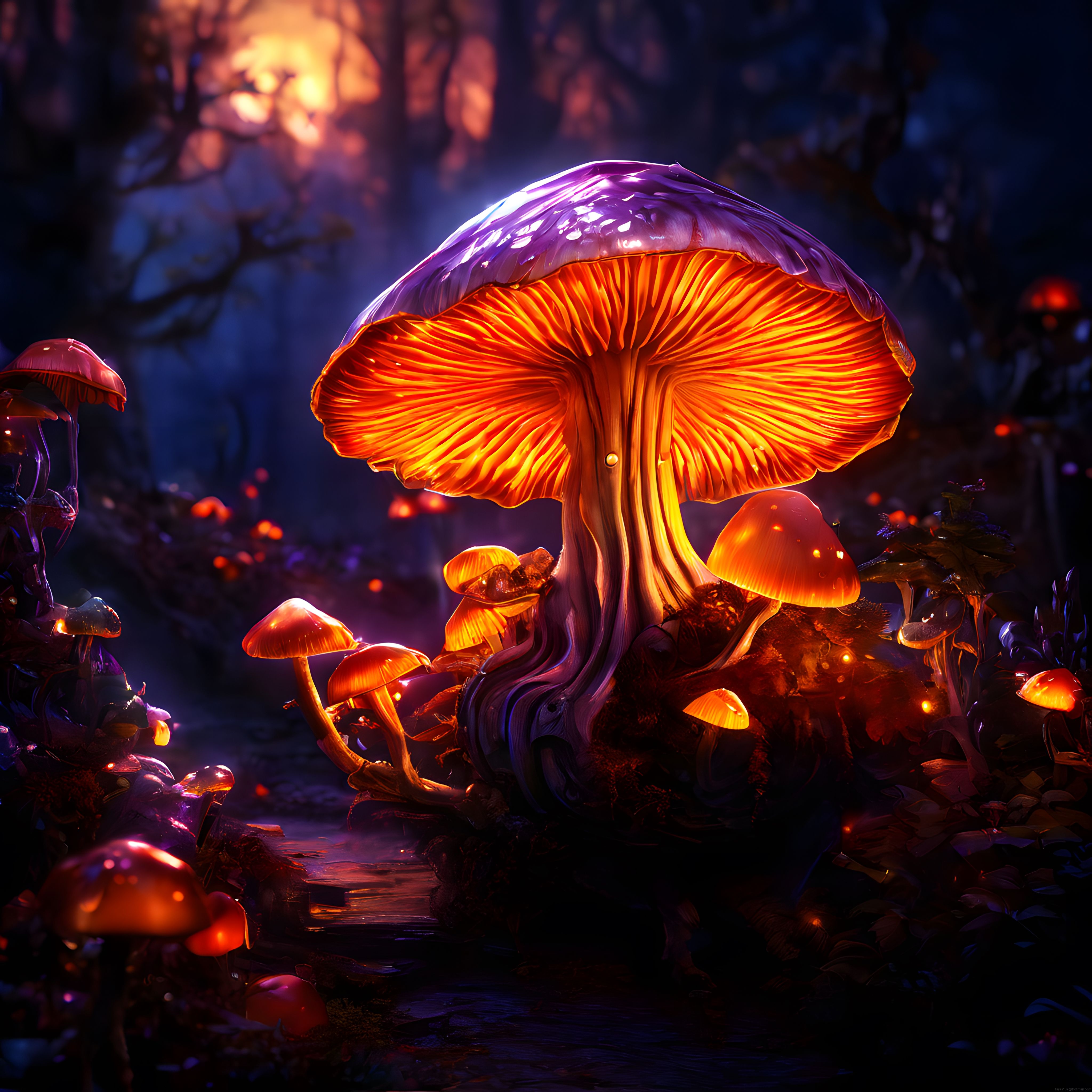
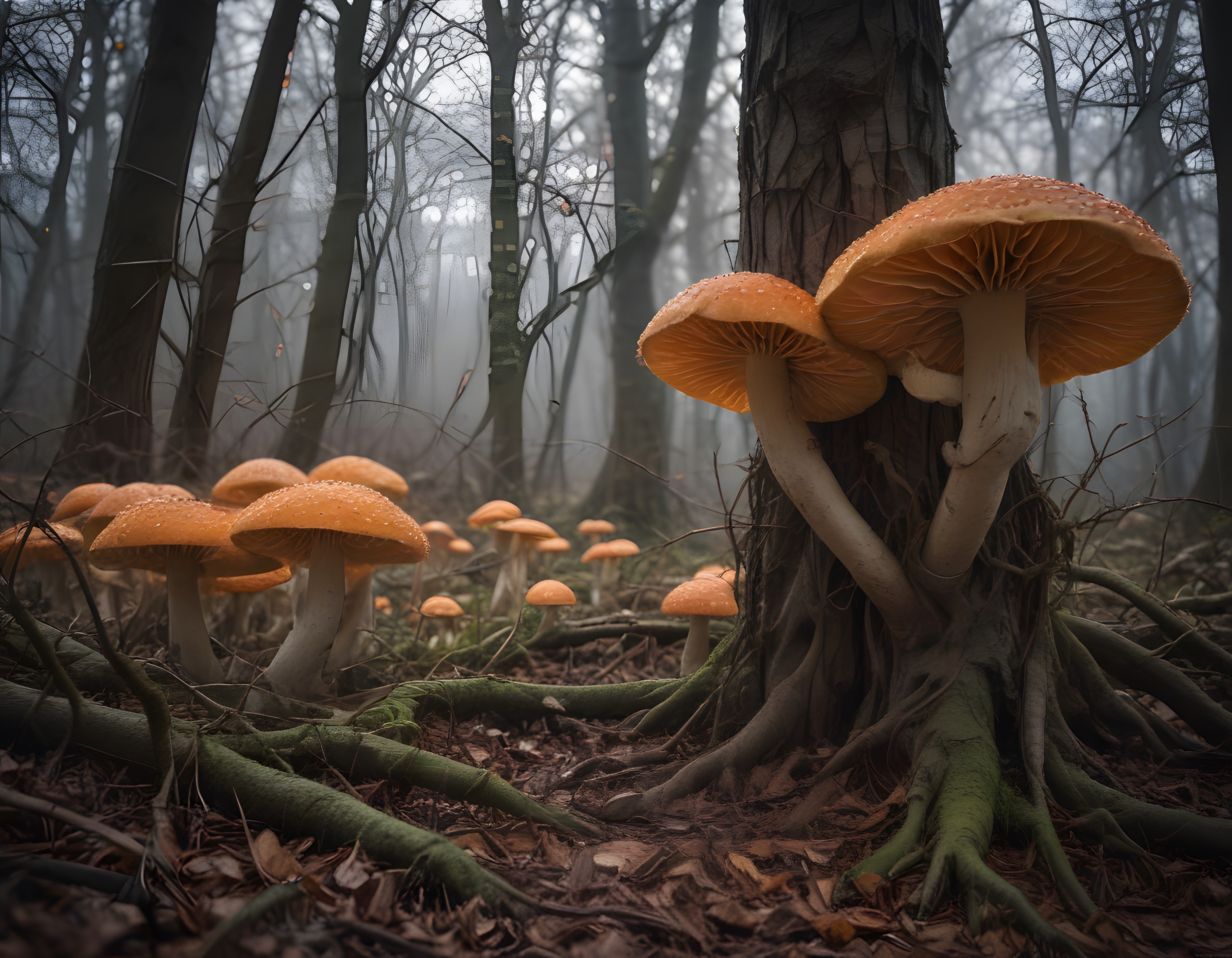
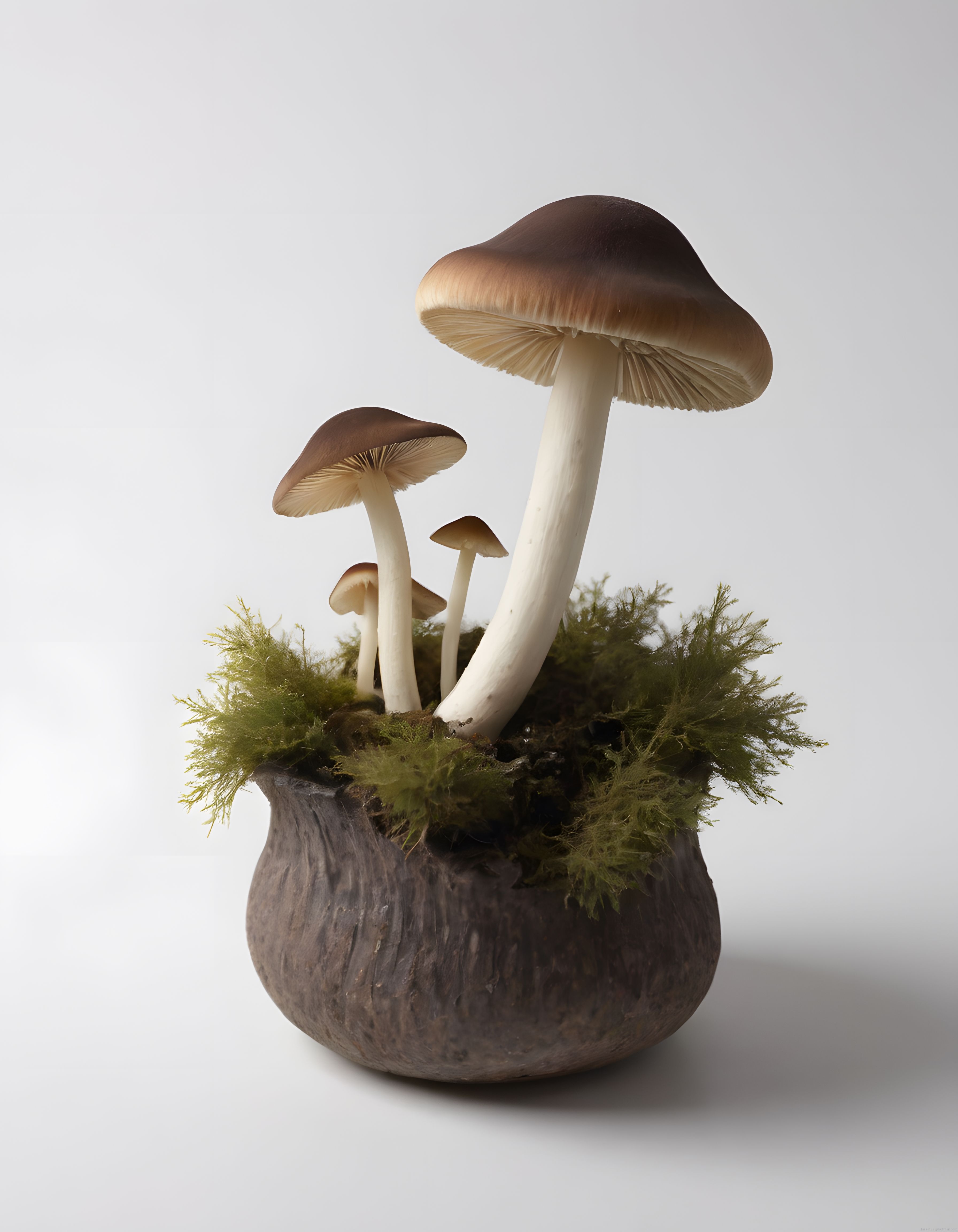
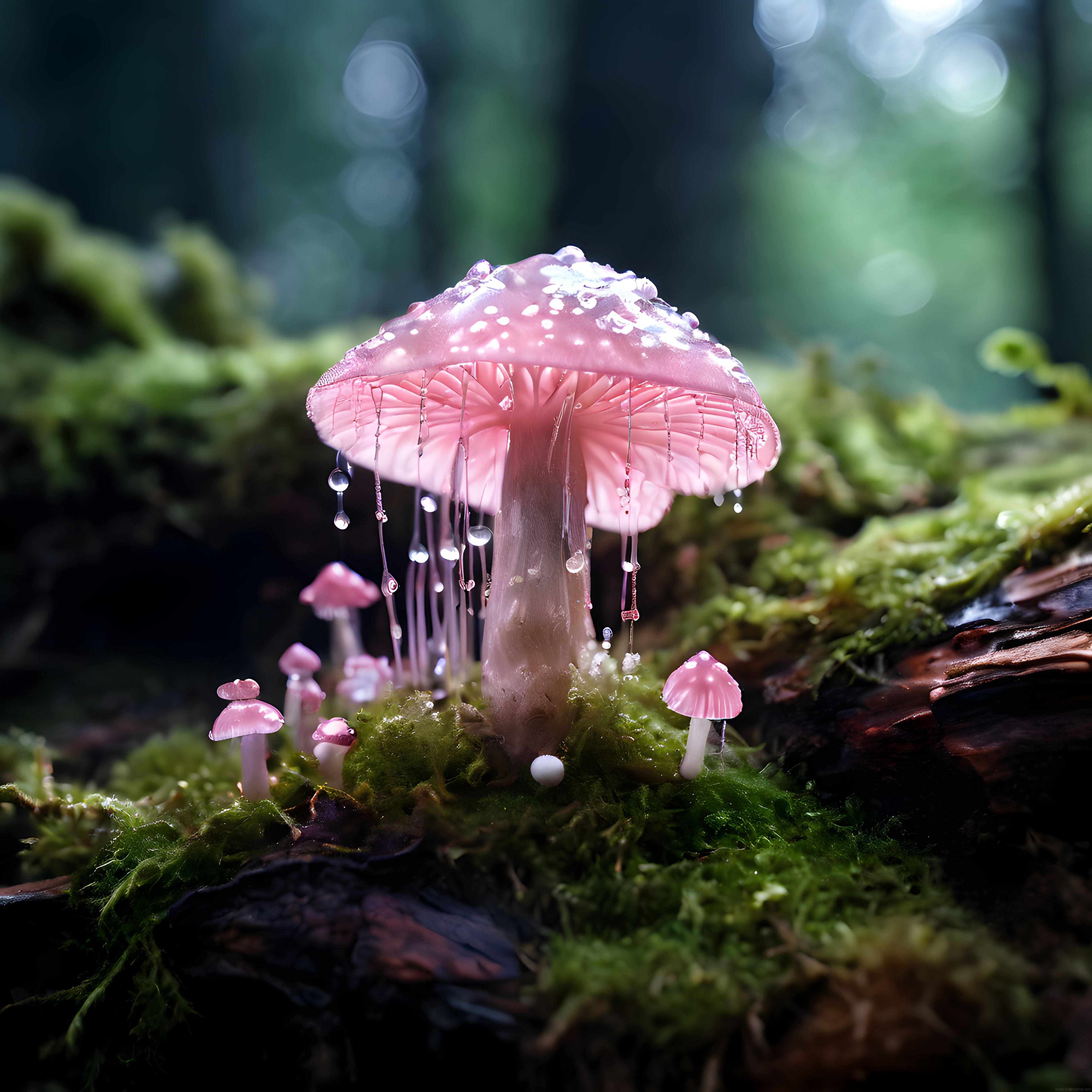
Tanım
•isim, bitki bilimi: Sap, yaprak, çiçek vb. organlar yerine dallı veya düz iplikler görünüşünde emeçlerden oluşan, klorofilsiz, çiçeksiz, ilkel canlılar
Diğer Dillerde
AlmancaPilz (eril) /pɪl(t)s/
mushroom · fungus
çekim: çoğul Pilze · tamlayan Pilzes
eş: Fungus, Schwamm, Schwammerl, Poggenstohl
köken: Regional form with initial b → p and unrounding, from Middle High German bülez, bülz, from Old High German buliz, from Proto-West Germanic *bulit (“porcini”).
aile: Algenpilz, Ambrosiapilz, Antipilzmittel, Atompilz, Austernpilz, Bakterienpilz, Bauchpilz, Baumpilz, Becherpilz, Birkenpilz
Weiße Trüffel. — Trüf mantarları
Fransızcafongus (eril) /fɔ̃.ɡys/
fungus · a kind of tumor that forms on the skin and has a microscopic appearance of a sponge or fungus
köken: Adaptation of Latin fungus; also found in Middle French as fonge.
aile: fongicide, fongicole, fongiforme, fongique, fongistatique, fongite, fongivore, fongoïde
Des truffes blanches. — Trüf mantarları
İspanyolcahongo (eril) /ˈonɡo/
fungus · bowler hat, derby · mushroom
çekim: çoğul hongos
eş: bombín
köken: Inherited from Old Spanish fongo, from Latin fungus.
aile: hongo bistec, hongo de repisa, hongos imperfectos, nube de hongo
Trufas blancas. — Trüf mantarları
İtalyancafungo (eril) /ˈfun.ɡo/
mushroom · fungus
çekim: çoğul funghi
eş: micete, fungosità
köken: From Latin fungus.
I tartufi bianchi. — Trüf mantarları
Rusçaгриб, грибо́к /ɡrʲip/
fungus (a category of eukaryotic organism, having cell walls but no chlorophyll) · mushroom
çekim: çoğul грибы́ · tamlayan гриба́
köken: Inherited from Proto-Slavic *gribъ.
aile: грибни́к, грибни́ца, грибко́вый, грибо́к, грибови́дный, грибое́д, расти́ как грибы́, ча́йный гриб, Phrases, как грибы́ по́сле дождя́
Белые трюфели. — Trüf mantarları
Meronyms: шля́пка (šljápka), но́жка (nóžka)
Arapçaفُطْر
الكمأ الأبيض — Trüf mantarları
Farsçaقارچ /qɒːɹt͡ʃʰ/
mushroom · fungus
çekim: çoğul قارچها
köken: As it is not attested in Classical dictionaries, it must be a later formation with the suffix -č like نمچ (namč, “humidity, moisture”): the base γ/qār- can be recognized in ﻏﺎری (ġâri, “sponge”), with -ī < -īk, being derived from Proto-Iranian *garH- (“soak, steep, moisten”). Hence perhaps originally meaning "sponge," it displaced سماروغ (samâruġ) in contemporary Iran. Compare Yaghnobi хорч…
aile: قارچی, قارچکش, قارچخوار, قارچشناسی, قارچزهرابه
Azericegöbələk /ɟœbæˈlæc/
mushroom · fungus
çekim: çoğul göbələklər · tamlayan göbələkin
köken: From Proto-Turkic *kömbe, *kömbelek. Cognate with Turkmen kömelek, Tatar гөмбә (gömbä) and Chuvash кӑмпа (kămp̬a).
Özbekçezamburugʻ
Felemenkçezwam (dişil) /zʋɑm/
a fungus, mushroom · a sponge
çekim: çoğul zwammen
eş: fungus, schimmel
köken: From Middle Dutch swam, from Old Dutch *swam, from Proto-Germanic *swammaz. Cognate with German Schwamm (“sponge”).
aile: bederfzwam, beurszwam, dooierzwam, draadzwam, eierzwam, gistzwam, gordijnzwam, inktzwam, koraalzwam, oesterzwam
Witte truffels. — Trüf mantarları
Yunancaμύκητας (eril)
fungus
çekim: çoğul μύκητες · tamlayan μύκητα
köken: From Ancient Greek μύκης (múkēs).
Άσπρες τρούφες. — Trüf mantarları
Lehçegrzyb (eril) /ˈɡʐɘp/
fungus, mushroom (a category of eukaryotic organism, having cell walls but no chlorophyll) · mushroom cloud
çekim: çoğul grzyby · tamlayan grzyba
köken: Etymology tree Proto-Indo-European *gʰrebʰ- Proto-Balto-Slavic *grebtei Proto-Slavic *greti Proto-Slavic *gribati? Proto-Indo-European *gley- Proto-Indo-European *gleybʰ- Proto-Indo-European *gleybʰ-os Proto-Slavic *glibъ? Proto-Indo-European *gerbʰ-der.? Proto-Slavic *gъrbъ? Proto-Slavic *gribъ Old Polish grzyb Polish grzyb Inherited from Old Polish grzyb, from Proto-Slavic *gribъ.
aile: dwa grzyby w barszcz, grzybiarz, grzybica, grzybień, grzybnia, grzybobójczy, grzybobranie, grzybowy, podgrzybek
Białe trufle. — Trüf mantarları
Fincesieni /ˈsie̯ni/
mushroom (fruiting body of a fungus) · fungus, mushroom (any member of the kingdom Fungi) · ellipsis of pesusieni (“sponge, bath sponge”)
çekim: çoğul sienet · tamlayan sienen
köken: From Proto-Finnic *seeni, from Proto-Uralic *śänä. Cognates include Estonian seen, Northern Sami čátná (“tinder fungus”), Udmurt сеньки (śeńki, “tinder”). Latvian sẽne is a loan from Finnic.
aile: sienestää, sienettyä, sienimäinen, sienimö, sienistö, akansieni, ehkäisysieni, haapasieni, haisusieni, hankaussieni
Sienet kasvavat hyvin nopeasti. — Mantarlar çok hızlı büyürler.
olla sienessä
Çekçehouba (dişil) /ˈɦou̯ba/
mushroom (fungus and fruit of fungus) · sponge (material used to wash dishes or the body) · sponge (Porifera)
çekim: çoğul houby · tamlayan houby
köken: Inherited from Old Czech húba, from Proto-Slavic *gǫba. This might be related to Middle High German swamb (German Schwamm), Latin fungus and Greek σπόγγος (spóngos) or σφόγγος (sfóngos), which supposes some consonant transposition.
aile: houbařský, houbovitý, houbový, houbař, houbařka, houbelec, houbička, houby s octem, hubka, podhoubí
Bílé lanýže. — Trüf mantarları
Některé houby jsou jedlé, jiné jedovaté.
Rumenceciupercă (dişil)
fungus · mushroom
çekim: çoğul ciuperci · tamlayan ciuperci
köken: Borrowed, through metathesis, from Serbo-Croatian печурка (pečurka, “mushroom”) or Bulgarian печурка (pečurka), from Proto-Slavic *pečura.
Trufe albe. — Trüf mantarları
Îți plac ciupercile pe pizza?
Macarcagomba, gombaféle /ˈɡombɒ/
mushroom, fungus
çekim: çoğul gombák
köken: Borrowed from Slavic. Compare Proto-Slavic *gǫba, Slovene goba, Slovak huba, Polish gęba.
aile: gombaféle, gombás, gombász, gombászat, gombászik, gombázik, gombabetegség, gombahatározó, gombaismeret, gombakalap
Fehér szarvasgomba. — Trüf mantarları
Latincefungus /ˈfʊŋ.ɡʊs/
mushroom; fungus · fungal growth or infection · candle-snuff
çekim: çoğul fungī · tamlayan fungī
köken: Originally *sfungus. Along with Ancient Greek σπόγγος (spóngos, “sponge”, whence Latin spongia), σφόγγος (sphóngos), and Old Armenian սունկն (sunkn), likely a loanword from a non-Indo-European substrate language. Possibly also related to Georgian სოკო (soḳo), Tsez зикӏу (zik’u), Bezhta сакӏо (sakʼo), Moksha панга (panga) and Erzya панго (pango, “mushroom”). Linguists such as Kluge and Kroonen…
aile: fungifōrmis, fungīnus, fungōsus, fungulus
Dancasvamp /svamp/
sponge · fungus · mushroom, toadstool
çekim: çoğul svampe · tamlayan svamps
köken: From Old Danish swamp, from Old East Norse svampr, from Proto-Germanic *swampaz (“sponge, fungus”), variant of *swammaz, from Proto-Indo-European *swombʰ- (“sponge, tree-fungus, swamp”).
aile: brandsvamp, gærsvamp, hatsvamp, hussvamp, natursvamp, rustsvamp, skimmelsvamp, stinksvamp, svampebog, svampecreme
Hvide trøfler. — Trüf mantarları
drikke som en svamp
gå svamp i noget
Norveççesopp
Vietnamcanấm /nəm˧˦/
mushroom · fungus
köken: Inherited from Proto-Vietic *ɗəmʔ. Cognate with Nguôn đấm and Tho [Cuối Chăm] dʌm³.
aile: nấm đầu khỉ, nấm hương, nấm kim châm, nấm linh chi, nấm lùn, nấm mèo, nấm mốc, nấm mối, nấm rơm, nấm tràm
Nấm cục trắng — Trüf mantarları
bị nấm chân/đầu
Bulgarcaгъба (dişil) /ˈɡɤbɐ/
fungus (any member of the kingdom Fungi) · mushroom · sponge
çekim: çoğul гъ́би
köken: Inherited from Old Church Slavonic гѫба (gǫba), from Proto-Slavic *gǫba.
aile: гъбя́сам, гъбя́свам, гъба́р, гъ́бица, гъ́бичка, гъ́бички
Бели трюфели. — Trüf mantarları
Яди́вни гъ́би.
Отро́вни гъ́би.
Slovakçahuba (dişil) /ɦuba/
mushroom
köken: Inherited from Proto-Slavic *gǫba. Cognate with Bulgarian гъба (gǎba), Slovene goba, Serbo-Croatian губа/guba, Russian губка (gubka). Non-Slavic cognates include Pashto غومبه (γumba, “swelling”). Compare Latin fungus, Ancient Greek σπόγγος (spóngos).
Huby veľmi rýchlo rastú. — Mantarlar çok hızlı büyürler.
Litvancagrybas (eril) /²ˈɡrʲiːbɐs/
mushroom · Fungi · loser
çekim: çoğul grỹbai · tamlayan grỹbo
köken: Borrowed from Middle Belarusian грибъ (hrib) / грыбъ (hryb), from Proto-Slavic *gribъ. Compare Samogitian grībā, Belarusian грыб (hryb) and Ukrainian гриб (hryb).
aile: grỹbinis, aukšliãgrybis, dumbliãgrybis, grybẽlis, grybi̇́ena, grybiẽnė, grybýnas, grỹbšis, mėšlãgrybis, papė́dgrybis
Nesistebima, kad jie laikomi netgi magiškais medžiais. — "Sihirli mantarlar" olarak da bilinirler.
Letoncasēnes
inflection of sēne: · nominative plural
Örnek Cümleler
Trüf mantarları
White truffles.
Onlar ne tür mantarlar?
What kind of mushrooms are they?
Bu mantarlar zehirlidir.
These mushrooms are poisonous.
O zehirli mantarları yedi.
He ate poisonous mushrooms.
Bu merhem mantarları öldürür.
This ointment can kill fungi.
Mantarlar çok hızlı büyürler.
Mushrooms are very fast in their growth.
Ben mantarların tadını severim.
I love the taste of mushrooms.
Ne tür mantarlar seni öldürebilir?
What kind of mushrooms can kill you?
Diğer adı da şapkalı mantarlardır.
The name itself refers to pointed hats.
Hangi tür mantarlar seni öldürebilir?
What kind of mushrooms can kill you?
Tek hücreli mantarlar mayaları içerir.
Unicellular fungi include the yeasts.
Alternaria asklı mantarların bir cinsi.
Alternaria is a genus of ascomycete fungi.
İlgili Sorular
Hangi mantarlar suyun içinde batmaz?
Mantarlar suya konulduğunda hep yüzer mi?
Tüm mantarlar suyun üzerinde mi kalır?
Pennsylvania’nın güneydoğusu ve Maryland’ın kuzeydoğusunda morel mantarları bulmak için hangi alanlar önerilir? Bir toplulukta yer almak ya da yeni tanışmalar yapmak istiyorum, ama mevcut noktalarınızı işgal etmemek istiyorum.
Suda yüzen mantarların dışında hangi türler batmaz?
Birleşik Kelimeler
ağ mantarlarbazitli mantarlarcıvık mantarlargerçek mantarlarsu mantarlarısürme mantarları