Sözlük
/kızılcık
kızılcık
"kızılcık" kelimesinin İngilizcesi: cornel, dogwood, cornel, cornus mas. Anlamı, çevirisi, telaffuzu ve örnek cümleler aşağıdadır.
Çeviri
Bilimcornelnoun
Bilimdogwoodnoun
Genelcornel
Genelcornus mas
Görsel
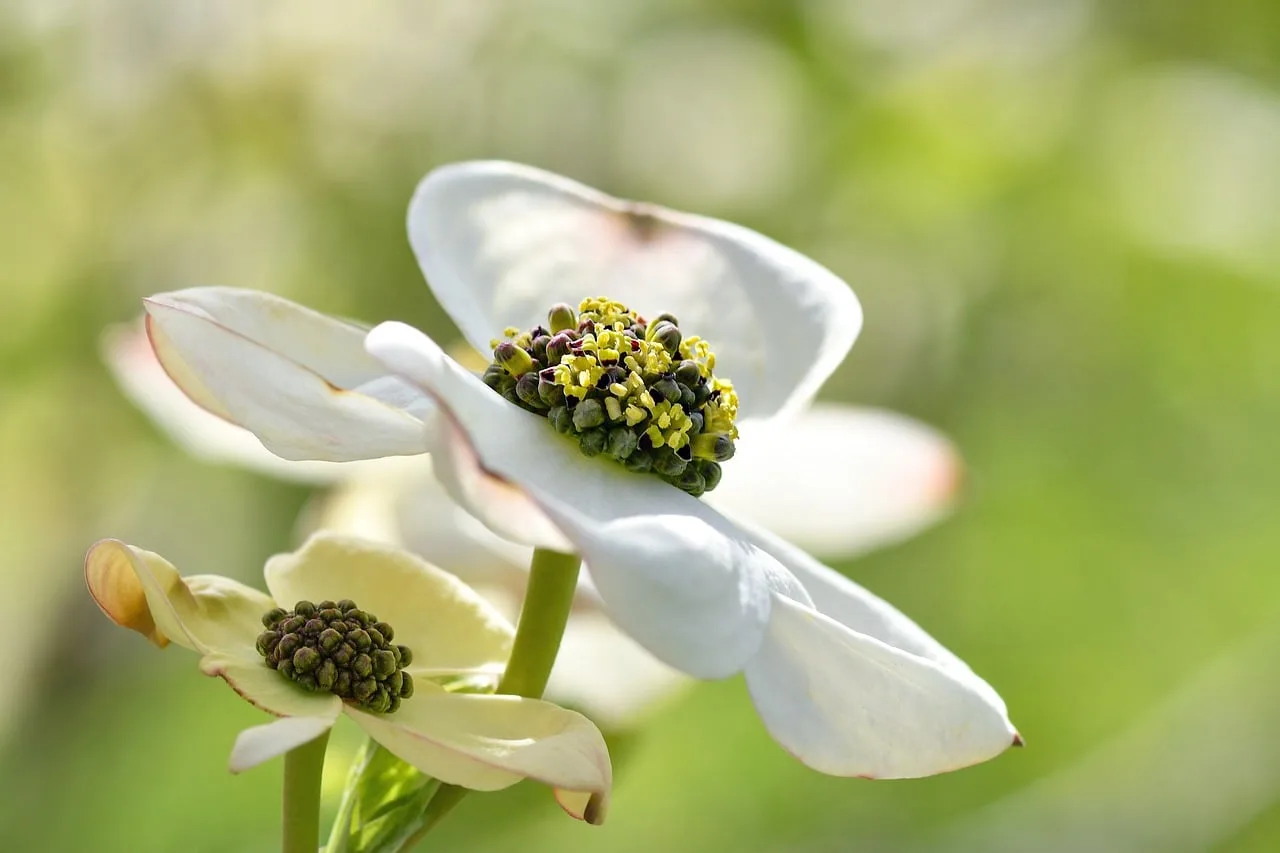
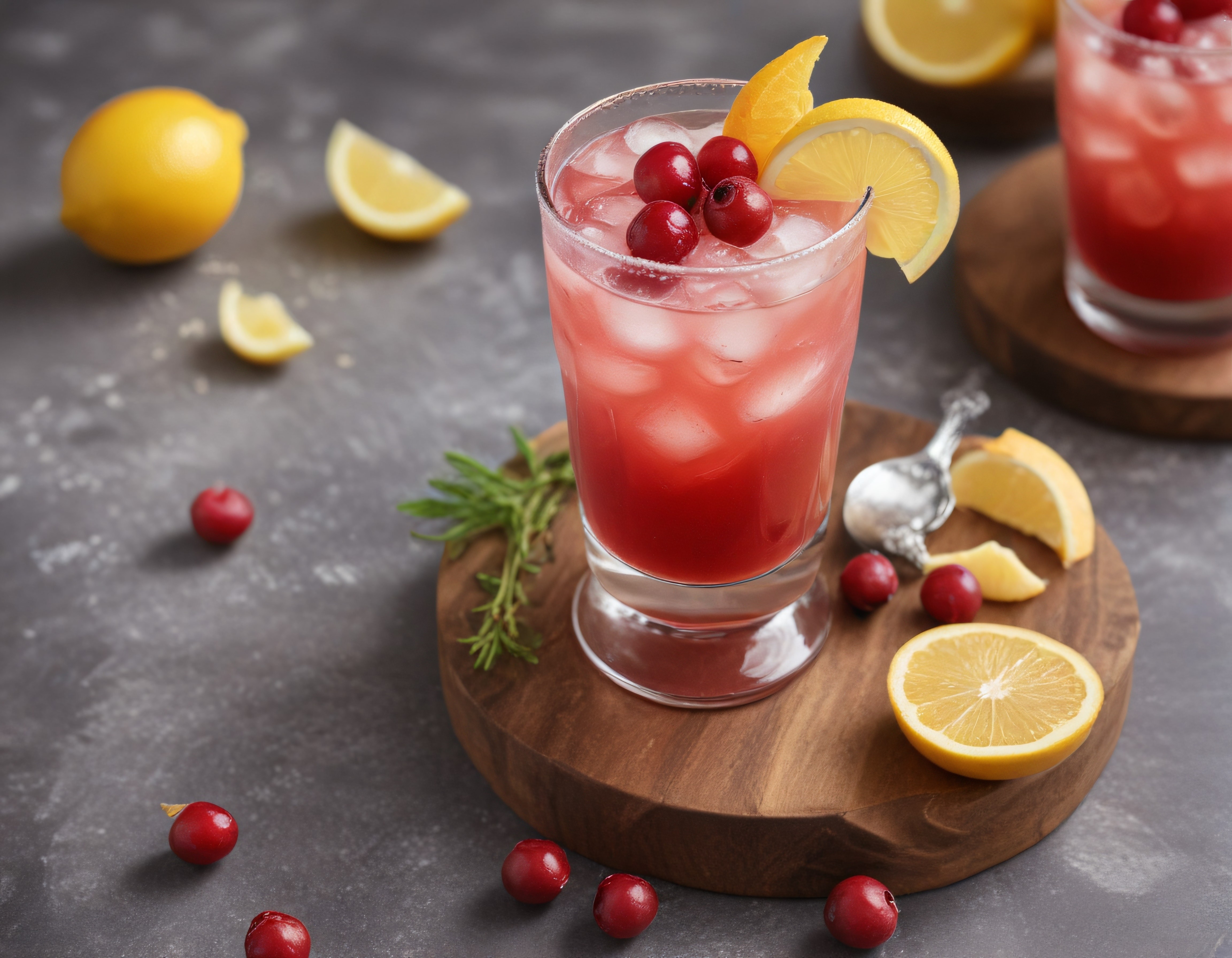
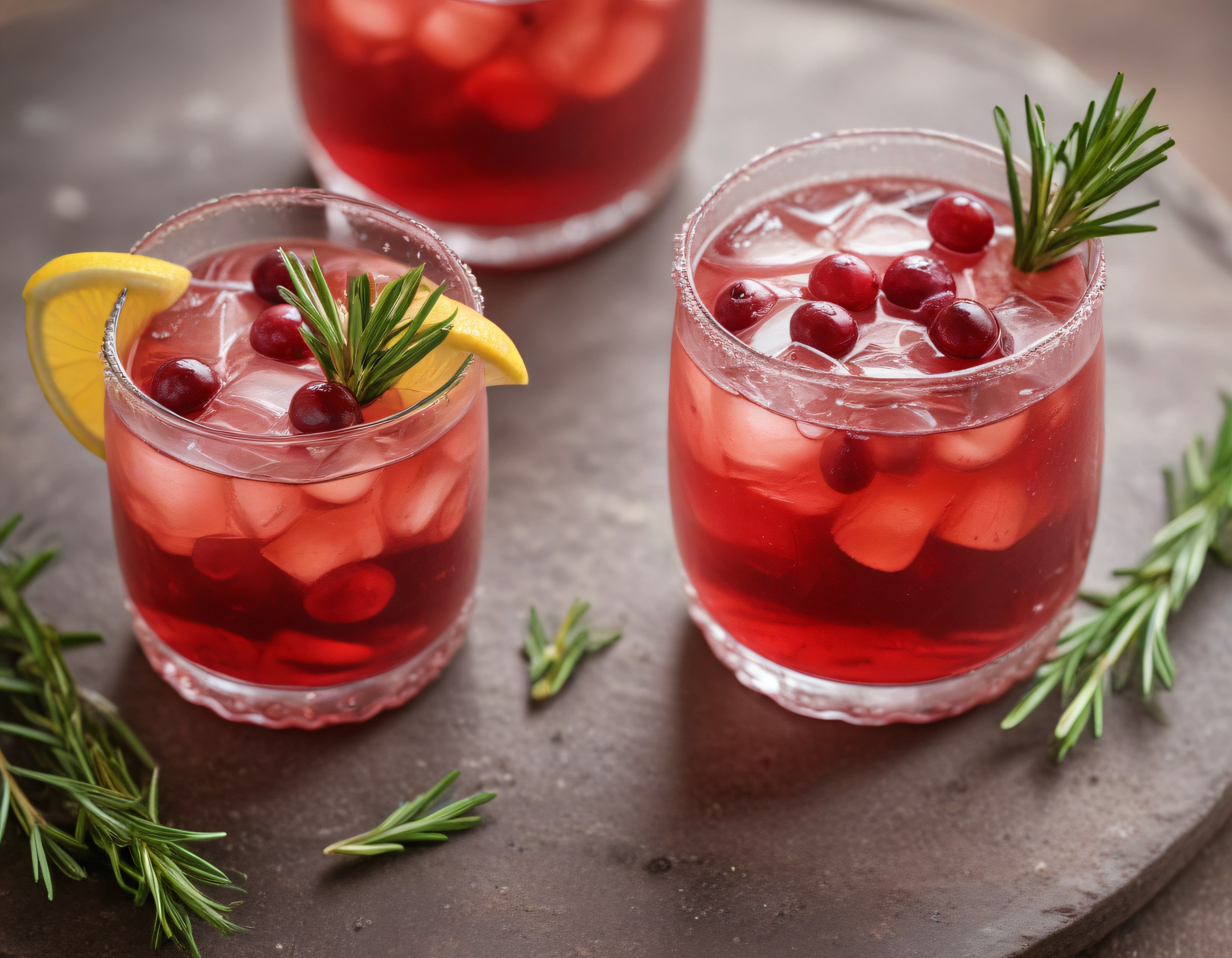
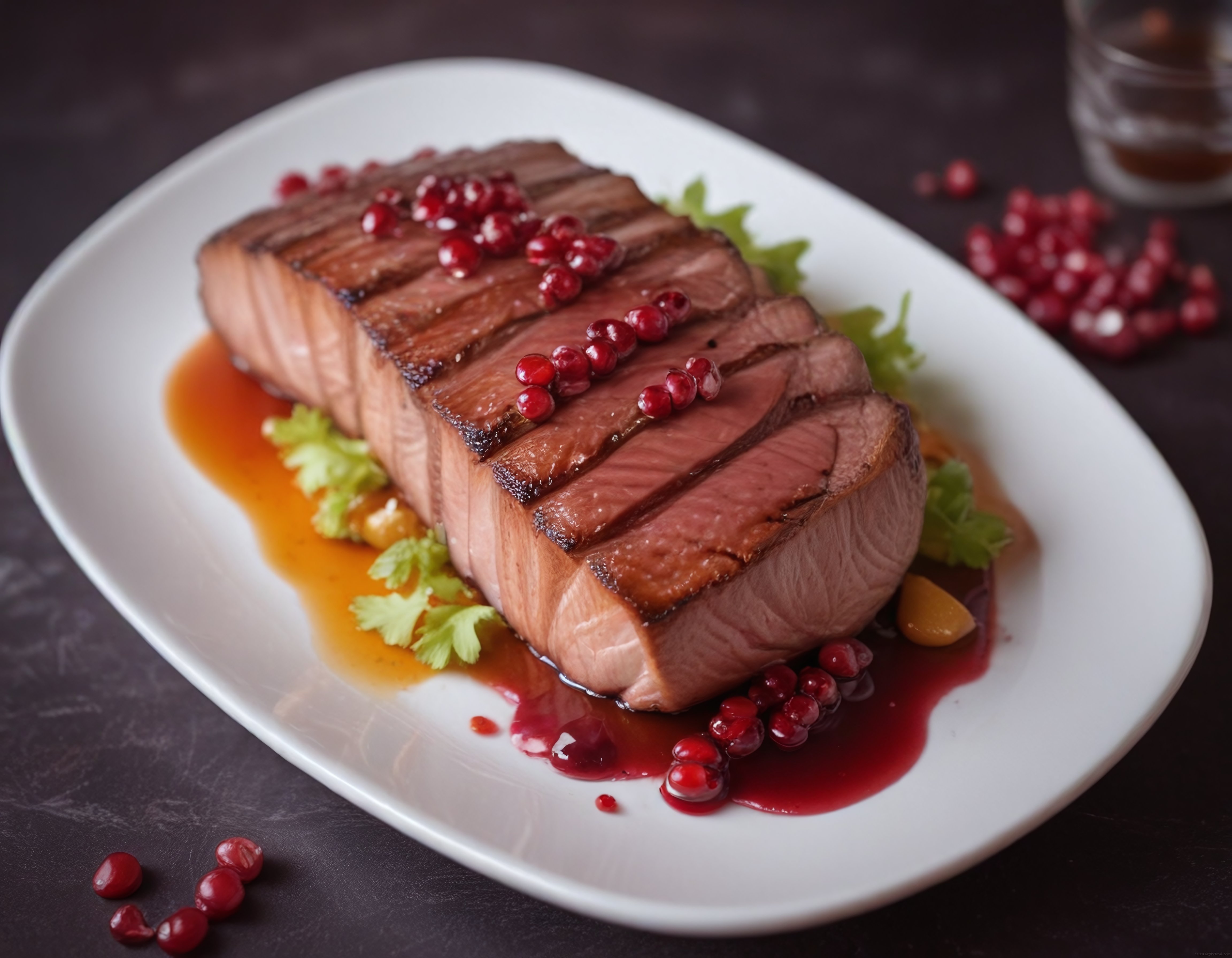
Çekim Tablosu
Belirtme (-i)kızılcığı
Yönelme (-e)kızılcığa
Bulunma (-de)kızılcıkta
Çıkma (-den)kızılcıktan
Tamlayan (-in)kızılcığın
Çoğul (-ler)kızılcıklar
Tanım
•Artvin ili Ardanuç ilçesine bağlı bir köy.
•Bu ağacın güzün olgunlaşan, kırmızı, tek çekirdekli, reçeli ve şerbeti yapılan, buruk bir tadı olan yemişi.
•Düzce ili Merkez ilçesine bağlı bir köy.
•Isparta ili Gönen ilçesine bağlı bir köy.
•Kızılcıkgillerden, yaprak açmadan çiçeklenen iri gövdeli bir ağaç; kiren (Cornus mas).
•Kütahya ili Simav ilçesine bağlı bir köy.
•Sakarya ili Karasu ilçesine bağlı bir köy.
•Tunceli ili Mazgirt ilçesine bağlı bir köy.
Diğer Dillerde
Almancakornelkirsche (dişil) /kɔʁˈneːlˌkɪʁʃə/
cornel
çekim: çoğul Kornelkirschen · tamlayan Kornelkirschen
eş: Dürlitze, Herlitze, Hirlnuss, Gelber Hartriegel
köken: From Middle High German kornel- (“cornel”) + Kirsche (“cherry”). The first element, which is attested in Middle High German kornelboum and Old High German kornilboum, is from Vulgar Latin *cornicula, diminutive of Latin cornus (“European cornel”).
Fransızcacornouille, cornouiller (dişil) /kɔʁ.nuj/
the cornel (fruit), cornelian cherry
çekim: çoğul cornouilles
köken: Inherited from Old French cornolle, derived from Latin cornus with the suffix -ulla. Later influenced phonetically by the derived term cornouiller (“dogwood, cornel shrub”).
aile: cornouiller
cornel · dogwood
çekim: çoğul cornejos
köken: Inherited from Vulgar Latin *corniclus < *corniculus, itself a diminutive of Latin cornus.
Cornaceae Bercht. & J.Presl (incluye Nyssaceae Juss. ex Dumort.) — Cornaceae Bercht. & J.Presl (Kızılcıkgiller) (Nyssaceae Juss. ex Dumort.'yi içine alır.)
Rusçaкизил (eril) /kʲɪˈzʲiɫ/
cornel, dogwood
çekim: çoğul кизи́лы · tamlayan кизи́ла
eş: кизил обыкновенный
köken: From Proto-Turkic *kïŕïl (“red”). Thoroughly replaced the native Slavic word (дёрен (djóren) from *dernъ) early as also with Belarusian кізі́л (kizíl), while Ukrainian дере́н (derén) is still more common than кизи́л (kyzýl). Compare Ottoman Turkish قزلجق and Turkish kızılcık (cornelian cherry).
Arapçaقَرَانِيَا
Azericezoğal /zoˈɣɑɫ/
cornel (tree and fruit)
çekim: çoğul zoğallar · tamlayan zoğalın
köken: Borrowed from Classical Persian زغال.
Felemenkçekornoelje, kornoeljebes (dişil) /ˌkɔrˈnul.jə/
A dogwood, cornel; any plant of the genus Cornus, particularly Cornus sanguinea and Cornus mas. · A dogberry.
çekim: çoğul kornoeljes
köken: Borrowed from French cornouille.
aile: gele kornoelje, rode kornoelje
Portekizcecorniso (eril) /koʁˈni.zu/
cornel (tree of the genus Cornus) · cornel (fruit of the cornel tree)
çekim: çoğul cornisos
köken: Ultimately from Latin cornus, probably through Spanish cornizo < Vulgar Latin *corniceus.
Kranë (a village in Finiq, Vlorë, Albania)
köken: From Ancient Greek Ἐλίκρανον (Elíkranon).
Ο Ροφός γίνεται υπέροχη σούπα. — Bu tarhanadan yapılan çorba kızılcık çorbasıdır.
Japonca水木 /mʲizɨkʲi/
Cornus controversa var. controversa
köken: From 水(みず) (mizu, “water”) + 木(き) (ki, “tree”).
aile: 霧島水木, 土佐水木, 花水木, 日向水木
İsveççekornell
cornel, any tree or shrub of the genus Cornus · a fruit from a cornel species
çekim: çoğul korneller · tamlayan kornells
aile: skogskornell
Lehçedereń (eril) /ˈdɛ.rɛɲ/
cornel, dogwood (any tree or shrub of genus Cornus) · dogberry
çekim: çoğul derenie · tamlayan derenia
eş: derenina
köken: Borrowed from Ukrainian дере́н (derén), from Proto-Slavic *dernъ. Displaced native Old Polish drzon, drzoń.
aile: dereniowy, dereniak, derenina, dereniowate, dereniówka
Ukraynacaдерен (eril) /deˈrɛn/
cornel, dogwood (Cornus gen. et spp.)
çekim: çoğul дере́ни · tamlayan дере́ну
köken: From Proto-Slavic *dernъ.
Fincekanukka /ˈkɑnukːɑ/
dogwood (plant of the genus Cornus)
çekim: çoğul kanukat · tamlayan kanukan
köken: kana (“chicken”) + -ukka. Coined by Finnish physician and philologist Elias Lönnrot; based on an earlier name kananmarja (literally “chicken('s) berry”).
aile: idänkanukka, idänpagodikanukka, kanadanruohokanukka, kukkakanukka, liljakanukka, lännenpagodikanukka, mustamarjakanukka, nuppikanukka, oregoninkanukka, pensaskanukka
Cornaceae Bercht. & J.Presl (sisältää heimon Nyssaceae Juss. ex Dumort.) — Cornaceae Bercht. & J.Presl (Kızılcıkgiller) (Nyssaceae Juss. ex Dumort.'yi içine alır.)
Çekçedřín (eril) /ˈdr̝iːn/
dogwood (Cornus)
çekim: çoğul dříny · tamlayan dřínu
eş: svída
köken: Inherited from Old Czech dřien, from Proto-Slavic *dernъ.
a variety of grapes · cornelian cherry, cornel (fruit)
çekim: çoğul coarne · tamlayan coarne
köken: Inherited from Latin corna, plural of cornum, cornus (“cornel, dogwood”), reinterpreted as a feminine singular.
Macarcasom /ˈʃom/
cornel
çekim: çoğul somok
köken: From a Turkic language, compare Turkmen çüm (“cornel”), Kumyk чум (çum, “berry”).
horn (all senses) · hoof · beak, tusk, claw
çekim: çoğul corna · tamlayan cornī
köken: Either from Proto-Indo-European *ḱr̥h₂-nó-m, cognate with Proto-Germanic *hurną, from Proto-Indo-European *ḱerh₂- (“horn”), or a by-form of the synonym cornū from the same root.
Dancakornel
Bulgarcaдренка, дрян, кучешки дрян /drʲa̟n/
cornel tree (plant from genus Cornus) · European cornel (Cornus mas)
çekim: çoğul дря́нове
köken: Inherited from Proto-Slavic *dernъ.
aile: дря́нка, дре́нка, дрена́к
Slovencedren (eril) /drɛ́n/
dogwood (tree or shrub of the genus Cornus)
çekim: çoğul dréni · tamlayan dréna
köken: From Proto-Slavic *dernъ.
Litvancasedula
Katalancacorneller, sanguinyol (eril) /kor.nəˈʎe/
cornel (tree) · dogwood
çekim: çoğul cornellers
köken: From cornell, diminutive of corn (“cornel”), from Latin cornus.
Galiçyacacorneira, sangomiño (eril) /kɔɾˈnejɾa̝/
cornel, dogwood (Cornus sanguinea)
çekim: çoğul corneiras
köken: corno + -eira, from Latin cornus.
aile: Corneda, Cornedo, Cornide, Cornido
Baskçazuhandor
İrlandacaconbhaiscne
Etimoloji
Inherited from Ottoman Turkish قزلجق (kızılcık, “cornelian cherry”), from Old Anatolian Turkish قزلجق (qızılcuq). By surface analysis, kızıl (“red”) + -cık (“diminutive suffix”).
Eş & Zıt Anlamlılar
Eş anlamlılar
Örnek Cümleler
Kızılcık sevmiyorum.
I don't like cranberries.
Buzdolabında kızılcık suyu var.
There is cranberry juice in the fridge.
Ceviz, dut, kızılcık ağaçları yoğunluktadır.
It is entitled Beautiful Tree, Severed Roots.
O ördeğe eşlik edecek bir kızılcık sosu yaptı.
He made a cranberry sauce to accompany duck.
Üvey kızkardeşim kızılcık suyunun sonunu bitirdi.
My stepsister finished the last of the cranberry juice.
Yaygın olarak kullanılan kırmızı rengini kızılcık boyasından alır.
He usually takes the brunt of Red's abuse in a jolly manner.
Kızılcık, Avrupa'da yüzyıllardır "Rus meyvesi" olarak biliniyordu.
The cranberry was known in Europe for centuries as the "Russian berry".
Çobanpüskülü ve kızılcık gibi küçük ağaçlar alt tabakanın özel bitkileridir.
Small trees such as holly and dogwood are understory specialists.
Cornaceae Bercht. & J.Presl (Kızılcıkgiller) (Nyssaceae Juss. ex Dumort.'yi içine alır.)
Cornaceae Bercht. & J.Presl (including Nyssaceae Juss. ex Dumort.)
Coyote, söğüt ve kızılcık sopaları ayırdı, boyadı ve toprağa dik bir şekilde yerleştirdi.
Coyote split up some willow and dogwood sticks, painted them, and set them upright in the dirt.
Cape Codder kokteyli adını yarımadadan almıştır; her ikisi de kızılcık için dikkate değerdir.
The Cape Codder cocktail is named after the peninsula; both are notable for cranberry.
İlgili Sorular
C.S. Lewis'ın Aslan Kızılcık ve Büyücü filmine olumlu bakacağına inanıyor musun? Sebebini paylaşır mısın?
Böbrek taşları için kızılcık suyundan başka doğal tedavi yöntemleri var mı?
C.S. Lewis'ın Aslan Kızılcık ve Büyücü filmini takdir edeceğini düşünüyor musun? Nedenini açıklar mısın?
Böbrek taşlarıyla mücadelede kızılcık suyu dışında ne gibi doğal yöntemler önerilir?
Her yıl üç Noel ağacı süslüyorum; yatak odasında beyaz tema, oturma odasında mısır ve kızılcıkla süslenmiş, yemek odasında ise çocuklarımın hatıra süsleriyle dolu büyük bir ağaç. Çocuklarım yeni süsler alıyor, en büyükleri 24. Eşim çok fazla süslediğimi düşünüyor, çocuklar ise bayılıyor. Süslemeyi azaltmalı mıyım?