bıyık
/bɯˈjɯk/
noun
C2 seviye
TR → EN
"bıyık" kelimesinin İngilizcesi: moustache, moustache. Anlamı, çevirisi, telaffuzu ve örnek cümleler aşağıdadır.
Çeviri
Genelmoustachenoun
Genelmoustache
Görsel
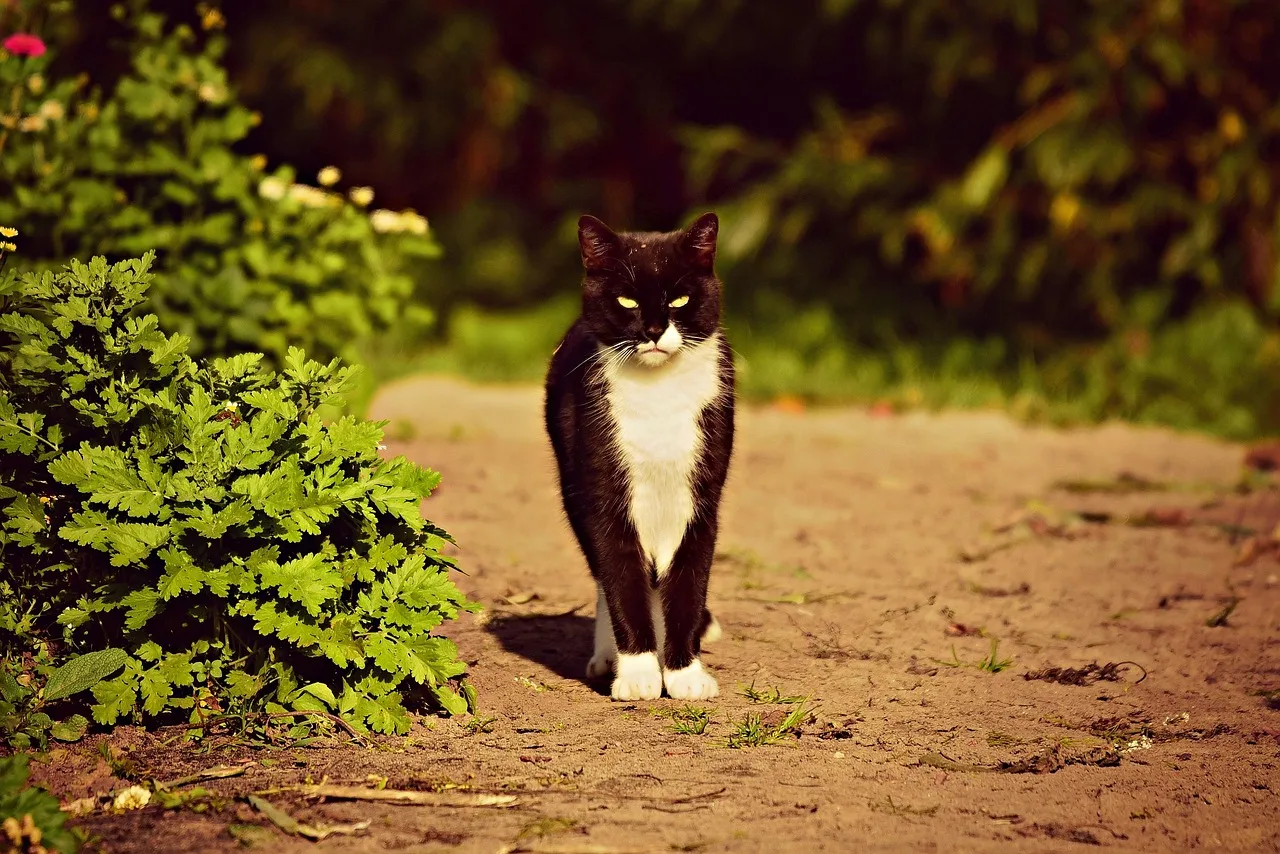
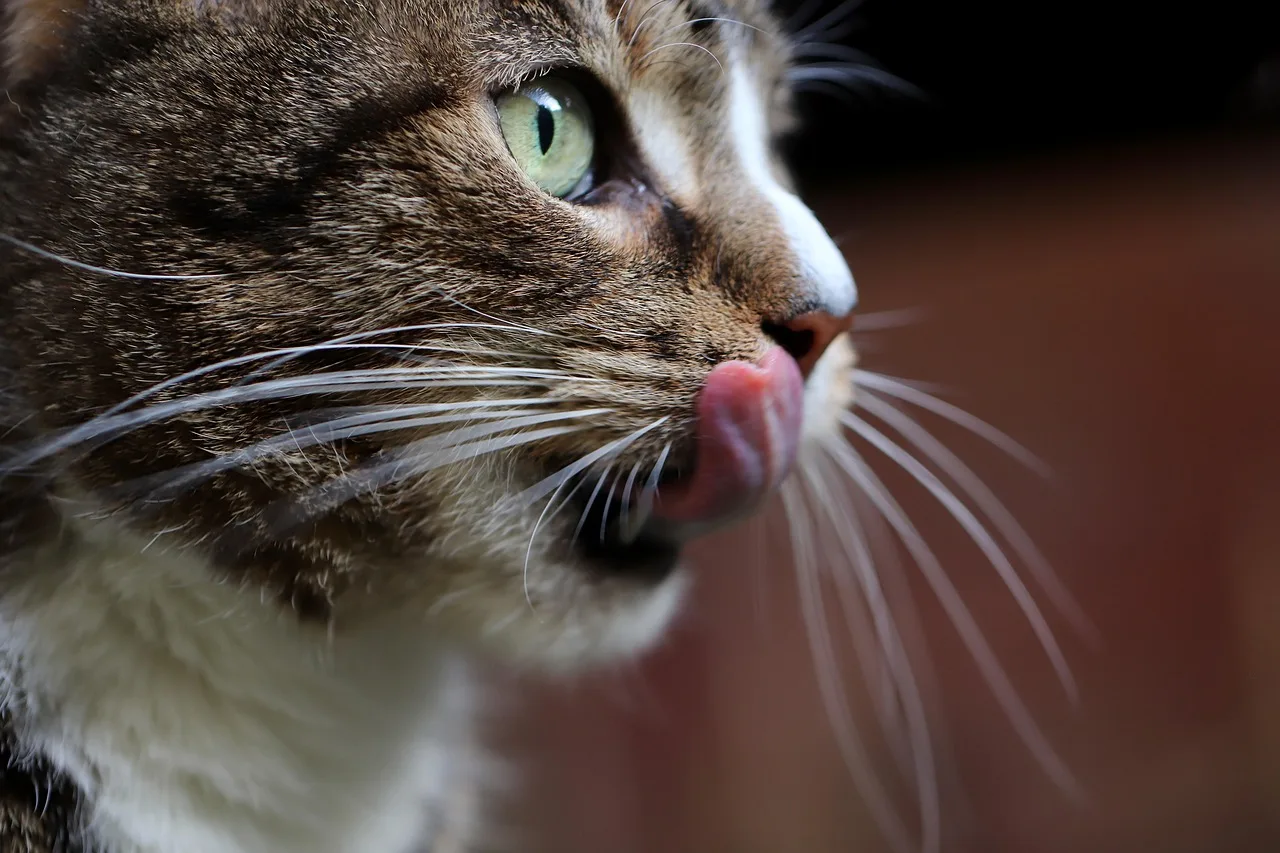
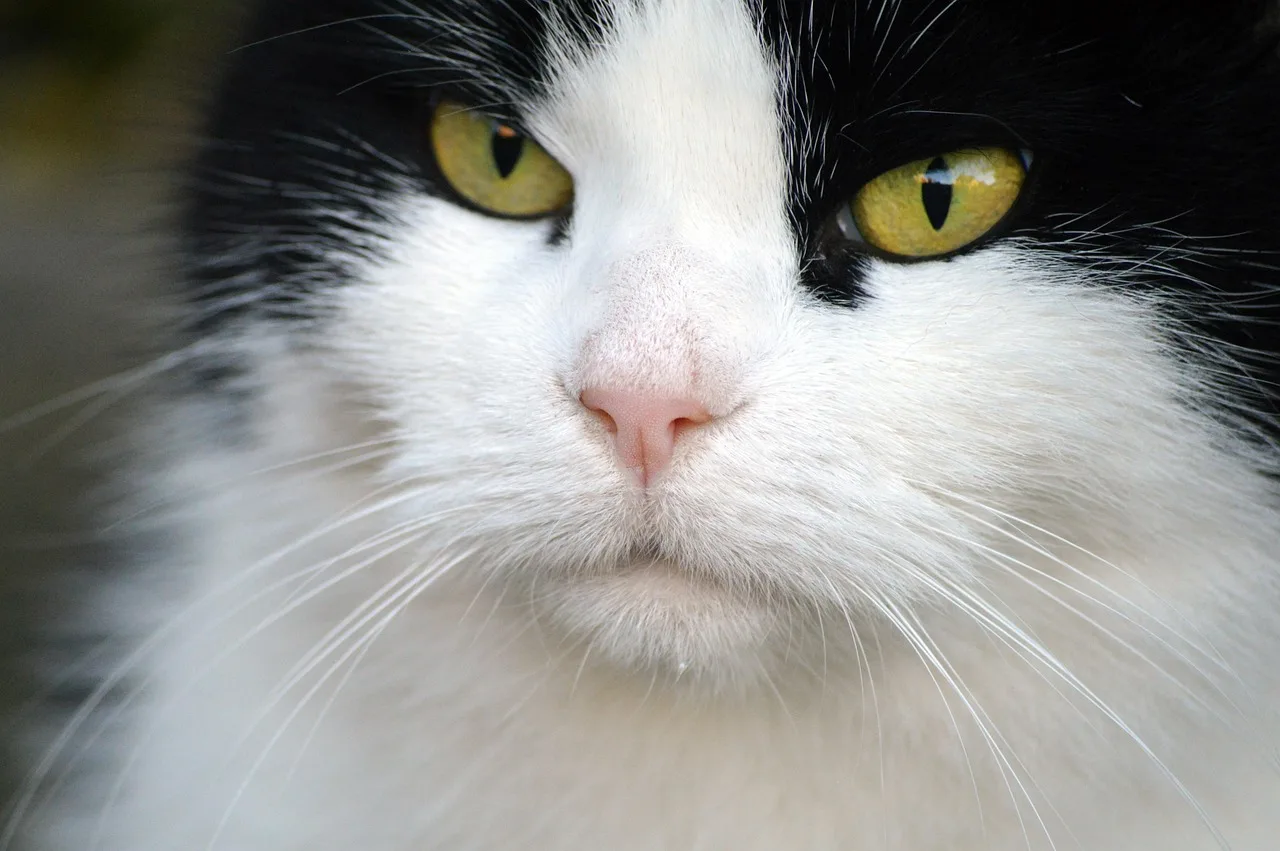
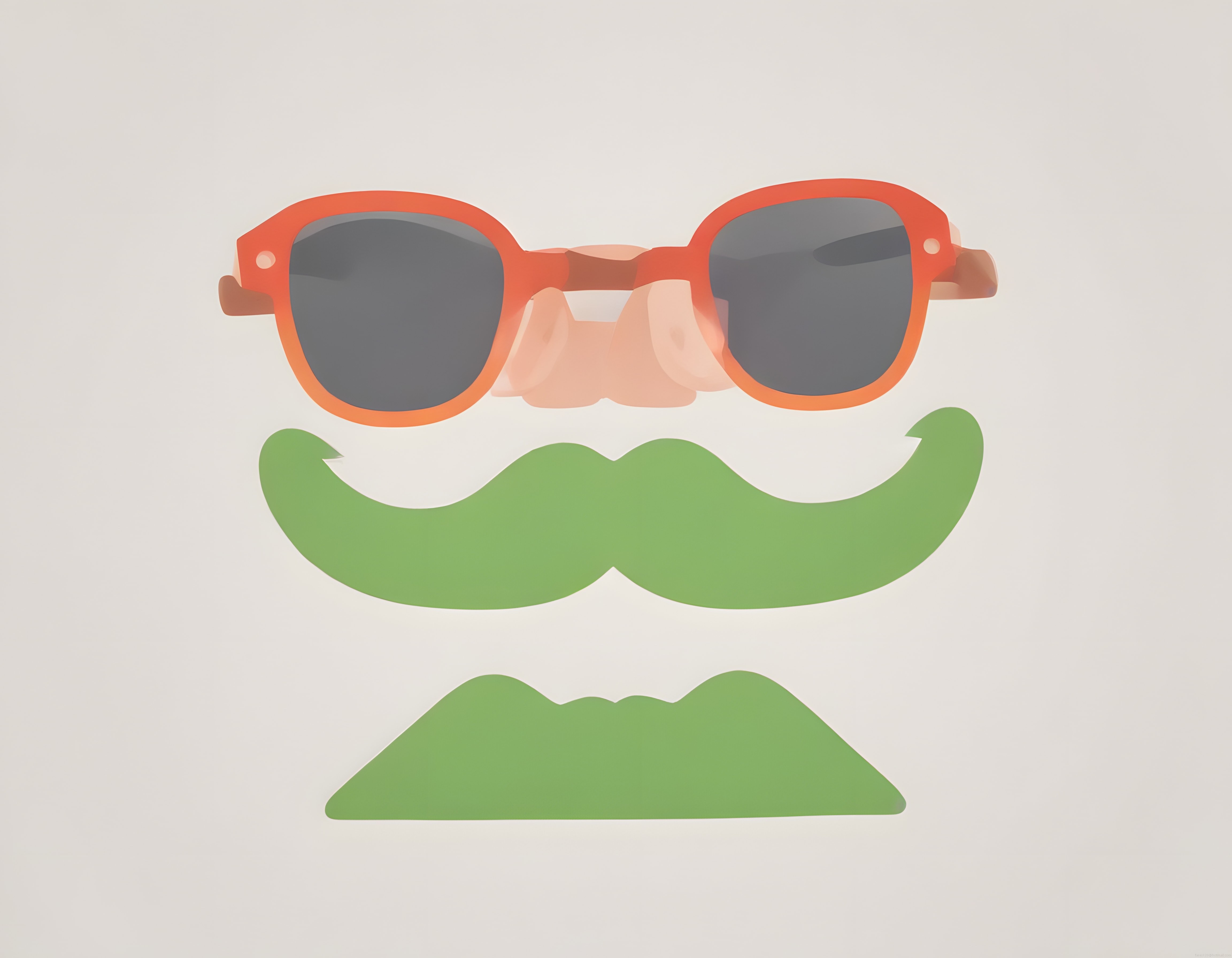
Çekim Tablosu
Belirtme (-i)bıyığı
Yönelme (-e)bıyığa
Bulunma (-de)bıyıkta
Çıkma (-den)bıyıktan
Tamlayan (-in)bıyığın
Çoğul (-ler)bıyıklar
Tanım
•Asma vb. bitkilerde sarılıp tutunmaya yarayan sürgün.
•Balıklarda deri uzantısı.
•Üst dudak üzerinde çıkan kıllar.
•Asma vb. bitkilerde, sarılıp tutunmaya yarayan sürgün
•Balıklarda deri uzantısı
•Üst dudak üzerinde çıkan kıllar
Diğer Dillerde
moustache
çekim: çoğul Oberlippenbärte · tamlayan Oberlippenbartes
köken: From Oberlippe (“upper lip”) + -n- + Bart (“beard”).
Oh mein Fell und Bärte! — Ah benim kürk ve bıyık!
FransızcaMoustache (dişil) /mus.taʃ/
moustache, mustache · whisker (of a cat)
çekim: çoğul moustaches
eş: bacchante, charmeuses
köken: Borrowed from Neapolitan mustaccio (compare Italian mostaccio), from Early Medieval Latin mustācium, from Byzantine Greek μουστάκιον (moustákion), diminutive from Ancient Greek μύσταξ (mústax).
aile: moustachu
Oh ma fourrure et les moustaches! — Ah benim kürk ve bıyık!
İspanyolcabigote, bozo, mostacho (eril) /biˈɡote/
moustache, mustache; moustaches, mustaches · whisker, whiskers (used when it's large and thick) (often in plural)
çekim: çoğul bigotes
eş: bigotes, mostacho, bozo, bigotera, bocera
köken: Perhaps from German bei Gott (“by God”), because, when taking an oath, some men, once they said "by God", aimed at the upper lip with the index finger, symbolising forming the cross with the fingers and kissing it. Compare Portuguese bigode and English bigot.
aile: bigotón, bigotudo, de bigote, de bigotes
Tom se está dejando crecer el bigote. — Tom bıyık bırakıyor.
Rusçaусы (eril) /ʊˈsɨ/
moustache · whiskers (of animals)
çekim: çoğul усы́ · tamlayan усо́в
eş: вибриссы
У него очень длинные усы. — Çoğu uzun bıyıklıdır.
Arapçaشَارِب
إذا هذا ما يخبرنا الخط الطولي به — Bıyıklar bunu gösteriyor.
Azericebığ /bɯɣ/
moustache
çekim: çoğul bığlar · tamlayan bığın
köken: Ultimately from Proto-Turkic *bïdïk.
Özbekçeburut, moʻylov
moustache
çekim: çoğul moʻylovlar
köken: Borrowed from Classical Persian مویلب (mōylab, “moustache”).
Tatarcaмыек
moustache · whiskers (of animals)
köken: From Common Kypchak mïyïq, from Proto-Turkic *bïdïk (“moustache”). Cognate with Bashkir мыйыҡ (mıyıq), Kazakh миық (miyq), Kyrgyz мыйык (mıyık), Azerbaijani bığ, Turkish bıyık (“moustache”), etc.
Felemenkçesnor, knevel
Oh mijn vacht en snorharen! — Ah benim kürk ve bıyık!
Portekizcebigode (eril) /biˈɡɔ.d͡ʒi/
moustache, mustache · whisker (long projecting hair at the sides of the mouth of a cat)
çekim: çoğul bigodes
köken: Unknown. Theories include: * from Middle High German bi got (“by God”) (modern bei Gott (“by God”)), due to the use of moustache by Landsknecht mercenaries; * from vigote, diminutive of viga (“beam”). Cognate with Galician bigode, Mirandese, Asturian, Spanish, and Aragonese bigote and Catalan bigoti.
aile: abigodado, abigodar, bigodado, bigodão, bigode chinês, bigode-de-arame, bigode-de-gato, bigodeado, bigodear, bigodeira
Então isso é o que os bigodes nos dizem. — Bıyıklar bunu gösteriyor.
Salvador Dalí tinha um bigode muito peculiar.
Sabes que o bigode / já não está na moda / nem com buços do vinho / dá mais música à bófia
Os tigres têm bigodes.
Yunancaμουστάκι (nötr)
moustache (UK), mustache (US)
çekim: çoğul μουστάκια · tamlayan μουστακιού
eş: μύστακας, μύσταξ, μουστάκα, μουστακάκι
köken: From Byzantine Greek μουστάκιον (moustákion), from a diminutive of Ancient Greek μύστᾱξ (mústāx), with the suffix -άκι(ον).
Ω γούνα και τα μουστάκια μου! — Ah benim kürk ve bıyık!
mustache, beard, whiskers
eş: 나룻
köken: Sino-Korean word from 鬚髥
aile: 아랫수염, 염소수염, 윗수염, 콧수염, 턱수염
박스 왼쪽과 오른쪽의 선이 범위를 나타냅니다 — Bıyıklar bunu gösteriyor.
İsveççemustasch /mɵˈstɑːɧ/
moustache (hair on upper lip)
çekim: çoğul mustascher · tamlayan mustaschs
köken: Borrowed from French moustache, from Italian mostaccio, ultimately Greek μύσταξ (mýstax, “upper lip; moustache”). Attested since circa 1680.
aile: fjunmustasch, mjölkmustasch, moppemustasch, mustaschborste, mustaschfladdermus, mustaschkam, mustaschkopp, mustaschodlare, mustaschodling, mustaschprydd
Och sedan har vi detta 3 och sedan har vi detta 3. — Kutu-bıyık diyagramı!
Lehçewąsy /ˈvɔw̃.sɘ/
nominative/accusative/vocative plural of wąs
eş: wąs
Uciąć mu wąsy! " — Onun bıyıkları ile kapalı! '
Ukraynacaву́са, ву́си
О, мій хутро і вуса! — Ah benim kürk ve bıyık!
Finceviikset, viiksi- /ˈʋiːkset/
moustache/mustache · whiskers (of a cat or other animal) · nominative plural of viiksi
çekim: çoğul viiksien · tamlayan viiksien
eş: räkäjarrut
köken: Nominative plural of viiksi.
aile: kissan viikset, amisviikset, hammasharjaviikset, happiviikset, hevosenkenkäviikset, Hitler-viikset, kalapuikkoviikset, mursunviikset, ohjaustankoviikset, viiksivaha
Oh my turkista ja viikset! — Ah benim kürk ve bıyık!
Çekçeknír (eril) /ˈkɲiːr/
mustache
çekim: çoğul kníry · tamlayan kníru
aile: kníratý, knírnatý, knírovatý, knírovitý, knírač, kníreček
Oh mou srst a vousy! — Ah benim kürk ve bıyık!
Rumencemustață (dişil) /musˈta.t͡sə/
moustache
çekim: çoğul mustăți · tamlayan mustăți
köken: From Early Medieval Latin mustācium (via its plural mustācia), ultimately from Ancient Greek μύσταξ (mústax). Compare Aromanian mustatsã.
aile: mustăcios
El are o mustață foarte lungă. — Çoğu uzun bıyıklıdır.
Macarcabajusz /ˈbɒjus/
moustache · whisker (one of the long, projecting hairs growing at the sides of the mouth of a cat, or other animal) · barbels (whisker-like sensory organs, located around the mouth of certain fish, including catfish, carp, goatfish, sturgeon, and some types of shark)
çekim: çoğul bajuszok
köken: Of unknown origin.
aile: bajszos, bajuszos, bajszú, bajuszú, bajuszka, somolyog, mosolyog, bazsalyog a bajsza alatt
Ki a bajusza! — Onun bıyıkları ile kapalı! '
1872, Mór Jókai, Az arany ember (Timar’s Two Worlds), part 1, chapter 2, translated by Mrs. Hegan Kennard
İbraniceשָׂפָם
Off עם שפם שלו! " — Onun bıyıkları ile kapalı! '
moustache
çekim: çoğul mystacēs · tamlayan mystacis
köken: From Ancient Greek μύσταξ (mústax, “upper lip”), of unknown origin (probably a Pre-Greek substrate).
aile: Fucaria mystax, Mammillaria mystax, Thryssa mystax, Ventrifossa mystax
Dancaoverskæg
moustache, mustache
çekim: çoğul overskæggene · tamlayan overskægs
Åh min pels og knurhår! — Ah benim kürk ve bıyık!
Norveççebart, barter, mustasje
Noen tilfeller finnes nesetippen, men ikke åpne nesebor (kun nesegroper). — Doğru olan resimlerinde, pala bıyıklar vardır; ancak küpe yoktur."
Endonezcekumis
moustache (hair on upper lip)
çekim: çoğul kumis-kumis
köken: From Malay kumis, from Proto-Malayic *kumis, from Proto-Malayo-Polynesian *kumis.
Off dengan kumisnya! " — Onun bıyıkları ile kapalı! '
Etimoloji
Eski Türkçe bıdık
Deyimler
aşağı tükürsen sakal yukarı tükürsen bıyık
bıyıkları terlemek
Örnek Cümleler
Altın bıyık!
Master gold!
Bıyık bırakıyor.
He is growing a mustache.
O bıyık uzatıyor.
He grows a mustache.
Tom bıyık uzattı.
Tom grew a mustache.
Tom bıyık bıraktı.
Tom grew a moustache.
Ben bıyık uzattım.
I grew a mustache.
Bıyık Tom'a uyuyor.
A mustache suits Tom.
Tom bıyık bırakıyor.
Tom is growing a mustache.
Bıyıklı şu adam kim?
Who's that guy with the mustache?
Kutu-bıyık diyagramı!
Let's see, there's one 2, so we mark it off.
Tom bıyıklarını burdu.
Tom twirled his mustache.
Tom bir bıyık uzatıyor.
Tom is growing a mustache.