Sözlük
/abaküs
abaküs
"abaküs" kelimesinin İngilizcesi: abacus, abacus. Anlamı, çevirisi, telaffuzu ve örnek cümleler aşağıdadır.
Çeviri
Matematikabacusnoun
Genelabacus
Görsel
Çekim Tablosu
Belirtme (-i)abaküsü
Yönelme (-e)abaküse
Bulunma (-de)abaküste
Çıkma (-den)abaküsten
Tamlayan (-in)abaküsün
Çoğul (-ler)abaküsler
Tanım
•sayı boncuğu, çörkü, mihsap
•yatay olarak sütun başlığının üstüne konan ve kenarlarından biraz dışarı taşan taş blok
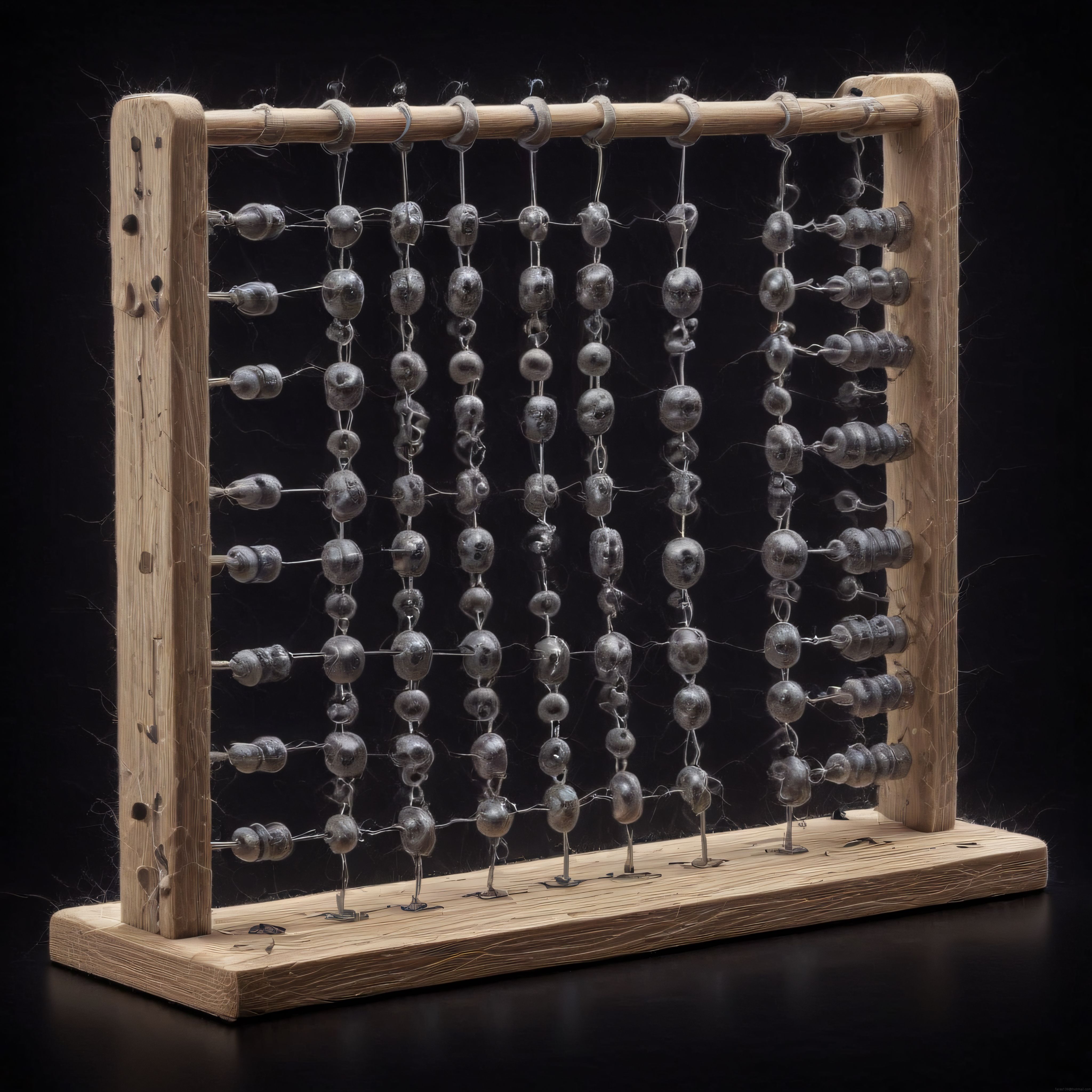
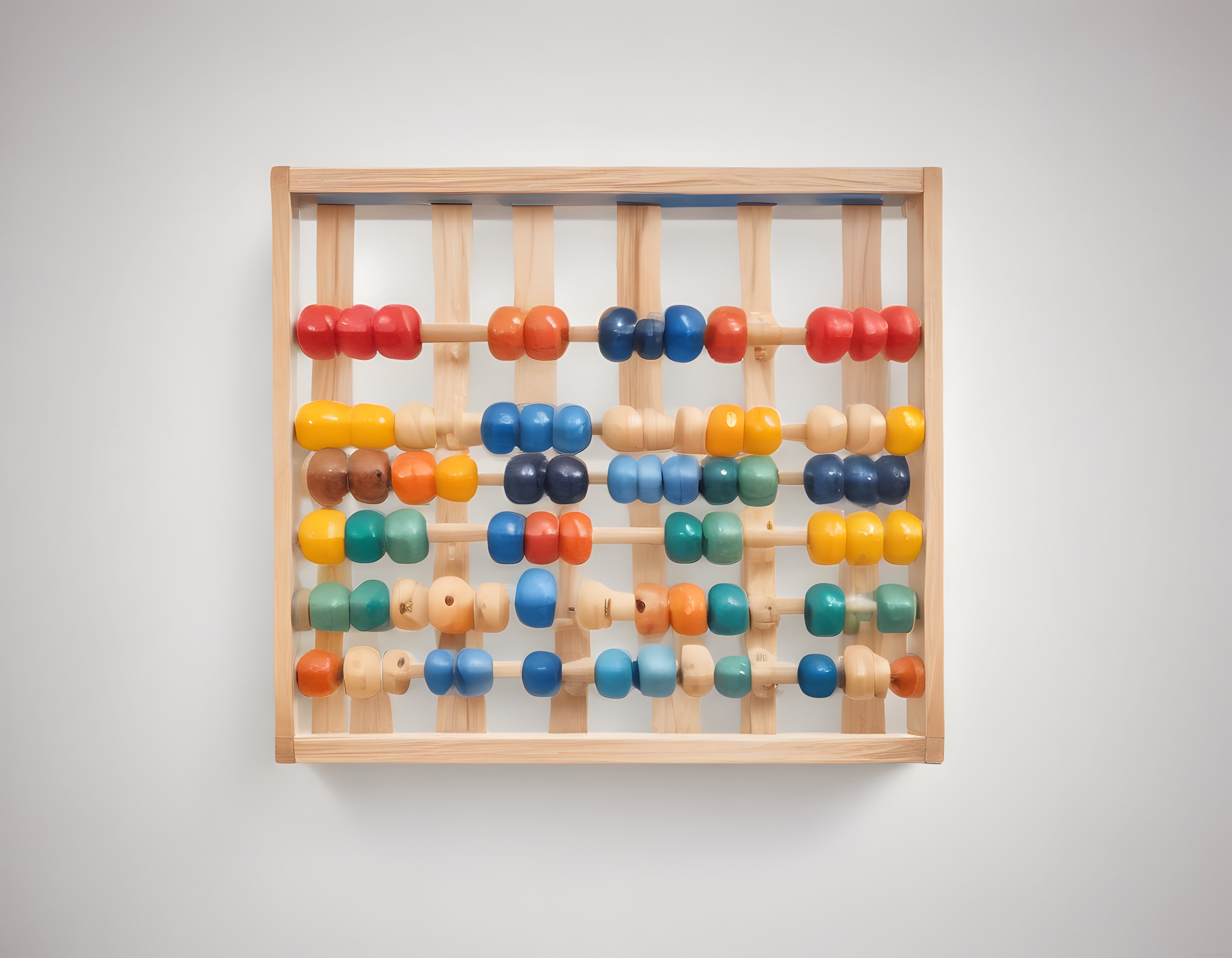
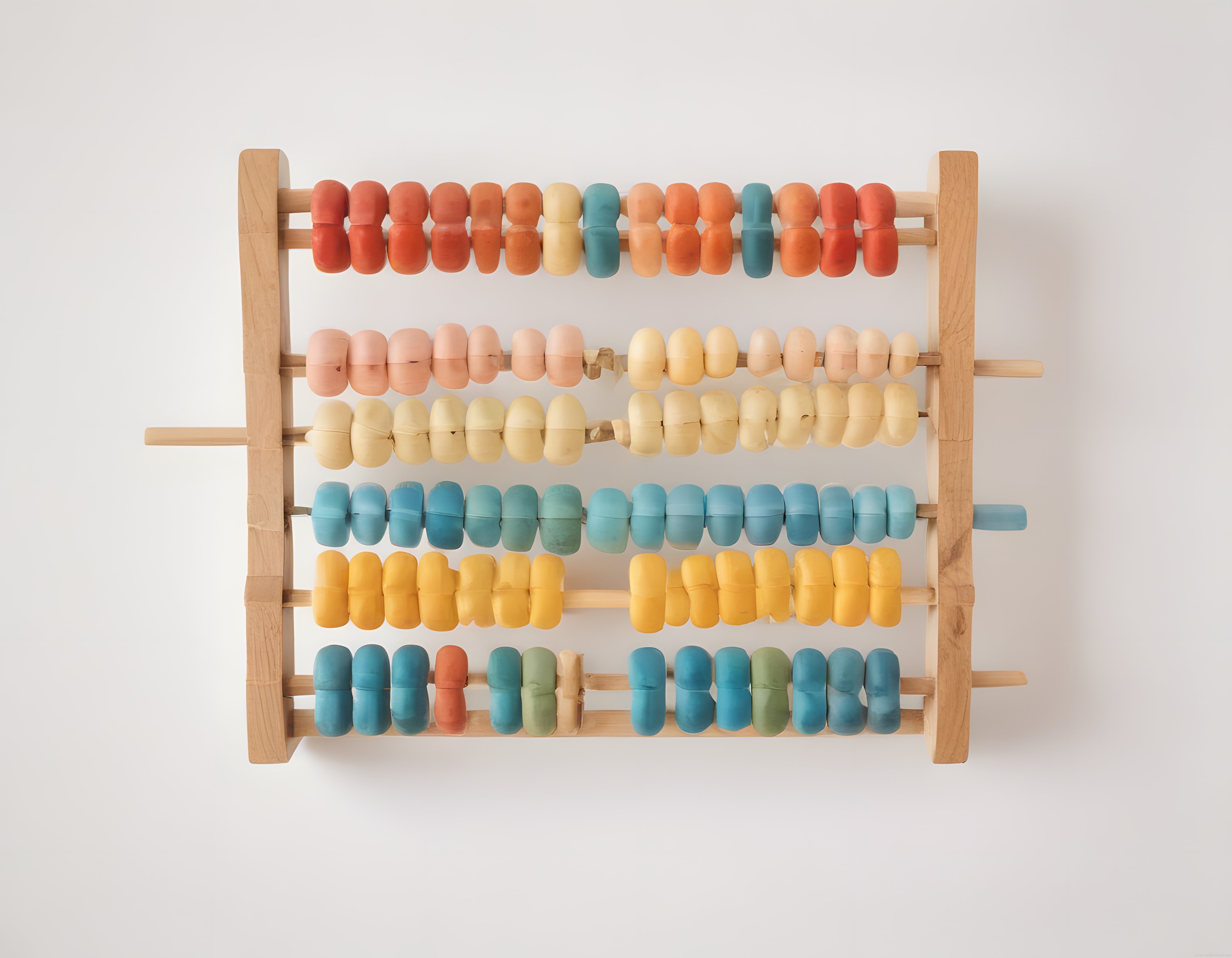
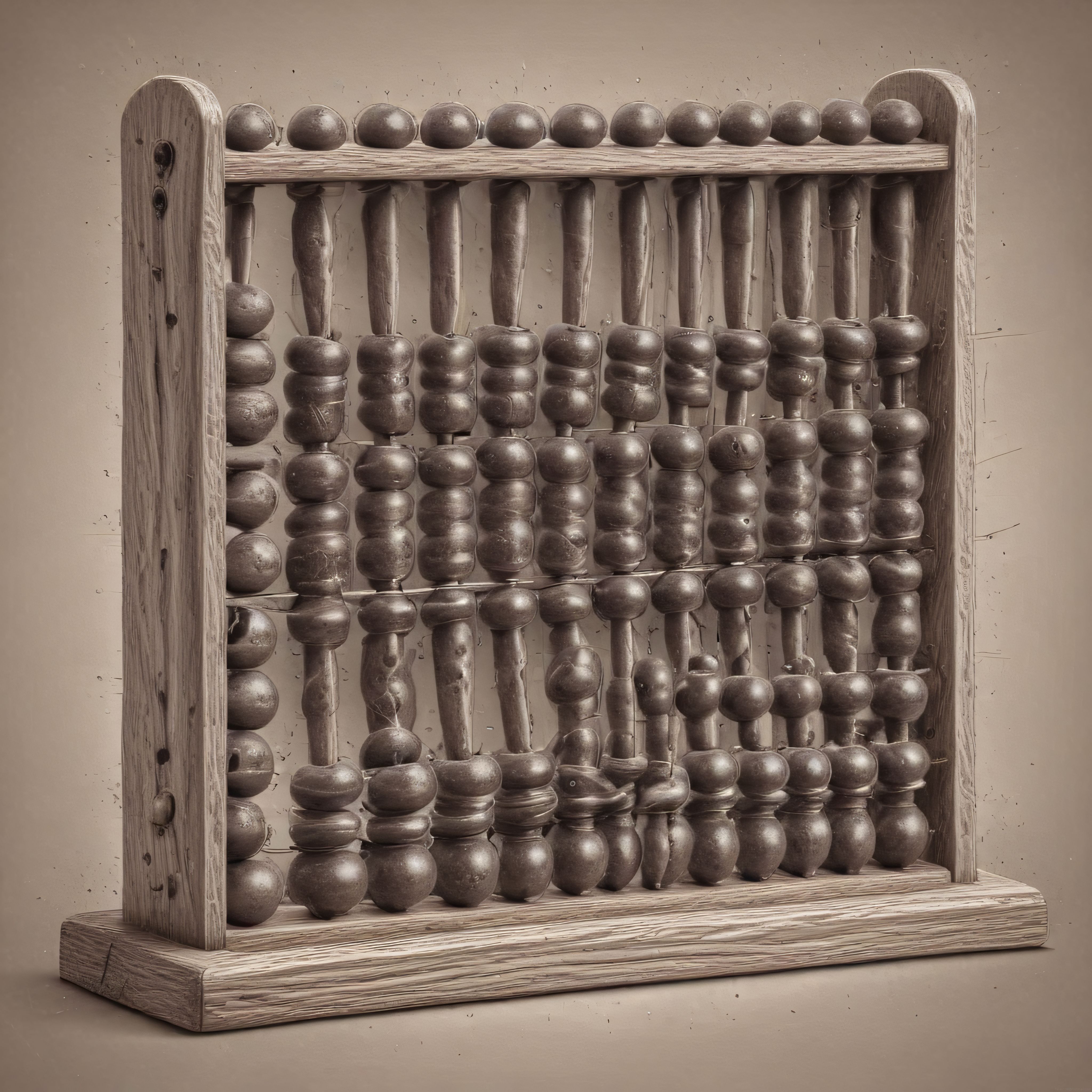
•Basit sayma ve hesap işleri yapmakta kullanılan, her teline onar boncuk geçirilmiş hesap aracı
•Yatay olarak sütun başlığının üstüne konan ve kenarlarından biraz dışarı taşan taş blok
Diğer Dillerde
Almancaabakus (eril) /ˈabakʊs/
abacus (table with balls on wires or counters in groves, for counting) · abacus (uppermost part of a column)
çekim: çoğul Abakusse · tamlayan Abakusse
eş: Rechenbrett
köken: Borrowed from Latin abacus, genitive and plural abacī.
Als Beispiel: 3/5 wären 6 von 10 auf einem Abakus — 3/5, abaküste 10'da 6 olarak ifade ediliyordu.
Die Abakus sind aber beschriftet, […]
[…] auch die Abaki der übrigen Kapitelle sind für das Gebälk dieser Halle zu schmal, […]
Die Abakusse aller Kapitelle […]
Fransızcaabaque, Abaque, boulier (eril) /a.bak/
an abacus for counting · the abacus of a column · a nomogram
çekim: çoğul abaques
eş: boulier, tailloir
köken: From Latin abacus.
3/5 aurait été 6 ôté de 10 sur un boulier. — 3/5, abaküste 10'da 6 olarak ifade ediliyordu.
İspanyolcaábaco (eril) /ˈabako/
abacus
çekim: çoğul ábacos
eş: tablero contador, nomograma
köken: Borrowed from Latin abacus, from Ancient Greek ἄβαξ (ábax, “a calculation board covered with sand”).
aile: ábaco neperiano
3/5 serían 6 de 10 en el ábaco. — 3/5, abaküste 10'da 6 olarak ifade ediliyordu.
İtalyancaabaco, credenza, pallottoliere (eril) /ˈa.ba.ko/
abacus (calculating frame) · multiplication table · the art of counting
çekim: çoğul abachi
eş: pallottoliere, tavola pitagorica, aritmetica, calcolo, nomogramma, coronamento del capitello
köken: From Latin abacus (“counting board”), from Ancient Greek ἄβαξ (ábax, “board”).
aile: abachista
3/5 sarebbe 6 su 10 su un abaco — 3/5, abaküste 10'da 6 olarak ifade ediliyordu.
abacus (calculating frame) · calculations, reckoning · score
çekim: çoğul счётов · tamlayan счётов
eş: абак, расчёты, претензии, недовольство
Первые дверные звонки были механическими. — İlk hesap makineleri abaküsler idi.
своди́ть/свести́ счёты
abacus
çekim: çoğul چرتکهها
köken: From earlier چتکه (čotke), from Russian чётки (čótki). Abdoltajedini derives from Russian счёты (sčóty), which is semantically more related.
abacus (calculating frame)
çekim: çoğul çötkələr · tamlayan çötkənin
köken: Borrowed from Russian чётки (čótki) or Russian счёты (sčóty).
abacus
çekim: çoğul абактар · tamlayan абактың
köken: Borrowed from Russian аба́к (abák), from French abaque, from Latin abacus; from Ancient Greek ἄβαξ (ábax, “board covered with sand”).
Özbekçechoʻt
Felemenkçetelraam, abacus
Bijvoorbeeld: 3/5 was dan 6 uit 10 op een telraam. — 3/5, abaküste 10'da 6 olarak ifade ediliyordu.
Yunancaάβακας (eril) /ˈa.va.kas/
abacus (for arithmetic operations) · abacus (sand tray used in mathematics) · abacus (structure at the top of a classical column)
çekim: çoğul άβακες · tamlayan άβακα
köken: Learned borrowing from Ancient Greek ἄβαξ (ábax) from the accusative singular "τόν ἄβακα".
abacus
köken: From English abacus.
中国人は、分子に「子」という 愛らしい名前を付けた。 — 3/5, abaküste 10'da 6 olarak ifade ediliyordu.
İsveççekulram
an abacus (calculating frame)
çekim: çoğul kulramar · tamlayan kulrams
köken: kula + ram
3/5 blir 6 utav 10 på en kulram. — 3/5, abaküste 10'da 6 olarak ifade ediliyordu.
Lehçeliczydło (nötr) /liˈt͡ʂɘ.dwɔ/
counting frame (device composed of a frame and movable knobs placed on rods, used to perform simple arithmetic operations) · indicating mechanism of a counter · twisted-stalk (any plant of the genus Streptopus)
çekim: çoğul liczydła · tamlayan liczydła
köken: Etymology tree Proto-Slavic *ličьdlo Polish liczydło Inherited from Proto-Slavic *ličьdlo. By surface analysis, liczyć + -dło.
3/5 na liczydle były jako 6 z 10 — 3/5, abaküste 10'da 6 olarak ifade ediliyordu.
Ukraynacaрахівни́ця
Fincehelmitaulu, katelaatta, laskulauta, laskutaulu /ˈhelmiˌtɑu̯lu/
abacus (calculating frame)
çekim: çoğul helmitaulut · tamlayan helmitaulun
köken: helmi (“pearl”) + taulu (“table”)
Çekçeabakus, počítadlo (eril) /ˈabakus/
abacus (a calculating table or frame) · abacus (the uppermost portion of the capital of a column)
çekim: çoğul abaky · tamlayan abaku
eş: nadhlavice, kredenční, stolek
köken: Borrowed from Latin abacus, abax (“sideboard or table with a slab at the top; slab at the top of a column; counting board, sand table; board for playing games”) (compare Late Latin abacus (“art of arithmetic”)), from Ancient Greek ἄβαξ (ábax, “counting board; board covered with sand for drawing; plate; dice-board”).
3/5 by bylo 6 z 10 na počitadle — 3/5, abaküste 10'da 6 olarak ifade ediliyordu.
abacus · nomogram
çekim: çoğul abace · tamlayan abacului
köken: Borrowed from French abaque.
Egiptenii antici foloseau fracţii unitare. — Örneğin: 3/5, abaküste 10'da 6 olarak ifade ediliyordu.
Macarcaabakusz, számvető /ˈɒbɒkus/
abacus (an instrument for performing arithmetical calculations by balls sliding on wires) · abacus (the uppermost member or division of the capital of a column)
çekim: çoğul abakuszok
köken: Borrowed from Latin abacus (“sideboard; counting board”), from Ancient Greek ἄβαξ (ábax, “board”), possibly from Hebrew אבק (āvāq, “dust”).
aile: abakuszos
Például: 3/5 úgy nézne ki, hogy 10-ből 6 egy abacuson. — 3/5, abaküste 10'da 6 olarak ifade ediliyordu.
İbraniceחֶשְׁבּוֹנִיָּה, חשבונייה
בתרבות הסינית השתמשו באבאקוס — Çinliler ise abaküsü kullandılar.
Dancaabacus, kugleramme, regnebræt, regnetavle (nötr) /kuːlɔramə/
abacus (calculating frame)
çekim: çoğul kuglerammer · tamlayan kuglerammes
köken: From kugle (“ball”) + ramme (“frame”).
Norveççekuleramme
Namco er av de største spillutviklerne i Japan. — Ono, Japonya'nın en büyük abaküs üreticilerinden biridir.
Endonezcedekak-dekak, sempoa /dəˌkak dəˈkak/
synonym of sempoa (“abacus”)
Kandang dibuat dengan desain dan ukuran tertentu. — Abaküs bir tahta ve bir çerçeveden oluşur.
Vietnamcabàn tính, đầu cột, đỉnh cột /ʔɓaːn˨˩ tïŋ˧˦/
abacus (calculating frame)
köken: bản + tính.
3/5 sẽ là 6 trên 10 trên abacus — 3/5, abaküste 10'da 6 olarak ifade ediliyordu.
Etimoloji
Osmanlı Türkçesi آباكوس (abaküs) sözcüğünden devralındı, Fransızca abacus sözcüğünden, Latince abacus sözcüğünden, Eski Yunanca ἄβαξ (ábax) sözcüğünden.
Kelime Ailesi
Eş & Zıt Anlamlılar
Örnek Cümleler
Abaküs !
Abacus !
Abaküs ?
Abacus ?
Patron ! abaküs !
Boss! abacus !
Muhasebeci abaküs !
Yes ! accountant abacus and his men !
Ben abaküs canavarı !
I am monster abacus!
Abaküs bir Çin icadıdır.
The abacus is a Chinese invention.
Abaküsler hesaplama aracıdır.
Abacuses are counting devices.
Abaküs bir hesaplama aracıdır.
The abacus is a calculating tool.
İlk hesap makineleri abaküsler idi.
The first test subjects were human cadavers.
Abaküs sayı saymada kullanılan bir araçtır.
An abacus is a tool used in counting.
İnsanların ilk hesaplama aracına abaküs denir.
The first calculating tool of mankind is called an abacus.
3/5, abaküste 10'da 6 olarak ifade ediliyordu.
3/5 would be 6 out of 10 on an abacus