Sözlük
/Yalıçapkını
yalıçapkını
noun
TR → EN
"yalıçapkını" kelimesinin İngilizcesi: halcyon, kingfisher, kingfisher, kingfisher. Anlamı, çevirisi, telaffuzu ve örnek cümleler aşağıdadır.
Çeviri
Genelhalcyon
Genelkingfisher
Genelkingfisher
Genelkingfisher
Görsel
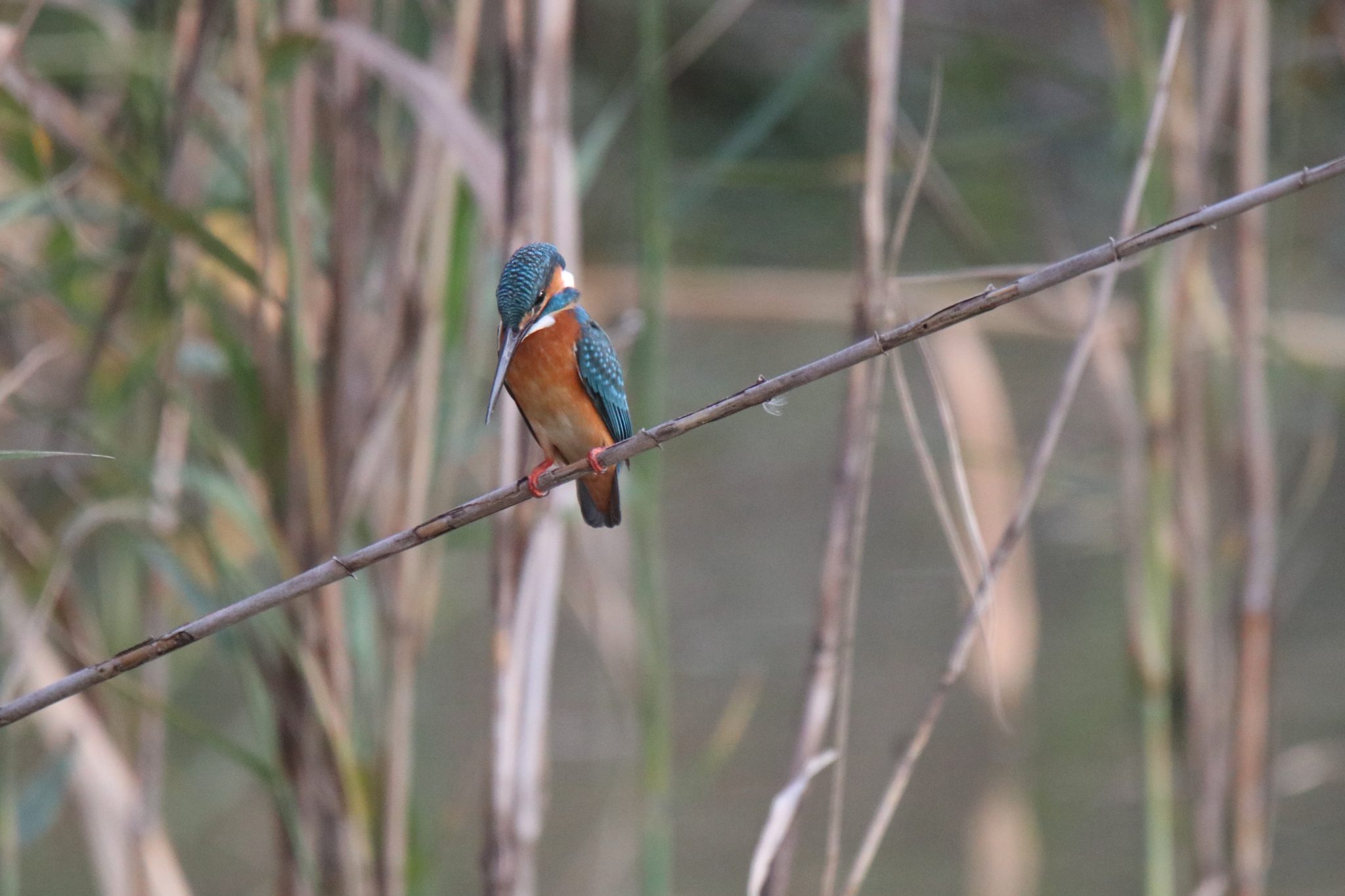

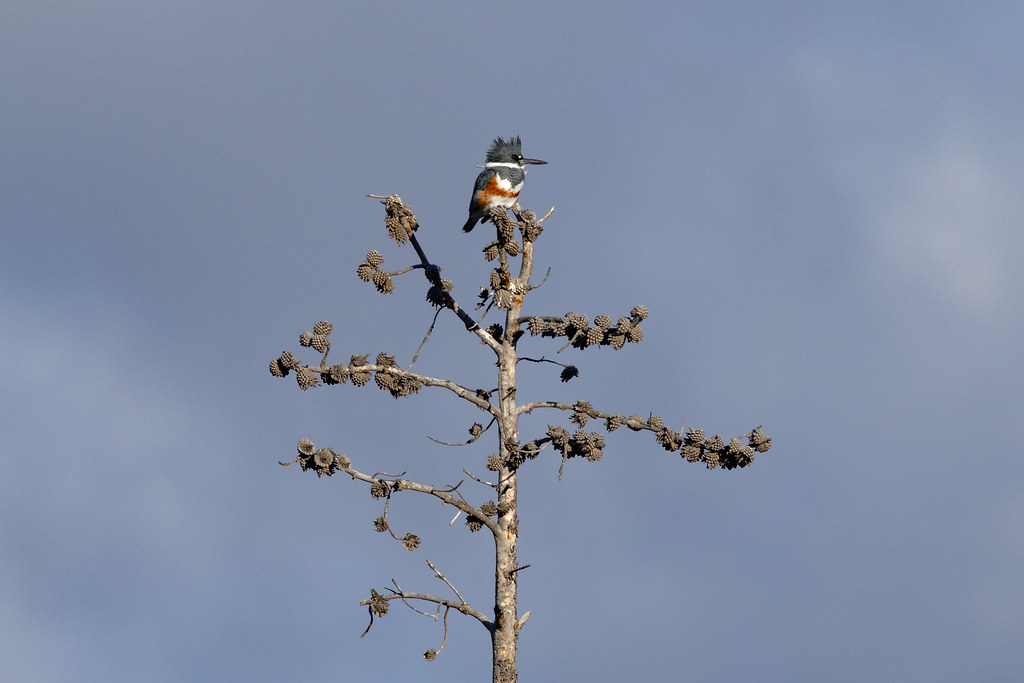

Çekim Tablosu
Belirtme (-i)yalıçapkınıı
Yönelme (-e)yalıçapkınıa
Bulunma (-de)yalıçapkınıda
Çıkma (-den)yalıçapkınıdan
Tamlayan (-in)yalıçapkınıın
Çoğul (-ler)yalıçapkınılar
Tanım
•Yalıçapkınıgiller familyasından, su kıyılarında yaşayan, sırtı mavi ve yeşil, karnı pas rengi bir yalıçapkını türü
•Yalıçapkınıgiller familyasının Alcedo, Ceyx ve Ispidina cinsinden kuş türlerinin ortak adı
•Yalıçapkınıgillerden, su kıyılarında yaşayan, sırtı mavi ve yeşil, karnı pas rengi bir kuş
Diğer Dillerde
AlmancaEisvogel, friedlich, glücklich, ruhig (eril)
kingfisher (any of various birds of the suborder Alcedines)
çekim: çoğul Eisvögel · tamlayan Eisvogels
eş: Eisenkeil, Fischer, Uferspecht, Wasserspecht, Seespecht, Eisengart
köken: From Middle High German īsvogel, from Old High German īsfogal; compare Dutch ijsvogel, Icelandic ísfugl. By surface analysis, Eis + Vogel. The former stem, however, is considered to be a variant of Eisen (Old High German īsarn), most likely referring to the green-blue upperparts with pale azure-blue back and rump of the adult bird. But compare parallel Czech ledňáček, Russian леди́нник (ledínnik)…
Fransızcahalcyon, martin-pêcheur
Variante de alcyon.
Il se nourrit de poissons qu'il pêche en plongeant. — Yalıçapkını sulak alanlarda suya dalarak yakaladığı balıklarla beslenir.
İspanyolcaalcedón, alción, martín pescador (eril) /alθeˈdon/
kingfisher
çekim: çoğul alcedones
eş: Martín pescador
köken: Borrowed from Latin alcēdinem, from Ancient Greek ἀλκυών (alkuṓn, “kingfisher”). Adapted to -ón.
Se alimenta de peces los que captura zambulléndose en el agua. — Yalıçapkını sulak alanlarda suya dalarak yakaladığı balıklarla beslenir.
Rusçaзимородок голубой
Arapçaسَلْدَج, قِرِلَّى
وهو يتغذى بالأسماك الصدفية التي يجدها في قاع المحيط. — Yalıçapkını sulak alanlarda suya dalarak yakaladığı balıklarla beslenir.
Farsçaماهیخورک
Azericezərricələr
Felemenkçeijsvogel (eril) /ˈɛi̯sˌvoː.ɣəl/
common kingfisher (Alcedo atthis) · kingfisher, any bird of the Alcedinidae
çekim: çoğul ijsvogels
köken: From Middle Dutch ijsvōgel. Equivalent to ijs (“ice”) + vogel (“bird”). There is some dispute about the origin of the name, some relate the first element to ijzer (“iron”) instead. Compare German Eisvogel, Icelandic ísfugl.
Portekizceguarda-rios, martim-pescador, pica-peixe (eril) /ˌɡwaʁ.dɐˈʁi.us/
kingfisher (any of various birds of the suborder Alcedines)
Yunancaαλκυόνη (dişil) /alciˈoni/
Alcyone, one of the Pleiades, daughters of Atlas and Pleione. · Alcyone the daughter of Aeolus. · A star group in Taurus known as the Pleiades.
çekim: çoğul αλκυόνες · tamlayan αλκυόνης
köken: From Ancient Greek Ἀλκυόνη (Alkuónē).
İsveççekungsfiskare /kɵŋsˈfɪskarɛ/
common kingfisher (Alcedo atthis)
çekim: çoğul kungsfiskares · tamlayan kungsfiskares
köken: From kung (“king”) + -s- + fiska (“fish”) + -are (“-er”).
Lehçezimorodek (eril) /ʑi.mɔˈrɔ.dɛk/
kingfisher
çekim: çoğul zimorodki · tamlayan zimorodka
köken: From zima (“winter”) + -o- + rodzić (“to give birth”) + -ek, literally “born in winter”. Parallel to Russian зиморо́док (zimoródok). Compare typologically Czech ledňáček, Russian леди́нник (ledínnik) (akin to Russian лёд (ljod)); Danish isfugl, Dutch ijsvogel, German Eisvogel, Hungarian jégmadár, Old English īsearn. See, however, German Eisvogel for another conjecture.
Ukraynacaбезтурбо́тність, водомороз, водоморо́з, зимородок, зиморо́док, іванок (eril) /ˈzɪmɔrɔdɔk/
kingfisher
çekim: çoğul зи́мородки · tamlayan зи́мородка
Fincejäälintu, kuningaskalastaja, kuningaskalastaja-, metsäkalastaja, tyven /ˈjæːˌlintu/
halcyon (in classical legends, a bird said to nest on the sea, thereby calming it)
çekim: çoğul jäälinnut · tamlayan jäälinnun
köken: jää (“ice”) + lintu (“bird”)
Çekçealkyón, blažený, idylický, klidný, ledňáček, šťastný /ˈblaʒɛniː/
blissful, happy
çekim: karşılaştırma blaženější · üstünlük nejblaženější
eş: šťastný, blaživý, blahý
Macarcahalcion, halkapó, jégmadár /ˈjeːɡmɒdaːr/
common kingfisher (Alcedo atthis) · kingfisher (any member of family Alcedinidae)
çekim: çoğul jégmadarak
köken: From jég (“ice”) + madár (“bird”). Calque of German Eisvogel.
İbraniceשַׁלְדָּג
Latincealcēdō, alcyōn, halcēdō, halcyōn
Dancaisfugl
common kingfisher (Alcedo atthis).
çekim: çoğul isfugle · tamlayan isfugls
köken: Calque of German Eisvogel.
Endonezceraja-udang
Vietnamcabói cá /ʔɓɔj˧˦ kaː˧˦/
kingfisher
köken: From bói (“to divine, to fortune-telling”) + cá (“fish”), literally "fish fortune teller".
peace · peaceful (during time of peace) · peaceful, still, quiet
çekim: karşılaştırma по́-ми́рни · üstünlük на́й-ми́рни
köken: Inherited from Proto-Slavic *mirьnъ. By surface analysis, мир (mir) + -ен (-en).
Водният кос се храни с животинска храна, която лови във водата. — Yalıçapkını sulak alanlarda suya dalarak yakaladığı balıklarla beslenir.
Slovakçarybárik (eril) /ribaːrik/
a male surname
Let roziel je kolísavý, s krátkymi periódami plachtenia. — İzmir yalıçapkınının uçuşu hızlı vököle direkttir, kısa yuvarlaklaşmış kanatları vardır.
Slovencevodómec
Letoncazivju dzenītis
Kelime Ailesi
Alcedo atthis
Eş & Zıt Anlamlılar
Örnek Cümleler
Bayağı yalıçapkını
Common kingfisher
Kuşaklı yalıçapkınının Latince tür adı ( Megaceryle alcyon ) da onun adına atıfta bulunur.
The belted kingfisher's Latin species name (Megaceryle alcyon) also references her name.