Sözlük
/somun
somun
Görsel
Çekim Tablosu
Belirtme (-i)somunu
Yönelme (-e)somuna
Bulunma (-de)somunda
Çıkma (-den)somundan
Tamlayan (-in)somunun
Çoğul (-ler)somunlar
Tanım
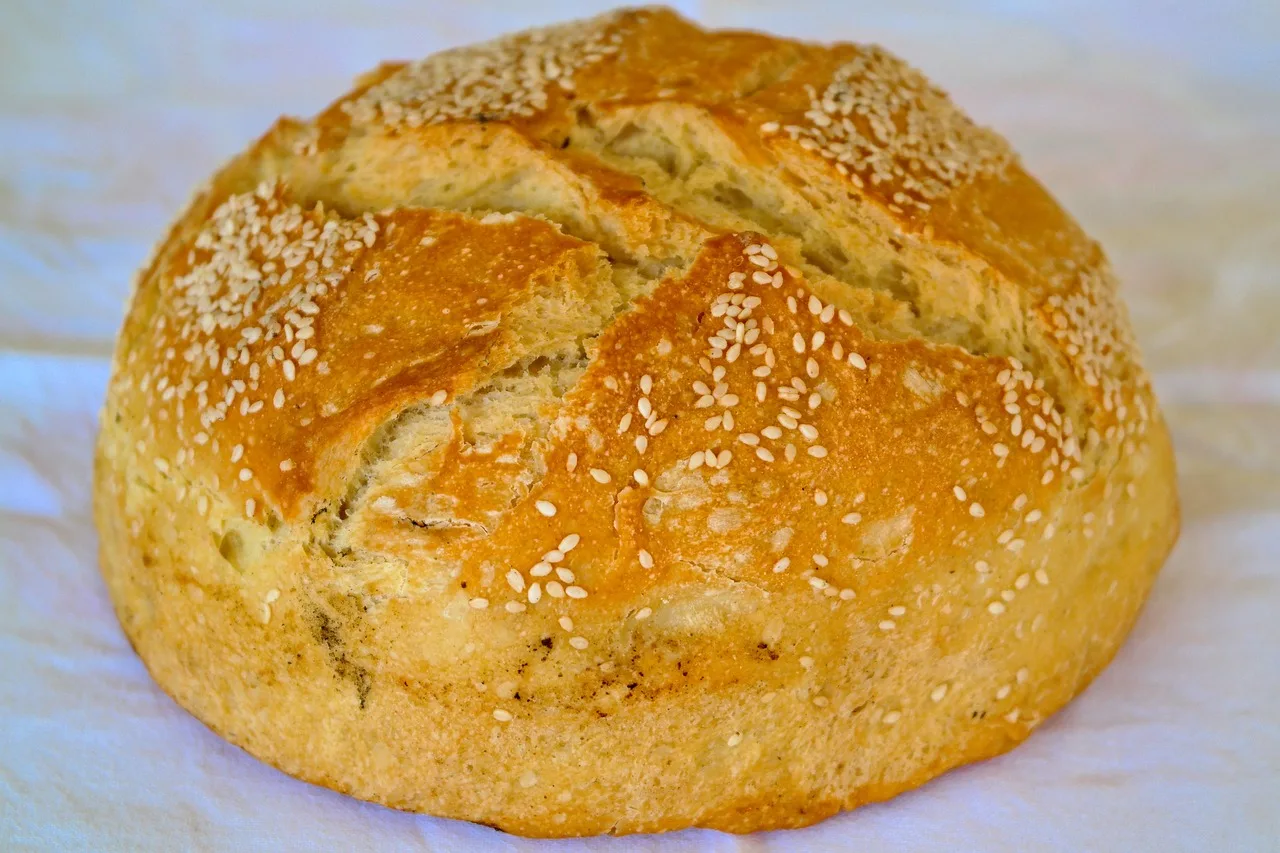
•isim: Yuvarlak, altı düz, üstü kabarık ekmek
•isim, teknik: Cıvatanın ucuna geçirilen, içi yivli demir başlık
Diğer Dillerde
FransızcaÉcrou, Miche (de pain) (eril) /e.kʁu/
nut (that fits on a bolt), female screw
çekim: çoğul écrous
köken: Masculinized form from Middle French escroue, from Old French escroe, from Latin scrōfa, originally “sow (female pig)”; compare Occitan escrofa (“screw nut”), Sicilian scrufina (“screw nut”). The change in meaning is also found in Spanish puerca, Portuguese porca, both “sow; screw nut”, and is based on the fact that a boar's penis has a screw-like tip, making the sow's vulva equivalent to a screw…
aile: écrouer
Mais pensez à une miche de pain. — Ama bir somun ekmeği düşünün.
levée d'écrou
billet d'écrou
Rusçaгайка, круглый хлеб, каравай (dişil) /ˈɡajkə/
nut (fastener intended to be screwed onto a threaded bolt)
çekim: çoğul га́йки · tamlayan га́йки
köken: Per Trubachev and Anikin (although Vasmer expressed skepticism) from Proto-Slavic *gajьka (“something that connects; something that prohibits”), derived from Proto-Slavic *gajiti (“to protect”). Attested since 17th century. Cognates include Serbo-Croatian gȃjka (“movable ring; nut”), dialectal Czech hajka (“straw landmark on a pole as a sign prohibiting road use”), Ukrainian га́їти (hájity, “to…
Э-э ... черника бар гайки? — Ah ... yabanmersini somun bar?
een rond of langwerpig soort brood
Dit proces heet renderen. — Bu işleme somunlama adı verilir.
Etimoloji
Fransızca saumon (fr)
Örnek Cümleler
Somunları sıktım.
I tightened the nuts.
İki somun ekmek aldım.
I bought two loaves of bread.
O, bir somun ekmek aldı.
She bought a loaf of bread.
Tom üç somun ekmek aldı.
Tom bought three loaves of bread.
Tom somunları sıkıştırdı.
Tom tightened the nuts.
Ben etli somun istiyorum.
I'd like meat loaf.
Anne bir somun ekmek aldı.
Mother bought a loaf of bread.
Bu civata bu somuna uyuyor.
This bolt fits this nut.
Tom üç somun ekmek pişirdi.
Tom baked three loaves of bread.
Tom ekmek somununu dilimledi.
Tom sliced the loaf of bread.
Ama bir somun ekmeği düşünün.
But think about a loaf of bread.
Sana bir somun ekmek pişirdim.
I baked you a loaf of bread.
İlgili Sorular
Bir somun buğday ekmeği kaç kalori içerir?
Bir dilim yerine bütün bir somun buğday ekmeğinin kalori miktarı nedir?
Buğday ekmeği bir somun olarak ne kadar kaloriye sahiptir?
Sizin bölgenizde bir somun ekmek kaç para? Bizde 0,5 GEL, yaklaşık 0,25 USD.
Sizin ülkede bir somun ekmek ne kadar? Bizde 0,5 GEL, yani yaklaşık 0,25 USD.
Birleşik Kelimeler
kulaklı somun