Sözlük
/noel
noel
"noel" kelimesinin İngilizcesi: yule, christmas, christmas, christmas. Anlamı, çevirisi, telaffuzu ve örnek cümleler aşağıdadır.
Çeviri
Genelyule
Genelchristmas
Genelchristmas
Genelchristmas
Görsel
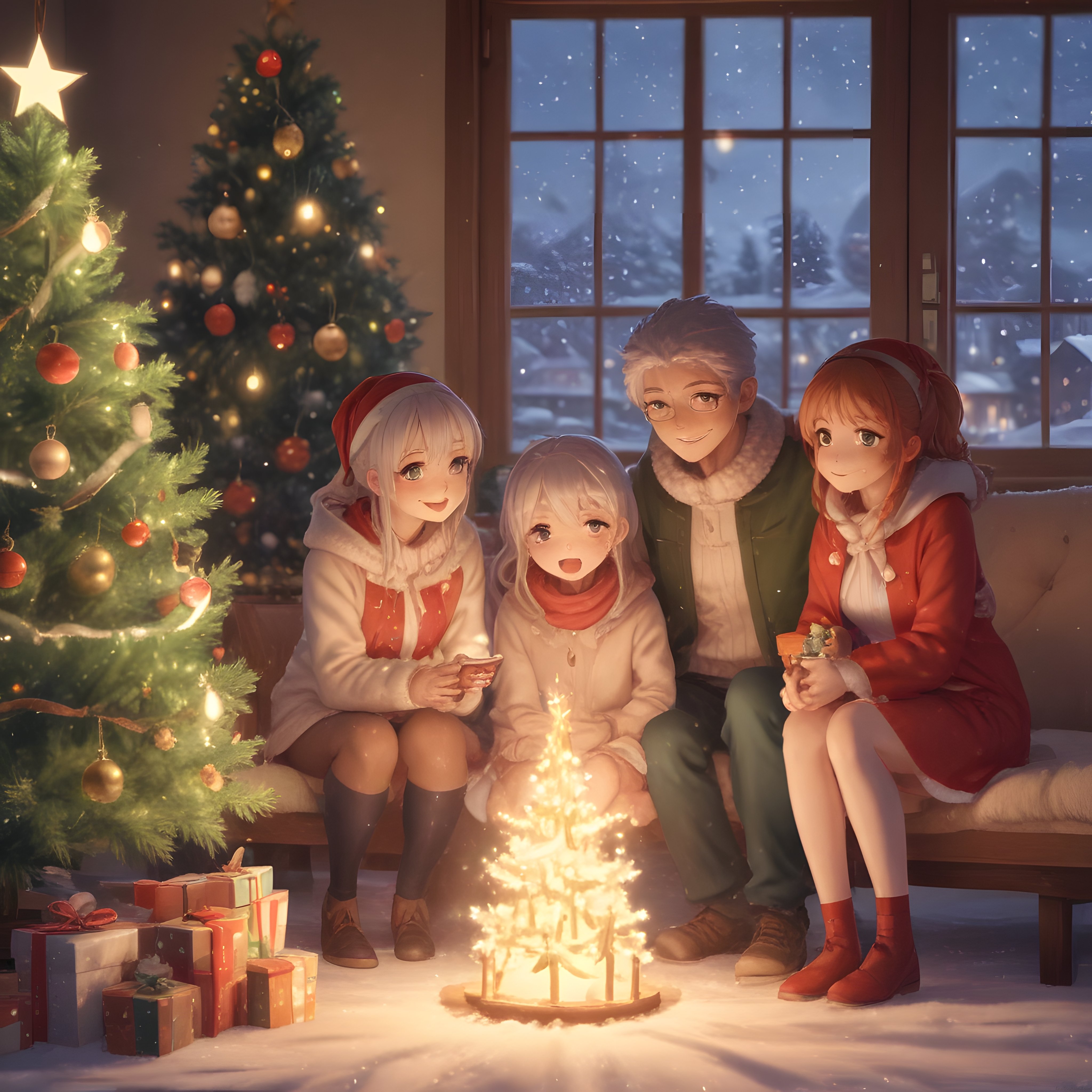
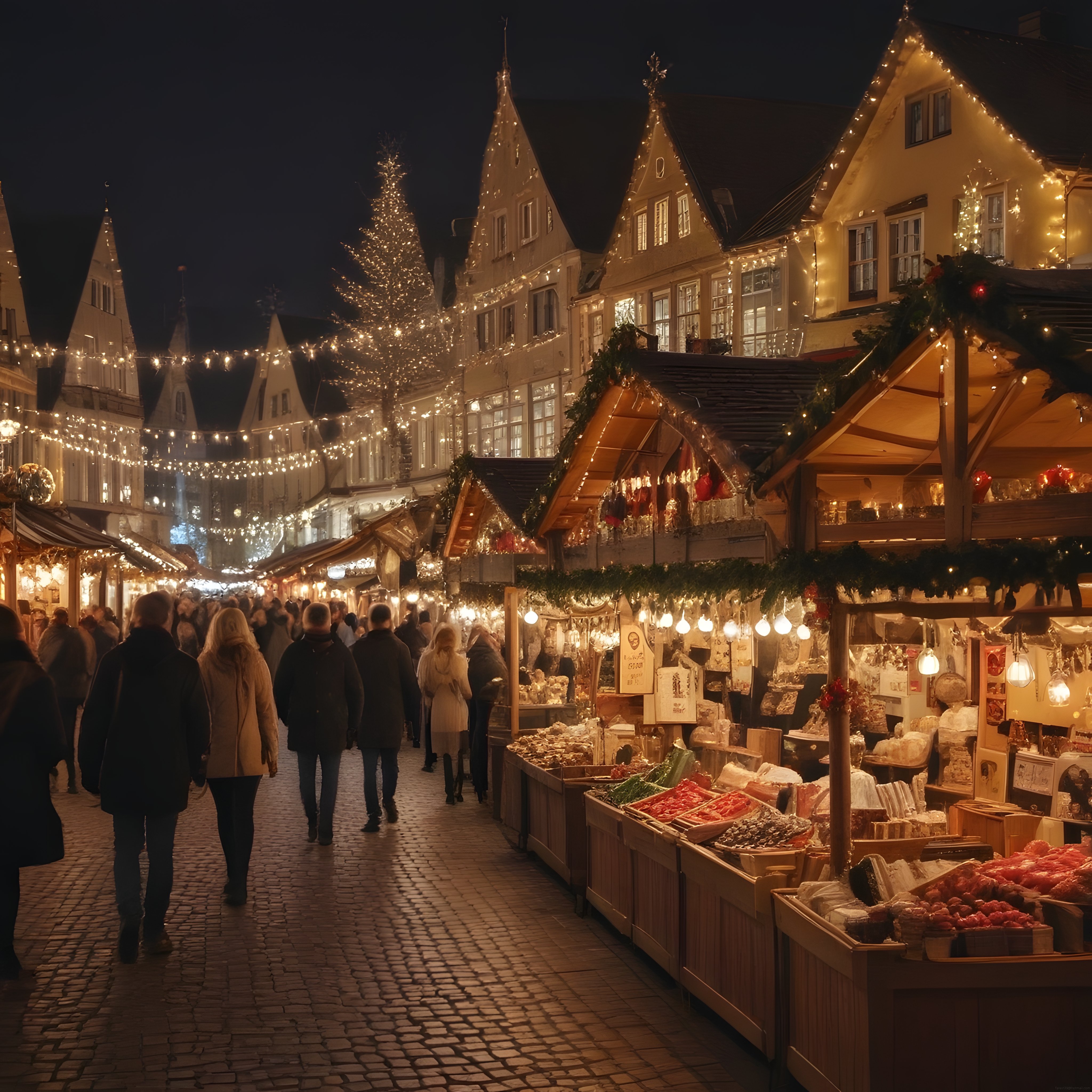

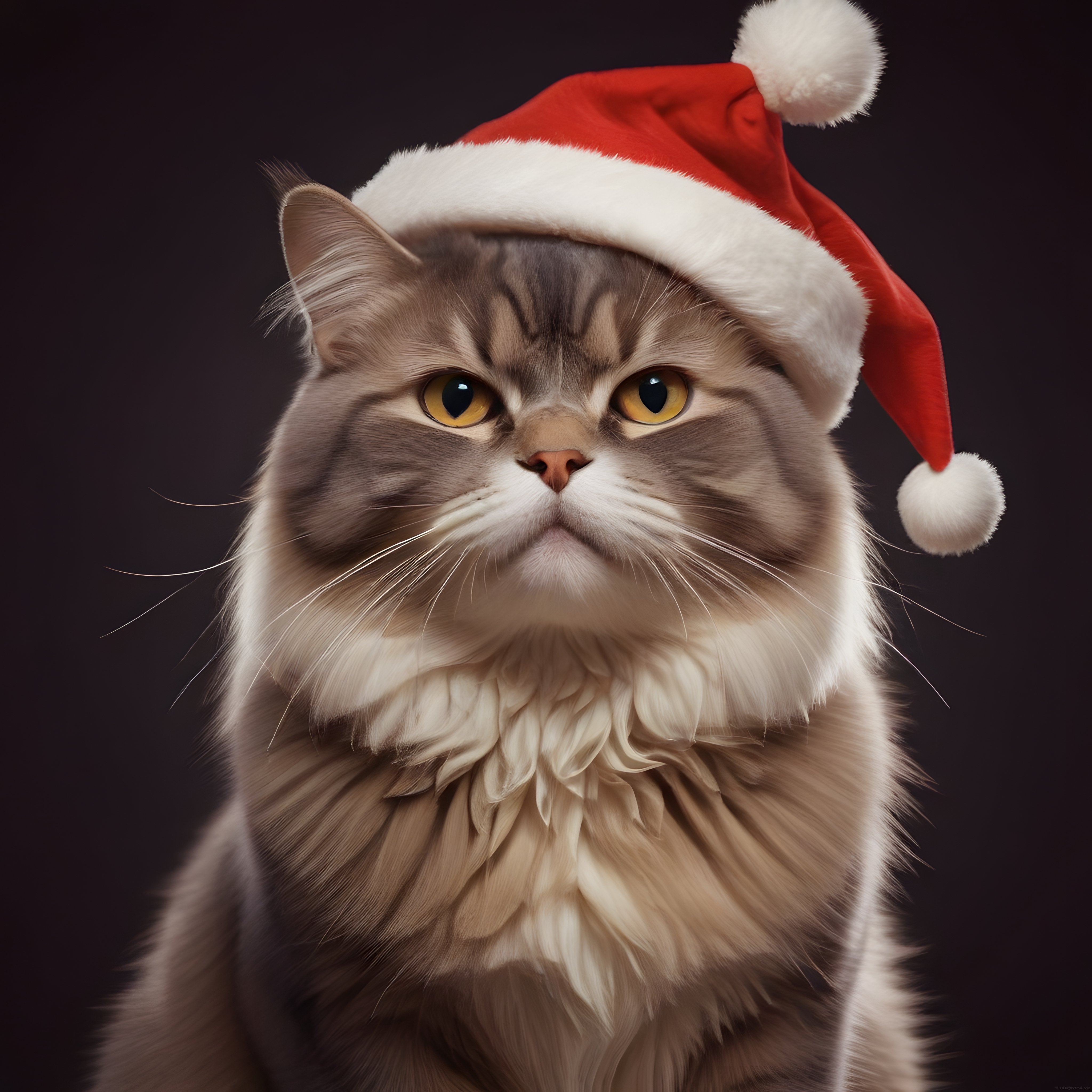
Tanım
•isim: Hristiyanların her yıl 25 Aralık'ta Hz. İsa'nın doğum gününü kutladıkları yortu
Diğer Dillerde
Almancaweihnachten (nötr) /ˈvaɪ̯ˌnaxtən/
Christmas
çekim: tamlayan Weihnachtens
eş: Christfest, Fest, Friedens, Lichtes, Christmesse, Christmette
köken: From Middle High German wīhenahten (“Christmas”), from a dative plural ze den wīhen nahten (“in the holy nights”). Compare modern weihen (“to hallow”) and Nacht. The oldest form (1170) is a singular diu wīhe naht (“the Holy Night”); the somewhat later plural is used to refer to the Christmas days and nights collectively. A relation with earlier heathen festivals is not endorsed by the…
aile: weihnachtlich, Weihnachtsabend, Weihnachtsbaum, Weihnachtsbeleuchtung, Weihnachtsbraten, Weihnachtsbrauch, Weihnachtsengel, Weihnachtsente, Weihnachtsessen, Weihnachtsfeier
- Der Weihnachtsmann. — - Noel Baba.
Es ist Weihnachten.
frohe Weihnachten! (fröhliche Weihnachten!)
Wir wünschen Ihnen frohe Weihnachten und ein gutes neues Jahr!
FransızcaChristmas, fêtes, jour de Noël, Noël (eril) /kris.mis/
Christmas
köken: Borrowed from English Christmas.
Joyeux Noël ! — Mutlu Noeller!
Joyeux Noël et bon Christmas à tout le monde!
second-person singular present subjunctive of crismar
köken: Borrowed from English Christmas.
Mañana es Navidad. — Yarın Noel.
İtalyancaNatale (eril) /naˈta.le/
Christmas · a male given name, feminine equivalent Natalia
çekim: çoğul natali
köken: From Latin nātālis [diēs Dominī] (“birthday of the Lord”).
aile: albero di Natale, Babbo Natale, budino di Natale, Buon Natale!, mercatino di Natale, natalizio, regalo di Natale, stella di Natale, torta di Natale, vigilia di Natale
Il Natale. — Noel Gündönümü
RusçaЙоль, Кри́стмас, Рождество́, Рождество́ Христо́во (eril) /jɵlʲ/
Yule
Канун Рождества. — Noel Gündönümü
مارى كريسيماس — Mutlu Noeller.
AzericeMilad /miˈɫɑd/
Christmas
çekim: çoğul miladlar · tamlayan miladın
köken: Etymology tree Arabic مِيلَاد (mīlād)bor. Azerbaijani milad Borrowed from Arabic مِيلَاد (mīlād).
Milad bayramınız mübarək olsun!
ÖzbekçeMavlud, Rojdestvo
TatarcaРаштуа
FelemenkçeJoelfeest, kerst, Kerstmis
Germaans feest, gevierd in de dagen rond de winterzonnewende
Merry Christmas (Vrolijk Kerstmis) — Mutlu Noeller.
YunancaΧριστούγεννα (nötr) /xɾiˈstu.ʝe.na/
Christmas (Christian holy day)
köken: Χριστός (Christós, “Christ”) + γέννα (génna, “birth”)
aile: καλά Χριστούγεννα, χριστουγεννιάτικος, χριστουγεννιάτικη κάρτα
Καλά Χριστούγεννα! — Mutlu Noeller.
Christmas (Christian holiday)
köken: Borrowed from English Christmas.
aile: クリぼっち
大丈夫ですよ — Mutlu Noeller!
Korece크리스마스 /kxɯɾisʰɯma̠sʰɯ/
Christmas
köken: From English Christmas.
aile: 메리 크리스마스, 블랙 크리스마스, 크리스마스 케이크, 크리스마스 쿠키, 크리스마스 트리, 크리스마스 푸딩, 크리스마스이브, 화이트 크리스마스
동지 크리스마스 — Noel Gündönümü
LehçeBoże Narodzenie (nötr) /ˈbɔ.ʐɛ na.rɔˈd͡zɛ.ɲɛ/
w chrześcijaństwie: święto obchodzone 25 i 26 grudnia, w którym wspomina się narodzenie Jezusa Chrystusa
eş: Narodzenie Pańskie, Gwiazdka, Gody
köken: Literally, “God's Birth”.
Wesołych Świąt! — Mutlu Noeller!
UkraynacaРіздво́, Різдво́ Христо́ве, Юль
Завтра Різдво. — Yarın Noel.
Hintçeईद-ए-तवल्लुद, ईद-ए-विलादत, क्रिसमस, क्रिस्मस, बड़ा दिन (eril) /kɾɪs.məs/
Christmas (festival observed on December 25 commemorating the birth of Jesus Christ)
köken: Borrowed from English Christmas.
Fincejoulu, joulukoristeet, koristella joulukoristein, oksa joulukoristeena, punaista ja vihreää chiliä sisältävä, punavihreä /ˈjou̯lu/
Christmas
çekim: çoğul joulut · tamlayan joulun
köken: From Proto-Finnic *joulu, borrowed from Proto-Norse *ᛃᛖᚢᛚᚢ (*jeulu). Doublet of juhla.
aile: jouluinen, jouluisa, jouluisin, jouluaamu, jouluaatto, jouluahdistus, jouluaika, jouluapulainen, jouluaskartelu, jouluateria
Jouluaatto. — Noel Gündönümü
Christmas
köken: Partial calque of German Weihnachten.
aile: vánočka
Vánoce ve válce. — Noel'de Cinayet.
Veselé Vánoce.
Veselé Vánoce a šťastný nový rok.
RumenceCrăciun, Nașterea Domnului, Nașterea lui Isus Cristos /krəˈtʃjun/
Christmas
köken: The etymology has been highly disputed, it is unclear whether the word is of Latin or of Slavic origin. Many scholars propose one of several possible Latin derivations, either from calātiōnem (“calling, summoning”), or from Latin creātiōnem (accusative of creātiō (“creation, creature”), with the meaning derived from that of the creation or birth of a child, e.g. Jesus' birth on Christmas. Compare…
aile: Crăciun fericit, Moș Crăciun, pom de Crăciun
Craciun fericit. — Mutlu Noeller.
Macarcakarácsony /ˈkɒraːt͡ʃoɲ/
Christmas; the feast day celebrating the birth of Jesus Christ.
çekim: çoğul karácsonyok
köken: Possibly a Bulgarian loanword, compare dialectal крачун (kračun, “winter solstice; a Slavic holiday celebrated at the winter solstice”), also compare dialectal Macedonian крачун (kračun, “Christmas”), Pannonian Rusyn Крачун (Kračun, “Christmas”), Slovak Kračún (“winter solstice feast”) (dialectal, "Christmas"). Perhaps from Proto-Slavic *korčiti (“to step”), or from Romanian: see Romanian Crăciun.
aile: karácsonyi, karácsonykor, karácsonyest, karácsonyeste, karácsonyéj, karácsonyfa, karácsony este, kellemes karácsonyt
Nem voltak karácsonyfák. — Noel ağacı da yoktu.
İbraniceחַג הַמּוֹלָד
לאחר מחלה קצרה. — Noel'de, 9 yaşındayken öldü.
DancaJuel, jul, julefest /ˈjuˀl/
Christmas (the time around 25 December)
çekim: çoğul jule · tamlayan juls
köken: From Old Norse jól, ultimately from Proto-Germanic *jehwlą, *jeulō.
aile: jule, juleaften, juleassistance, julebuk, juledag, juleevangelium, julefrokost, julegave, julekalender, juleleg
Julebesøget. — Noel Gündönümü
EndonezceNatal /ˈnatal/
natal (of or relating to birth)
çekim: karşılaştırma lebih natal · üstünlük paling natal
köken: From Portuguese natal, from Latin nātālis.
Selamat Hari Natal. — Mutlu Noeller.
VietnamcaGiáng sinh, Nô-en /zaːŋ˧˦ sïŋ˧˧/
Christmas
köken: Sino-Vietnamese word from 降生.
Merry Christmas! — Mutlu Noeller!
lễ Giáng sinh
carolling · Christmas
köken: From Proto-Slavic *kolęda, from Latin kalendae (“first day of the month”). Originally referring to a pagan winter festival, where carollers (typically men or children) visit households and wish the hosts an abundant and healthy incoming year. There is a folk etymology which erroneously asserts that the word Коледа is derived from the verb ко́ля (kólja, “to slaughter”) which arises from an…
aile: коледу́вам, коледа́р, колежда́нин, колежда́нец, ко́ледница
- Дядо Коледа. — - Noel Baba.
на Ко́леда
по Ко́леда
су́ха/ма́лка Ко́леда
SlovakçaVianoce (dişil) /ˈvi̯anɔt͡sɛ/
Christmas
köken: Partial calque of German Weihnachten (“Christmas”) by phonetisation of the first part of the word and translating the second part of the word, Nacht (“night”) to noc (“night”), like in Czech Vánoce.
aile: vianočka, vianočný
Jarná pieseň . — Örneğin Noel müziği.
Etimoloji
Borrowed from French Noël.
Kelime Ailesi
Eş & Zıt Anlamlılar
Eş anlamlılar
Örnek Cümleler
Bu Noel.
It's Christmas.
Bu, Noel!
This is Christmas!
Noel değil.
It's not Christmas.
Yarın Noel.
Tomorrow is Christmas.
İyi Noeller.
Have a good Christmas.
Noel geliyor.
Christmas is coming.
Noel yakında.
Christmas is near at hand.
Mutlu Noeller!
Merry Christmas!
Noel yaklaştı.
Christmas drew near.
Mutlu Noeller.
Merry Christmas!
Yarın Noel Günü.
Tomorrow is Christmas Day.
Noel Baba Çinli.
Santa Claus is Chinese.
İlgili Sorular
Her yıl radyo üzerinden dinlediğim, çocuk korosunun söylediği ve başka bir sanatçı tarafından yorumlanmamış bir Noel şarkısının adını öğrenmek istiyorum; sözlerinde "Christmas is here, this year we pray" ve "Have yourself a marvelous night" gibi satırlar bulunuyor. Bu şarkı nedir?
Neden çocukların Noel Baba'ya inanmasını alaya alıyoruz, ama pazar günleri kiliseye gidiyoruz?
İsa'nın doğum tarihi Aralık olmadığı kesin, o halde Hristiyanlar neden Aralık ayında Noel kutluyor?
Doğum günü ve Noel hediyesi seçiminde kararsızım. 8 Aralık doğum günüm ve ailem bu yıl bana bir şeyler almam için bir istek listesi hazırlamamı istedi. 100‑150 dolar bütçeyle, elektronik, ev için ürünler ya da güzellik ürünleri gibi "mutlaka sahip olunması gereken" hediye önerileri nelerdir? (iPod zaten var.)
Tüm sınıf arkadaşlarıma aynı Noel hediyesini almayı planlıyorum, ne almalıydım?
İlgili / Bileşik Terimler
Genelchristmas tree
Genelsanta claus
Genelchristmas carol
Birleşik Kelimeler
Noel ağacıNoel BabaNoel gülü