Sözlük
/hindistan
hindistan
name
B1 seviye
TR → EN
"hindistan" kelimesinin İngilizcesi: india. Anlamı, çevirisi, telaffuzu ve örnek cümleler aşağıdadır.
Çeviri
Genelindia
Görsel
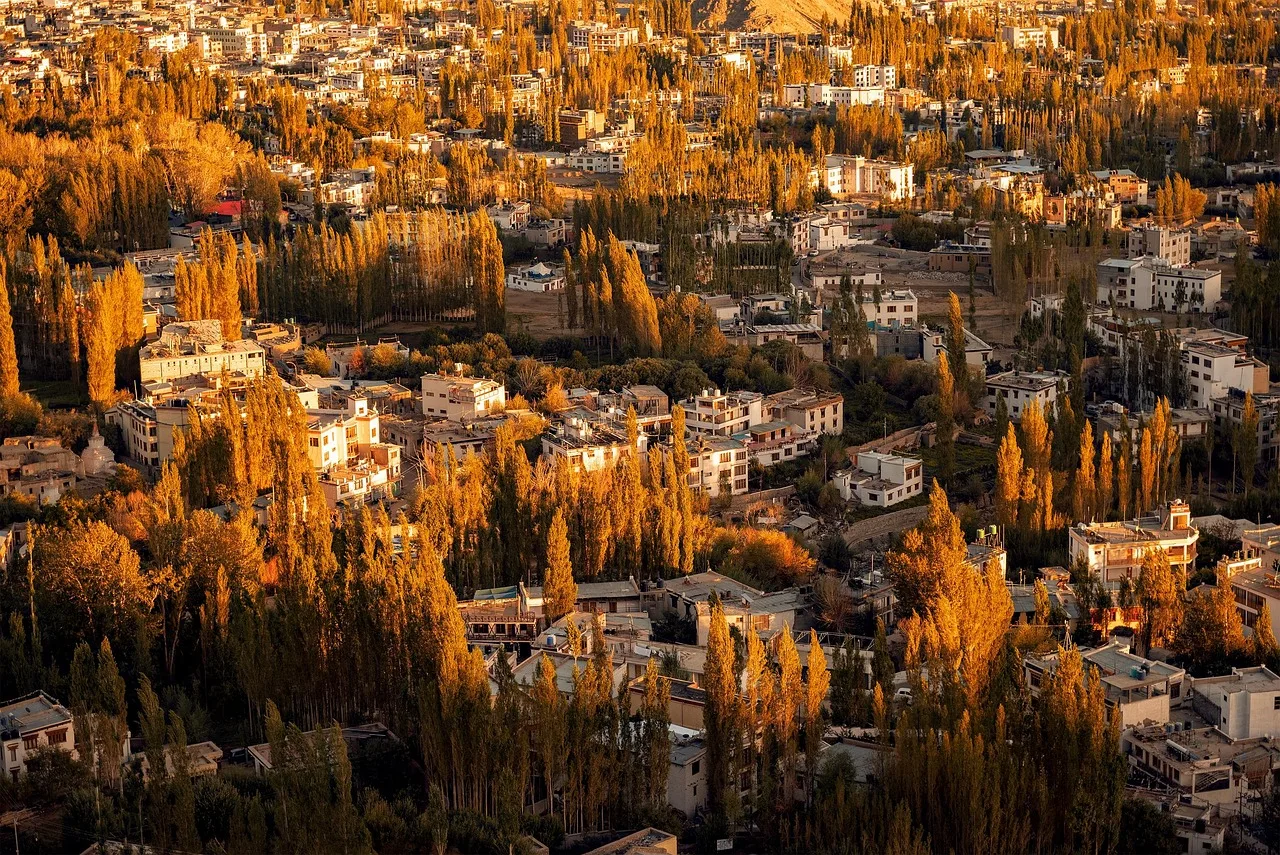
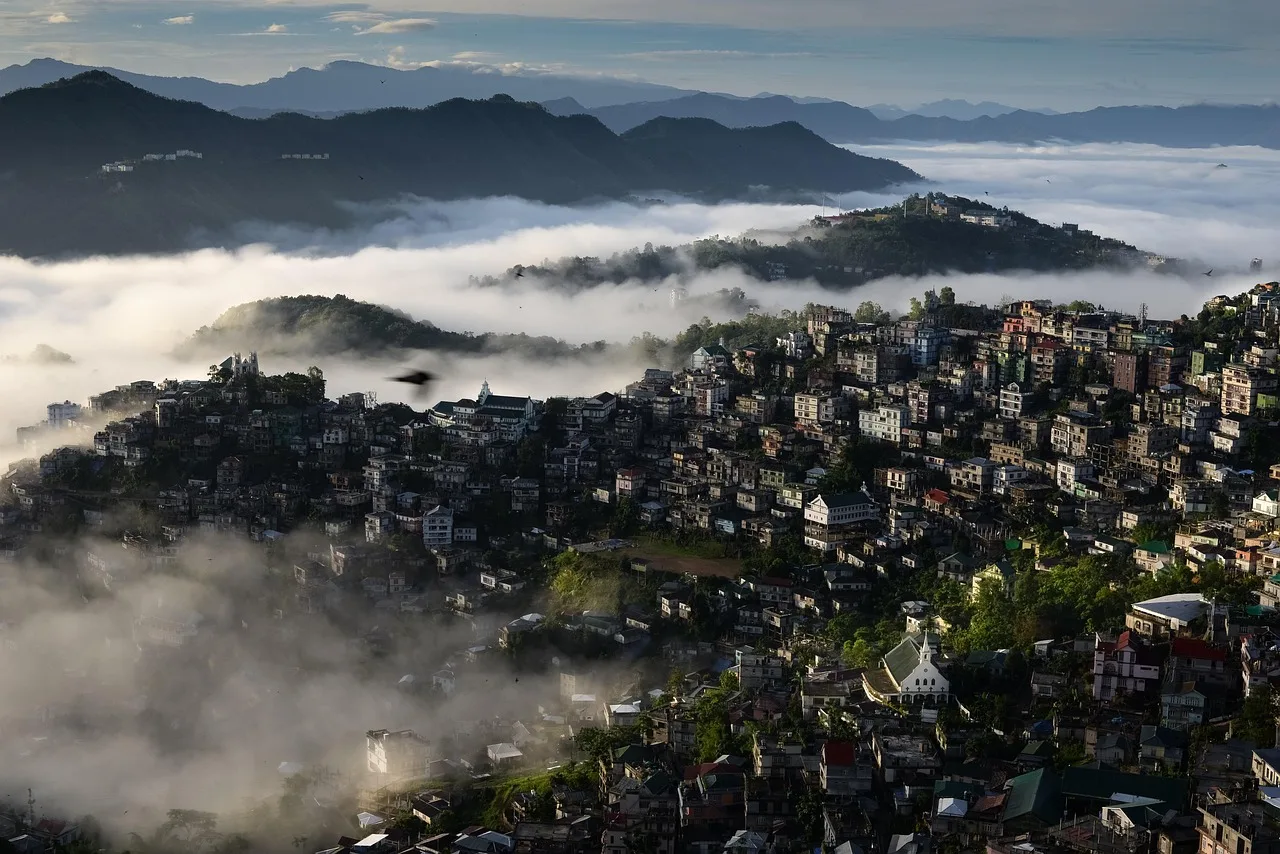

Çekim Tablosu
Belirtme (-i)Hindistan'ı
Yönelme (-e)Hindistan'a
Bulunma (-de)Hindistan'da
Çıkma (-den)Hindistan'dan
Tamlayan (-in)Hindistan'ın
Çoğul (-ler)Hindistanlar
Tanım
•Asya'da bir ülke.
•Güney Asya'da, Hint Yarımadası'nın büyük bir kısmını kapsayan, resmi dilleri Hintçe ve İngilizce, başkenti Yeni Delhi olan ülke
Diğer Dillerde
Almancaindien /ˈɪndi̯ən/
India (a country in South Asia)
eş: Republik Indien
köken: From Latin India, from Ancient Greek Ἰνδία (Indía), from Ἰνδός (Indós, “the Indus river”), from Old Persian 𐏃𐎡𐎯𐎢𐏁 (hiⁿdūš), from Proto-Iranian *hínduš, from Proto-Indo-Iranian *síndʰuš (“river”), of uncertain origin.
aile: Ostindien, Westindien
Indien? — Hindistan mı?
Fransızcainde, Inde (pays asiatique) (dişil) /ɛ̃d/
India (a country in South Asia)
eş: Indes, République de l’Inde
köken: Borrowed from Classical Persian هِنْد (hind, “India”).
aile: blé d'Inde, cochon d'Inde, Indien, indien, œillet d'Inde, rose d'Inde
Inde ? — Hindistan mı?
İspanyolcaIndia (dişil) /ˈindja/
India (a country in South Asia)
çekim: çoğul indias
köken: Borrowed from Latin India, from Ancient Greek Ἰνδία (Indía), from Ἰνδός (Indós, “Indus River”), from Old Persian 𐏃𐎡𐎯𐎢𐏁 (hiⁿdūš) (modern Persian هند (hend)) from Sanskrit सिन्धु (síndhu, “a river, stream”).
aile: caña de la India, cedro de la India, jazmín de la India, nuez de la India, República de la India
¿India? — Hindistan mı?
RusçaИндия (dişil) /ˈinʲdʲɪjə/
India (a country in South Asia)
eş: Республика Индия
köken: Inherited from Old East Slavic Индиꙗ (Indija) and Индѣꙗ (Inděja). Judging by the initial stress, from Middle High German Indien or Old Polish Indie, originally used alongside with Old East Slavic Индикиꙗ (Indikija). Ultimately, from Latin Indus, from Ancient Greek Ἰνδός (Indós), from Sanskrit सिन्धु (sindhu).
Индия? — Hindistan mı?
Arapçaالهند, الْهِنْد (dişil) /al.hind/
India (country in Asia)
köken: Borrowed from Classical Persian هند (hind, “India”), from Old Persian 𐏃𐎡𐎯𐎢𐏁 (hiⁿdūš), from Proto-Iranian *hínduš, from Proto-Indo-Iranian *síndʰuš (“river”) or from Sanskrit सिन्धु (síndhu, “a river, stream”).
روبيه هندي — Hindistan Rupisi
Farsçaهِنْد, هِنْدُوسْتان
KazakçaҮндістан
India (a country in South Asia)
köken: Borrowed from Classical Persian هندوستان (hindūstān).
ÖzbekçeHindiston
India (a country in South Asia)
köken: Inherited from Chagatai هندستان (hndstān /hindistān/), from Classical Persian هِنْدِسْتَان (hindistān). Cognate with Uyghur ھىندىستان (hindistan). By surface analysis, hind + -iston.
aile: hindistonlik
TatarcaҺиндстан
India (a country in South Asia)
köken: By surface analysis, һинд (hind) + -стан (-stan).
FelemenkçeIndia (nötr) /ˈɪn.diˌaː/
India (a country in South Asia)
köken: From Latin India.
India? — Hindistan mı?
PortekizceÍndia (dişil) /ˈĩ.d͡ʒi.ɐ/
India (a country in South Asia)
çekim: çoğul índias
köken: From Old Galician-Portuguese India, borrowed from Latin India, from Ancient Greek Ἰνδία (Indía), from Ἰνδός (Indós, “Indus River”), from Old Persian 𐏃𐎡𐎯𐎢𐏁 (h-i-du-u-š /hiⁿdūš/) (modern Persian هند (hend)) from Sanskrit सिन्धु (síndhu, “a river, stream”). By surface analysis, Indo + -ia.
aile: Estado da Índia, Índia Portuguesa, Índias, Índias Ocidentais, Índias Orientais, índio, porquinho-da-índia, República da Índia
Este é a Índia. — Bu, Hindistan.
YunancaΙνδία (dişil) /inˈði.a/
India (a country in South Asia)
köken: Inherited from Ancient Greek Ἰνδία (Indía).
Αυτή είναι η Ινδία. — Bu, Hindistan.
India (a country in South Asia)
köken: From Chinese 印度 (Yìndù).
インド・ルピー — Hindistan Rupisi
ÇinceЙиндў
生於印度。 — Hindistan'da yaşar.
sidewalk, pavement, walkway · humanity, human duty, human obligation
köken: Sino-Korean word from 人道, from 人 (“human”) + 道 (“path; way”).
aile: 인도적(人道的), 인도주의(人道主義)
이것이 인도이고, 더 놀라운 사실은 이 일이 있은 지 — Bu Hindistan'dır.
보행자들이 인도를 따라 걷고 있다.
UkraynacaІ́ндія
Ось Індія. — Bu, Hindistan.
Hintçeइंडिया, भारत, भारतवर्ष, हिंद, हिंदुस्तान, हिन्द (eril) /ɪɳ.ɖɪ.jɑː/
India (a country in South Asia)
köken: Borrowed from English India. Doublet of हिंद (hind) and सिंध (sindh).
FinceIntia /ˈintiɑ/
India (a country in South Asia)
köken: From Latin India, which see for more.
aile: intialainen, intianaavikkosiili, intianaurinkomäyrä, intianbullterrieri, intianenglanti, intiangerbiili, intianhyppymyyrä, intianiibis, intianisorotta, intianjasmikki
Tämä on Intia. — Bu, Hindistan.
ÇekçeIndie (dişil) /ˈɪndɪjɛ/
India (a country in South Asia)
köken: Inherited from Old Czech Indie, from Latin India.
MIT? Indie? — Hindistan mı?
İbraniceהֹדּוּ, הודו (dişil) /ˈhoːd.duː/
India (a region of South Asia, traditionally delimited by the Himalayas and the Indus river; the Indian subcontinent) · India (a country in South Asia)
köken: From Old Persian 𐏃𐎡𐎯𐎢𐏁 (h-i-du-u-š /Hiⁿduš/), from Proto-Iranian *hínduš, from Proto-Indo-Iranian *síndʰuš (“river”) or from Sanskrit सिन्धु (sindhu, “a river, stream”).
רופיה הודית — Hindistan Rupisi
וַיְהִי בִּימֵי אֲחַשְׁוֵרוֹשׁ הוּא אֲחַשְׁוֵרוֹשׁ הַמֹּלֵךְ מֵהֹדּוּ וְעַד־כּוּשׁ שֶׁבַע וְעֶשְׂרִים וּמֵאָה מְדִינָה׃
VietnamcaẤn Độ /ʔən˧˦ ʔɗo˧˨ʔ/
India (a country in South Asia)
köken: Sino-Vietnamese word from 印度.
Hay Ấn Độ? — Hindistan mı?
SlovenceÍndija
indijska rupija — Hindistan Rupisi
LitvancaIndija (dişil) /¹ˈɪnʲdʲɪjɛ/
India (a country in South Asia)
Yra gyvenančių Indijoje. — Hindistan'da yaşar.
Taycaอินเดีย /ʔin˧.dia̯˧/
India (a country in South Asia)
köken: From English India. Doublet of สินธุ (sǐn-tú).
ประเทศอินเดีย
สาธารณรัฐอินเดีย
ชาวอินเดีย
İrlandacaAn India, Poblacht na hIndia (dişil)
Republic of India (official name of India: a country in South Asia)
İzlandacaIndland /ˈɪnt.lant/
India (a country in South Asia)
Etimoloji
From Ottoman Turkish هندستان (Hindistan).
Eş & Zıt Anlamlılar
Örnek Cümleler
O Hindistanlı.
He comes from India.
Bu, Hindistan.
This is India.
Hindistan Rupisi
Indian rupee
Oriya (Hindistan)
Oriya (India)
Hintçe (Hindistan)
Hindi (India)
Telugu (Hindistan)
Telugu (India)
Urduca (Hindistan)
Urdu (India)
Hindistan Filmleri
Indian Films
Hindistan'da yaşar.
He lives in India.
Hindistan'da yoktu.
None in India.
Hindistan'a döndük.
So off we went to India.
Kannada (Hindistan)
Kannada (India)
İlgili Sorular
İlgili / Bileşik Terimler
Genelcoconut
Genelcoconut
Genelcoconut palm
Genelrepublic of india
Genelindian rupee