fıstık
/fɯstɯk/
noun
B2 seviye
TR → EN
"fıstık" kelimesinin İngilizcesi: pistachio, pistachio. Anlamı, çevirisi, telaffuzu ve örnek cümleler aşağıdadır.
Çeviri
Genelpistachionoun
Genelpistachio
Görsel

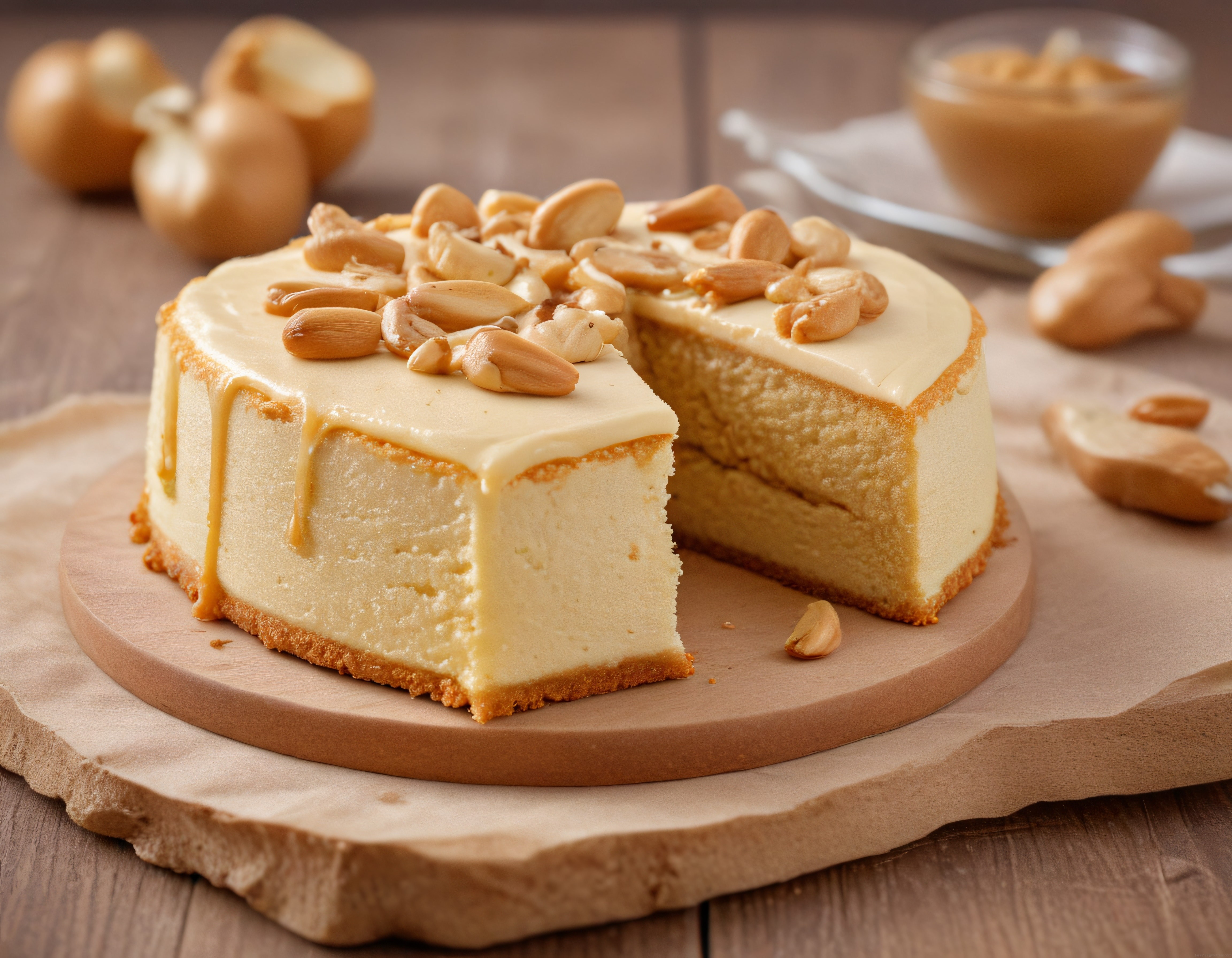
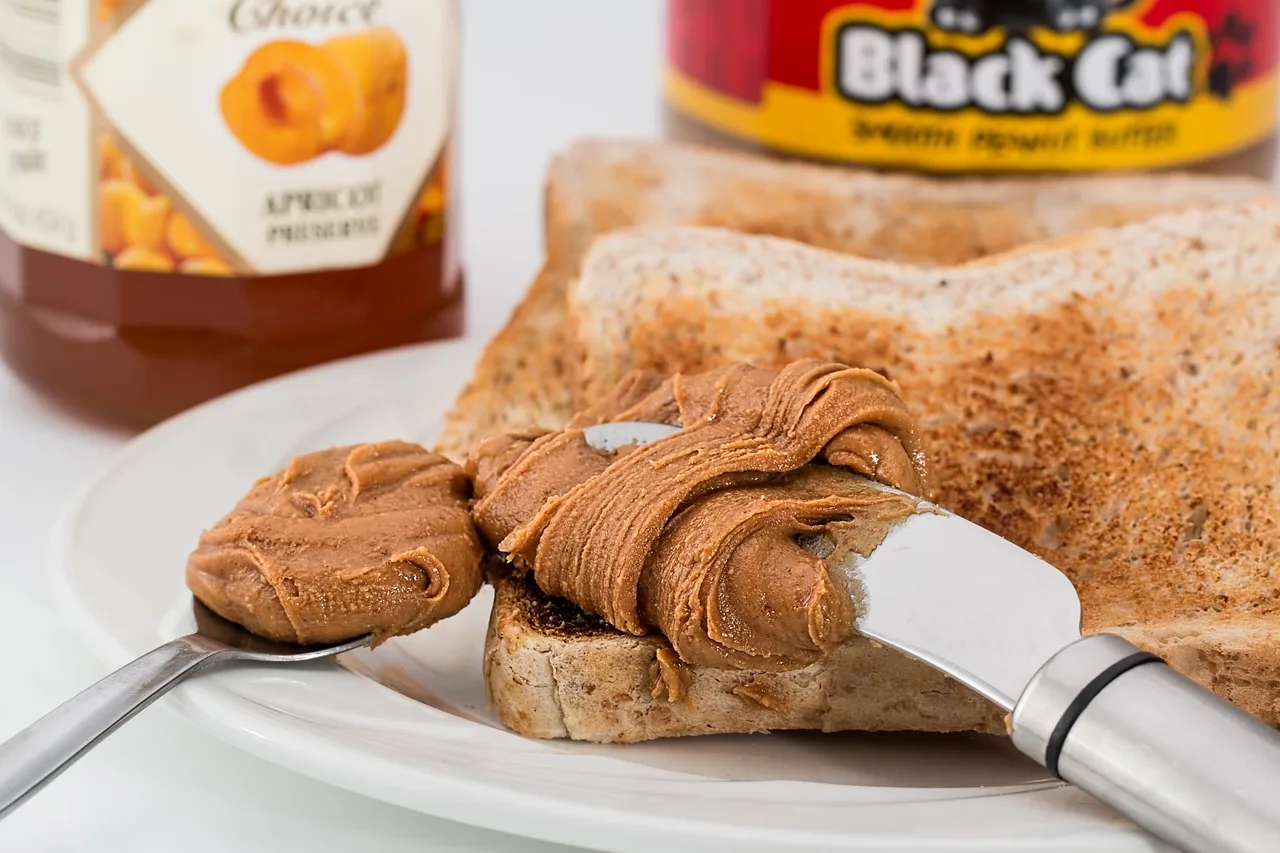
Çekim Tablosu
Belirtme (-i)fıstığı
Yönelme (-e)fıstığa
Bulunma (-de)fıstıkta
Çıkma (-den)fıstıktan
Tamlayan (-in)fıstığın
Çoğul (-ler)fıstıklar
Tanım
•botanik bakımdan birbiriyle ilgisi olmayan çeşitli bitkilerin çerez olarak yenen meyvelerine verilen ad.
•Yeşilin bir tonu.
•Antep fıstığı, çam fıstığı veya yer fıstığı denilen yemişlerin genel adı
•Tombul, kısa boylu, tıknaz kimse
Diğer Dillerde
AlmancaPistazie, Pistazienbaum (dişil) /pɪsˈtaːt͡siə/
pistachio (nut)
çekim: çoğul Pistazien · tamlayan Pistazien
eş: Pistazienkern
köken: Borrowed from Late Latin pistācia.
aile: Pistazienbaum, pistaziengrün
Dolor Ipse — Fıstıkçı Şahap
FransızcaPistache (dişil) /pis.taʃ/
pistachio (nut) · peanut
çekim: çoğul pistaches
eş: amande de Perse
köken: Borrowed from Venetan pistacio, from Latin pistacium, from Ancient Greek πιστάκιον (pistákion).
aile: pistachier
Salut ma poule ! — Selam fıstık!
İspanyolcaalfóncigo, alfónsigo, pistachero, pistacho (eril) /alˈfonθiɡo/
pistachio (tree) · pistachio (nut)
çekim: çoğul alfóncigos
eş: pistacho, pistache, alfócigo, alhócigo, pistachero
köken: From Andalusian Arabic الفستق (al-fústaq), from Arabic فُسْتَق (fustaq, “pistachio”). Compare Catalan festuc.
Dolor Ipse — Fıstıkçı Şahap
İtalyancapistacchio (eril) /pisˈtak.kjo/
nut (of a tree, generally) · pistachio (tree and nut)
çekim: çoğul pistacchi
eş: verde tenero
köken: From Latin pistacium (possibly through Latin *pistaculum), from Ancient Greek πιστάκιον (pistákion). Of Iranian origin. See also πιστάκη (pistákē).
Dolor Ipse — Fıstıkçı Şahap
Rusçaфисташка (dişil) /fʲɪˈstaʂkə/
pistachio (nut)
çekim: çoğul фиста́шки · tamlayan фиста́шки
eş: фисташник
köken: Borrowed from Ottoman Turkish فستق (fıstık) (modern Turkish fıstık), from Persian فستق (fostoq, fostaq), from Arabic فِسْتَق (fistaq), of Iranian origin (compare Middle Persian pstk' (pistag)). The ending is influenced by French pistache and the diminutive suffix -ка (-ka). Cognate with English pistachio.
Dolor Ipse — Fıstıkçı Şahap
Arapçaفُسْتُق, فُسْتُق حَلَبِيّ
Dolor Ipse — Fıstıkçı Şahap
Farsçaپسته /pis.ˈta/
pistachio
çekim: çoğul پستهها
köken: From Middle Persian pstk' (/pistag/, “pistachio nut”), from Old Persian *pistaka, attested as Elamite [script needed] (pi-iš-tuk-ka₄ /pistaka/, “pistachio nut”). Related to Persian بسته (busta /boste, “nut”), cognate with Sanskrit बुस्त (busta, “husk or shell of fruit”).
aile: مغز پسته, مغزپستهای, پسته خندان
Azericepüstə /pysˈtæ/
pistachio · the nutlike fruit of this tree
çekim: çoğul püstələr · tamlayan püstənin
köken: From Persian پسته, doublet of fıstıq (“beech”).
Portekizcepistache, pistáchio, pistácio (eril) /pisˈta.ʃi/
pistachio (Pistacia vera, a deciduous tree) · pistachio (the nut-like fruit of the pistachio tree)
çekim: çoğul pistaches
eş: pistacho
köken: From French pistache, from Latin pistacium, from Ancient Greek πιστάκιον (pistákion).
Dolor Ipse — Fıstıkçı Şahap
Yunancaφιστίκι, φιστικιά (nötr) /fiˈstici/
pistachio nut · peanut
çekim: çoğul φιστίκια · tamlayan φιστικιού
köken: Borrowed from Ottoman Turkish فستق (fıstık), from Classical Persian فستق (fustuq, fustaq), from Arabic فِسْتَق (fistaq), ultimately from Middle Persian pstk' (pistag). Cognate with English pistachio.
Dolor Ipse — Fıstıkçı Şahap
Japoncaピスタチオ /pʲisɨ̥ta̠t͡ɕio̞/
pistachio
köken: Borrowed from English pistachio, from Italian pistacchio.
Dolor Ipse — Fıstıkçı Şahap
Korece피스타치오, 피스타치오 나무 /pʰisʰɯtʰa̠t͡ɕʰio̞/
pistachio
köken: From English pistachio.
정말로 큰 땅콩이죠. 아인슈타인이 새인만큼 — Bu kocaman bir fıstık.
İsveççepistasch, pistaschnöt, pistaschträd
pistachio (fruit)
çekim: çoğul pistascher · tamlayan pistaschs
köken: Borrowed from French pistache.
Bröder, gutår! — Fıstıkçı Şahap
Lehçepistacja (dişil) /pisˈta.t͡sja/
pistachio (tree) · pistachio (fruit) · pistachio (colour)
çekim: çoğul pistacje · tamlayan pistacji
eş: orzeszek pistacjowy, jasnozielony
köken: Learned borrowing from Latin pistacium, from Ancient Greek πιστᾰ́κιον (pistắkion), from πιστάκη (pistákē), from an Iranian language. Doublet of fistaszek.
aile: pistacjowy
Dolor Ipse — Fıstıkçı Şahap
Ukraynacaфіста́шка
Тестова phrase — Fıstıkçı Şahap
Hintçeपिस्ता (eril) /pɪs.t̪ɑː/
pistachio
çekim: çoğul पिस्ते
köken: Borrowed from Classical Persian پسته (pista), from Middle Persian pstk' (pistag, “pistachio nut”).
aile: पिस्तई
Fincemantelipistaasi, pistaasipähkinä /ˈpistɑːsiˌpæhkinæ/
pistachio nut
çekim: çoğul pistaasipähkinät · tamlayan pistaasipähkinän
köken: pistaasi + pähkinä
Dolor Ipse — Fıstıkçı Şahap
Çekçepistácie (dişil) /ˈpɪstaːt͡sɪjɛ/
pistachio (tree) · pistachio (fruit)
çekim: çoğul pistácií · tamlayan pistácií
köken: Learned borrowing from Latin pistacium, from Ancient Greek πιστᾰ́κιον (pistắkion), from πιστάκη (pistákē), from an Iranian language.
Žluťoučký kůň — Fıstıkçı Şahap
Rumencefistic (eril) /fisˈtik/
pistachio (tree)
çekim: çoğul fistici · tamlayan fisticului
köken: Borrowed from Ottoman Turkish فستق (fıstık), from Arabic فُسْتُق (fustuq), from Middle Persian pstk' (pistag).
(ăĂâÂîÎșȘțȚ) Dolor Ipse — Fıstıkçı Şahap
Macarcapisztácia /ˈpistaːt͡sijɒ/
pistachio
çekim: çoğul pisztáciák
Árvíztűrő tükörfúrógép — Fıstıkçı Şahap
İbraniceפיסטוק (eril)
pistachio (the nutlike fruit of this tree)
çekim: çoğul פִיסְטוּקִים
köken: Borrowed from Arabic فُسْتُق (fustuq), from Middle Persian pstk' (pistag).
Abcd אבגד — Fıstıkçı Şahap
Dancapistacie, pistacienød
Dolor ipse — Fıstıkçı Şahap
Norveççepistasie, pistasj
En bjelke støttes i hver ende. — Her an yanında fıstık bulunur.
Endonezcebadam hijau, fustuk, kacang fustuk, kacang ketawa, pistasio, pohon fustuk
pistachio (tree)
köken: Literally, “green almond”.
Itu adalah kacang yang sangat besar. — Bu kocaman bir fıstık.
Vietnamcacây dẻ cười, cây hồ trăn, hạt dẻ cười, hạt hồ trăn
Nước tương trộn... — -Çam fıstıklı...
Bulgarcaша́мфъстъ́к
Dolor Ipse — Fıstıkçı Şahap
Slovakçapistácia
Dolor Ipse — Fıstıkçı Şahap
Etimoloji
Inherited from Ottoman Turkish فستق (fıstık), from Arabic فُسْتُق (fustuq), from Middle Persian pstk' (pistag).
Kelime Ailesi
Eş & Zıt Anlamlılar
Örnek Cümleler
Fıstık ezmesi
Peanut butter
Fıstıkçı Şahap
Dolor Ipse
Fıstık yiyemem.
I can't eat peanuts.
- O bir fıstık.
- She's a babe.
O fıstık ezmesi mi?
Is that peanut butter?
Biraz fıstık yedim.
I ate some peanuts.
Tom fıstık yememeli.
Tom shouldn't eat peanuts.
Fındık fıstık parası.
That's peanuts.
Fıstık ezmesi istiyor.
He wants peanut butter.
Bu kocaman bir fıstık.
That is one big peanut.
Pamuk yerine fıstık ektik.
We planted peanuts instead of cotton.
Bu fıstık ezmesi lezzetli.
This peanut butter is delicious.
İlgili Sorular
İlgili / Bileşik Terimler
Genelstone pine
Genelpeanut butter
Genelstone pine
Genelpeanut butter