Sözlük
/dağ keçisi
dağ keçisi
TR → EN
"dağ keçisi" kelimesinin İngilizcesi: capra, chamois, ibex. Anlamı, çevirisi, telaffuzu ve örnek cümleler aşağıdadır.
Çeviri
Genelcapra
Genelchamois
Genelibex
Görsel

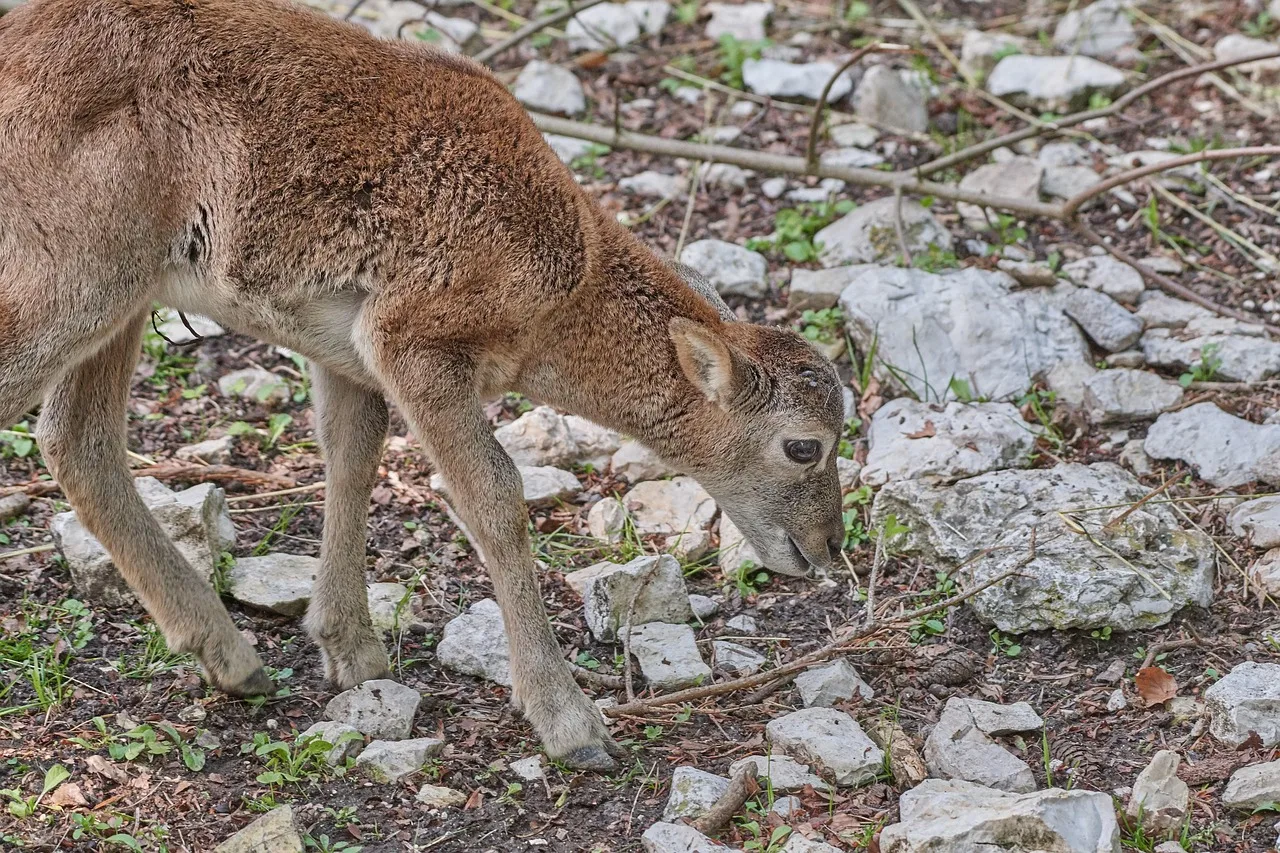

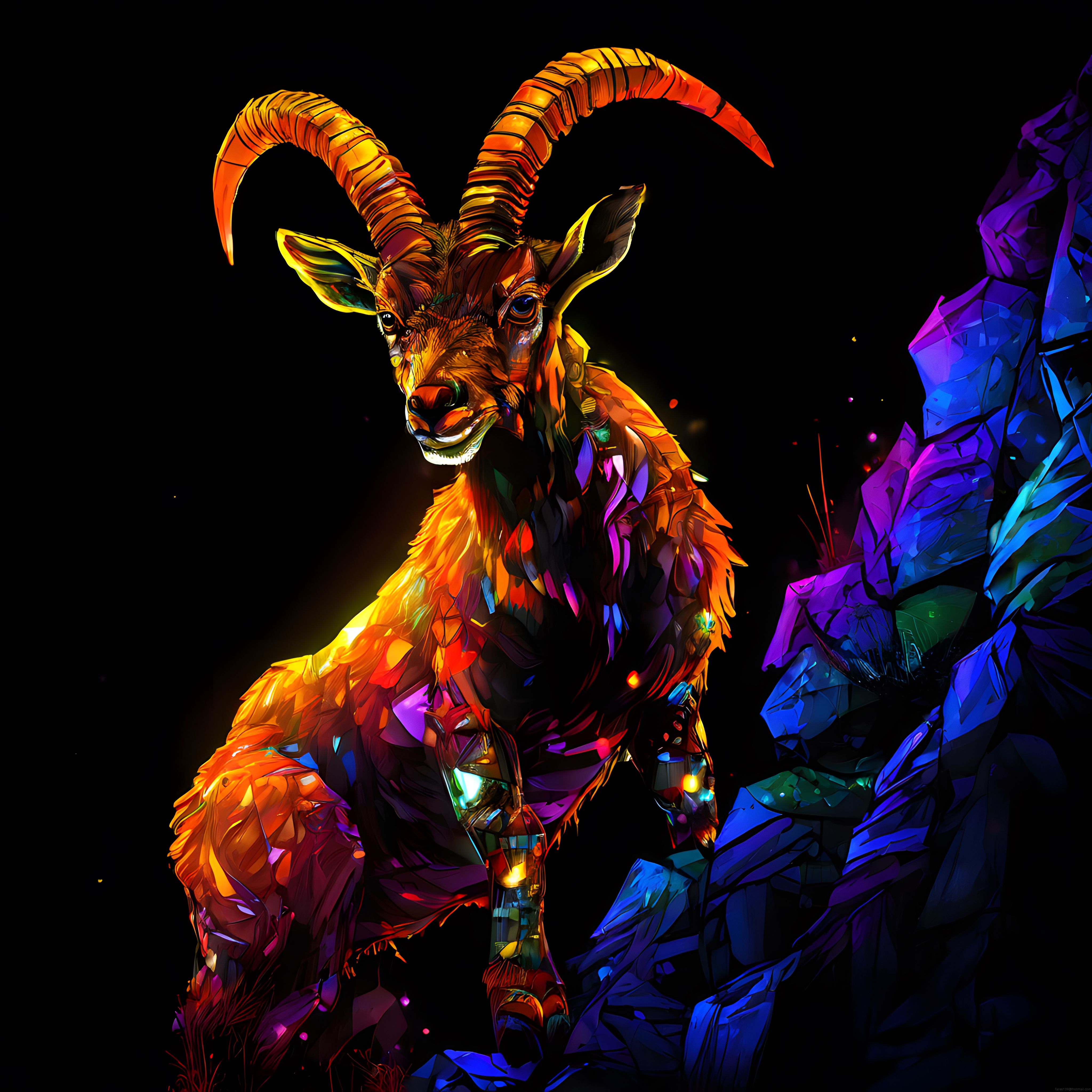
Tanım
•ufak sürüler hâlinde yaşayan, çok çevik bir antilop türü, elik,
•Boynuzlugiller familyasından, ufak sürüler halinde yaşayan, çok çevik bir antilop türü
Diğer Dillerde
Almancasteinbock (eril) /ˈʃtaɪ̯nˌbɔk/
ibex · Capricorn (constellation) · Capricorn (zodiac sign)
çekim: çoğul Steinböcke · tamlayan Steinbockes
eş: Capricornus
köken: From Middle High German steinboc, synchronically analyzed as Stein (“stone”) + Bock (“buck, ram”).
Das ist eine Gemse. — Bu gördüğünüz bir dağ keçisi.
chamois (animal) · chamois (leather)
eş: isard
köken: Inherited from Middle French chamois, from Late Latin camox, from Gaulish camox (5th c. AD, Polemius Silvius), probably from an extinct Alpine language (Raetic, Ancient Ligurian), possibly Proto-Indo-European *kem- (“without horns”).
aile: chamoiserie, peau de chamois
Voici un chamois. — Bu gördüğünüz bir dağ keçisi.
chamois (goat-antelope) · chamois (leather) · cloth
çekim: çoğul gamuzas
eş: rebeco, rupicapra, sarrio, rebeco, sarrio, isard
köken: Inherited from Vulgar Latin *camocia, from Late Latin camōx, from Gaulish camox, probably from an extinct Alpine language (Raetic, Ancient Ligurian), possibly Proto-Indo-European *kem- (“without horns”). Doublet of chamuz.
Esta es una cabra montesa. — Bu gördüğünüz bir dağ keçisi.
İtalyancacamoscio, rupicapra (eril) /kaˈmɔʃ.ʃo/
chamois (Rupicapra rupicapra) · suede, chamois · goat antelope (of subfamily Caprinae)
çekim: çoğul camosci
köken: From Late Latin camox, from Gaulish camox (5th c. AD, Polemius Silvius), probably from an extinct Alpine language.
Questa è una capra delle nevi. — Bu gördüğünüz bir dağ keçisi.
Rusçaза́мша, се́рна, чёрный козёл
Это горный козел. — Bu gördüğünüz bir dağ keçisi.
Farsçaکیمخت /kiː.ˈmuxt/
chamois, shagreen
از مهرههای گردن پامال گشتگان گردید ادیم خاک چو کیمخت دانهدار
Azericeqarapaça
Felemenkçegems (dişil)
chamois (mountain goat, Rupicapra rupicapra)
çekim: çoğul gemzen
eş: klipgeit
köken: From German Gämse.
aile: gemsbok
Dit is een berggeit. — Bu gördüğünüz bir dağ keçisi.
Portekizcecamurça (dişil) /kaˈmuʁ.sɐ/
chamois (species of goat) · suede (type of leather)
çekim: çoğul camurças
köken: Inherited from Late Latin camox, from Gaulish camox, influenced by corça (“doe”). Cognate with Spanish gamuza, Occitan camos and French chamois.
Isto é uma cabra montesa. — Bu gördüğünüz bir dağ keçisi.
ένα γίδι που ζει μόνο του στη φύση και δεν εκτρέφεται από κάποιον άνθρωπο
eş: αγριοκατσίκα, αγριοκάτσικο
Αυτό είναι ένα αγριοκάτσικο. — Bu gördüğünüz bir dağ keçisi.
İsveççestenget
Ludde Labb, en hundfixerad kille som bor uppe bland bergen. — Çizgili sırtlan, dağ keçisi, vaşak dağ çevresinde yaşayan memelilerdendir.
a male surname
çekim: çoğul giemzy · tamlayan giemzy
eş: szewro
To jest kozioł śnieżny. — Bu gördüğünüz bir dağ keçisi.
Ukraynacaса́рна
Це гірський козел. — Bu gördüğünüz bir dağ keçisi.
Fincegemssi, säämiskä /ˈɡemsːi/
chamois (Rupicapra rupicapra)
çekim: çoğul gemssit · tamlayan gemssin
köken: From German Gämse.
aile: härkägemssi
Çekçekamzík (eril) /ˈkamziːk/
chamois
çekim: çoğul kamzíci · tamlayan kamzíka
aile: kamzičí
Tohle je horská koza. — Bu gördüğünüz bir dağ keçisi.
Rumencecapră-de-munte, capră-neagră, șamoa (dişil)
chamois (Rupicapra rupicapra)
çekim: çoğul capre-de-munte
köken: From capră + de + munte.
Aceasta este o capră de munte. — Bu gördüğünüz bir dağ keçisi.
Macarcaszarvasbőr, zerge /ˈzɛrɡɛ/
chamois (Rupicapra rupicapra)
çekim: çoğul zergék
köken: First attested in 1722. Probably a loanword but of uncertain origin. Compare words in Turkic languages denoting '(castrated) billy goat', e.g. Kazakh серке (serke), Tuvan серге (serge), Uzbek serka.
Ez itt egy hegyi kecske. — Bu gördüğünüz bir dağ keçisi.
Latinceībex
Dancagemse
Dette er en bjergged. — Bu gördüğünüz bir dağ keçisi.
Norveççepusseskinn
Bulgarcaгюдерия, дива коза
Това е планинска коза. — Bu gördüğünüz bir dağ keçisi.
Slovakçakamzík horský
Litvancagemzė
Bulerio goferai (Pappogeomys), 9 rūšys. — Dağ keçisi (Capra), 9 türü içine alan bir cinstir.
Estoncamägikits
Katalancacamussa (dişil) /kəˈmu.sə/
chamois
çekim: çoğul camusses
köken: From Late Latin camox or a related unattested form, probably ultimately derived from an extinct Alpine language.
Galiçyacacamurza, rebezo (dişil) /ka.ˈmuɾ.θɐ/
chamois (species of goat) · suede (type of leather)
çekim: çoğul camurzas
köken: From Late Latin camox, from Gaulish camox, influenced by corza (“doe”). Cognate with Spanish gamuza, Portuguese camurça, Occitan camos and French chamois.
Deyimler
Alp dağ keçisi
Eş & Zıt Anlamlılar
Örnek Cümleler
Bu gördüğünüz bir dağ keçisi.
This is a mountain goat.
Dali, dağ keçisi ve geyik gibi dağ hayvanlarının tanrıçası
Dali, goddess of mountain animals such as ibex and deer
Dört figüratif tasvirden ikisi hayvanlara aittir: bir bizon ve bir dağ keçisi.
Two of the four figurative depictions are of animals: a bison and an ibex.
Dağ keçisi de aynı şekilde Üst Paelolitik ikonografisinde yaygın bir tasvirdir.
The ibex is likewise a common depiction in Upper Paelolithic iconography.