Sözlük
/Türkiye
türkiye
"türkiye" kelimesinin İngilizcesi: turkey. Anlamı, çevirisi, telaffuzu ve örnek cümleler aşağıdadır.
Çeviri
Genelturkey
Görsel

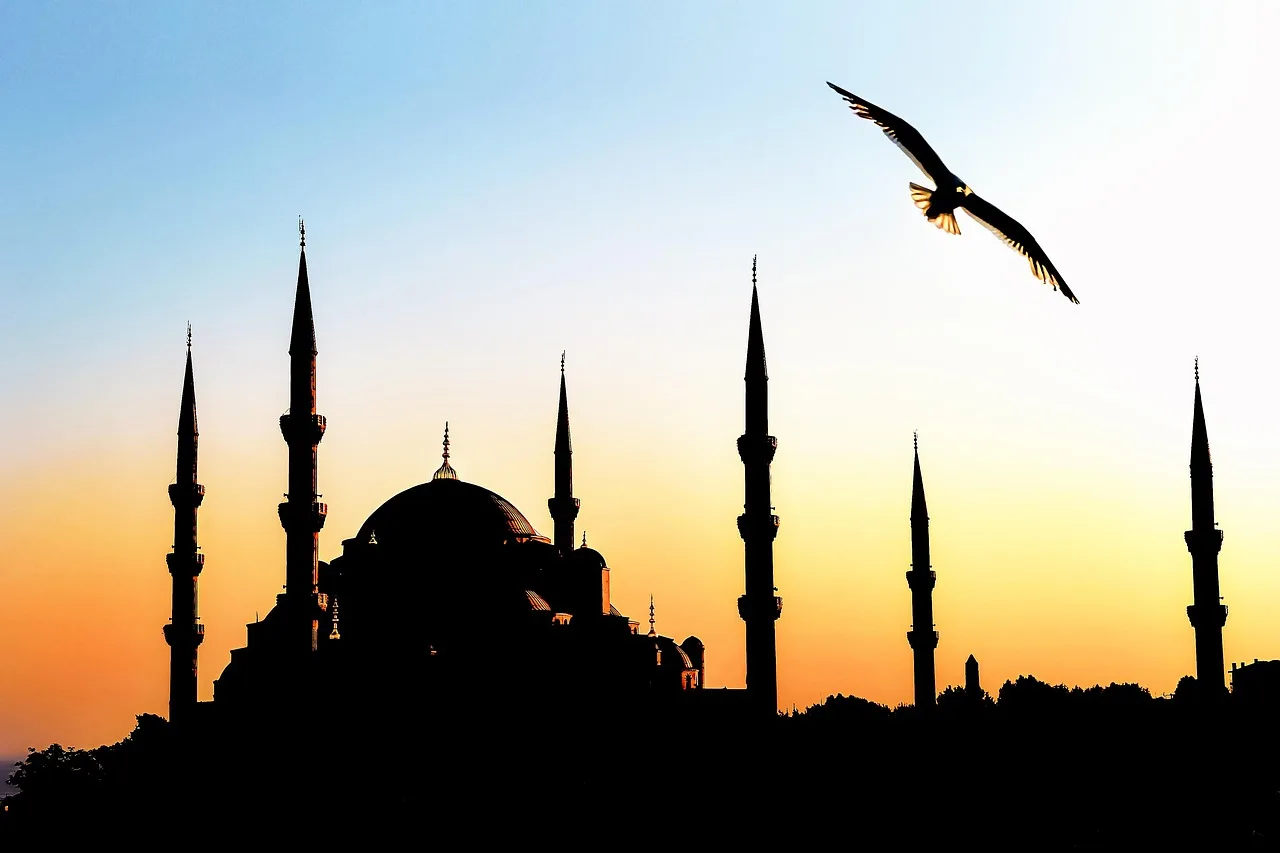
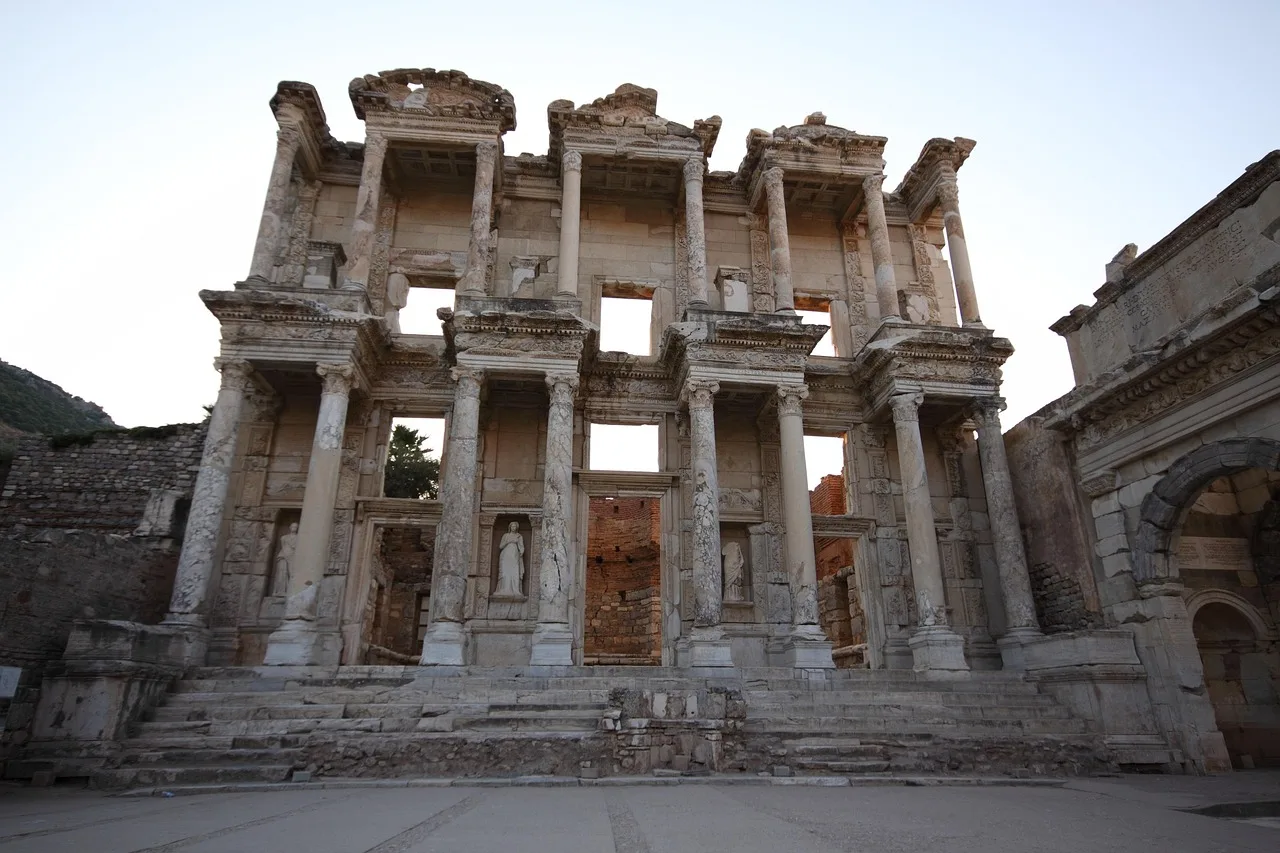
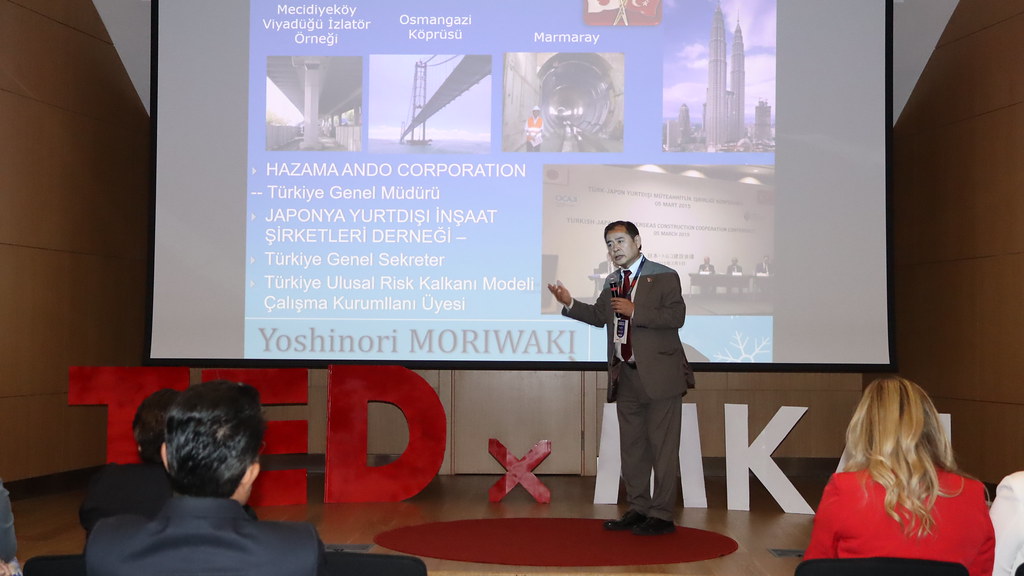
Çekim Tablosu
Belirtme (-i)Türkiye'yi
Yönelme (-e)Türkiye'ye
Bulunma (-de)Türkiye'de
Çıkma (-den)Türkiye'den
Tamlayan (-in)Türkiye'nin
Çoğul (-ler)Türkiyeler
Tanım
•Anadolu Yarımadası'nın tamamını ve Trakya'nın küçük bir kısmını kapsayan ülke.
•Anadolu ve Balkanlar'da kurulu, cumhuriyetle yönetilen Avrasya ülkesi
Diğer Dillerde
Almancatürkei (dişil) /tʏʁˈkaɪ̯/
Turkey (a country located in Eastern Thrace in Southeastern Europe and Anatolia in West Asia)
eş: Republik Türkei
köken: From Medieval Latin Turcia with influence from Türke (“Turk”) which in turn is from Ottoman Turkish ترك, تورك (Türk), from Turcus (“Turk”), from Byzantine Greek Τοῦρκος (Toûrkos), from Classical Persian ترک (turk), from Middle Persian [script needed] (twlk' /Turk/), from Old Turkic 𐱅𐰇𐰼𐰜 (t²ür²k̥).
aile: türkeistämmig
In: MTV Korea. — MTV Türkiye.
Die Türkei befindet sich sowohl in Asien als auch in Europa.
Viele Bewohner Deutschlands stammen aus der Türkei.
Turkey (a country located in Eastern Thrace in Southeastern Europe and Anatolia in West Asia)
eş: Türkiye
köken: Borrowed from Medieval Latin Turcia, Turchia; alternatively from turc + -ie.
aile: phlomis de Turquie, sauge de Turquie
En ligne : Turquie — Türkiye #1
İspanyolcachompipe, chumpe, cócono, gallina de la sierra, guajolote, guanajo (eril) /t͡ʃomˈpipe/
turkey (bird)
çekim: çoğul chompipes
GQ Alemania. — GQ Türkiye.
İtalyancanome proprio femminile di persona, Turchia (dişil) /turˈki.a/
Turkey (a country located in Eastern Thrace in Southeastern Europe and Anatolia in West Asia)
köken: From Medieval Latin Turcia.
aile: turco
Amo la Turchia. — Türkiye'yi seviyorum.
RusçaТурция (dişil) /ˈturt͡sɨjə/
Turkey (a country located in Eastern Thrace in Southeastern Europe and Anatolia in West Asia)
eş: Турецкая Республика
köken: Borrowed from New Latin Turcia.
Турция - прекрасная страна. — Türkiye güzel bir ülkedir.
– В Ту́рции непреры́вно растёт сто́имость жи́зни, – сказа́ло ра́дио.
many-coloured damask · turkey (bird) · chameleon (reptile)
çekim: çoğul بوقلمونها
köken: Borrowed from Arabic أَبُوقَلَمُون (ʔabūqalamūn), from Ancient Greek ὑποκάλαμον (hupokálamon), originally a Byzantine term used to refer to a precious multi-coloured textile, later used to refer to the bird due to its ability to change the colours of its feathers .
Azericehəştərxan, hind quşu, hinduşka, Türkiyə /hæʃtærˈχɑn/
Astrakhan
turkey
çekim: çoğul күркетауықтар · tamlayan күркетауықтың
köken: From *körkä (“turkey”), perhaps related to Proto-Turkic *körtük (“woodcock; turkey; blackcock”). Cognate with Bashkir күркә (kürkə, “turkey”), Tatar күркә (kürkä, “turkey”), Uzbek kurka (“turkey”), Uyghur كۈركە (kürke, “turkey”), etc.
Özbekçekurka
FelemenkçeTurkije (nötr) /tʏrˈkɛi̯.(j)ə/
Turkey (a country located in Eastern Thrace in Southeastern Europe and Anatolia in West Asia)
PortekizceTurquia (dişil) /tuʁˈki.ɐ/
Turkey (a country located in Eastern Thrace in Southeastern Europe and Anatolia in West Asia; official name: República da Turquia; capital: Ancara)
köken: Learned borrowing from Latin Turcia.
turkey (bird)
çekim: çoğul γαλοπούλες · tamlayan γαλοπούλας
eş: γαλί, γάλος, γαλόπουλο, διάνος, ινδιάνος, ινδική όρνις
köken: From γάλος (gálos, “male turkey”) + -πούλα (-poúla, “feminine suffix”). Also see πουλί (poulí, “bird”).
Japoncaトルコ。
Korece튀르키예 /tʰɥiɾɯcçije̞/
Turkey (a country located in Eastern Thrace in Southeastern Europe and Anatolia in West Asia)
eş: 터키, 뛰르끼예
köken: From Turkish Türkiye.
turkey (bird) · a turkey (total failure, especially a bad movie)
çekim: çoğul kalkoner · tamlayan kalkons
köken: Borrowed from Low German kalkûn or Dutch kalkoen, nominalisation of kalkûnsche höner or kalkoensche haan "hen from Calicut" (modern Kozhikode, India). Doublet of kalikå.
aile: kalkonfilm
helstekt kalkon med fyllning och skysås
Lehçegula, indor, indyczka, indyk, Turcja (dişil) /ˈɡu.la/
bump (swelling on the skin caused by illness or injury)
çekim: çoğul gule · tamlayan guli
köken: A variant of kula.
of or belonging to a Turk; Turkish, Turk-like · a horse of Turkish breed
köken: Borrowed from Classical Persian تُرْکِی (turkī).
Fincekalkkuna, kalkkunanliha, Turkki /ˈkɑlkːunɑ/
turkey, Meleagris gallopavo
çekim: çoğul kalkkunat · tamlayan kalkkunan
köken: < Dutch kalkoen (“turkey”), probably via Scandinavian languages, compare e.g. Danish kalkun (“turkey”), Swedish kalkon (“turkey”); see the Dutch entry for further etymology
aile: joulukalkkuna, kalkkunakana, kalkkunakondori, kalkkunakukko, kalkkunaleike, kalkkunanakki, kalkkunanliha, kalkkunapaisti, kalkkunapyörykkä, kalkkunasalaatti
ÇekçeTurecko (nötr) /ˈturɛt͡sko/
Turkey (a country located in Eastern Thrace in Southeastern Europe and Anatolia in West Asia)
köken: From Turek + -cko.
turkey-hen
çekim: çoğul curci · tamlayan curci
köken: Borrowed from Bulgarian курка (kurka).
aile: curcan
Macarcapulyka, Törökország /ˈpujkɒ/
turkey (a bird in the genus Meleagris with a fan-shaped tail and wattled neck)
çekim: çoğul pulykák
köken: From puly (turkey call for calling a male turkey) + -ka (diminunitve suffix).
aile: pulykás, pulykakeselyű, pulykaméreg, pulykatojás, pulykatoll
Turkey (a country located in Eastern Thrace in Southeastern Europe and Anatolia in West Asia)
köken: From Byzantine Greek Τουρκίᾱ (Tourkíā, “Turkey”), itself being Τοῦρκος (Toûrkos) (borrowed into Latin as Turcus (“A Turk, Turkish”), see there for further etymology) with suffix -ίᾱ (-íā).
turkey (bird)
çekim: çoğul kalkuner · tamlayan kalkuns
köken: the word is borrowed from german and is a contraction of 'calcutta hen'
Norveççekalkunhane, kalkunhøne, Tyrkia
Etimoloji
Osmanlı Türkçesi تركیه (türkiye) sözcüğünden devralındı.
Eş & Zıt Anlamlılar
Örnek Cümleler
Çağdaş Türkiye.
Çağdaş Türkiye.
Türkiye'de misin?
Are you in Turkey?
Tom Türkiye'yi gezdi.
Tom traveled around Turkey.
Türkiye'yi seviyorum.
I love Turkey.
Türkiye'de yaşıyorum.
I live in Turkey.
Türkiye'de çalışıyor.
He's working in Turkey.
O, Türkiye'de evlendi.
He got married in Turkey.
Ernst & Young Türkiye.
Ernst & Young Singapore.
"Türkiye Zeki Müren'dir".
"Türkiye Zeki Müren'dir".
Türkiye'de mi yaşıyorsun?
Do you live in Turkey?
Türkiye Yazarlar Birliği.
Türkiye Yazarlar Birliği.
GSB-Olimpiyat ve Türkiye.
GSB-Olimpiyat ve Türkiye.
İlgili Sorular
Eclipse sırasında, saat 4:13 Merkezi Zaman’da ışıkta bir kayma fark ettiniz mi? Ayrıca, Türkiye’den canlı yayını izlediniz mi? Ben saati 3:30’a ayarlamıştım ve izlemek çok eğlenceliydi!
Yalan dedektörleri yerine kimyasal maddeler kullanmak Türkiye'de kanunlara uygun mu?
Yunanistan, Türkiye'nin WMD (kitle imha silahları) sahibi olduğunu düşünse ve ona saldırı düzenlese, ABD'nin Irak'a yaptığı gibi bu kabul edilebilir mi?
Türkiye'nin kitle imha silahları olduğuna inanan Yunanistan, Türkiye'yi işgal etse, ABD'nin Irak'a müdahalesiyle aynı şekilde değerlendirilir mi?
Tutulma anında, 4:13 Merkezi Zaman’da ışıkta bir değişiklik gördünüz mü? Türkiye’den canlı yayını izlediyseniz, nasıl buldunuz? Ben 3:30’da izlemek için hazırlık yaptım ve çok zevk aldım.
İlgili / Bileşik Terimler
Genelrepublic of turkey