Sözlük
/fransa
fransa
"fransa" kelimesinin İngilizcesi: france. Anlamı, çevirisi, telaffuzu ve örnek cümleler aşağıdadır.
Çeviri
Genelfrance
Görsel
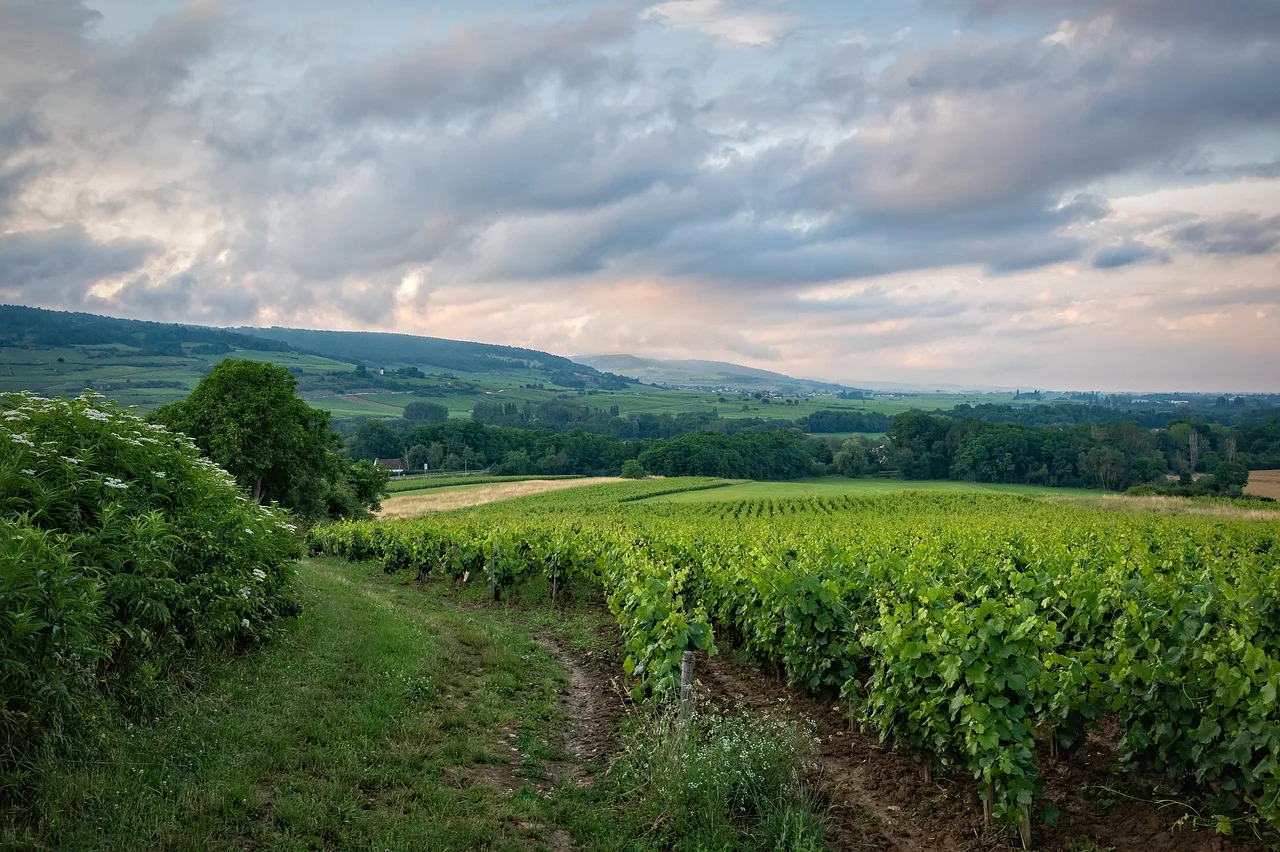
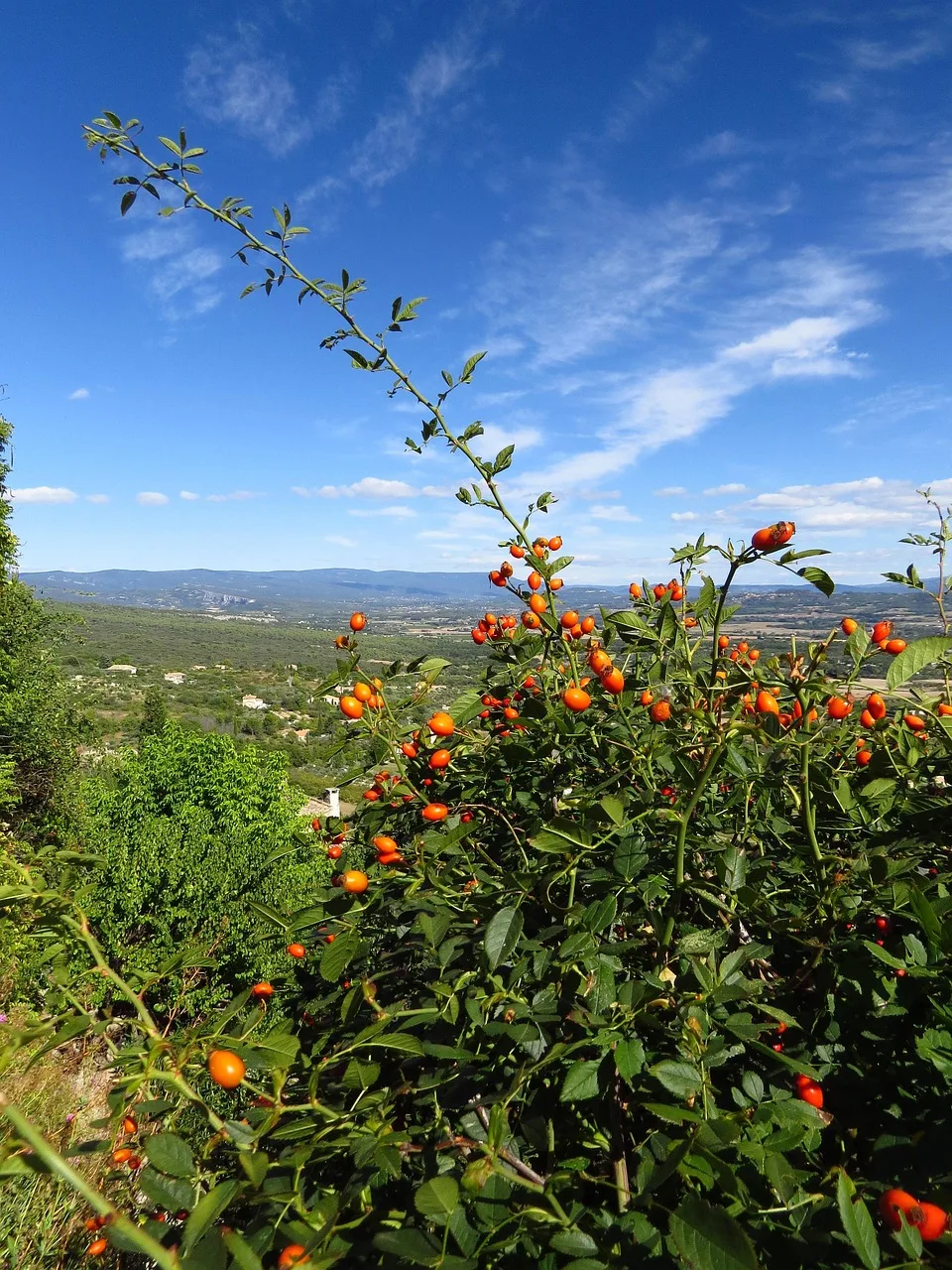
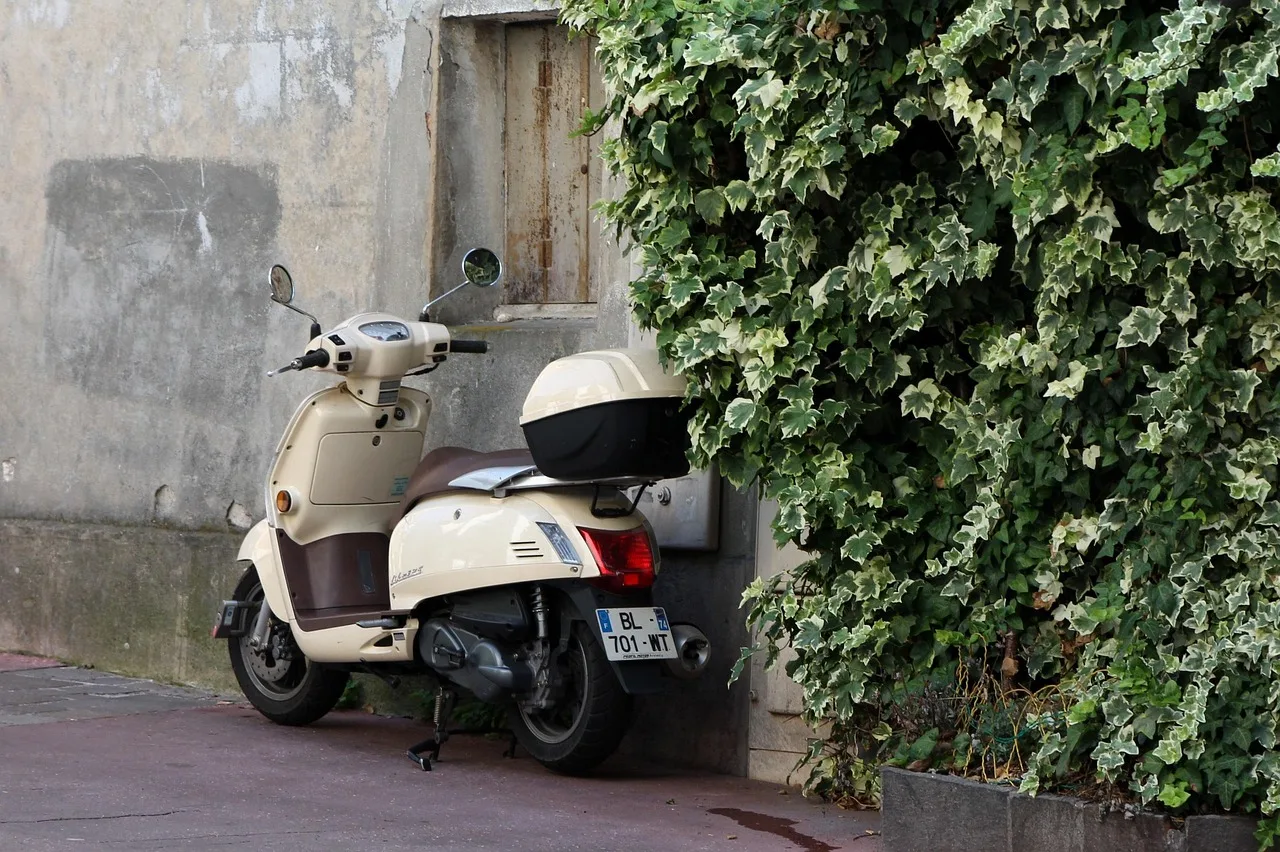
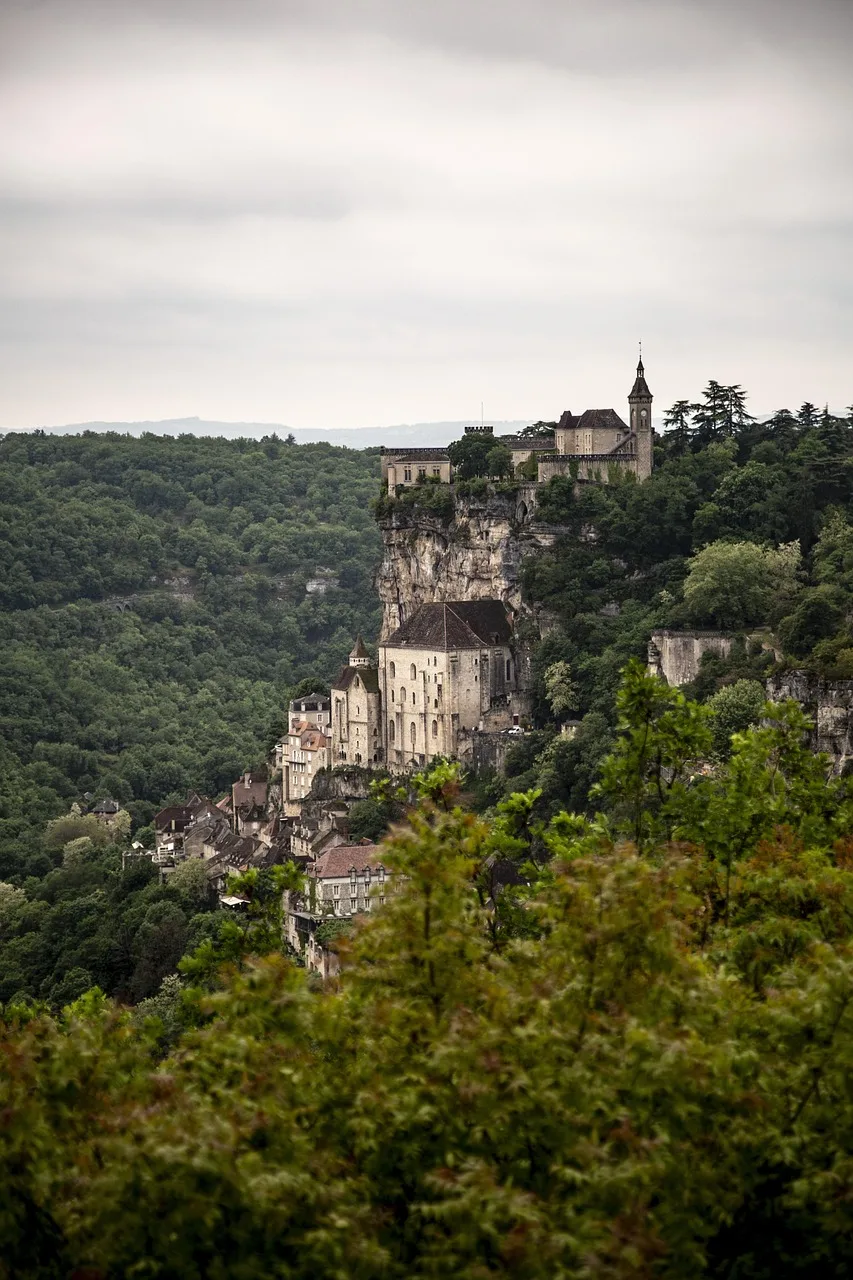
Çekim Tablosu
Belirtme (-i)Fransa'yı
Yönelme (-e)Fransa'ya
Bulunma (-de)Fransa'da
Çıkma (-den)Fransa'dan
Tamlayan (-in)Fransa'nın
Çoğul (-ler)Fransalar
Tanım
•Batı Avrupa'da Avrupa Birliği üyesi bir ülke.
•Batı Avrupa'da yer alan, resmi dili Fransızca ve başkenti Paris olan ülke
Diğer Dillerde
Almancafrankreich /ˈfʁaŋkʁaɪ̯ç/
France (a country located primarily in Western Europe)
eş: Französische Republik
köken: From Franke (“Frank”) + Reich (“realm”).
aile: Neufrankreich, Nordfrankreich, Nordostfrankreich, Südfrankreich
Sie ist Französin. — O Fransalı.
FransızcaFrance (pays d’Europe)
Voilà pour la France. — Fransa’da É.
İspanyolcaFrancia (dişil) /ˈfɾanθja/
France (a country located primarily in Western Europe) · the letter F in the Spanish spelling alphabet
köken: Borrowed from Latin Francia.
aile: Tour de Francia
Ella es francesa. — O Fransalı.
RusçaФранция (dişil) /ˈfrant͡sɨjə/
France (a country located primarily in Western Europe)
eş: Французская Республика, Галлия
köken: Borrowed from Polish Francja.
Arapçaفَرَنْجَة, فرنسا, فَرَنْسَا f or فَرَنْسَة (dişil) /fa.ran.saː/
France (a country located primarily in Western Europe)
aile: فَرْنَس, فَرْنَسة, فَرَنْسِيّ, فَرَنْسَاوِيّ
Farsçaفَرانْسِه, فَرَانْسَه
AzericeFransa
France (a country located primarily in Western Europe)
KazakçaФранция
France (a country located primarily in Western Europe)
köken: Derived from Russian Фра́нция (Fráncija).
ÖzbekçeFransiya
FelemenkçeFrankrijk (nötr) /ˈfrɑŋk.rɛi̯k/
France (a country located primarily in Western Europe) · a hamlet in Ooststellingwerf, Friesland, Netherlands · a neighborhood of Harderwijk, Gelderland, Netherlands
köken: From Middle Dutch Vrankerike. By surface analysis, Frank + rijk. The hamlet in Friesland is named after the country. It may have been originally the name of a field owned by the Frankena family, with the name Frankrijk being applied as a humorous reference to the property. See also Dutch Low Saxon Fraankriek and West Frisian Frankryk. The hamlet in Gelderland is first attested as franckryk in…
PortekizceFrança (dişil) /ˈfɾɐ̃.sɐ/
France (a country located primarily in Western Europe; official name: República Francesa; capital and largest city: Paris)
köken: Inherited from Old Galician-Portuguese França (“France”), from Late Latin Francia (“France”), from Latin Francī (“the Franks”), the nominative plural of Francus, from Frankish *Franko (“a Frank”), from Proto-Germanic *frankô (“javelin”). Doublet of Frância.
YunancaΓαλλία (dişil) /ɣaˈli.a/
France (a country located primarily in Western Europe)
köken: From Ancient Greek Γαλλία (Gallía, “Gaul”), borrowed from Latin Gallia.
aile: Γαλλίδα, γαλλικά, γαλλικός, Γάλλος
France (a country located primarily in Western Europe)
köken: Either directly borrowed from French France, or indirectly from English France.
aile: フランス語, フランス人, フランス刺繍, フランスパン, フランス窓
Korece프랑스 /pʰɯɾa̠ŋsʰɯ/
France (a country located primarily in Western Europe)
köken: From French France.
aile: 프랑스령(領) 기아나, 프랑스빵, 프랑스어(語), 프랑스인(人), 프랑스풍(風)
İsveççeFrankrike (nötr) /ˈfrankrɪkɛ/
France (a country located primarily in Western Europe)
köken: From Middle Low German Frankrīke, from Old Saxon *Frankrīki. The name is a compound of Proto-West Germanic *Frankō (“a Frank”) and *rīkī (“kingdom”). Equivalent to franker (“the Franks”) + rike (“realm”). Compare Danish Frankrig, Dutch Frankrijk, German Frankreich.
LehçeFrancja (dişil) /ˈfran.t͡sja/
France (a country located primarily in Western Europe)
eş: trójkolorowi, gw. (Górny Śląsk) Francyjo
köken: Borrowed from French France, from Middle French France, from Old French France, from Late Latin Francia, from Latin Francī, plural of Francus, from Frankish *Frankō, from Proto-Germanic *frankô.
aile: Francja elegancja
UkraynacaФра́нція
France (a country located primarily in Western Europe)
köken: Borrowed from English France.
FinceRanska /ˈrɑnskɑ/
French (language)
çekim: tamlayan ranskan
köken: See Ranska.
aile: ranskantaa, keskiranska, muinaisranska, ranskankielinen, Ranskanmaa, ranskantaitoinen, sveitsinranska
ÇekçeFrancie (dişil) /ˈfrant͡sɪjɛ/
France (a country located primarily in Western Europe; official name: Francouzská republika)
eş: Francouzská republika, země galského kohouta
köken: From Latin Francia.
RumenceFranța (dişil) /ˈfran.t͡sa/
France (a country located primarily in Western Europe)
köken: Borrowed from French France.
aile: francez, franțuz, franțuzesc
MacarcaFranciaország /ˈfrɒnt͡sijɒorsaːɡ/
France (a country located primarily in Western Europe; official name: Francia Köztársaság)
köken: From francia (“French”) + ország (“country”).
aile: franciaországi
İbraniceצָרְפַת
LatinceFrancogallia, Gallia /fraŋ.kɔˈɡal.li.a/
France (a country located primarily in Western Europe)
aile: francogallicus
DancaFrankrig /ˈfʁɑŋkʰʁ̥i/
France (a country located primarily in Western Europe)
köken: From Middle Low German Frankrīke, from Old Saxon *Frankrīki. The name is a compound of Proto-West Germanic *Frankō (“a Frank”) and *rīkī (“kingdom”). See also German Frankreich, Dutch Frankrijk, and Yiddish פֿראַנקרײַך (frankraykh). The Low German word has been borrowed into Norwegian Bokmål and Swedish Frankrike. The Old Norse and Icelandic name is Frakkland.
aile: fransk, franskmand, Ny Frankrig
nonstandard form of Prancis: France (a country located primarily in Western Europe)
Vietnamcanước Pháp, Pháp, Phú Lang Sa /faːp̚˧˦/
France (a country located primarily in Western Europe) · a male given name from Chinese
eş: Phật Lãng Sa, Pháp quốc
köken: Sino-Vietnamese word from 法, from Middle Chinese 法 (pjop). As for the country name, contracted from Chinese 法國 /法国 (Pháp quốc), in turn contracted from Chinese phonetics Mandarin 法蘭西 /法兰西 (Fǎlánxī, Fàlánxī, Pháp Lan Tây) + 國 /国 (quốc, “country”), from French France. Doublet of phép.
aile: bánh mì Pháp
nước Pháp
người Pháp
tiếng Pháp
Etimoloji
Inherited from Ottoman Turkish فرانسه (Firansa), from Classical Persian فرانسه (farānsa).
Örnek Cümleler
O Fransalı.
She is from France.
O Fransalıdır.
He is from France.
O Fransa'daydı.
He was in France.
Biz Fransalıyız.
We are from France.
Fransa'da iyi ye.
You eat well in France.
O, Fransa'da idi.
She was in France.
Fransa'dan selamlar!
Greetings from France!
O,Fransa'da bulundu.
He has been to France.
O, Fransa'da büyüdü.
She was raised in France.
Fransa kralı keldir.
The King of France is bald.
Fransa'yı seviyorum.
I love France.
O, Fransa'dan geliyor.
He comes from France.
İlgili Sorular
1986 Dünya Kupası'nda Brezilya ile Fransa maçında (1/4 final) penaltıyı kim kaçırdı?
18 yaşından küçük olduğum için, kardeşimle tek başımıza, ebeveynlerimiz olmadan Fransa'ya seyahat edebilir miyiz?
İç Savaş sırasında Güney'i desteklemek için Fransa ve Birleşik Krallık neden harekete geçmedi?
Oisne-Aisne, Fransa'daki Amerikan Askeri Mezarlığı'nda damgalanmış bölüme ait görseller bulunuyor mu?
Neden Fransa, İspanya ve Hollanda ile bir araya gelerek bize karşı bir ittifak kurdunuz?
İlgili / Bileşik Terimler
Genelsenate
Geneltour de france
Genelfranco prussian war
Genelnational assembly