Sözlük
/asya
asya
"asya" kelimesinin İngilizcesi: asia. Anlamı, çevirisi, telaffuzu ve örnek cümleler aşağıdadır.
Çeviri
Genelasia
Görsel
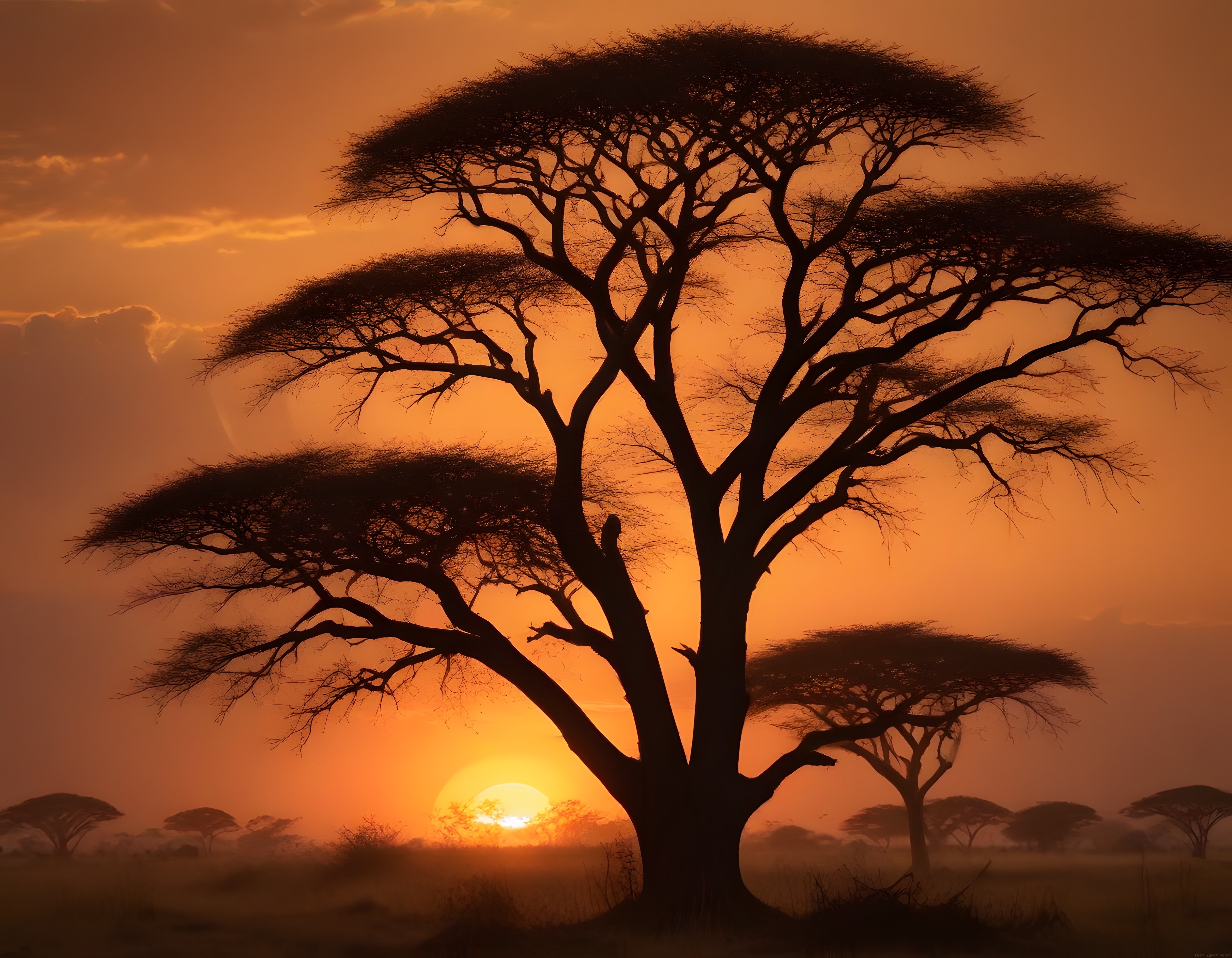
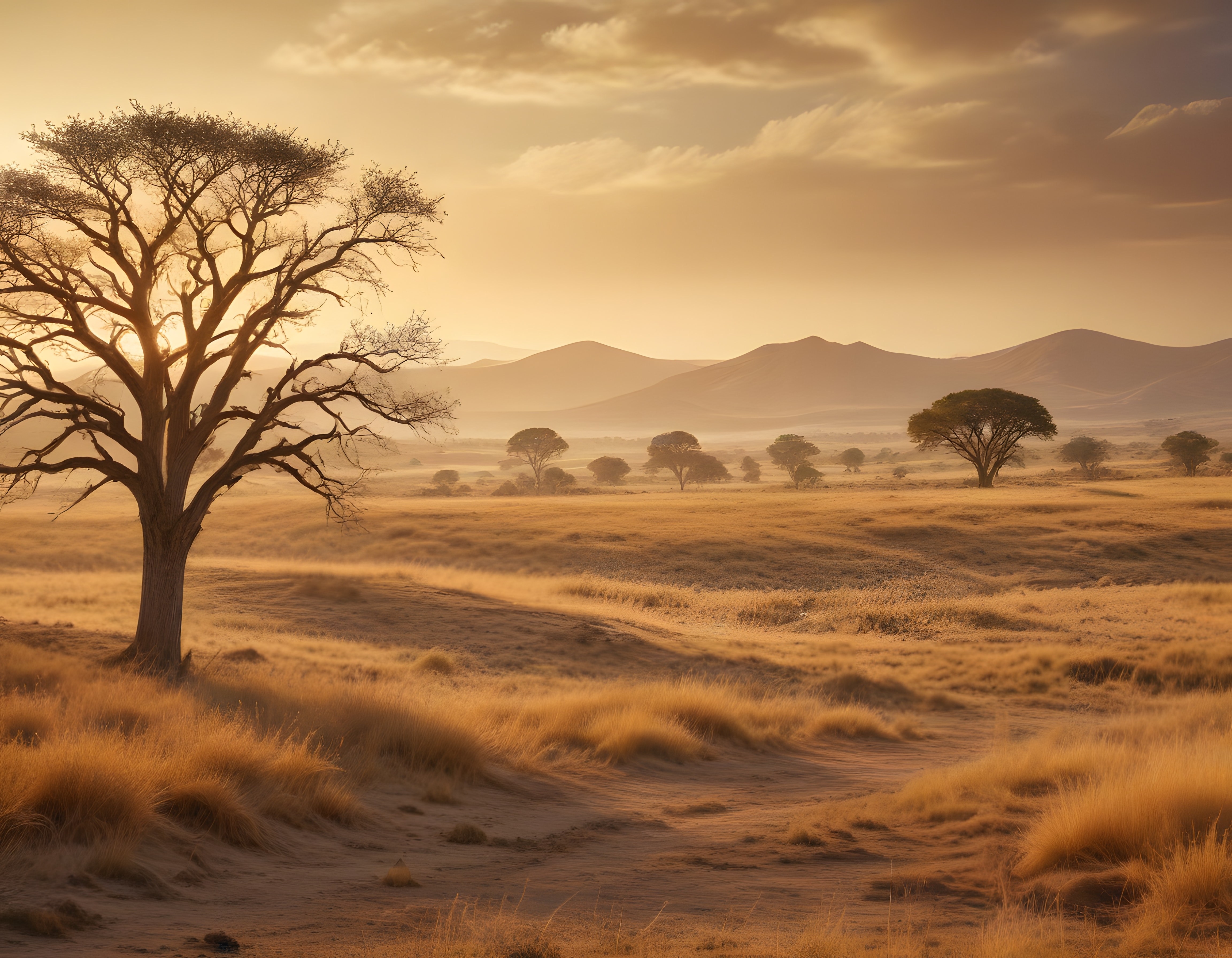
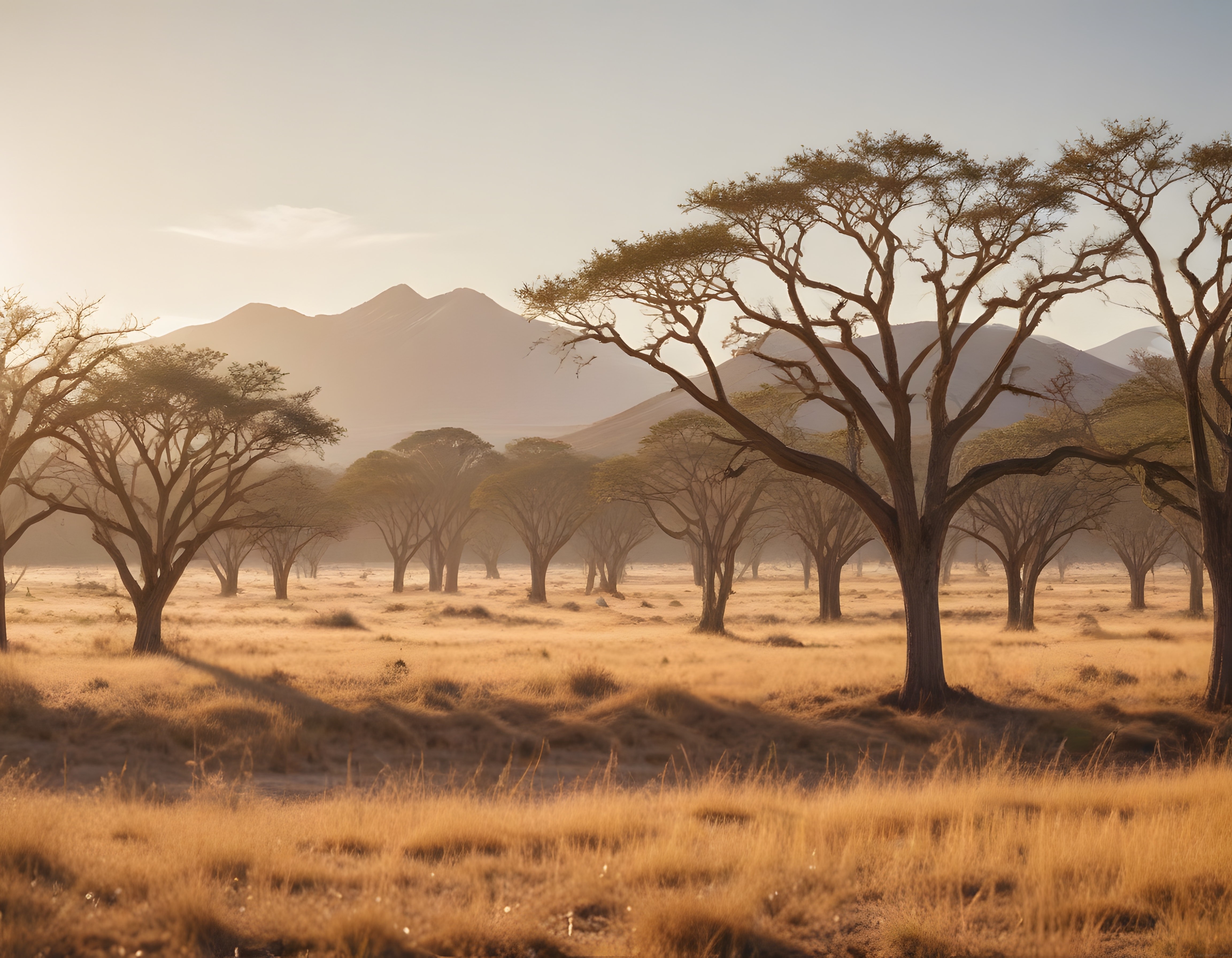

Çekim Tablosu
Belirtme (-i)Asya'yı
Yönelme (-e)Asya'ya
Bulunma (-de)Asya'da
Çıkma (-den)Asya'dan
Tamlayan (-in)Asya'nın
Çoğul (-ler)Asyalar
Tanım
•isim: Dünya üzerinde yer alan kıtalardan biri
Diğer Dillerde
Almancaasien (nötr) /ˈaːzi̯ən/
Asia (the largest continent, located between Europe and the Pacific Ocean)
Das andere Asien. — Yeni Asya.
Fransızcaasie, Asie (continent) (dişil) /a.zi/
Asia (the largest continent, located between Europe and the Pacific Ocean) · Asia (an ancient province of the Roman Empire in western Anatolia, existing between 133 BC (during the Roman Republic) and the 7th century AD)
aile: Asiatique, asiatique, Asie centrale, Asie de l'Est, Asie de l'Ouest, Asie du Sud, Asie Mineure, éléphant d'Asie, Eurasie, Suisse de l'Asie
Elías Amézaga. — Amasya ö.
İspanyolcaAsia (dişil) /ˈasja/
Asia (the largest continent, located between Europe and the Pacific Ocean) · Asia (an ancient province of the Roman Empire in western Anatolia, existing between 133 BC (during the Roman Republic) and the 7th century AD)
aile: Asia del Este, Asia del Oeste, Asia del Sur, Asia Menor, Asia Occidental, Asia Oriental
Asia oriental. — Doğu Asya.
Rusça(женское имя)
Восточная Азия. — Doğu Asya.
Asia (the largest continent, located between Europe and the Pacific Ocean) · Asia (an ancient province of the Roman Empire in western Anatolia, existing between 133 BC (during the Roman Republic) and the 7th century AD)
المنطقة الآسيوية. — Doğu Asya.
آسيا تمتلك تنوعاً طبيعياً رائعاً، من الصحاري إلى الجبال والغابات.
Farsçaآسِیا
ÖzbekçeOsiyo
Asia (the largest continent, located between Europe and the Pacific Ocean)
aile: osiyolik
FelemenkçeAzië (nötr) /ˈaː.zi.jə/
Asia (the largest continent, located between Europe and the Pacific Ocean)
köken: Ultimately from Latin Asia, from Ancient Greek Ᾰ̓σῐ́ᾱ (Ăsĭ́ā).
aile: Klein-Azië
Oost-Azië. — Doğu Asya.
PortekizceÁsia (dişil) /ˈa.zi.ɐ/
Asia (the largest continent, located between Europe and the Pacific Ocean) · Asia (an ancient province of the Roman Empire in western Anatolia, existing between 133 BC (during the Roman Republic) and the 7th century AD)
köken: Borrowed from Latin Āsia (“Asia Minor; Asia”), from Ancient Greek Ἀσία (Asía, “Asia Minor; Asia”), from Mycenaean Greek 𐀀𐀯𐀹𐀊 (a-si-wi-ja), of uncertain origin, possibly from Akkadian or Hittite.
Ásia Oriental. — Doğu Asya.
YunancaΑσία (dişil) /aˈsi.a/
Asia (the largest continent, located between Europe and the Pacific Ocean) · Asia (an ancient province of the Roman Empire in western Anatolia, existing between 133 BC (during the Roman Republic) and the 7th century AD)
köken: Learned borrowing from Ancient Greek Ἀσία (Asía).
aile: ασιανολογία, ασιανολόγος, ασιανός, Ασιάτης, ασιατικός, Ασιάτισσα
Japoncaアジア。
Korece아시아 /a̠ɕʰia̠/
Asia (the largest continent, located between Europe and the Pacific Ocean) · Asia (an ancient province of the Roman Empire in western Anatolia, existing between 133 BC (during the Roman Republic) and the 7th century AD)
köken: Uncertain. Perhaps borrowed from English Asia, ultimately from Ancient Greek Ἀσία (Asía).
aile: 남아시아, 동남아시아, 동아시아, 북아시아, 서아시아, 소아시아, 중앙아시아
LehçeAzja (dişil) /ˈa.zja/
Asia (the largest continent, located between Europe and the Pacific Ocean) · Asia (an ancient province of the Roman Empire in western Anatolia, existing between 133 BC (during the Roman Republic) and the 7th century AD)
eş: gw. (Górny Śląsk) Azyjo, Anatolia
köken: Learned borrowing from Latin Asia, from Ancient Greek Ᾰ̓σῐ́ᾱ (Ăsĭ́ā), from Mycenaean Greek 𐀀𐀯𐀹𐀊 (a-si-wi-ja /aswijaː/), probably from Hittite 𒀸𒋗𒉿 (aš-šu-wa /Aššuwa/) of uncertain origin.
aile: wewnątrzazjatycki, Azja Południowa, azjarcha, azjatyckość
Azja Wschodnia. — Doğu Asya.
UkraynacaА́зія
Східної Азії. — Doğu Asya.
Asia (the largest continent, located between Europe and the Pacific Ocean) · Asia (an ancient province of the Roman Empire in western Anatolia, existing between 133 BC (during the Roman Republic) and the 7th century AD)
köken: Borrowed from English Asia.
aile: एशियाई
FinceAasia /ˈɑːsiɑ/
Asia (the largest continent, located between Europe and the Pacific Ocean)
köken: Ultimately from Latin Ā̆sia, from Ancient Greek Ᾰ̓σῐ́ᾱ (Ăsĭ́ā).
aile: aasialainen, aasianharlekiini, aasianhaukkanen, aasianherhiläinen, aasianiibis, aasianiibishaikara, aasianjokipääsky, aasiankalliokyyhky, aasiankalliopääsky, aasiankeisarikalastaja
ÇekçeAsie (dişil) /ˈaːzɪjɛ/
Asia (the largest continent, located between Europe and the Pacific Ocean) · Asia (an ancient province of the Roman Empire in western Anatolia, existing between 133 BC (during the Roman Republic) and the 7th century AD)
Téma: Evropa. — Asya - Avrupa.
MacarcaÁzsia /ˈaːʒijɒ/
Asia (the largest continent, located between Europe and the Pacific Ocean)
aile: ázsiai, Délkelet-Ázsia, Kelet-Ázsia, Kis-Ázsia, Közép-Ázsia, Nyugat-Ázsia
İbraniceאַסְיָה
DancaAsien /ˈaːˀsiən/
Asia (the largest continent, located between Europe and the Pacific Ocean)
köken: Ultimately from Hittite 𒀸𒋗𒉿 (aš-šu-wa /Aššuwa/).
alternative spelling of Á châu: Asia (the largest continent, located between Europe and the Pacific Ocean)
köken: Sino-Vietnamese word from 亞洲, composed of 亞 (“Asia”) and 洲 (“continent”).
- “Dạ, bẩm lạy Trời con xin thưa Con tên Khắc Hiếu họ là Nguyễn Quê ở Á Châu và Địa cầu Sông Đà núi Tản nước Nam Việt”.
SlovakçaÁzia (dişil) /aːzia/
Asia (the largest continent, located between Europe and the Pacific Ocean)
köken: Etymology tree Ancient Greek Ἀσία (Asía)bor. Slovak Ázia Borrowed from Ancient Greek Ἀσία (Asía).
aile: ázijsky
SlovenceÁzija
LitvancaAzija (dişil) /²ˈɑːzʲɪjɛ/
Asia (the largest continent, located between Europe and the Pacific Ocean) · Asia (an ancient province of the Roman Empire in western Anatolia, existing between 133 BC (during the Roman Republic) and the 7th century AD)
LetoncaĀzija (dişil)
Asia (the largest continent, located between Europe and the Pacific Ocean) · Asia (an ancient province of the Roman Empire in western Anatolia, existing between 133 BC (during the Roman Republic) and the 7th century AD)
köken: Via other European languages, ultimately borrowed from Ancient Greek Ἀσία (Asía, “Asia”).
aile: Austrumāzija, Centrālāzija, Dienvidaustrumāzija, Dienvidāzija, Eirāzija, Mazāzija
Āzijā dzīvo vairāk, kā 60% pasaules iedzīvotāju
Taycaเอเชีย /ʔeː˧.t͡ɕʰia̯˧/
Asian (of, from or relating to Asia)
köken: From English Asia. Compare Lao ອາຊີ (ʼā sī).
ทวีปเอเชีย
ชาวเอเชีย
คนเอเชีย
Etimoloji
Inherited from Ottoman Turkish آسیا (asiya), from Classical Persian آسیا (āsiyā), from Arabic آسِيَا (ʔāsiyā), from Ancient Greek Ἀσῐ́ᾱ (Asĭ́ā), from Mycenaean Greek 𐀀𐀯𐀹𐀊 (a-si-wi-ja /aswijaː/), in turn probably from Hittite 𒀸𒋗𒉿 (Aššuwa, “northwest Anatolia”) of uncertain origin.
Örnek Cümleler
Asya nasıl?
How is Asia?
Onlar Asyalı.
They're Asian.
Ben Asyalıyım.
I'm from Asia.
Akasya'ya bak!
Look an acacia!
Gül akasyaya bak.
Look a rose acacia!
Tom Kafkasyalıdır.
Tom is Caucasian.
Japonya Asya'dadır.
Japan is in Asia.
Ben Asyalı değilim.
I'm not from Asia.
Tayland Asya'dadır.
Thailand is in Asia.
Spasyaliteniz nedir?
What's your speciality?
Tayland, Asya'dadır.
Thailand is in Asia.
Asya markete gittik.
We went to the Asian supermarket.
İlgili Sorular
30+ yıl sürecek emeklilik birikimim için riskli bir mutual fon düşünüyorum. Çin ya da Asya pazarına odaklanan iyi bir fon var mı?
Neden Asyalılara hep zeki deniyor?
Amerikalı bir sevgiliyle Asya’da buluşmayı planlamak için en doğru zaman ne olur?
Bir Asya uçağı görevlisi olmak için hangi boyda olmam gerekir?
ABD'de siyahlar, Hispanikler ve Asya‑Pasifik adalılarının sosyal ve ekonomik ilerlemesi üzerine bir essay için hangi argümanları ekleyebilirim? Kaynaklarınızı da belirtirseniz sevinirim.
İlgili / Bileşik Terimler
Genelonager
Geneldhole
Genelasian golden cat
Genelasiatic lion
Genelasian elephant
Genelasian black bear
Genelwater buffalo
Genelasian games
Birleşik Kelimeler
Asya koyunu