Sözlük
/afrika
afrika
"afrika" kelimesinin İngilizcesi: africa. Anlamı, çevirisi, telaffuzu ve örnek cümleler aşağıdadır.
Çeviri
Genelafrica
Görsel

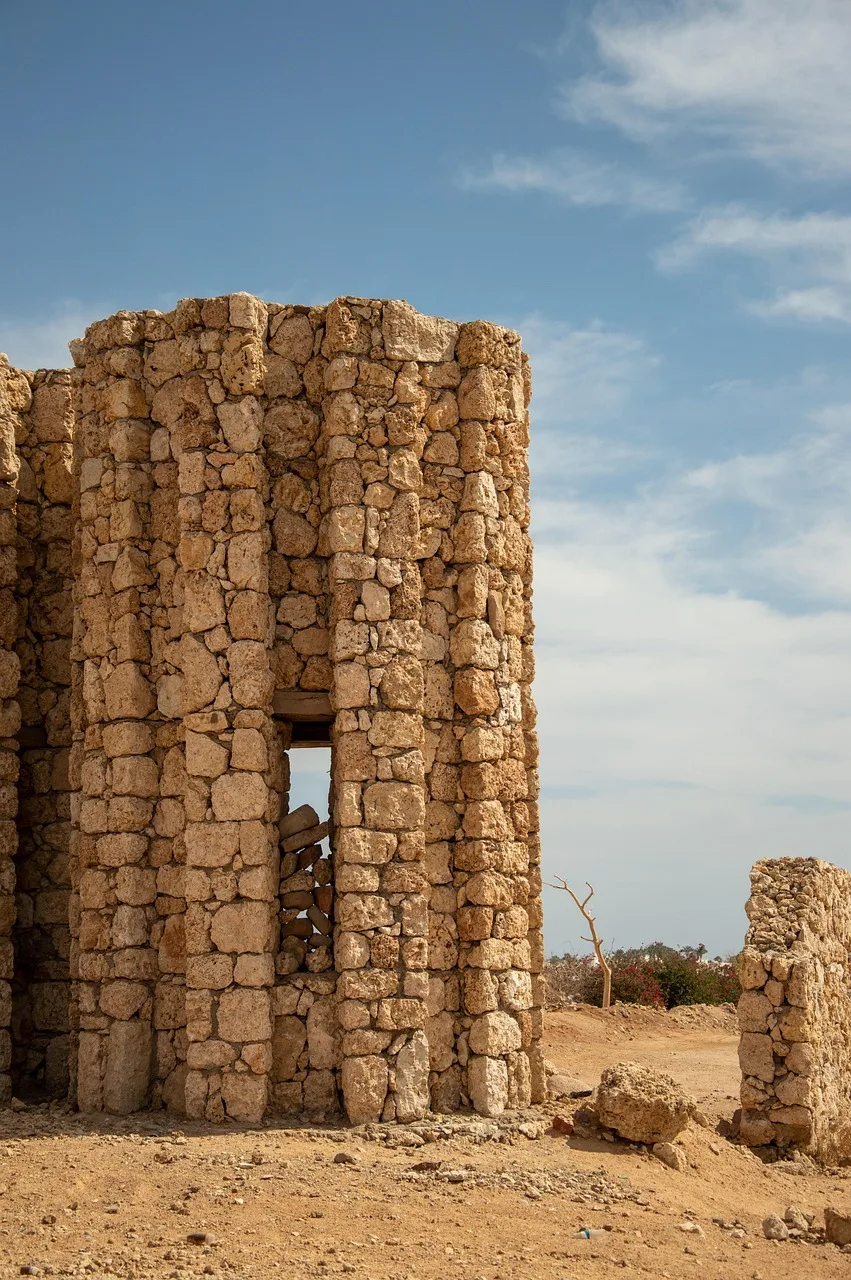


Tanım
•isim: Dünya üzerinde yer alan kıtalardan biri
Diğer Dillerde
Fransızcaafrique, Afrique (continent) (dişil) /a.fʁik/
Africa (the continent south of Europe and between the Atlantic and Indian Oceans)
eş: Alkebulan, continent noir
köken: Inherited from Old French Affrique, borrowed from Latin Āfrica.
aile: Africain, africain, Africaine, Afrique du Sud, Afrique noire, Corne de l'Afrique, éléphant d'Afrique, Françafrique, ketmie d'Afrique
Afrique du Nord. — Kuzey Afrika.
İspanyolcaÁfrica (dişil) /ˈafɾika/
Africa (the continent south of Europe and between the Atlantic and Indian Oceans) · Africa (a former province of the Roman Empire, containing what is now Tunisia and portions of coastal Algeria and Libya) · a female given name from Latin shortened from María (de) África, an epithet of the Virgin Mary as Our Lady of Africa
aile: África del Sudoeste, África del Suroeste, Cuerno de África, Sudáfrica
África oriental. — Doğu Afrika.
RusçaАфрика (dişil) /ˈafrʲɪkə/
Africa (the continent south of Europe and between the Atlantic and Indian Oceans) · Africa (a former province of the Roman Empire, containing what is now Tunisia and portions of coastal Algeria and Libya)
eş: Чёрный континент
aile: африка́нец, африка́нка
Северная Африка. — Kuzey Afrika.
مجموعة شرق أفريقيا. — Doğu Afrika.
AzericeAfrika
KazakçaАфрика
Africa (the continent south of Europe and between the Atlantic and Indian Oceans)
köken: From Russian А́фрика (Áfrika), from Latin Āfrica.
FelemenkçeAfrika (nötr) /ˈaː.fri.kaː/
Africa (the continent south of Europe and between the Atlantic and Indian Oceans)
köken: Ultimately from Latin Āfrica, from Āfer.
aile: Afrikaan, afrikaniseren, Centraal-Afrika, Equatoriaal-Afrika, Hoorn van Afrika, Midden-Afrika, Moffrika, Noord-Afrika, Oost-Afrika, West-Afrika
Zuid-Afrika. — Güney Afrika.
PortekizceÁfrica (dişil) /ˈa.fɾi.kɐ/
Africa (the continent south of Europe and between the Atlantic and Indian Oceans) · Africa (a former province of the Roman Empire, containing what is now Tunisia and portions of coastal Algeria and Libya)
aile: África do Sul, Euráfrica
África do Sul. — Güney Afrika.
YunancaΑφρική (dişil) /a.fɾiˈci/
Africa (the continent south of Europe and between the Atlantic and Indian Oceans) · Africa (a former province of the Roman Empire, containing what is now Tunisia and portions of coastal Algeria and Libya)
Japoncaアフリカ。
Korece아프리카 /a̠pʰɯɾikʰa̠/
Africa (the continent south of Europe and between the Atlantic and Indian Oceans) · Africa (a former province of the Roman Empire, containing what is now Tunisia and portions of coastal Algeria and Libya)
köken: Unknown. Perhaps borrowed from English Africa, ultimately from Latin Africa.
aile: 남아프리카, 동아프리카, 북아프리카, 사하라 이남 아프리카, 서아프리카, 중앙아프리카
LehçeAfryka (dişil) /ˈa.frɘ.ka/
Africa (the continent south of Europe and between the Atlantic and Indian Oceans)
eş: Czarny Kontynent, Czarny Ląd, Trzeci Świat, gw. (Górny Śląsk) Afrika
köken: Etymology tree Latin Āfer Proto-Indo-European *-ikos Proto-Italic *-ikos Latin -icus Latin āfricus Latin āfrica Latin Āfricalbor. Polish Afryka Learned borrowing from Latin Āfrica.
aile: Afrykanin, Afrykanka, Afrykańczyk
Hintçeअफ़्रीका (eril) /əf.ɾiː.kɑː/
Africa (the continent south of Europe and between the Atlantic and Indian Oceans)
köken: Borrowed from English Africa.
aile: अफ़्रीकी
Africa (the continent south of Europe and between the Atlantic and Indian Oceans)
köken: Through one of more European languages (compare Swedish Afrika, German Afrika), ultimately from Latin Āfrica.
aile: afrikkalainen, Keski-Afrikan tasavalta, Keskinen Afrikka, afrikanhanhi, afrikanhylje, afrikaniibishaikara, afrikanjuurimyllikäs, afrikankalliopääsky, afrikankapustahaikara, afrikankastanjasirkku
İbraniceאַפְרִיקָה
the African continent (chiefly North Africa, which was well-known to the Romans) · a region of North Africa, west of Egypt, encompassing the regions of Marmarica and Cyrenaica · Libya (a country in North Africa)
köken: From Ancient Greek Λιβύη (Libúē).
VietnamcaChâu Phi, Phi, Phi Châu
alternative letter-case form of châu Phi: Africa (the continent south of Europe and between the Atlantic and Indian Oceans)
köken: châu + Phi, calque of Chinese 非洲 (Phi châu).
Đường bờ biển châu Phi ít bị chia cắt, rất ít các vịnh biển, bán đảo và đảo ; lớn hơn cả là đảo Ma-đa-ga-xca và bán đảo Xô-ma-li.
SlovenceÁfrika
LetoncaĀfrika (dişil)
Africa (the continent south of Europe and between the Atlantic and Indian Oceans) · Africa (a former province of the Roman Empire, containing what is now Tunisia and portions of coastal Algeria and Libya)
köken: Via other European languages, ultimately borrowed from Latin Āfrica.
aile: Ziemeļāfrika, Rietumāfrika, Centrālā Āfrika, Austrumāfrika, Dienvidu Āfrika
Āfrikā ir 54 valstis, kuras ir sagrupētas pa pieciem Āfrikas reģioniem
EstoncaAafrika /ˈɑˑfrikɑ/
Africa (the continent south of Europe and between the Atlantic and Indian Oceans) · Africa (a former province of the Roman Empire, containing what is now Tunisia and portions of coastal Algeria and Libya)
köken: Ultimately from Latin Āfrica.
Taycaแอฟริกา /ʔɛp̚˦˥.fri˦˥.kaː˧/
Africa (the continent south of Europe and between the Atlantic and Indian Oceans) · Africa (a former province of the Roman Empire, containing what is now Tunisia and portions of coastal Algeria and Libya)
köken: Borrowed from English Africa. Compare Lao ອາຟຣິກກາ (ʼāp rik kā), Lao ອາຟຣິກາ (ʼāp ri kā).
ทวีปแอฟริกา
ชาวแอฟริกา
คนแอฟริกา
KatalancaÀfrica (dişil) /ˈa.fɾi.kə/
Africa (the continent south of Europe and between the Atlantic and Indian Oceans) · Africa (a former province of the Roman Empire, containing what is now Tunisia and portions of coastal Algeria and Libya)
aile: Àfrica Austral, Àfrica Central, Àfrica del Nord, Àfrica Occidental, Àfrica Oriental, Àfrica subsahariana, Sud-àfrica
Galce(yr) Affrica
İrlandacaan Afraic
İzlandacaAfríka /ˈaːfriːka/
Africa (the continent south of Europe and between the Atlantic and Indian Oceans) · Africa (a former province of the Roman Empire, containing what is now Tunisia and portions of coastal Algeria and Libya)
köken: Borrowed from Latin Āfrica.
aile: Afríka sunnan Sahara, Afríkubúi, afríkufíll, Afríkukeppni, Afríkuland, Afríkumaður, Afríkumeistari, Afríkumót, Afríkuríki, Afríkusamband
ArnavutçaAfrikë (dişil) /aˈfɾikə/
Africa (continent)
köken: Internationalism, compare Italian Africa.
aile: afrikan
ErmeniceԱֆրիկա /ˈɑfɾikɑ/
Africa (the continent south of Europe and between the Atlantic and Indian Oceans)
Gürcüceაფრიკა /äpʰɾikʼä/
Africa (the continent south of Europe and between the Atlantic and Indian Oceans) · Africa (a former province of the Roman Empire, containing what is now Tunisia and portions of coastal Algeria and Libya)
Etimoloji
Inherited from Ottoman Turkish آفریقه.
Kelime Ailesi
Örnek Cümleler
Ben Afrikalıyım.
I'm from Africa.
Nil Afrika'dadır.
The Nile is in Africa.
O Afrika'da doğdu.
He was born in Africa.
Afrika bir kıtadır.
Africa is a continent.
Babam Afrika’dadır.
My father is in Africa.
Ataları Afrikalıymış.
His ancestors came from Africa.
Afrikalılara bulaşma.
Don't mess with Africans.
Ben Afrikalı değilim.
I'm not from Africa.
Ben Kuzey Afrikalıyım.
I'm from North Africa.
Afrika'ya hiç gitmedim.
I've never been to Africa.
Afrika fillerin var mı?
Do you have African elephants?
Afrika'da kaç ülke var?
How many countries are there in Africa?
İlgili Sorular
MIT’de Ph.D. elde eden ilk Afrikalı kökenli Amerikalı kadın fizikçi kim ve ardından Nükleer Düzenleme Komisyonu’nu yönetmiştir?
Birinci Dünya Savaşı sırasında Doğu Afrika hakkında bilgi alabileceğim iyi web siteleri biliyor musunuz? Çok ihtiyacım var!
Batı insanları neden beyaz, Afrika insanları neden siyah ve Hintliler neden arada bir renge sahip?
Hindistan'ın Güney Afrika'ya yenilmesinin temel nedenleri nelerdir?
Birçok Afrika insanının Amerika’yı hayal etmesinin nedeni nedir?
İlgili / Bileşik Terimler
Genelwarthog
Genelsaintpaulia
Genelbushmeat
Genelmigratory locust
Genelafrican violet
Genelafrican golden cat
Genelafrican horse sickness
Genelafro eurasia
Genelafrican union
Genelhorn of africa
Genelpygmy falcon
Genelwater chevrotain
Genelafrican elephant
Genelafrican cuckoo hawk
Genelafrican buffalo
Genelafrican forest elephant
Genelafrican leopard
Genelafrican clawed frog
Genelafrican bush elephant
Genelafrican trypanosomiasis
Genelafrican wild ass
Genelafrican wildcat
Genelafrican wild dog
Birleşik Kelimeler
Afrika çekirgesiAfrika domuzuAfrika menekşesi